A patch I submitted 9 years ago just got merged 🛠️✨
Seven was the default admin theme for Drupal 7, 8, and 9 — but not anymore 🧑💻⏳
That’s the beauty of open source: contributions live on 💡🌱
#Drupal#OpenSource
https://t.co/N9fXESB1lW
Lin Yu-Ting has won the Olympic gold medal against all odds! Her triumph in the ring is not just a testament to her unparalleled skill and dedication as a boxer, but also a powerful vindication of her character. Despite the unjust and baseless accusations questioning her gender eligibility, she has risen above the slander with grace and strength. We celebrate not just her win, but the unwavering spirit she embodies. #BoxingQueenLinYuTing
Join @bikepackingscot @reizkulrur and endurance cyclist Jenny Graham as they traverse the picturesque @morayspeyside on the Orox.
Watch the full video here: https://t.co/TyMyZKrhfm
I think AI agentic machine translation has huge potential for improving over traditional neural machine translation, and am releasing as open-source a demonstration I'd been playing with as a fun weekend project.
Using an agentic workflow, this demonstration (i) Prompts an LLM to translate from one language to another, (ii) Reflects on the translation to come up with constructive suggestions, (iii) Uses the suggestions to refine the translation. In our limited testing, this is sometimes competitive with, and sometimes worse than, leading commercial providers.
But it gives a highly steerable translation system where by simply changing the prompt, you can specify the tone (formal/informal), regional variation (do you want Spanish as spoken in Spain or as spoken in Latin America?), and ensure consistent translation of terms (by providing a glossary).
This is not mature software. But I hope the open-source community can make agentic translation work much better. Given how a simple reflection workflow already gives decent results, I think there's significant headroom to make agentic translation much better.
Releasing an early software prototype like this is something new I decided to try to see if it is helpful to the developer community. I'd love any feedback on this.
Thanks to Joaquin Dominguez, @nedteneva, @JohnSanterre for help with this.
https://t.co/nghC3wN3Id
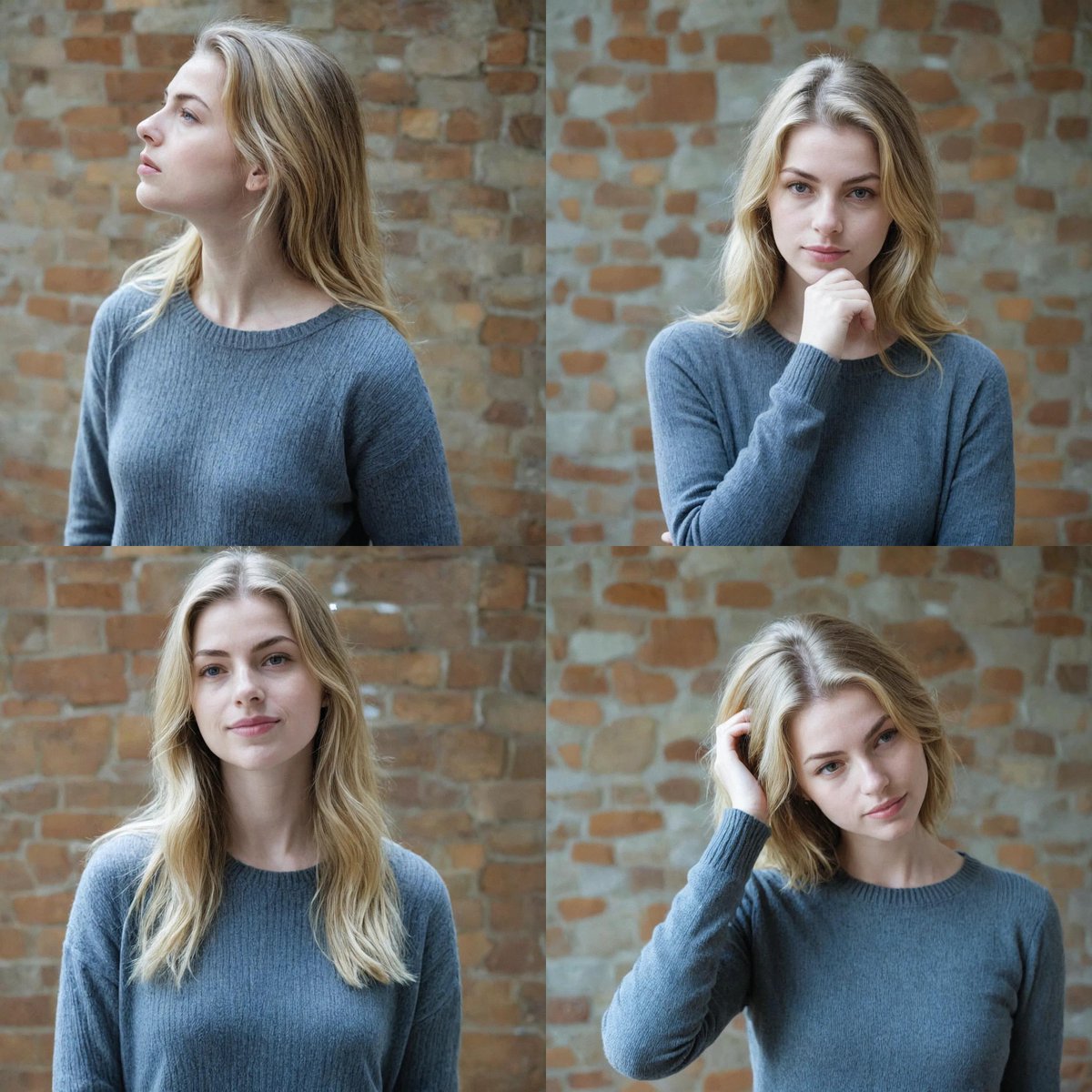
Here's the first release of my consistent-character model on Replicate.
It uses InstantID, IPAdapter, Controlnet and FaceDetailer, with SDXL Lightning.
Prompt clothes and hairstyle for best consistency
It's open source but non-commercial, all links below 👇
After 10 years, we’re facing another democracy threats again by the KMT.
That is indeed sad, but we’re not losing our hope yet. People are rising and protesting to show what the real voice of people is to the legislator.
Check what’s happening here.
https://t.co/zytfw41g9b
🎉DrupalCon Asia is back in Singapore!
Join us on 9-11 December 2024 at PARKROYAL COLLECTION Marina Bay for a jam-packed event filled with keynotes, workshops and endless networking.
https://t.co/zUhkJjO1b1 #DrupalAsia#Singapore#DigitalInnovation#OpenSource#DrupalCommunity
I'm happy an article introducing the Dries coming event was posted at @thedroptimes ! We are looking foward to your registration!
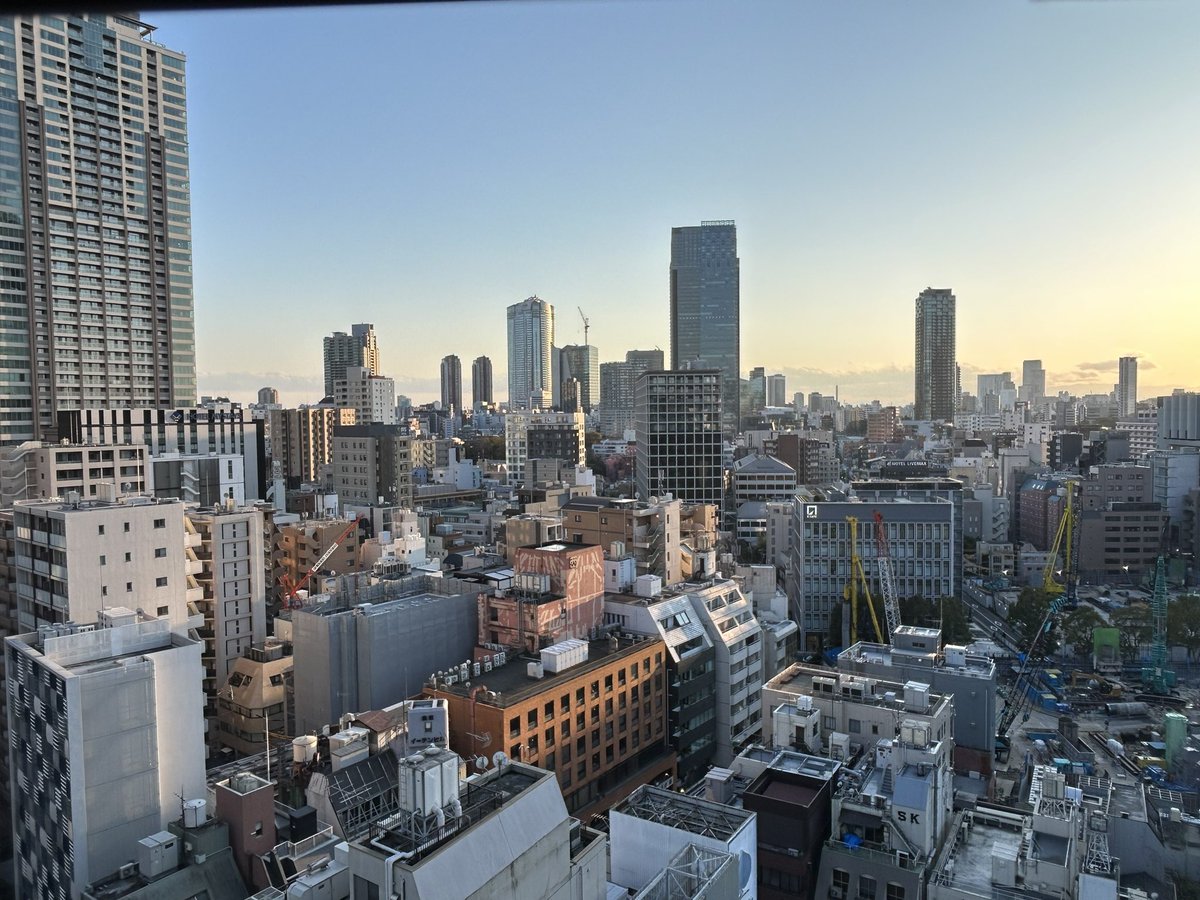
Dries Buytaert's Drupal Networking Event in Tokyo 2024 https://t.co/sydScc4jzZ
#Drupal#Drupalドリス#ドリスと語るDrupal
In the meetup we were confused about the LTS in the @Drupal lifecycle ahead.
After digesting the discussion https://t.co/Iyj2WysU8i, I understood more about the idea and why the diagram draws the LTS like that.
I’ll try writing an article in the Advant calendar 🤞#DrupalTokyo
I’ve resigned from my role leading the Audio team at Stability AI, because I don’t agree with the company’s opinion that training generative AI models on copyrighted works is ‘fair use’.
First off, I want to say that there are lots of people at Stability who are deeply thoughtful about these issues. I’m proud that we were able to launch a state-of-the-art AI music generation product trained on licensed training data, sharing the revenue from the model with rights-holders. I’m grateful to my many colleagues who worked on this with me and who supported our team, and particularly to Emad for giving us the opportunity to build and ship it. I’m thankful for my time at Stability, and in many ways I think they take a more nuanced view on this topic than some of their competitors.
But, despite this, I wasn’t able to change the prevailing opinion on fair use at the company.
This was made clear when the US Copyright Office recently invited public comments on generative AI and copyright, and Stability was one of many AI companies to respond. Stability’s 23-page submission included this on its opening page:
“We believe that Al development is an acceptable, transformative, and socially-beneficial use of existing content that is protected by fair use”.
For those unfamiliar with ‘fair use’, this claims that training an AI model on copyrighted works doesn’t infringe the copyright in those works, so it can be done without permission, and without payment. This is a position that is fairly standard across many of the large generative AI companies, and other big tech companies building these models — it’s far from a view that is unique to Stability. But it’s a position I disagree with.
I disagree because one of the factors affecting whether the act of copying is fair use, according to Congress, is “the effect of the use upon the potential market for or value of the copyrighted work”. Today’s generative AI models can clearly be used to create works that compete with the copyrighted works they are trained on. So I don’t see how using copyrighted works to train generative AI models of this nature can be considered fair use.
But setting aside the fair use argument for a moment — since ‘fair use’ wasn’t designed with generative AI in mind — training generative AI models in this way is, to me, wrong. Companies worth billions of dollars are, without permission, training generative AI models on creators’ works, which are then being used to create new content that in many cases can compete with the original works. I don’t see how this can be acceptable in a society that has set up the economics of the creative arts such that creators rely on copyright.
To be clear, I’m a supporter of generative AI. It will have many benefits — that’s why I’ve worked on it for 13 years. But I can only support generative AI that doesn’t exploit creators by training models — which may replace them — on their work without permission.
I’m sure I’m not the only person inside these generative AI companies who doesn’t think the claim of ‘fair use’ is fair to creators. I hope others will speak up, either internally or in public, so that companies realise that exploiting creators can’t be the long-term solution in generative AI.
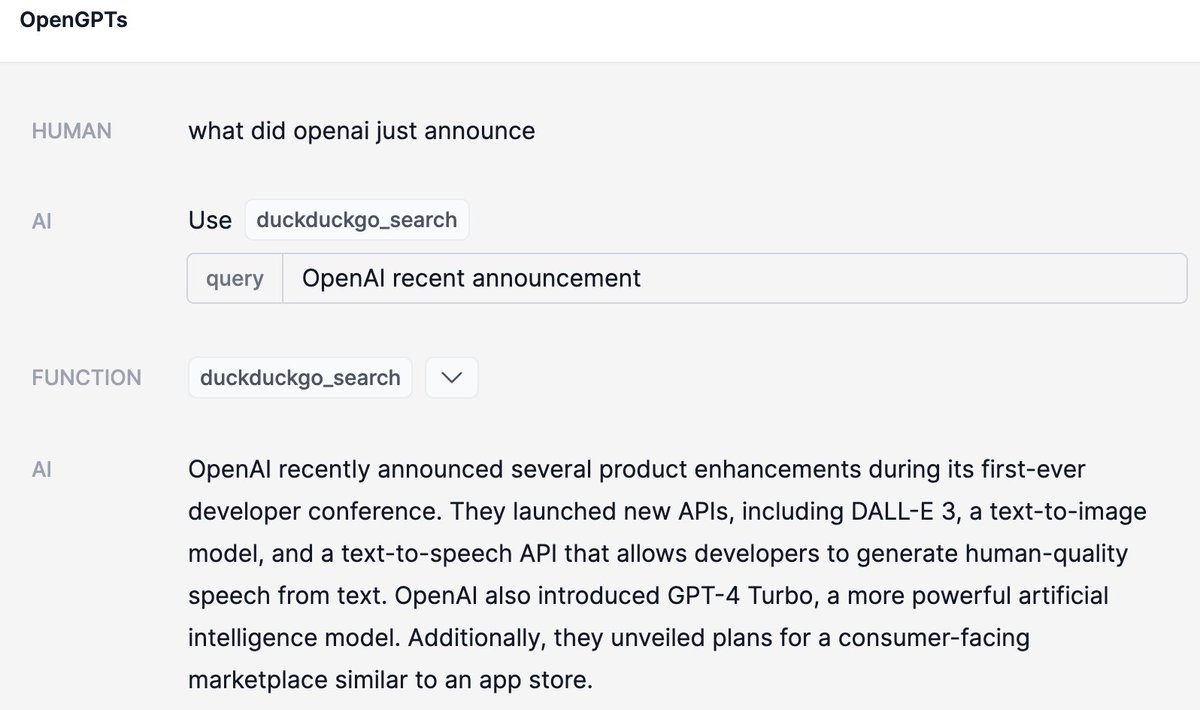
🦜🤖OpenGPTs
OpenAI just announced "GPTs" - chatbots augmented with custom tools and custom instructions that anyone can create
We're excited to announce OpenGPTs - a open source GitHub repo enabling similar functionality. This will allow:
🛠️Easier tool definition
🧠Usage of other LLMs like Anthropic, Azure, and OSS models (of course, compatibility with OpenAI models as well)
💻Full control of the platform (deploy wherever, use APIs however)
GitHub repo: https://t.co/pZz7CcLj2o
Check out an example of a hosted version here: https://t.co/uZ0qp44sI0
Fork it, clone it, add your custom tools! We're working on a hosted version