China is preparing for Putin’s death: Beijing is looking at the dictator’s potential successors
According to The Wall Street Journal, China is increasingly building relations with Russian officials and members of the elite who could play a key role after Putin leaves power.
The war and international isolation have made Russia far more dependent on China. Putin, who was once considered by Xi Jinping a “role model,” has gradually turned into a supplicant and junior partner.
Russian authorities have uncovered attempts by Chinese intelligence to establish contacts with mid-level officials, but preferred not to publicize them in order not to damage relations with Beijing.
Today, China needs Russia far more than Russia needs China. China accounts for about 40% of Russia’s foreign tradeand roughly one-third of its export revenues.
At the same time, the alliance remains unequal. Chinese goods have flooded the Russian market, pushing out domestic manufacturers.
According to analysts, China aims to secure its influence in Russia even after a change of power in the Kremlin, turning it into an even more dependent vassal — effectively a puppet state and a resource colony.
You often hear “why don’t the IDF allow journalists into Gaza”. Here’s an interesting perspective.
About a month ago, the IDF offered the chance of a visit to a captured Hezbollah tunnel. Amongst those who accepted were me and a small pack of journalists from Israel, Greece, the USA and Germany.
You will notice that no major media outlets have really picked up on the story since October. There’s a reason. Hezbollah put out a statement saying that any more major outlet accepting the offer would put their colleagues in Beirut in danger from Hezbollah repercussions.
Of course, Hezbollah are a major terrorist organisation and this is what you’d expect. But there’s a serious lack of journalistic integrity in properly reporting neither the scale and sophistication of the tunnels, nor the threats themselves.
It means the world is only seeing the IDF airstrikes, and not understanding the “why”. It’s all part of the very effective media war these groups are fighting.
It also shows how journalists are not safe from these terror groups. It goes a long way to explaining how Hamas in Gaza might also treat international journalists, how those journalists react to threats, and therefore why they’re not allowed in.
https://t.co/oJbXTaf1Sj
.@USTreasury is committed to disrupting and degrading Iran’s illicit financial activities, including its abuse of digital assets. Today, Treasury’s Office of Foreign Assets Control sanctioned multiple wallets tied to the Central Bank of Iran, resulting in the freeze of over $130 million.
We will continue to aggressively follow the money and deny the Iranian regime access to the proceeds of its illicit revenue schemes.
شعار غالب امشب تو خیابون های مادرید موقع خوشحالی بعد صعود به فینال
Pedro Sanchez
Hijo de puta
مین وایل، ایرانی ها 😁🫂😉✌🏻
بعد عرزشی و آخوندمال میگن این مزد حمایت از ماست حمایت از شما اگر مزد داشت خودتون حذف نمیشدید.
OH MY GOSH!
The House just voted 215-211 in favor of a special rules resolution,
which instructs for the text of the SAVE America to be attached to the National Defense Authorization Act (NDAA).
The House is doing its job.
@SpeakerJohnson is keeping his promise.
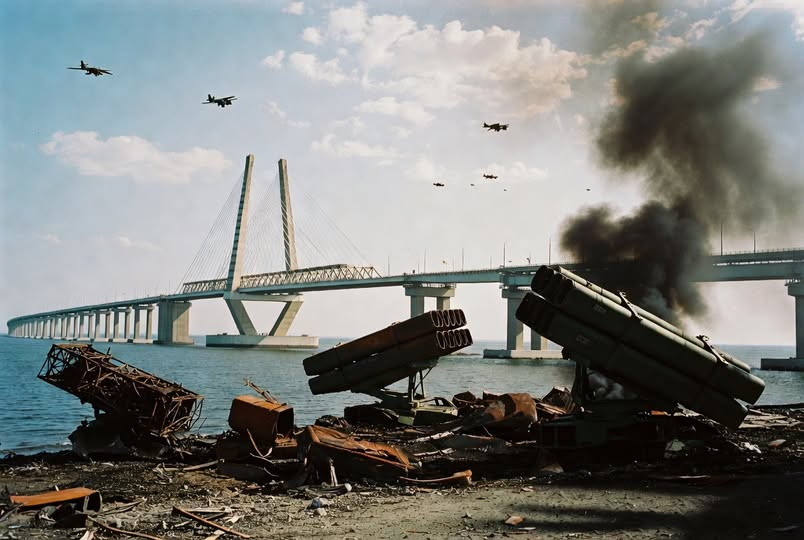
Why hasn't Ukraine destroyed the Kerch Bridge yet, despite completely neutralizing its air defense shield? The answer is masterclass psychological warfare.
You don't destroy the bridge. You leave it open.
By keeping Putin's prize bridge intact but visibly defenseless, Kyiv is applying Sun Tzu’s ancient rule: build your opponent a golden bridge to retreat across. If you trap millions of occupiers, collaborators, and Russian settlers on Crimea, they will fight to the death out of sheer desperation.
Instead, you leave the escape hatch open and let panic do the work. The message is loud and clear: "Get out while you still can." The massive, self-inflicted exodus of Russians fleeing back to their homeland does more to demilitarize Crimea than a thousand missile strikes ever could. Why waste ammo when the enemy is evacuating themselves? #KerchBridge #Crimea #PsychologicalWarfare #SunTzu #MilitaryStrategy #UkraineWar
Beijing is cultivating officials and elites across Russia who will shape the country after Putin, extending its reach far beyond the Kremlin, per WSJ.
Mid-level Russian officials have also drawn growing Chinese espionage attempts. Moscow is holding back from raising them with Beijing, wary of straining the relationship.
بازی با کارت قومیت برای شکستن بنبست ایران نتیجه معکوس خواهد داشت
نوشته: مایکل روبین
۱۳ ژوئیه ۱۹۷۱
https://t.co/Ft1frO7I4h
وقتی دو دهه پیش بهعنوان کارشناس پرونده ایران در وزارت دفاع آمریکا کار میکردم، این موضوع آنقدر تکرار میشد که میشد ساعت را با آن تنظیم کرد: هر چند ماه یکبار، فردی که تازه مسئول پرونده ایران شده بود، چه در ستاد مشترک ارتش و چه در سازمان اطلاعات مرکزی (CIA)، جایی میخواند که ایران کشوری چندقومیتی است و سپس پیشنهاد میکرد که آمریکا از جداییطلبی قومی در ایران حمایت کند تا کشور تجزیه شود.
فرمولهای جادویی هرگز کارساز نیستند
باید یک اصل کلی در واشنگتن و بهطور کلی در دیپلماسی وجود داشته باشد: فرمولهای جادویی وجود ندارند. اینگونه ایدهها بازتابی از غرور و ناآگاهی سیاستگذاری آمریکاست، اما همواره به شکست منجر میشوند. باراک اوباما، رئیسجمهور وقت، این تصور نادرست را پذیرفت که شهرکهای اسرائیلی مانع اصلی پیشرفت دیپلماتیک هستند. تمرکز بعدی او بر این موضوع باعث شد حماس و دیگر رهبران فاسد فلسطینی از زیر بار مسئولیت شانه خالی کنند و روند دیپلماسی تقریباً در تمام دوران ریاستجمهوری او متوقف شود. جستوجوی یک فرمول جادویی همچنین در پسِ «سیاست بازتنظیم» ناموفق هیلاری کلینتون، وزیر خارجه وقت، در قبال روسیه قرار داشت؛ همانطور که بعدها حملات لفظی اوباما و سپس جو بایدن به عربستان سعودی بر سر جنگ یمن نیز از همین ذهنیت ناشی میشد.
در مورد ایران، ترویج فدرالیسم قومی نتیجهای معکوس خواهد داشت. ایران کشوری چندقومیتی است؛ فارسها، آذریها، کردها، ارمنیها، بلوچها، گیلکها، عربها و اقوام دیگر در آن زندگی میکنند، اما احساس هویت ملی در ایران قدمتی بسیار بیشتر از ملیگرایی قومی دارد که کشورهای اروپایی در قرن نوزدهم بر اساس آن سازمان یافتند. هرچند بخشی از این تصور جنبه اسطورهای دارد، ایرانیان تاریخ خود را تقریباً بهصورت پیوسته از امپراتوری باستانی ایران تا امروز امتداد میدهند. اینکه رهبر پیشین جمهوری اسلامی، آیتالله علی خامنهای، آذریتبار بود، برای هوادارانش مسئلهای محسوب نمیشد. ایرانیان نیز شاهان صفوی یا قاجار را صرفاً بهدلیل ترکتبار بودن، غیرایرانی نمیدانند. این نگاه منحصر به ایران هم نیست؛ برای مثال، اگرچه جمال عبدالناصر در سال ۱۹۵۲ سلطنت مصر را سرنگون کرد، مصریها همچنان به خدیوهای خود احترام میگذارند، حتی اگر زبان رسمی دربار آنان ترکی بوده باشد.
مروری کوتاه بر تاریخ جداییطلبی در ایران
در عوض، ایرانیان جداییطلبی قومی را با امپریالیسم پیوند میدهند. در جریان «بازی بزرگ» قرن نوزدهم، امپراتوریهای بریتانیا و روسیه هر دو چشم طمع به ایران داشتند، هرچند هیچیک آن را رسماً مستعمره خود نکردند. با این حال، چنین ایدهای را در نظر داشتند.
در اواخر قرن نوزدهم، امپراتوری بریتانیا با این ایده بازی کرد که از پروژهای جداییطلبانه به رهبری شاهزاده قاجار، ظلالسلطان، حمایت کند. در اوایل قرن بیستم نیز بریتانیا از شیخ خزعل حمایت کرد که رهبری یک دولت عربی جداییطلب را با محوریت شهر نفتخیز خرمشهر بر عهده داشت.
روسها نیز از جنبشهای جداییطلب قومی حمایت کردند؛ از جمله «جمهوری مهاباد» در سال ۱۹۴۶ و همزمان «حکومت خودمختار آذربایجان» که نخستین بحران واقعی جنگ سرد را رقم زد.
تهاجم صدام حسین، رئیسجمهور عراق، به ایران در سال ۱۹۸۰ در عمل هدیهای به آیتالله روحالله خمینی، رهبر انقلاب اسلامی، بود؛ زیرا او توانست با ادعای اینکه صدام قصد دارد ایران را بر پایه ایده «عربستان آزاد» از هم بپاشد، مردم را حول پرچم کشور بسیج کند. هنگامی که ایرانیان دریافتند هدف صدام نه صرفاً پایان دادن به جمهوری اسلامی، بلکه نابودی خود ایران است، حتی به بهای تثبیت قدرت خمینی نیز از کشورشان دفاع کردند.
در دوران جمهوری اسلامی، کردها و بلوچها بیش از دیگران آسیب دیدهاند؛ زیرا هم از نظر قومی و هم از نظر مذهبی در اقلیت قرار دارند. با این حال، انگ اجتماعی ناشی از حمایت قدرتهای خارجی از جنبشهای جداییطلب، حتی پس از گذشت ۸۰ سال، همچنان بر فضای سیاسی ایران سایه افکنده است؛ بهگونهای که بسیاری از ملیگرایان ایرانی، از جمله ولیعهد پیشین، رضا پهلوی، هرگونه سخن از فدرالیسم را با توطئهای برای تجزیه ایران برابر میدانند.
چرا جداییطلبی قومی نتیجه معکوس خواهد داشت
با پایان آتشبس و ازسرگیری درگیریهای نظامی، خطری که ایرانیان باید با آن روبهرو شوند، افزایش تمایل در محافل کاخ سفید به یافتن یک فرمول جادویی برای پایان دادن به جنگ و فشارهای تورمی ناشی از آن است. دونالد ترامپ، رئیسجمهور آمریکا، چه خوب و چه بد، از پیروی از سنتهای دیپلماتیک سر باز میزند و اغلب نیز بیصبری نشان میدهد. همین مسئله او را در برابر کسانی آسیبپذیر میکند که ــ خواه با حمایت دولتهایی مانند جمهوری آذربایجان یا عربستان سعودی، خواه در قالب لابیگران، یا صرفاً تحلیلگرانی که تازه مسئول پرونده ایران شدهاند اما درکی سطحی از این کشور دارند ــ او را به بازی با «کارت قومیت» ترغیب خواهند کرد.
اگر پنتاگون از تصرف جزیره خارک بیم داشته باشد، زیرا نیروهای ایرانی مستقر در ارتفاعات ساحلی میتوانند با پهپاد و موشک به آن حمله کنند، برخی تحلیلگران ممکن است استدلال کنند که حمایت از جداییطلبی عربی این مشکل را حل میکند؛ زیرا در این صورت، کوههای زاگرس جنوبی بخشی از یک امارت عربی جدید خواهند شد. همین استدلال درباره میدانهای نفتی خوزستان ــ همان منطقهای که صدام در پی الحاق آن بود و شرکتهای نفتی آمریکایی نیز ممکن است به آن چشم داشته باشند ــ نیز مطرح میشود. هماکنون نیز حامیان ایده «آذربایجان جنوبی» در خیابان پنسیلوانیای واشنگتن پرسروصداتر از خود تبریز، مرکز آذربایجان ایران، به نظر میرسند. کردها نیز از لابی قدرتمندی برخوردارند، هرچند مطالبات واقعی آنان بسیار پیچیدهتر و ظریفتر از چیزی است که ملیگرایان ایرانی تصور میکنند.
با این حال، اگر ترامپ از سر ناامیدی به دنبال یک میانبُر یا فرمول جادویی برود، نتیجه معکوس خواهد گرفت. اگر ایالات متحده خود را با درخواستهایی برای نابودی ایران، نه صرفاً پایان دادن به یک حکومت منفور، همراه کند، همان ایرانیانی که علیه حکومت به خیابان آمدهاند، برای نجات کشورشان از سر اجبار از همان حکومت حمایت خواهند کرد. حمایت ترامپ یا هر فرد دیگری در اطراف او از «کارت قومیت»، در نهایت بزرگترین هدیه به سپاه پاسداران انقلاب اسلامی خواهد بود و ممکن است بهجای تسریع سقوط نظام، به بقای آن کمک کند.
Kuh-e Kolang Gaz La: #Iran’s Secret Underground Nuclear Complex
In the rugged Zagros Mountains of Isfahan Province, approximately one to two kilometres south of Iran’s main Natanz nuclear enrichment plant, lies one of the Islamic Republic’s most secretive and strategically significant nuclear-related projects: Kuh-e Kolang Gaz La, known in Western reporting as Pickaxe Mountain. This large underground tunnel complex, never declared to the International Atomic Energy Agency and never inspected by international monitors, has drawn growing attention from Western governments and non-proliferation experts, particularly after the 2025 airstrikes on Iran’s principal nuclear facilities.
The site is carved deep into a multi-peaked mountain rising to around 1,600 metres. Its surface footprint spans roughly one to two and a half square kilometres and is now linked by new security infrastructure to the broader Natanz complex. The hard rock geology of the Zagros range provides natural protection, which Iran has sought to enhance through extensive underground engineering.
Construction of the main new tunnel system began around 2020 and 2021, shortly after an explosion destroyed an above-ground centrifuge assembly hall at Natanz.
A smaller, older tunnel network in the same mountain dates back to at least 2007 and appears to have been reactivated around the same time. Following the major U.S. and Israeli airstrikes on Iranian nuclear sites in June 2025, which damaged or destroyed key buildings at Natanz, Fordow and Isfahan, Iran markedly accelerated work at Kuh-e Kolang Gaz La.
Satellite imagery analysed by the Institute for Science and International Security and reported by the Washington Post in September 2025 showed intensified construction of a deeply buried military facility inside the mountain.
The complex features two primary sets of tunnel entrances, eastern and western, leading beneath the highest peak. Analyses indicate that the underground halls are buried deeper than those at the Fordow enrichment site, with depth estimates ranging from approximately 80 to 100 metres and possibly reaching around 140 metres in some sections. Recent satellite imagery from early 2026 reveals ongoing efforts to harden and extend the entrances, build new security perimeters and fencing connected to Natanz, grade roads, install drainage systems and security buildings, and manage large spoil piles from continued excavation. While the facility is not yet believed to be fully operational, significant portions appear close to completion or partial activation.
Open-source assessments suggest the primary intended function is large-scale assembly of advanced gas centrifuges to replace the capacity lost at Natanz in 2020. Experts also assess it could support covert uranium enrichment through undeclared centrifuge cascades or serve as a hardened storage site for Iran’s stockpile of near-weapons-grade uranium. Because the site remains undeclared, it operates outside #IAEA safeguards, allowing Iran greater freedom to conduct sensitive nuclear work away from international inspectors.
Kuh-e Kolang Gaz La holds considerable strategic value for Iran. Its extreme depth and mountain cover make it far more resistant to airstrikes than shallower or surface facilities, providing a survivable backup for critical nuclear activities after the 2025 strikes. It enables continuity of centrifuge production and potentially enrichment under hardened protection.
The lack of declaration complicates monitoring and verification efforts, while the facility’s existence raises the potential military and political costs of future action against Iran’s nuclear programme, thereby strengthening Tehran’s negotiating position. In this sense, the site forms a central part of Iran’s long-term strategy of moving its most sensitive nuclear assets deep underground to ensure their resilience.
New York City is the only major city in America that taxes businesses on their rent.
It's called the Commercial Rent Tax. If you lease commercial space south of 96th Street in Manhattan and pay more than $250,000 a year in rent, you owe the city 3.9% on top of it.
That means a restaurant paying $30,000/month in rent is also writing the city a check for $14,000+ a year just for the privilege of being a tenant.
People wonder why their favorite shops keep closing. Meanwhile the city collects over $900 million a year from this one tax alone.
Every politician talks about saving small business, but none of them will touch the tax that's bleeding them dry.
This is "liberated" Bakhmut.
Once home to more than 70,000 people.
Today, after more than two years of russian occupation, almost nothing remains.
russia doesn't liberate cities. It erases them.
Don't pretend you don't understand this.
Oh Amnesty. How far you have fallen.
Amnesty International UK compiled an “anti rights”list. And not one Islamic organisation appeared on it. Not one.
But Christian organisations were, including the Catholic Bishops’ Conference of England and Wales, as well as the Catholic Medical Association and the Catholic Herald.
This is globalist blatant anti Christian prejudice, where mainstream Christian belief is treated as dangerous (seriously)
Amnesty then deleted the report when people noticed obvs … but the internet never forgets.
دست نوشتههای جدید منتشرشده از یحیی سنوار، پرده از حقیقتی هولناک و تکاندهنده برمیدارد؛ حقیقتی که عمق فاجعه نگاه ایدئولوژیک به حیات انسان را عریان میکند. در این اسناد فاش شده که او حتی احتمال میداده که اسرائیل در پاسخ به عملیات ۷ اکتبر دست به استفاده از بمب اتم بزند، اما با این حال تصمیم به اجرای آن گرفت. وقتی جنون یک جریان جای خرد سیاسی، مسئولیتپذیری و ارزش حیات را میگیرد، فاجعهای خلق میشود که پیش فرضش نابودی کل یک جامعه است.