I would've never thought that I was able to create something in just 6 weeks!🤯
Thank you for those who took their time to check out ADA. I also love seeing what everyone came up with - very inspiring!
Thank you @_buildspace@_nightsweekends for such an incredible experience.
Just started fiddling around with Runner H from @hcompany_ai - could anyone share a couple examples of good use cases for growth marketing purposes?
You can try it now for free btw: https://t.co/PSm0kYMzQ1 #RunnerH
the best dev marketing should feel like dev enablement.
you're not selling to them, you're solving for them.
when devs succeed using your tools, the business case sells itself to their managers.
this is a great take - your actual end users (devs/engineers) are rarely your buyers (CTOs/VPs), but they are your product champions.
this is why community building and personalised messaging matters 🧵
“Developer marketing is definitely a different beast,” says Jake, founder of Hype
Successful outreach to devs requires recognizing their broader needs beyond financial incentives alone
Jake advises setting realistic expectations, noting, “Many projects aim for thousands of developers immediately, but in reality, even attracting 50 active developers is significant”
Effective developer marketing begins by deeply understanding developers' needs through direct conversations
Speaking to at least 100 devs helps clarify their genuine requirements, preferred communication channels, and the specific challenges they face
While many teams pursue the same limited group of crypto-native developers, tapping into underpriced attention such as grassroots initiatives at universities can effectively attract new talent
These activities often deliver insightful feedback and foster an authentic, engaged developer community at minimal cost
Charlie, CMO at Nillion, underscores the value of direct interaction: “If you're in a room with 100 devs for 48 hours, you can figure out why they're making decisions and then act on that information afterwards"
Many teams also still rely on vague, unconditional grant programs hoping to spur development
Yet these initiatives are costly and often don't produce the outcomes they want
Instead, programs that leverage milestone-based incentives that explicitly tie grants to product milestones and adoption create far better results
Jay, CMO at Eco, highlights ecosystems like Optimism as successful models of this approach
Hackathons similarly need to be rethought
Beyond mere financial prizes, hackathons should create structured pathways, guiding devs from initial ideas to viable, long-term ecosystem projects
It's crucial to acknowledge that devs require more than technical resources
Programs that also address broader needs such as marketing expertise, business skills, and stress management significantly enhance developer engagement and success
Jay encapsulates this core insight clearly:
“It's crucial to ask, ‘Should we be doing this?’ rather than defaulting to familiar tactics. Taking calculated risks often yields the highest ROI in developer engagement”
Effective developer marketing is all about authentic problem solving and building a supportive community of devs who empower each other every day
imo we need to stop chasing vanity metrics, as mentioned in the post - 50 engaged, productive devs who advocate for your tool are worth more than 5k who signed up who never returned.
focus on activation, not just acquisition.
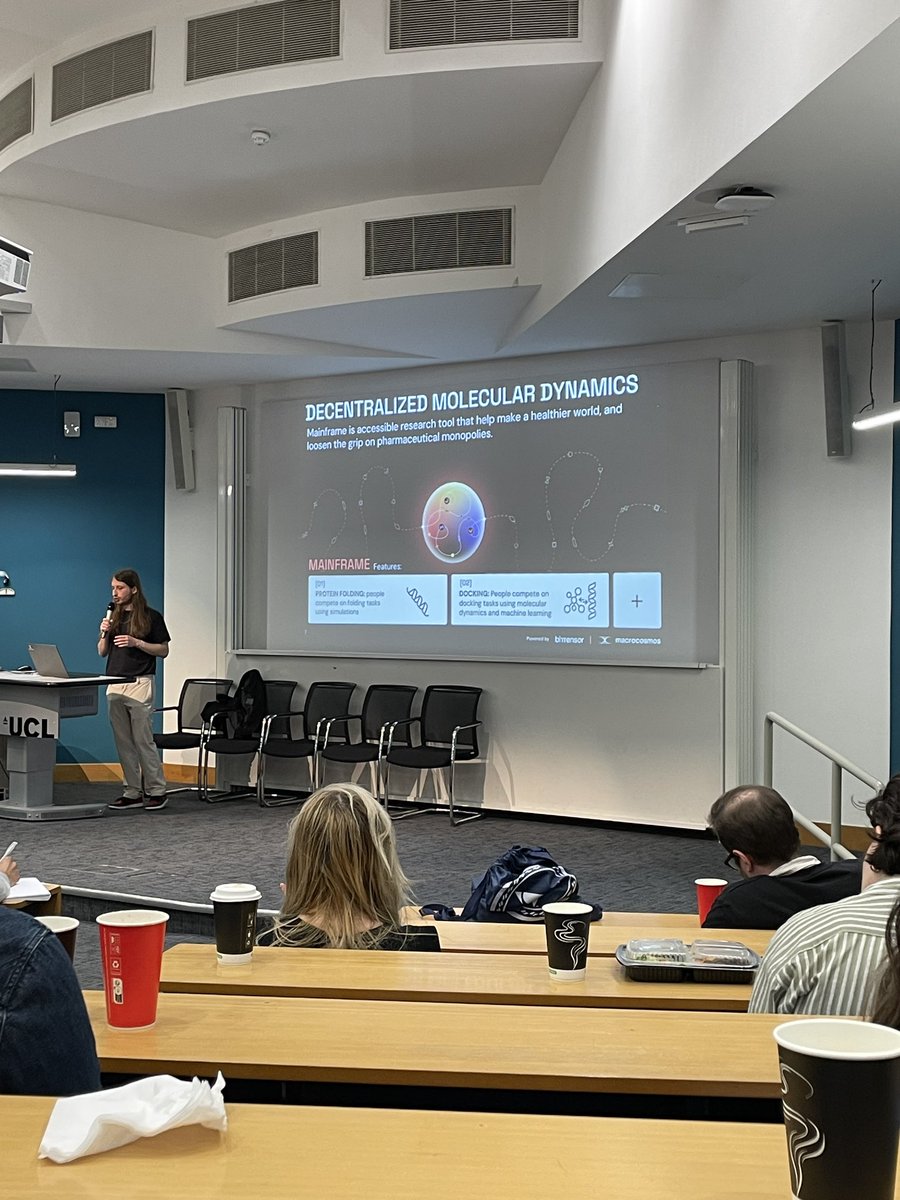
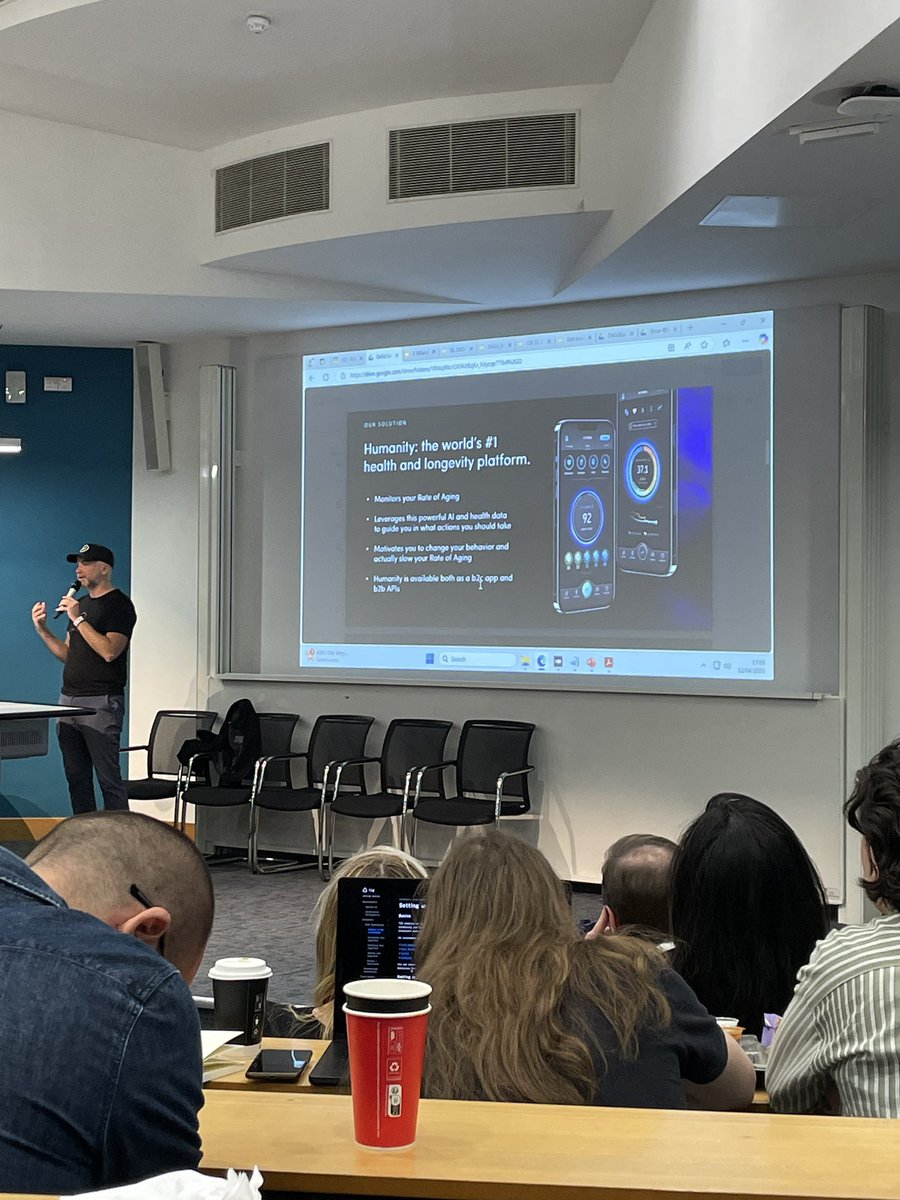
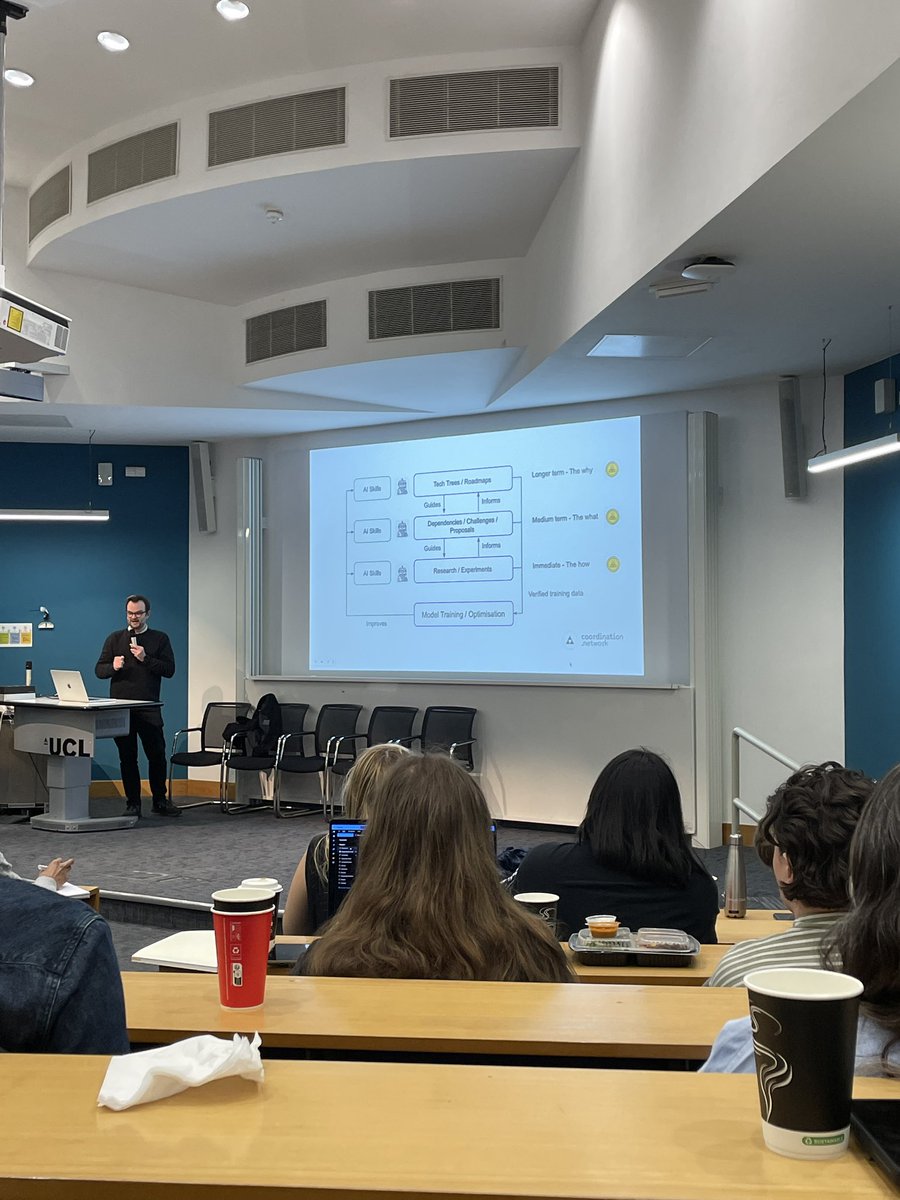
@DesciLondon@MacrocosmosAI@BeeARDai@crdntwrk@humanity_app to sum up - DeSci feels early (on-chain wise), messy, but incredibly necessary.
open ecosystems where knowledge compounds across disciplines — that’s how real progress happens.
it's not just theory anymore. it's buidl.
went to @DesciLondon 2025 today (arrived late 🥲). as a psych grad brushing off my old bio science studies, it felt nostalgic hearing about real-world science again. top notch event though! here’s what I learned 🧵
@DesciLondon@MacrocosmosAI@BeeARDai@crdntwrk@humanity_app my biggest takeaway? open ecosystems >>> closed labs.
this means coordination, transparency, scale — that’s how breakthroughs happen faster.
DeSci isn't a new idea— its efforts have been around for years, but blockchain supercharges it > more brains, fewer gatekeepers.