Quaid-e-Azam Jinnah
Author: Ishraq
----------------------------------
1940
One by one, countries are gaining independence.
Colonial empires are collapsing.
The Caliphate has fallen. Everywhere, independent states are emerging.
A new chapter has begun in world history.
Arab nationalism, Turkish nationalism—amid these waves of nationalism, Muslims too are feeling a new awakening.
Only Indian Muslims are not well. Many of them don’t even realize it. They don’t understand the danger ahead.
The British will leave India—this is inevitable. Whether today or tomorrow, they must leave.
But after the British leave, what will happen to Indian Muslims?
Very few Muslims deeply reflected on this question. But one man did—Choudhury Rahmat Ali.
A Cambridge student, Rahmat Ali, out of despair, wrote:
“Now or Never: Are We to Live or Perish Forever?”
Muslims ruled Hindustan for 600 years. What would be their future there? Power would no longer be in Muslim hands—but would they even survive with dignity?
He proposed, out of desperation, a fantasy: Pakistan—a separate state for Muslims.
Pakistan was just a fantasy. No one took it seriously. What even is Pakistan? What kind of idea is that?
Was it an Islamic state? Even the theory of an Islamic state wasn’t fully developed then. Why would Muslims need a separate state? No such state existed elsewhere in the world.
And who would even create Pakistan? Muslims lacked unity and leadership.
Even when A.K. Fazlul Huq proposed separate states for Muslim-majority regions in Lahore, no one believed it was practical.
Meanwhile, the Congress had a century-long anti-colonial struggle, global recognition, mass support, organizational strength, and governance experience.
What did Muslims have?
Some believed politics was haram.
Others believed India’s independence was enough for Muslims.
Some argued only an Islamic state mattered, not a “Muslim state.”
Regional divisions existed—Punjabi landlords, Bengali regional politics, Pashtun Gandhians.
And there was the Muslim League.
In 1937 elections, out of 482 Muslim seats, the Muslim League won only 109.
80% of Muslims rejected them.
They had no international support, no funding, no intellectual backing, no administrative experience.
Even Muslims themselves didn’t support them.
Pakistan was just a fantasy—like students dreaming of communism in a university campus.
The world would celebrate decolonization. Muslims would become subordinate to Hindus. That seemed inevitable.
Yet, minority Muslims—in Bihar, Bombay, UP, Madras—responded to the call for Pakistan.
Without ideology, aesthetics, or charismatic leadership, the dream of a Muslim homeland began.
A British-trained lawyer—seen by many as elitist, even controversial—started an unbelievable journey with a scattered group of supporters.
Even he likely didn’t believe the fantasy would become reality.
At first, Pakistan was just a bargaining chip—for autonomy in Muslim-majority provinces.
Negotiations began like a marketplace bargain.
But Nehru refused even minimal guarantees of autonomy.
At that point, the idea of Pakistan became serious.
In the 1946 elections, the Muslim League achieved a landslide victory and became the sole representative of Muslims.
Still, they lacked global support, resources, and influence.
Time was running out. The British wanted a quick resolution.
Facing urgency, the leadership called for Direct Action.
Violence erupted, showing that ignoring Muslim demands could lead to civil war.
Gradually, the “fantasy” began turning into reality.
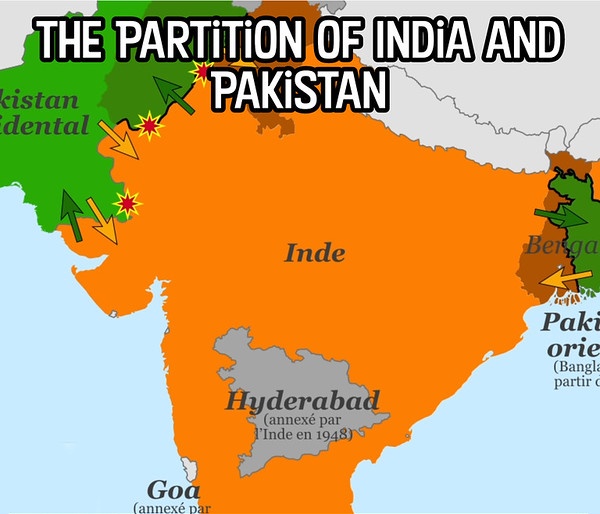
Partition discussions started. Independence was not just for Hindus—it was also for Muslims.
Debates emerged about minorities left behind.
But there was no time. The British were leaving.
Pakistan became like a “spaceship”—a desperate escape for survival.
Whether it would survive or not didn’t matter—survival itself was the goal.
Territories were negotiated. Many key regions were lost.
What remained was a fragile, resource-limited state.
Yet, against all odds, Pakistan was created in 1947.
No strong organization, no wealth, no army—yet a homeland emerged.
The lawyer negotiated like a man holding bad cards but betting as if he owned the deck.
From 20% support in 1937 to creating a country in 1947.
He may be the only man who bullied an empire, outmaneuvered Congress, and won a country without an army or mass movement.
Congress had power. The British had the army.
He had only determination and strategy.
He asked for the moon, settled for a moth-eaten sky, and still changed the map of the world.
Nehru accepted.
Patel accepted.
Gandhi accepted.
They believed the new state wouldn’t survive.
But they were wrong.
The “spaceship” fractured, struggled—but survived.
Even with limitations, it endured.
The man behind it passed away soon after.
Debates continued over what could have been achieved.
But he had already done the impossible—turned a fantasy into a country.
He entered as an underdog and left with a nation.
Gandhi moved hearts. Nehru moved crowds. Jinnah moved borders.
কায়েদ-ই-আজম জিন্নাহ।
লেখকঃ ইশরাক।
১৯৪০।
একটা একটা করে দেশ স্বাধীন হচ্ছে।
ঔপনিবেশিক সাম্রাজ্যের পতন ঘটছে।
খেলাফতের পতন হয়েছে। চারদিকে শুধু স্বাধীন রাষ্ট্রের জয়জয়কার।
বিশ্ব ইতিহাসে শুরু হয়েছে নতুন পালা।
আরব জাতীয়তাবাদ, তুর্কি জাতীয়তাবাদ ইত্যাদি জাতীয়তাবাদের ডামাডোলে মুসলমানদের মনেও লেগেছে নতুন রঙ।
শুধু ভাল নাই ইন্ডিয়ান মুসলমানরা। তারা যে ভাল নাই সেটা তাদের অনেকেই বুঝতে পারছে না। তাদের সামনে কী বিপদ আসছে সেটাও তারা অনেকেই জানে না।
ব্রিটিশরা ইন্ডিয়া ছাড়বেই। এটা অবশ্যম্ভাবী। আজ হোক কাল হোক, ব্রিটিশদের ইন্ডিয়া ছাড়তে হবেই।
কিন্তু ব্রিটিশরা ইন্ডিয়া ছাড়ার পর ইন্ডিয়ান মুসলমানদের কী হবে?
এই প্রশ্ন নিয়ে খুব বেশি গভীরভাবে ভাবার লোকও মুসলমানদের মধ্যে অনেক ছিল না। কিন্তু একজন ছিলেন চৌধুরী রহমত আলী।
ক্যামব্রিজের ছাত্র চৌধুরী রহমত আলী হতাশায়, ডেস্পারেটনেস থেকে লিখলেন
Now or Never: Are We to Live or Perish Forever?
৬০০ বছর হিন্দুস্তান শাসন করেছে মুসলমানরা। সেই হিন্দুস্তানে মুসলমানদের ভবিষ্যৎ কী হবে? মুসলমানদের হাতে ক্ষমতা তো থাকবেই না। কিন্তু মুসলমানরা কি অন্তত মানুষ হিসাবে খেয়েপড়ে বাঁচতে পারবে মুসলমানের হাতে গড়া হিন্দুস্তানে?
ব্রিটিশরা ইন্ডিয়া ছাড়ার পর হিন্দুরা পাবে স্বাধীনতা আর মুসলমান পাবে দ্বিতীয় গোলামি—এই হতাশা থেকে চৌধুরী রহমত আলী একটা ফ্যান্টাসি প্রস্তাব করেন: পাকিস্তান।
মুসলমানদের জন্য আলাদা রাষ্ট্র।
পাকিস্তান একটা ফ্যান্টাসিই। কেউ পাকিস্তানকে সিরিয়াসলি নেয় না। পাকিস্তান আবার কী জিনিস? খায় না মাথায় দেয়?
পাকিস্তান কি ইসলামী রাষ্ট্র? ইসলামী রাষ্ট্র তত্ত্বই তো তখনও ঠিকমতো আসে নাই। মুসলমান রাষ্ট্রই বা আবার কী জিনিস? মুসলমানদের জন্য কেন আলাদা রাষ্ট্র লাগবে? পৃথিবীতে অন্য কোথাও মুসলমানদের জন্য কোনো রাষ্ট্র নাই, তাহলে সাউথ এশিয়াতে কেন মুসলমানদের জন্য একটা রাষ্ট্র লাগবে? আর পাকিস্তানটা বানাবে কে? মুসলমানদের মধ্যে না আছে ঐক্য, না আছে নেতা।
লাহোরে যখন বাংলার একে ফজলুল হক প্রস্তাব ওঠাল যে মুসলমান সংখ্যাগরিষ্ঠ অঞ্চলগুলি নিয়ে আলাদা আলাদা রাষ্ট্রের কথা, তখনও কেউ বিশ্বাস করে নাই এই প্রস্তাব বাস্তবায়নযোগ্য।
কংগ্রেসের আছে শতবর্ষী এন্টি-কলোনিয়াল স্ট্রাগলের ইতিহাস। সারা দুনিয়ায় কংগ্রেস নিজেকে ইন্ডিয়া এবং উপনিবেশ বিরোধী কণ্ঠস্বর হিসাবে উপস্থাপন করেছে। গান্ধী রাজনৈতিক নেতার ঊর্ধ্বে উঠে একটা জীবনদর্শন, ধর্মে পরিণত হয়েছে।
প্রতিটা গ্রামে, প্রতিটা মহল্লায় কংগ্রেসের কমিটি আছে। হাজার হাজার আন্দোলন করা কংগ্রেস রাজপথের দখল নিতে পারে মুহূর্তেই।
লাখো-কোটি লোক কংগ্রেসের ডাকে রাস্তায় নামে। শিল্পপতি, ব্যবসায়ী, পেশাজীবী, শ্রমিক ইউনিয়ন কংগ্রেসের সাপোর্টার, কংগ্রেসকে টাকা দেয়।
১৯৩৭ থেকে বিভিন্ন রাজ্যে ক্ষমতায় কংগ্রেস। কংগ্রেসের হাতে প্রশাসন আছে। রাষ্ট্র চালানোর অভিজ্ঞতা আছে।
মুসলমানদের কী আছে?
মুসলমানদের একটা অংশ মনে করে রাজনীতি নিয়ে মাথা ঘামানো হারাম; আল্লাহ-বিল্লাহ করাটাই কাফি।
মুসলমানদের আরেক অংশ মনে করে দেশ হচ্ছে ইন্ডিয়া, মুসলমানদের আবার আলাদা করে স্বাধীনতা কী? ইন্ডিয়ার স্বাধীনতাই তো মুসলমানদের স্বাধীনতা।
ওদিকে হায়দ্রাবাদের এক সাংবাদিক বলা শুরু করেছে যে ইসলামী রাষ্ট্রই আসল, মুসলমানের রাষ্ট্র বলে কোনো কিছু নাই।
পশতুনরা আব্দুল গাফফার খানের নেতৃত্বে গান্ধিবাদী আন্দোলন করছে।
পাঞ্জাবের মুসলমান জমিদাররা ইন্ডিয়ার সাথেই থাকতে চায়।
বাংলার মুসলমানরা বাংলার রাজনীতি নিয়েই চিন্তা করে, অন্যান্য অঞ্চলের রাজনীতি নিয়ে তাদের কোনো ভাবনা নাই।
আর আছে মুসলিম লীগ।
১৯৩৭ সালের নির্বাচনে ৪৮২টা মুসলমান আসনের মধ্যে মুসলিম লীগ পেয়েছে মাত্র ১০৯টা আসন।
অর্থাৎ, ৮০% মুসলমানই মুসলিম লীগকে রিজেক্ট করেছে।
সিন্ধে মুসলিম লীগ হেরেছে।
পাঞ্জাবি মুসলমানরা পাঞ্জাবকে স্থান দিয়েছে পাকিস্তানের ওপরে।
ফ্রন্টিয়ার প্রভিন্সে ভরাডুবি।
বাংলায় হার।
মুসলিম লীগকে খারিজ করেছে দেওবন্দের মূলধারা।
মুসলিম লীগকে খারিজ করেছে নব্য খারেজি মওদূদী ও তার চ্যালারা।
মুসলিম লীগকে খারিজ করেছে আঞ্চলিক জাতীয়তাবাদী মুসলমানরা।
মুসলিম লীগকে খারিজ করেছে ভারতপন্থী মুসলমানরা।
মুসলিম লীগের বিদেশে কোনো বন্ধু নাই। আন্তর্জাতিক কোনো ইমেজ নাই। পাকিস্তান নামক কোনো কনসেপ্টের অস্তিত্বই কেউ জানে না, সমর্থন করা তো দূরের কথা।
কোনো শিল্পপতি মুসলিম লীগকে টাকা দেয় না। কোনো ব্যবসায়ী মুসলিম লীগকে টাকা দেয় না। কোনো শ্রমিক ইউনিয়ন মুসলিম লীগকে সমর্থন করে না। কোনো দেশি-বিদেশি বুদ্ধিজীবী মুসলিম লীগের পক্ষে বয়ান উৎপাদন করে না।
কোথাও কোনো সরকার গঠন করে নাই মুসলিম লীগ। মুসলিম লীগের হাতে কোনো প্রশাসন নাই। শাসনকার্যের অভিজ্ঞতা নাই।
খোদ মুসলমানরাই মুসলিম লীগকে সাপোর্ট করে না।
পাকিস্তান ইজ জাস্ট আ ফ্যান্টাসি। টিএসসিতে কেউ কেউ যেমন কমিউনিজমের স্বপ্ন দেখে, তেমনি ক্যামব্রিজের এক ছাত্র পাকিস্তানের স্বপ্ন দেখেছে। এই স্বপ্ন বাস্তব হওয়ার বিন্দুমাত্র কোনো সম্ভাবনা মওজুদ নাই।
ব্রিটিশরা ইন্ডিয়া ছাড়বে। সারা দুনিয়া এটাকে ডিকলোনাইজেশন হিসাবে উদযাপন করবে। মুসলমানরা হিন্দুদের পদানত হবে। এটাই অবশ্যম্ভাবী ভবিষ্যৎ। তোমরা রিয়েলিটি মাইনা নাও।
আরব মুসলমানদের সমর্থন নাই। তুর্কি মুসলমানদের সমর্থন নাই। এমনকি ইন্ডিয়ান মুসলমানদের সমর্থনও খুবই কম। অমুসলমান বিশ্বের কথা তো বলাই বাহুল্য।
কিন্তু পাকিস্তানকে কবুল করেছে বিহারের সংখ্যালঘু মুসলমানরা।
পাকিস্তানের আজানে সাড়া দিয়েছে বোম্বের সংখ্যালঘু মুসলমানরা।
পাকিস্তানের কণ্ঠে কণ্ঠ মিলিয়েছে উত্তর প্রদেশের সংখ্যালঘু মুসলমানরা।
পাকিস্তানের স্বপ্ন দেখেছে মাদ্রাজের সংখ্যালঘু মুসলমানরা।
মানুষ দাঁত থাকতে দাঁতের মর্যাদা বোঝে না। আর পাকিস্তান থাকতে পাকিস্তানের মর্যাদা বোঝে না ইন্ডিয়ান মুসলমান। পাকিস্তানের মর্যাদা বোঝে নাম পাল্টে হাসান আলী থেকে হর্ষবর্ধন হয়ে যাওয়া বিহারি।
কোনো মতাদর্শ ছাড়া, কোনো এস্থেটিক্স ছাড়া, কোনো গান্ধী-মার্কা কাল্ট ফিগার ছাড়া, ঢাল ছাড়া, তলোয়ার ছাড়া শুরু হইল উপমহাদেশের মুসলমানদের জন্য স্বাধীন রাষ্ট্রের খোয়াব। জাস্ট আ ফ্যান্টাসি—homeland for Muslims in South Asia.
এক বিলাত ফেরত উকিল। আংরেজদের চেয়ে বড্ড আংরেজ। ব্রিটিশ লাটসাহেবদের চেয়ে বড় ব্রিটিশ। শুকরখেকো মদ্যপায়ী নাক-উঁচা এক নামকাওয়াস্তে মুসলমান যাকে অনেকে ডাকে কাফির-ই-আজম।
কিছু মুসলমান জমিদার, উকিল, গুন্ডা-বদমাশ, চাকরিলোভী, আলীগড় মুসলিম বিশ্ববিদ্যালয়ের চৌহদ্দিতে ঘুরঘুর করা কিছু প্রফেসর, ছাত্র, এবং বুদ্ধিজীবী, হিন্দুত্ববাদের কাছে লাথি খাওয়া প্রত্যাখ্যাত কিছু বাঙালি, দেওবন্দের দ্বিতীয় এবং তৃতীয় সারির কিছু মোল্লা, মওদূদীর খারেজি আন্দোলনের আধা-আধা সমর্থন, কিছু পীর-মাজার এবং বাংলার চাষাভুষা জনগণকে নিয়ে এই উকিল ফ্যান্টাসিকে বাস্তবায়ন করার এক অবিশ্বাস্য যাত্রা শুরু করল!
ফ্যান্টাসি যে বাস্তব হবে সেটা অবশ্য এই উকিল নিজেও ভাবে নাই।
মুখে পাকিস্তানের কথা বললেও কোনোমতে কিছু মুসলমান-প্রধান রাজ্যে স্বায়ত্তশাসন আনা গেলেই এই উকিল সর্বকালের সেরা পলিটিশিয়ানদের খাতায় নাম লেখাবে। পাকিস্তানের মতো অবাস্তব, অসম্ভব স্বপ্ন বাস্তবায়ন করার দরকার নাই।
ক্যাবিনেট মিশন আসল। উকিল পাকিস্তান চেয়ে বসল।
গুলিস্তানের হকারের মতো কাজকারবার এই উকিলের। দাম শুরু করে ৩০০০ টাকা থেকে। কিন্তু ২০০ টাকাতেই দিয়ে দিবে।
দরদাম শুরু হইল।
উকিল শুরু করল পাকিস্তান থেকে।
আর কংগ্রেসের নেহরু ফুটাকড়ি থেকে।
ইন্ডিয়ান মুসলমানের স্বাধীন রাষ্ট্রের ফ্যান্টাসি উকিল ছেড়ে দিল মুসলমান সংখ্যাগরিষ্ঠ কয়েকটা প্রদেশের স্বায়ত্তশাসনের দাবিতেই।
গুলিস্তানের হকার যেভাবে ৩০০০ টাকা দাম হেঁকে ৫০ টাকাতে দফারফা করে।
কিন্তু নেহরু বেঁকে বসল।
যে ৫০ টাকায় দফারফা হইছে নেহরু বলল ভবিষ্যতে ক্ষমতা পাইলে সে ৫০ টাকাও ফেরত নিয়া নিবে।
অর্থাৎ, মুসলমান মেজরিটি রাজ্যগুলার স্বায়ত্তশাসন সে ইচ্ছা হইলে বাতিল করে দিবে।
এতক্ষণ পর্যন্ত বিলাত ফেরত শুকরখেকো মদ্যপায়ী মুসলমান উকিলের কাছে পাকিস্তান ছিল জাস্ট একটা বার্গেনিং চিপ।
কিন্তু স্বায়ত্তশাসনের দাবিও পূরণ না হওয়ায় উকিল এবার সিরিয়াসলি পাকিস্তানের কথা ভাবতে শুরু করল।
১৯৪৬ সালের নির্বাচন হইল।
নির্বাচনের আগে বিভিন্ন রকম নেগোসিয়েশনের চেষ্টা চলল।
উকিল বলল মুসলমানের সাথে কথা বলতে চাইলে কেবল ও কেবলমাত্র তার সাথেই কথা বলতে হবে। সে বাদে আর কেউ মুসলমানের প্রতিনিধি না।
কিন্তু ব্রিটিশ আর কংগ্রেস মানতে চায় না। কংগ্রেস বলে সে গোটা ইন্ডিয়ার প্রতিনিধি। মুসলমানদেরও প্রতিনিধি। উকিল কিভাবে মুসলমানদের প্রতিনিধি হয়? মোল্লারা উকিলকে মানে না। খারেজিরাও উকিলকে মানে না।
কিছু দেওবন্দী মোল্লা, হায়দ্রাবাদের খারেজি সাংবাদিক, আঞ্চলিক জাতীয়তাবাদী পাঞ্জাবী, পশতুন, বাঙালি এবং ভারতপন্থী মুসলমানদের যদি মুসলমান প্রতিনিধি হিসাবে দেখানো যায়- তাইলে উকিলকে বাইপাস করে অখণ্ড ভারত কায়েম করতে পারবে গান্ধী-নেহরু।
কাজেই উকিলের দরকার মনোপলি। সে একাই মুসলমান।
একাই মুসলমানের কণ্ঠস্বর। আহাদ। লা শরিক। আর কাউকে জায়গা দেওয়া যাবে না। যাবে না। যাবে না।
গান্ধী উকিলের সাথে বসতে চাইল। উকিল বলল আগে স্বীকৃতি দাও যে মুসলমানদের উকিল সেরেফ এবং সেরেফ সেই মদখোরটা, এরপর বসাবসি।
গান্ধী তো স্বীকার করতে পারে না যে কংগ্রেস ইন্ডিয়ান মুসলমানদের প্রতিনিধি না। ফলে নেগোসিয়েশন হইল না।
সারা ইন্ডিয়াজুড়ে উকিল প্রচার কইরা বেড়াইল যে গান্ধী আর কংগ্রেস আসলে মুসলমানকে সমান মনে করে না, তাই মুসলমানের সাথে বৈঠক করে নাই।
নির্বাচনে উকিলের দল ভূমিধস জয় পাইলো।
প্রায় সব মুসলমান সিটে জয় পাইলো মুসলিম লীগ।
শুকরখোর মদ্যপায়ী হইলো the sole spokesperson of the Indian Muslims.
এই প্রথম উকিলের হাতে খানিকটা ক্ষমতা আসল।
কিন্তু এরপরও উকিলের নাই শিল্পপতি, ব্যবসায়ী, দেশি-বিদেশি বুদ্ধিজীবী, শ্রমিক ইউনিয়ন ইত্যাদির সমর্থন। গান্ধী বিশ্বনেতা আর উকিল সেরেফ একটা উকিল—এমনকি মুসলমান বিশ্বেও তার তেমন কোনো নামডাক নাই।
এদিকে ব্রিটিশরা তাগাদা দিচ্ছে। তারা দ্রুত ভারত ছাড়বে। দ্রুত মিটমাট করতে হবে মুসলমান প্রশ্ন।
উকিলের হাতে সময় কম। উকিলের আবার যক্ষ্মা। ঐসময় বিটিভি ছিল না। কেউ উকিলকে বলে নাই—যক্ষ্মা হইলে রক্ষা নাই, এই কথাটার ভিত্তি নাই।
উকিলের ডাক্তার সবার কাছ থেকে গোপন করে যে উকিলের হায়াত আর বেশিদিন নাই। উকিলও কাউকে বুঝতে দেয় না যে তার ফিটফাট স্যুটের ভেতরে আছে একটা সদরঘাট দেহ। বড় বড় বুলি আসলে ফাঁপা আওয়াজ।
উকিল আসলে একটা নিধিরাম সর্দার।
যেকোন মূল্যে হিন্দুদের হাতে অবিভক্ত ইন্ডিয়ার হাতে ক্ষমতা হস্তান্তর ঠেকানোর জন্য উকিল তখন ডাইরেক্ট অ্যাকশন ডাক দিল।
হ্যাঁ, মুসলিম লীগের কিছুই নাই। আর যার হারানোর কিছু নাই তার পাওয়ার সবকিছু আছে। মহামতি মার্ক্স বলে গেছেন যে শেকল ছাড়া আমাদের হারানোর কিছুই নাই। জিল্লতির জীবন ছাড়া ডেসপারেট ইন্ডিয়ান মুসলিমদের হারানোর কিছু ছিল না।
কেউ তখন বি-ইযনিল্লাহ বা হাসবুনাল্লাহ পাঠ করেছিল কিনা জানা নাই। কিন্তু ফরিদপুরের মজু গুন্ডাসহ মুসলিম লীগের ঝাঁক ঝাঁক গুন্ডা আবাবিল পাখির মতো ইন্ডিয়ার রাস্তায় আবির্ভূত হয়।
যদি ইন্ডিয়ান মুসলমান আজাদী না পায়, তাহলে ইন্ডিয়াও আজাদী পাবে না। যদি ইন্ডিয়ান মুসলমান শান্তি না পায়, তাহলে কেউ শান্তি পাবে না—বাংলা সিনেমার মন্ত্রে উজ্জীবিত হয়ে মুসলিম লীগের গুন্ডারা ইন্ডিয়ার রাস্তায় প্রমাণ করে যে মুসলিম লীগের সাথে আলোচনা না করে কোনো সমাধান টানার চেষ্টার অর্থ গৃহযুদ্ধ।
আস্তে আস্তে ফ্যান্টাসি বাস্তব হতে শুরু করে।
এক বছর আগেও যেই পাকিস্তান ছিল সেরেফ একটা বার্গেনিং চিপ, যেই পাকিস্তানে খোদ উকিল-ই-আজম পর্যন্ত একিন করত কিনা সন্দেহ, সেই পাকিস্তান দূর আকাশে উঁকি দিতে থাকে।
শুরু হয় পার্টিশনের আলাপ। আজাদী শুধু হিন্দুদের না, আজাদী দরকার ইন্ডিয়ান মুসলমানেরও! ইন্ডিয়া মানেই শুধু হিন্দু না, ইন্ডিয়া মানে ইন্ডিয়ান মুসলমানও!
তুমুল তর্ক-বিতর্ক শুরু হয়। পাকিস্তান হইলে ইন্ডিয়ায় থেকে যাওয়া মুসলমানদের কী হবে। ততদিনে স্বার্থের দ্বন্দ্বে পাকিস্তান থেকে সরে গেছে একে ফজলুল হক। কিন্তু ফজলুল হকের তত্ত্বই সামনে আনা হইল: হোস্টেজ পপুলেশন। ইন্ডিয়ায় যদি মুসলমান নির্যাতন হয় তাইলে পাকিস্তানেও হিন্দু… অনেকে অবশ্য ফজলুল হকের মতো এত অসভ্য, ঠোঁটকাটা ছিল না। তারা বলল পাকিস্তান তার হিন্দুদের ভাল রাখবে, ইন্ডিয়াও তার মুসলমানদের ভাল রাখবে। এটা আসলে মিউচুয়াল ভাল হওয়ার প্রতিযোগিতা।
আসলে তখন এই তর্ক-বিতর্ক শোনার ওয়াক্ত নাই উকিলের।
ব্রিটিশরা ইন্ডিয়া ছাড়বে। কেয়ামতের আগে যে কয়টা মানুষকে নিয়ে স্পেসশিপে চড়ে নতুন বাসযোগ্য গ্রহের সন্ধানে নামা যায় সেটাই লাভ।
স্পেসশিপটার নাম পাকিস্তান। আর মানুষগুলা মুসলমান।
স্পেসশিপটার আয়ু কতদিন, বাসযোগ্য অন্য কোনো গ্রহ আসলেও আছে কিনা, স্পেসশিপ শক্তপোক্ত কিনা, কয়জন আটল আর কয়জন বাদ পড়ল—কোনো কিছুই তখন আর ভাবার সময় নাই। অ্যাপোক্যালিপ্স আসতেছে। স্পেসশিপে যদি দুইটা মানুষ দুই দিন বেশি বাঁচতে পারে সেইটাই লাভ।
উকিল পাঞ্জাব চাইলো। বাংলাও চাইলো। সব মুসলমান মেজরিটি প্রভিন্স চাইলো। স্পেসশিপে জায়গা চাইলো আরাকানও।
কিন্তু মদখোর উকিল জানে এইগুলা সব ব্লাফ। তার হাতে এত ক্ষমতা নাই। স্পেসশিপ যে একটা আদায় করা গেছে এইটাই স্বপ্নাতীত। অসাধ্য অলরেডি সাধন হয়ে গেছে।
পাঞ্জাবের ধনী এলাকা ওরা রেখে দিল। বাংলার শিল্পোন্নত অঞ্চল ওরা রেখে দিল। পাকিস্তানকে ওরা দিল শুধু কৃষিজমি আর চাষাভুষা জনগণ।
এই পোকায় খাওয়া পাকিস্তান নিয়ে উকিলের স্পেসশিপের নিরুদ্দেশ যাত্রা শুরু করল: আজাদী ১৯৪৭।
না আছে লোকবল, না আছে অর্থবল, না আছে সাংগঠনিক বল, না আছে দেশি-বিদেশি সমর্থন বল, না আছে ইন্টেলেকচুয়াল বল। একটার পর একটা ব্লাফ খেলে উপরে ফিটফাট ভেতরে সদরঘাট একটা কনম্যান আইনা দিল homeland for Muslims in South Asia: পাকিস্তান!
The lawyer negotiated like a man holding bad cards but betting as if he owned the deck.
১৯৩৭ সালে মাত্র ২০% ইন্ডিয়ান মুসলমান মুসলিম লীগকে সাপোর্ট দিছিল। ১৯৪৭ সালে ইন্ডিয়ান মুসলমান সেই মুসলিম লীগের আন্ডারে একটা দেশ পাইলো!
উছিলা? সেই শুকরখোর মদখোর উকিল!
The lawyer may be the only man who bullied an empire, outmaneuvered Congress, and won a country while lacking both an army and a mass movement.
কংগ্রেসের হাতে গোটা দেশ ছিল। ব্রিটিশদের হাতে আর্মি ছিল। আর জিন্নাহর হাতে ছিল একটা ব্রিফকেস আর পেছনে ছিল কয়েকটা গুন্ডা-মাস্তান যারা ওয়াদা করছিল যে মুসলমানদের আজাদী না দিলে ওরা দেশ চালাইতে দিবে না।
He asked for the moon, settled for a moth-eaten sky, and still changed the map of the world.
নেহরু মাইনা নিছে।
সর্দার প্যাটেল মাইনা নিছে।
গান্ধী মাইনা নিছে।
কারণ ওরা ভাবছে এই স্পেসশিপ টিকবে না।
ওরা ভাবছে এই স্পেসশিপ ক্র্যাশ করবে।
নেহরু খুশি হইছে। স্পেসশিপ না মানলে মুসলমানদের স্বায়ত্তশাসন দিতে হইত। কিন্তু স্পেসশিপ যেদিন ক্র্যাশ করবে সেদিন এই “মুল্লি” আবার দাস হবে, স্বায়ত্তশাসনের স্বপ্নও বাপের জন্মে দেখবে না।
কিন্তু নেহরু ভুল।
গান্ধী ভুল।
সর্দার ভুল।
স্পেসশিপ ভাইঙ্গা দুই টুকরা হইছে।
স্পেসশিপে সারাদিন গ্যাঞ্জাম, মারামারি আর কাইজ্জা লাইগাই আছে।
কিন্তু স্পেসশিপ এরপরও টিকে গেছে।
পোকায় খাওয়া পাকিস্তান রুটির বদলে ঘাস খাইয়া নিউক্লিয়ার বানাইছে, তাও হিন্দুরাজের পদানত হয় নাই।
শুকরখোর, মদখোর উকিল স্পেসশিপে উঠেই মারা গেছে।
ওর কবরের ওপর বসে মোল্লা, খারেজি এবং আঞ্চলিক জাতীয়তাবাদীরা বসে কাইজ্জা করতেছে—এই উকিলের জন্য নাকি আরাকান আসে নাই, আসাম আসে নাই, কোলকাতা আসে নাই, অমৃতসর আসে নাই, খেলাফত আসে নাই, ইসলামী রাষ্ট্র আসে নাই, ইন্ডিয়াতে থেকে যাওয়া মুসলমানরা আসে নাই।
ওরা প্রচুর গরু খাচ্ছে আর কাইজ্জা করছে।
ওদের গরু খাওয়ার আজাদী দেওয়াটাই ছিল এক শুকরখোর উকিলের জিন্দেগির মঞ্জিল-মকসুদ। সেই মঞ্জিলে পৌঁছামাত্র সেই উকিল ওদের ছাইড়া গেছে।
সে একা আসছে, নিজেকে এলিট বানাইছে, একটা ফ্যান্টাসিকে মানচিত্রের অংশ বানাইছে, একা চলে গেছে।
নিজ হাতে গড়া সকল সম্পদ ইন্ডিয়াতে ফালায় উকিল চলে গেছে শরাব খাইতে।
তার উত্থানকালেও কেউ তার সাথে ছিল না। পতনকালেও তার সাথে কেউ নাই।
veni vidi vici
গরু খাইতে খাইতে নেমকহারাম মোল্লা, খারেজি, এবং আঞ্চলিক জাতীয়তাবাদীরা যেন ওকে গাইলাইতে পারে এইটাই ছিল তার জীবনের মটো। এবং সে সফল।
And he couldn’t care less.
কোথাকার কোন ইতর রিকগনাইজ করল কি করল না ঐ হিসাব করলে যক্ষ্মায় মৃত্যুশয্যায় থাকা কোনো মানুষ তার সমস্ত সম্পদ এবং পরিবার রেখে দুনিয়ার মানচিত্র পাল্টায় দিতে পারে না।
The lawyer entered the game as an underdog, and left with a country.
ঢাকার রাস্তায় ন্যাশনাল থেকে পাশ করা গ্রামের মোটামুটি চেহারার রোগা পাতলা এক পোলা ধার করা টাকায় টপ টেন থেকে কমপ্লিট বানায়া কোটিপতির ইনস্টাগ্রাম ইনফ্লুয়েন্সার মেয়েকে যেয়ে বলছে: দশ সেকেন্ড টাইম দিলাম, রাজি না হইলে আলিয়া ভাটের কাছে গেলাম।
এতটাই কনভিন্সিং ওয়েতে বলছে যে মেয়ে ৯ সেকেন্ডের মধ্যে রাজি হইছে।
খোঁজ করলে দেখবেন ঐ পোলাটার নাম বাপে রাখছে মুহাম্মদ আলী জিন্নাহ।
Gandhi moved hearts. Nehru moved crowds. Jinnah moved borders.
শহীদ প্রেসিডেন্ট জিয়াউর রহমান বা শহীদ শরীফ ওসমান হাদিই হিন্দুত্ববাদীদের প্রথম শিকার না, এর আগে হোসেন শহীদ সোহরাওয়ার্দীর মৃত্যুর পেছনে ভারতের হাত আছে বলে ধারনা করা হয়।
তারও আগে হিন্দু সন্ত্রাসীরা একাধিক বার আমাদের নেতা খাজা সলিমুল্লাহকে হত্যার চেষ্টা করে।
▪️
খাজা সলিমুল্লাহ মুসলিম লীগ গঠনের পরে ধীরে ধীরে সেটা মুসলমানদের মাঝে জনপ্রিয় হতে শুরু করে। তখন হিন্দুরা খাজা সলিমুল্লাহর বিরুদ্ধে সংগঠিত অপপ্রচার শুরু করে, কিন্তু তাতে খুব একটা কাজ হয় না।
যখন বুঝতে পারে অপ্রপচার কাজ হচ্ছে না তখন খাজা সলিমুল্লাহকে হত্যার জন্য মাথার দাম ঘোষণা করে। একাধিক বার খাজা সলিমুল্লাহর উপর প্রাণঘাতী হামলা করে উগ্রবাদি হিন্দু দলগুলো:
১। ৮ মার্চ ১৯০৭, খাজা সলিমুল্লাহ ও তার সঙ্গীরা কুমিল্লা থেকে ট্রেনযােগে ঢাকায় রওয়ানা হন। ট্রেন চাঁদপুর পৌছলে হঠাৎ তা কাৎ হয়ে যায়। কয়েকজন শিক্ষিত হিন্দু খাজা ও তার সঙ্গীদের হত্যার উদ্দেশ্যে গাড়ী লাইনচ্যুত করে। ট্রেনের ড্রাইভার ব্যাপারটি বুঝতে পেরে খাজা সলিমুল্লাহ এবং তার সঙ্গীদের ইশারা করেন। বুঝতে পেরে খাজা সলিমুল্লাহ ও তাঁর সঙ্গী সমেত ট্রেন থেকে লাফিয়ে পড়ে বেঁচে ছিল। সেদিন আর যারা বেঁচে ছিলেন তারা হলেন শেরে বাংলা একে ফজলুল হক, খাজা আলী চৌধুরী, আবদুল হামিদ, চৌধুরী গােলাম সাত্তার, ফরিদউদ্দিন সিদ্দিকী ও মির্জা ফকির মােহাম্মদ।
২। আরেকটি ঘটনা পাওয়া যায় গুলাম মুহম্মদ খাদেম কামীরী ম্যাগাজিনে একটা সংবাদ করেন,
❝ ভারতের মুসলমান, বিশেষত কাশমীরী জাতিকে আমি এ সুসংবাদ দিচ্ছি যে, জাতি ও দেশের শুভাকাঙ্খী অনারেবল খাজা স্যার খাজা মুহাম্মদ সলিমুল্লাহ খান কে.সি.এস.আই, একটি জঘন্য ষড়যন্ত্র থেকে অল্পের জন্য রক্ষা পেয়েছেন। এ ষড়যন্ত্র করা হয়েছিল তাকে প্রাণে বধ করার জন্য। আসামী হাজতে আছে।
এর বিস্তারিত বিবরণ এই যে, গত রমযান মাসে এক বাঙ্গালী ব্রাহ্মণ খাজা সাহেবের মসজিদে এসে ইসলাম ধর্মে দীক্ষিত হয়। তার উক্তি ছিলাে, সে ইসলাম ধর্মকে যথার্থ মনে করেই নাস্তিক্য থেকে তওবা করেছে। খাজা সাহেব তার খাওয়া পরার সুবন্দোবস্ত করে দেন। এ ছাড়া মাঝে মাঝে নগদ টাকাও দিতে থাকেন। অনেক সময় তার সঙ্গে বসে একত্রে আহার করতেন।
আহসান মঞ্জিলের পূর্ব-দক্ষিণ কোণে খাজা সাহেবের একটি কুঠি আছে! সেখানে খাজা সাহেবের দুজন হিন্দু পেশকার ও একজন মৌলবী সাহেব থাকেন। নও-মুসলমানকে সেই ভবনে থাকতে দেওয়া হলাে। গত দু'আড়াই মাসের মধ্যে ঐ ভবন থেকে খাজা সাহেবের কর্মচারীদের অনেক মুল্যবান বস্তু চুরি হয়। এই নও-মুসলিমের আগমনের পূর্বে কোন সময় কারাে ক্ষতি হয় নি, কিন্তু তার আসার পর থেকেই ঘটনাসমূহ ঘটতে লাগলো, তাই তার উপর কর্মচারীদের সন্দেহ হলে।
১১ই জানুয়ারী আবার একজন কর্মচারীর কিছু জিনিস চুরি হলাে। সে খাজা সাহেবের কাছে এসে ফরিয়াদ করলে এবং বললাে, এই নও মুসলিম ছাড়া অন্য কার উপর আমার সন্দেহ হয় না। যেহেতু পূর্ব থেকেই তার প্রতি অন্যান্য কর্মচারীর অভিযোগ ছিল, তাই খাজা সাহেব সেই নও মুসলিমকে পুলিশের হাতে সােপর্দ করেন।
পুলিশ বিভাগের তদন্তে দেখা গেল যে, এর পূর্বেও কয়েকবার এই ব্যক্তির সাজা হয়েছে। খাজা সাহেব পুলিশের হেফাজত থেকে তাকে আবার নিজের সামনে ডেকে আনলেন এবং বললেন, তুমি সত্য সত্য সব কথা বিস্তারিতভাবে বল। এই মােকদ্দমা থেকে তোমাকে বাঁচাতে পারবে না। তবে খালাসের পর তােমার বাকি জীবনের জীবিকার ব্যবস্থা আমি করবাে।
সে সাবেক সমস্ত অপরাধ স্বীকার করলাে, খাজা সাহেবের কর্মচারীদের যে সব মাল চুরি হয়েছে, সেগুলােরও স্বীকারােক্তি করলাে। খাজা সাহেব এবং পুলিশের নিকট সে এই তথ্য ফাঁস করলো যে, কলকাতার গোয়েন্দা সোসাইটির জনৈক সদস্যের পরামর্শে তাকে খাজা সাহেবের হত্যার জন্য নিয়ােজিত করা হয়েছে। এই সােসাইটিতে খাজা সাহেবের হত্যার জন্য লটারি করা হয়েছিল। তাতে হত্যাকারীর জন্য সাত হাজার টাকার পুরস্কার নির্ধারিত ছিল। সে আরাে বললােঃ সেই পুরস্কারের উদ্দেশ্যই আমি খাজা সাহেবের জীবন নাশ করতে মন করি এবং ইসলাম ধর্মে দীক্ষিত হই। মসজিদে আমি দু'বার তাকে ছুরি মেরে হত্যা করতে উদ্যত হই; কিন্তু সাহস হলাে না।
এই ব্যক্তি বাঙ্গালী (হিন্দু) এবং সে ইংরাজীতে খুবই দক্ষ।
মুসলমান হওয়ার সময় সে ভান করে বলেছিল যে, উর্দু মোটেও সে জানেনা। অথচ সেই উর্দু ও জানে। আর করার পর তার কাছে 'বন্দেমাতরম' পত্রিকার কয়েকটি সংখ্যা পাওয়া গেছে। কিছুদিন পূর্বে সে খাজা সাহেবের কাছে আবেদন করেছিল যে, সে কলকাতায় যেতে চায়; তার দুশ টাকার দরকার। খাজা সাহেব পঞ্চাশ টাকা দেওয়ার নির্দেশ দিয়ে ছিলেন, গত দু'মাসে খাজা সাহেব তাকে একশ টাকা দিয়েছিলেন। মৌলবী যফর হাসান সাহেবের সংলগ্ন কক্ষেই এই ব্যক্তি থাকতাে। মৌলবী সাহেব বলেন, সে (নও-মুসলিম বেশধারী) প্রায়শ সারা রাত গৃহের বাইরে থাকতাে। সে যাক, আল্লাহর হাজার শােকর, খাজা সাহেব এই হীন চরিত্র ও অকৃতজ্ঞ লােকটির হাত থেকে অল্পের জন্য রক্ষা পেয়েছেন। এই বাঙ্গালী হিন্দুটি তার নাম ইন্দ্রমােহন গুপ্ত বলে জানিয়েছে। সে কয়েকটি গুপ্তচর সমিতি সম্পর্ক চাঞ্চল্যকর রহস্য ফাঁস করেছে। ❞
মেজর মেহেদী এর সূত্র অনুযায়ী ওসমান হাদি হত্যাকান্ডে ডিজিএফআই এর ইন্টার্নাল এফ্যেয়ার্স ব্যুরো এর ডিরেক্টর ব্রিগেডিয়ার জেনারেল সুলতানুল আরেফিন জুনায়েদ এবং পুলিশের ডিবি র যুগ্ম কমিশনার নাসিরুল ইসলাম সরাসরি যুক্ত।
ইনকিলাব মঞ্চের সাথে যুক্ত কেউ কি এই দুইজন কে ওসমান হাদি হত্যাকান্ড মামলার আসামী করেছে??
তারেক রহমানের অধীনে থাকা ডিজিএফআই তে এখনো রক্ষী বাহিনীর তারেক সিদ্দিকীর ডান হাত ব্রিগেডিয়ার জুনায়েদ কে দায়িত্বে রাখে কিভাবে??
তাদের কে সাসপেক্ট হিসেবে ধরে কি তদন্ত করবে বিএনপি সরকার??
নাকি আওয়ামীলীগ ও বিএনপি মিলিতভাবে ওসমান হাদি কে হত্যা করেছে?
Felani Didn't Die!
According to Bangladesh's own Home Minister, her death was not a "border killing by BSF" — it was simply the lawful outcome of illegal trespassing on Indian soil.
━━━━━━━━━━━━━━━━━━━━
Minister Salahuddin Ahmed's exact words (2 June 2026):
"If any foreign force kills someone by entering our border or at the zero line, then it can be called border killing. But if someone commits illegal trespassing… they will address the issue as per their own local laws. In such cases, it should not be called border killing." [1]
━━━━━━━━━━━━━━━━━━━━
This is the exact same framing used by Awami League's Indian pets to justify BSF murders and atrocities on the India-Bangladesh border:
▪ Syed Ashraful Islam (LGRD Minister & AL General Secretary, 21 Jan 2012):
"Many such incidents… cattle lifting, drug smuggling… This is nothing new. The state is not too much concerned about it." [2]
▪ Dr A.K. Abdul Momen (AL Foreign Minister, 19 Dec 2020):
"Many Bangladeshis crossed the international border with criminal intentions, resulting in fatalities, with many of them far inside the Indian territory." [3]
━━━━━━━━━━━━━━━━━━━━
Now, only 3 months+ into "this BNP" government, their Home Minister Mr. Salahuddin Ahmed is playing the same old Indian record — word for word.
Same excuse. Same whitewash. Different government.
━━━━━━━━━━━━━━━━━━━━
Felani (15) and her father were crossing from India into Bangladesh without documents. She climbed a bamboo ladder onto the Indian fence at Anantapur, Phulbari, Kurigram. Her clothes got entangled on the Indian side. BSF shot her there. Her body hung on Indian soil for hours.
(Documented in photos, eyewitness accounts and official records.) [4]
━━━━━━━━━━━━━━━━━━━━
By Salahuddin's own definition: Felani was not murdered by any foreign force entering Bangladesh. Her death was perfectly OK — routine enforcement inside Indian territory.
Felani's blood is still on that fence. But Dhaka now says: it was never a crime.
━━━━━━━━━━━━━━━━━━━━
You know what? Felani was neither murdered nor killed. Then what happened to Felani?
Nothing. Felani didn't die!
━━━━━━━━━━━━━━━━━━━━
#FelaniDidNotDie #BSFKillings #BoycottSalahuddin
#ShameOnBNP #IndianDalalOut #JusticeForFelani
━━━━━━━━━━━━━━━━━━━━
Footnotes in the comment section.
আওয়ামী-বাম-ইন্টেলেকচ্যুয়াল অ্যাক্সিস: ‘মাইনরিটি রাইটসের পক্ষে থাকেন।’
আমার মতন মুর্খ: ‘উপমহাদেশের ইতিহাসের সবচেয়ে সফল মাইনরিটি রাইটস অ্যাক্টিভিস্ট মহম্মদ আলী জিন্নাহ সম্পর্কে আপনাদের মূল্যায়ন কী?’
আওয়ামী-বাম-ইন্টেলেকচ্যুয়াল অ্যাক্সিস: ‘উনি দেশ ভাগ করছেন!’
আমার মতন মুর্খ: ‘উনি কার দেশ ভাগ করছেন? নাকি উনি ওনার নিজের কম্যুনিটির রাইটস নিশ্চিত করতে সেপ্রেট দেশ তৈরি করছেন?’
আওয়ামী-বাম-ইন্টেলেকচ্যুয়াল অ্যাক্সিস: ‘পাকিবীর্য … ইতিহাস পড় … মুর্খ … ইত্যাদি ইত্যাদি’
আমার মতন মুর্খ: ‘উনি কার দেশ ভাগ করছেন? আপনাদের?’
❝ কায়েদে আজম যখন টিবি রোগে আক্রান্ত ছিলেন এবং জীবনের শেষ দিনগুলো পার করছিলেন—তখন আমি লাহোরে মেডিকেল কলেজে পড়তাম—আমাদের প্রিন্সিপাল ছিলেন ইলাহী বক্স সাহেব, তাঁকেও চিকিৎসার জন্য ডাকা হয়েছিল। এবং টিবি রোগের বিশেষজ্ঞ অধ্যাপক রিয়াজ আলী শাহ, তিনি পরবর্তীতে তাঁর একটি সাক্ষাৎকারে বর্ণনা করেছিলেন যে সে সময়কার পরিস্থিতি কেমন ছিল।
পরিস্থিতি এমন ছিল যে তিনি এতটাই দুর্বল ছিলেন যে মাত্র দুই-চারটি বাক্য বললেই তাঁর শ্বাস আটকে যেত। তাই আমরা তাঁর ওপর নিষেধাজ্ঞা জারি করেছিলাম যেন তিনি কোনো কথা না বলেন। আমরা তাঁর কাছেই বসে ছিলাম, তাকে একটি নতুন ওষুধ দেওয়া শুরু করেছিলাম এবং সেটির কার্যকারিতা লক্ষ্য করছিলাম।
কিন্তু আমরা অনুভব করলাম যে, কায়েদে আজম বারবার যেন তাঁর মুখে কিছু একটা বলতে চাইছেন, আবার পরক্ষণেই চুপ হয়ে যাচ্ছেন—যেহেতু আমরা তাঁকে বারণ করেছিলাম। তখন আমরা ভাবলাম এই অভ্যন্তরীণ ছটফটানি তাঁর শরীরকে আরও বেশি খারাপ করে দেবে। তাই আমরা বললাম, 'কায়েদে আজম, বলুন, আপনি কী বলতে চান?'
তিনি যা বলেছিলেন
❝ You know, when I realize that Pakistan has been created, my soul feels such immense satisfaction. This was a difficult task, and I could never have done it alone. It is my firm belief that it is the spiritual blessing (faiz) of the Prophet Muhammad (PBUH) that Pakistan was achieved.
'তোমরা কি জানো, যখন আমি উপলব্ধি করি যে পাকিস্তান সৃষ্টি হয়ে গেছে, তখন আমার আত্মা কতটা শান্তি পায়? এটি একটি কঠিন কাজ ছিল এবং একা আমি এটি কখনই করতে পারতাম না। এটি আমার দৃঢ় বিশ্বাস যে, আল্লাহর রাসুল পাক সা.এর উসিলাতেই পাকিস্তান তৈরি হয়েছে।'
— ডা. ইয়াসরার আহমেদ
ওরে হত্যা নয় আজ সত্যাগ্রহ শক্তির উদবোধন !
মুসলিম-রণ-ডঙ্কা সে,
খুন দেখে করে শঙ্কা কে ?
টঙ্কারে অসি ঝঙ্কারে,
ওরে হুঙ্কারে, ভাঙি গড়া ভীম কারা, লড়বো রণ-মরণ!
ঢালে বাজবে ঝন-ঝনন!
ওরে সত্য মুক্তি স্বাধীনতা দেবে এই সে খুন-মোচন !
ওরে হত্যা নয় আজ সত্যাগ্রহ শক্তির উদবোধন !
ওরে হত্যা নয় আজ সত্যাগ্রহ শক্তির উদবোধন !
জোর চাই, আর যাচনা নয়,
কোরবানী-দিন আজ না ওই ?
বাজনা কই? সাজনা কই?
কাজ না আজিকে জান মাল দিয়ে মুক্তির উদ্রধরণ ?
বল – যুঝবো জান ভি পণ!
ঐ খুনের খুঁটিতে কল্যাণ-কেতু,
লক্ষ্য ঐ তোরণ,
আজ আল্লার নামে জান কোরবানে ঈদের পূত বোধন ।
ওরে হত্যা নয় আজ ‘সত্যাগ্রহ’ শক্তির উদবোধন !
কোরবানি
— কাজী নজরুল ইসলাম
আল্লাহ তায়ালা অকৃতজ্ঞদের পছন্দ করেন না। আল্লাহর দেওয়া নেয়ামতের শোকর না করলে আল্লাহ সেই নেয়মত উঠিয়ে নিতে পারেন।
স্কুলে থাকতে আমাদের পাঠ্যবইতে ড. শহীদুল্লাহর একটা গল্প ছিল, নাম: সততার পুরস্কার। গল্পের কাহিনী হল, আল্লাহ ৩ জন দীনহীন পথের ফকিরকে সম্পদশালী বানিয়ে দেন। কিন্তু আল্লাহর দেওয়া নেয়ামতের শুকরিয়া আদায় না করায় এই ৩ জনের মধ্যে ২ জনকে আবার পথের ফকির বানিয়ে দেওয়া হয় আর শুকরিয়া আদায়কারীর সম্পদ আরো বেড়ে যায় বহুগুনে।
এখন বইতে গল্পগুলো আছে কিনা কে জানে। এখন পাঠ্যবইতে সদা-সর্বদা বিরাজ করে রঠা আর বঙ্কিমেরা।
বাংলাদেশের মুসলমানেরা আজ আমরা কোরবানি দিতে পারছি, ভারতের মুসলমানরা পারছে না। তারা মুসলমানেরা নামাজ পড়তে যেতে পর্যন্ত ভয় পাচ্ছে। মুসলমানদের কোরবানির পশু ভারতের জল্লাদ বাহিনী লুট করে নিয়ে যাচ্ছে।
আল্লাহ যে আমাদের নিরাপদে নামাজ পড়ার এবং কুরবানী করার সুযোগ দিয়েছেন এজন্য আল্লাহ দরবারে বেশি বেশি শুকরিয়া আদায় করুন। ভারতের মজলুম মুসলমানদের জন্য দোয়া করুন। এবং আল্লাহতালা যাদের মাধ্যমে আমাদেরকে এই জল্লাদদের হাত থেকে বাঁচিয়েছে তাদের মাগফিরাতের জন্য দোয়া করুন।
আল্লাহ, আমাদের নেতা খাজা সলিমুল্লাহ, কায়েদে আজম মুহাম্মদ আলী জিন্নাহ, আল্লামা ইকবাল, চৌধুরী রহমত আলী, শেরে বাংলা একে ফজলুল হক, খাজা নাজিমুদ্দিন, হোসেন শহীদ সোহরাওয়ার্দীসহ সকল নেতার কবরকে জান্নাতের বাগিচা বানিয়ে দিন।
-- সালমান।
চীন-পাকিস্তানের এই লৌহ বন্ধুত্ব শুরু করে গিয়েছিলো আমাদের বাংগালী নেতা হোসেন শহীদ সোহরাওয়ার্দী।
অথচ বাংলাদেশ নামক রাষ্ট্র হওয়ার পর কি শোচনীয় অবস্থা এখন এদেশের !!!
বাংলাদেশের জনগণকে কখনো তাদের শক্তি সম্পর্কে জানতে দেওয়া হয় না; বাংলাদেশের মানুষ জেগে উঠলে ভারতের মানচিত্র ছেটে কমিয়ে দিতে পারে;
এই শক্তির কথা ভারত খুব ভালোভাবেই জানে।
অথচ আমাদের সবসময় শুনিয়ে মগজ ধোলাই করা হয় যে ভারত বাংলাদেশের চারদিকে ঘিরে রয়েছে; হামলা করলে নাকি সাগরে ঝাপ দিতে হবে।




![ankon880's tweet photo. Felani Didn't Die!
According to Bangladesh's own Home Minister, her death was not a "border killing by BSF" — it was simply the lawful outcome of illegal trespassing on Indian soil.
━━━━━━━━━━━━━━━━━━━━
Minister Salahuddin Ahmed's exact words (2 June 2026):
"If any foreign force kills someone by entering our border or at the zero line, then it can be called border killing. But if someone commits illegal trespassing… they will address the issue as per their own local laws. In such cases, it should not be called border killing." [1]
━━━━━━━━━━━━━━━━━━━━
This is the exact same framing used by Awami League's Indian pets to justify BSF murders and atrocities on the India-Bangladesh border:
▪ Syed Ashraful Islam (LGRD Minister & AL General Secretary, 21 Jan 2012):
"Many such incidents… cattle lifting, drug smuggling… This is nothing new. The state is not too much concerned about it." [2]
▪ Dr A.K. Abdul Momen (AL Foreign Minister, 19 Dec 2020):
"Many Bangladeshis crossed the international border with criminal intentions, resulting in fatalities, with many of them far inside the Indian territory." [3]
━━━━━━━━━━━━━━━━━━━━
Now, only 3 months+ into "this BNP" government, their Home Minister Mr. Salahuddin Ahmed is playing the same old Indian record — word for word.
Same excuse. Same whitewash. Different government.
━━━━━━━━━━━━━━━━━━━━
Felani (15) and her father were crossing from India into Bangladesh without documents. She climbed a bamboo ladder onto the Indian fence at Anantapur, Phulbari, Kurigram. Her clothes got entangled on the Indian side. BSF shot her there. Her body hung on Indian soil for hours.
(Documented in photos, eyewitness accounts and official records.) [4]
━━━━━━━━━━━━━━━━━━━━
By Salahuddin's own definition: Felani was not murdered by any foreign force entering Bangladesh. Her death was perfectly OK — routine enforcement inside Indian territory.
Felani's blood is still on that fence. But Dhaka now says: it was never a crime.
━━━━━━━━━━━━━━━━━━━━
You know what? Felani was neither murdered nor killed. Then what happened to Felani?
Nothing. Felani didn't die!
━━━━━━━━━━━━━━━━━━━━
#FelaniDidNotDie #BSFKillings #BoycottSalahuddin
#ShameOnBNP #IndianDalalOut #JusticeForFelani
━━━━━━━━━━━━━━━━━━━━
Footnotes in the comment section.](https://pbs.twimg.com/media/HKBtGOBbYAAykS0.png)