Science! I worked with @PeterZieba of @analyticslounge to do X-ray fluorescence (XRF) analysis of a 200 BCE Celtic Iron Age spearhead. I’m glad to see this was *not* identified as a modern alloy. I’m not sure why this iron has so much silicon, though.
@tferriss There are projects like Audiomoth that are deployed to monitor sound. New MEMs sensors would make detecting fire cheap/easy. Power budget for something like this could make it portable, solarpowered, and practical to implement large arrays. Our NFP would love a project like this!
Who wants to decap something of interest? I personally am curious about the layout of old FPGA predecessors. Specifically, I'd love to look at the Lattice ispLSI 1000-series.
First attempt at decapsulation of a chip is a success! We used an National Semiconductor LF13509N 4-Channel Differential Analog Multiplexer. Key takeaways: 70% Nitric Acid works, but only when heated. Room temp will not work...
Come join us at the Adler Planetarium tomorrow! (Thursday from 1-4pm)
We'll be performing XRF analysis on various objects live! Feel free to bring things you would like analyzed! Xrays, science, and space all in one place!
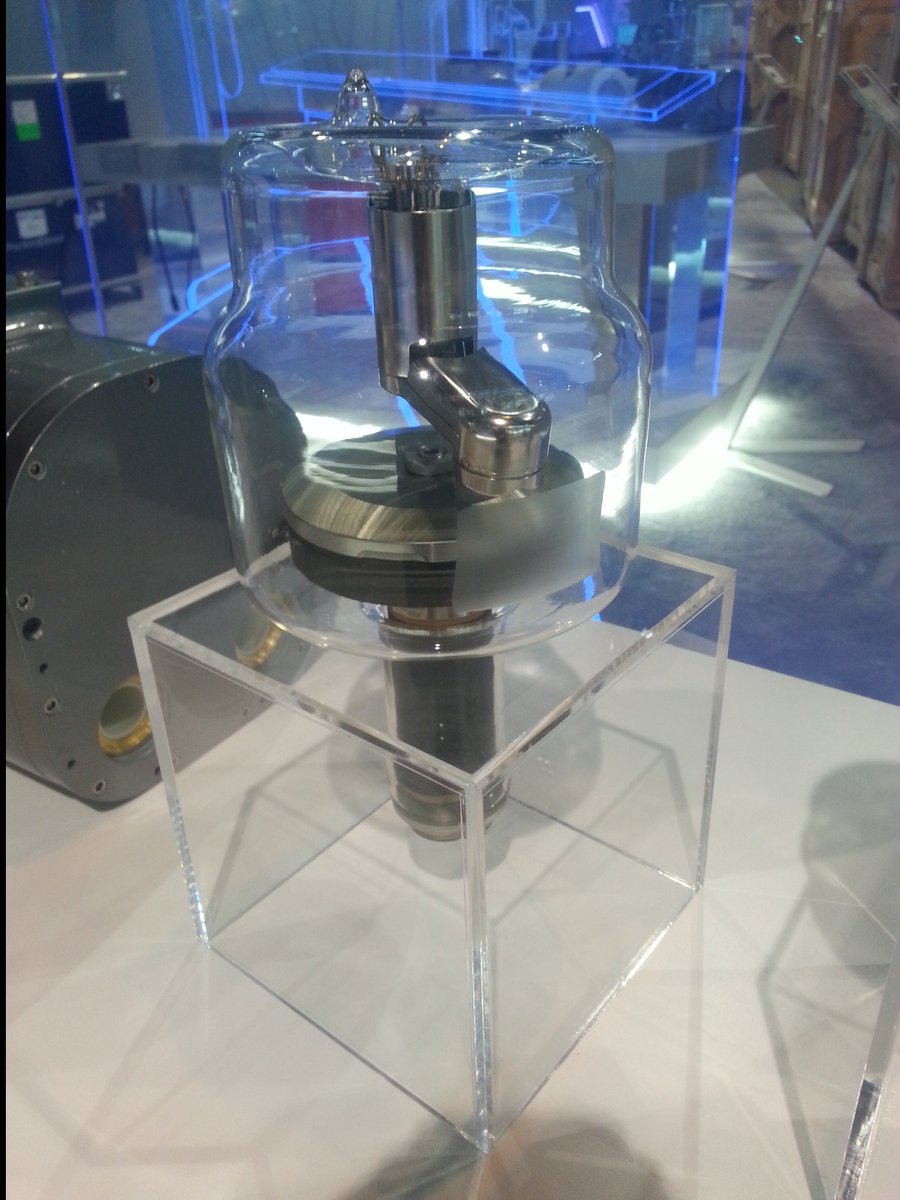
#RSNA2017 Pictured: X-Ray tube (magnetic coupling), Naked CT + SPECT machine combo, and a Mobile MRI (if we can put this on wheels, there's nothing that can't be made mobile).
Yvette bundling up cables from the column before a geeky reenactment of "Free Willy" in trying to see if the unit will actually make it through the doorframe without further disassembly ...
Plasma, with no chambers, no glass, open atmosphere. Just a crystal and some high pressure water. What's not to like?:
https://t.co/vWyelHwIxu
https://t.co/UfEAQZqIOW
Small Fry appears to be permanently closed! Our Science Happy Hour event tonight is relocated to Irazu at 1865 N. Milwaukee Ave, Chicago, IL. Hope to see you there!