We have more in common than you know. And we'd like to have even MORE by having you speak at #OpenShiftCommons Amsterdam! We KNOW you have unique #OpenShift insights into things like #AI, #security, #VM migration. Why not share ‘em? Submit your talk TODAY: https://t.co/19FjIczrVG
We have more in common than you know. And we'd like to have even MORE by having you speak at #OpenShiftCommons Amsterdam! We KNOW you have unique #OpenShift insights into things like #AI, #security, #VM migration. Why not share ‘em? Submit your talk TODAY: https://t.co/19FjIczrVG
@michaelakerem @shreyas Meditating (being able to observe yourself), and slowly programming your subconscious to find control of your senses/thoughts would be some of the techniques that will make one more aware of whether thoughts are stemming from the ego or something beyond that.
@michaelakerem @shreyas I am very early on this journey, but like Shreyas suggested, reading philosophical/religious texts that open up the mind about what we truly are, what is happiness, why are we doing the things we are doing is a good first step.
In Mahabharata, Sanjay had "Divya Drushti" to narrate the events on the battlefield to Dhritarashtra and in the modern day cricket we have this 🤦♂️. Can someone stop this gibberish?
The Brunch Test
A framework for building products that are both familiar and fresh.
“What does brunch have to do with building products?" you might ask.
For one, brunch is a great consumer product. Yes, it’s a derivative of breakfast and lunch, but it’s much more than the two put together.
Hence the analogy: the best new products don’t just offer us breakfast + lunch, they offer us brunch.
The 4 Pillars of The Brunch Test
Brunch distinguishes itself from its inspiration and substitutes in a few ways, lending to these 4 pillars:
#1 — It has a distinct use case
First, brunch is a ritual. It’s not just a meal, it’s a deliberate, emotion-filled occasion for weekends, holidays, and the like. It has more specific, unique use cases too — bougie brunch, recovery brunch, post-wedding brunch, post-church brunch.
#2 — It has unique features
A great brunch menu doesn’t just feature breakfast and lunch items; it’s curated with foods that are a bit more intricate, extravagant, blending sweets and savories — eggs benedict, french toast, chicken & waffles. Then there are the signature drinks — mimosas, bellinis, espresso martinis.
#3 — It has its own brand
Brunch has a brand, a specific way people perceive. The brunch identity could be described as light-hearted, fun, friendly, comforting, special, maybe a touch extravagant. Love it or hate it — brunch isn’t forgettable. People are opinionated about brunch.
#4 — It’s one product
When you’re out to brunch, servers don’t bring you a breakfast menu and a lunch menu. They give you the special brunch menu. Products inspired by multiple things still need to have a singular core product. And just bundling multiple things into one obviously-compound-thing doesn’t pass the brunch test!
If your product passes the Brunch Test, it should feel both familiar and new — the ultimate feat of building a consumer product. It shouldn’t feel like you're offering A+B, it should feel like you've created C — something inspired by A and B, but ultimately new.
How to Use The Brunch Test
As with any intellectualization of making things, ship first, analyze later. So don't use the Brunch Test in the idea generation stage, use it in the process of building and iterating — ideally after you've at least made a scrappy first version of something.
And consider three more things:
The Brunch Test is best for consumer products.
If your product is in a saturated consumer category and you're trying to unlock new experiences, use this analogy. B2B products focus more on utility and don't need to be as distinct on attributes like brand.
To fail The Brunch Test, you only need to fail one part.
To pass it, you need pass all four. Perception is reality too — the consumer at least needs to be convinced, consciously or subsconsciously, that you meet all four.
Passing The Brunch Test is necessary but not sufficient.
To make a product successful you still have to acquire users, deliver a great experience, and find product-market fit. But, if you don’t pass The Brunch Test, I think it'll be near impossible to find PMF. And if you’ve found PMF, you’ve probably already passed the test.
So go forth, take inspiration, and build products like brunch.
Breaking news 📰 @Gartner_inc places Red Hat as a Leader in the Magic Quadrant for Container Management. Read all about it: https://t.co/JNE3PRqfDJ @OpenShift#Containers
Chandrayaan-3 Mission:
'India🇮🇳,
I reached my destination
and you too!'
: Chandrayaan-3
Chandrayaan-3 has successfully
soft-landed on the moon 🌖!.
Congratulations, India🇮🇳!
#Chandrayaan_3#Ch3
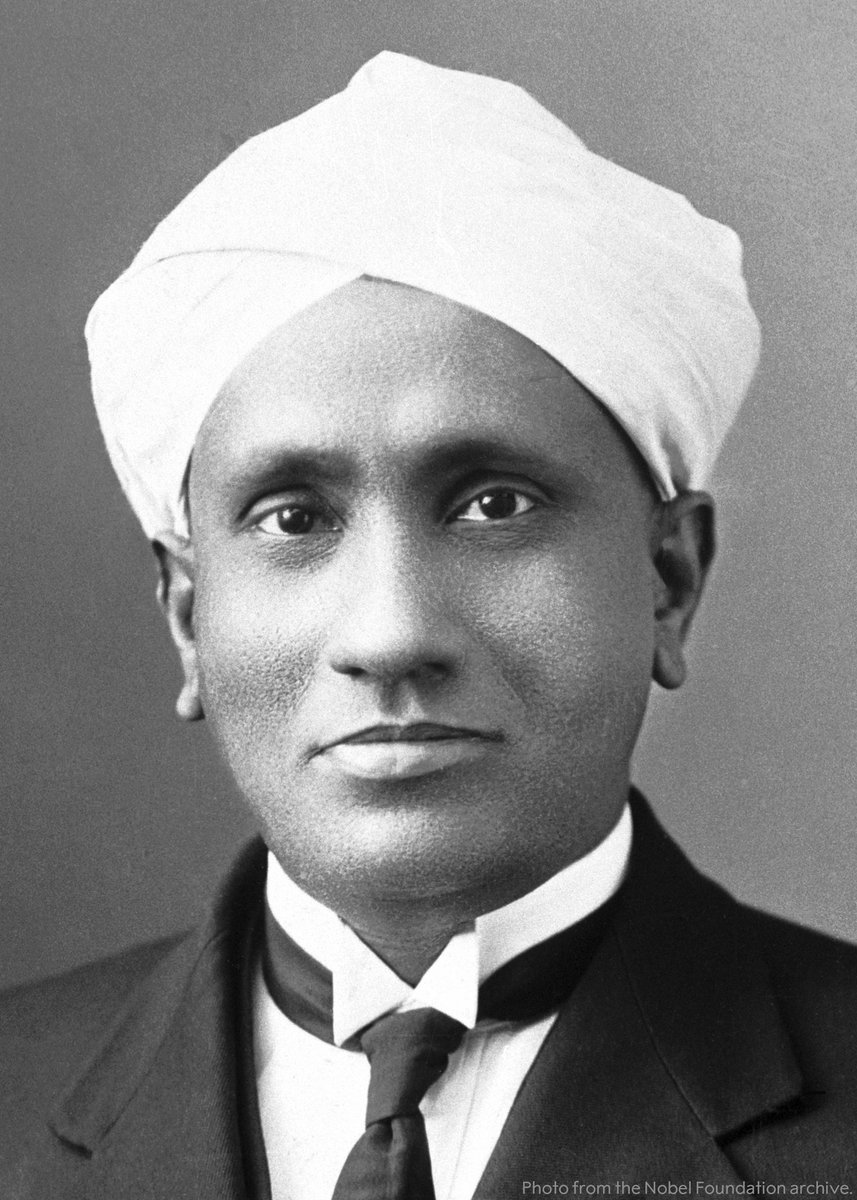
The Raman effect is the change in the wavelength of light that occurs when a light beam is deflected by molecules. It was named after Sir Chandrasekhara Venkata Raman who was born #OnThisDay, 7 November 1888. The Raman effect is used to analyse different types of material.
@editingemily Depends on what you want to cook. You can bump the complexity of a recipe or keep it simple. In fact, daily staples are "relatively" easy to cook. Rice and daal (lentils), rotis and vegetable(s), a pairing of a chutney/pickle and some yogurt based salad to temper the spice.