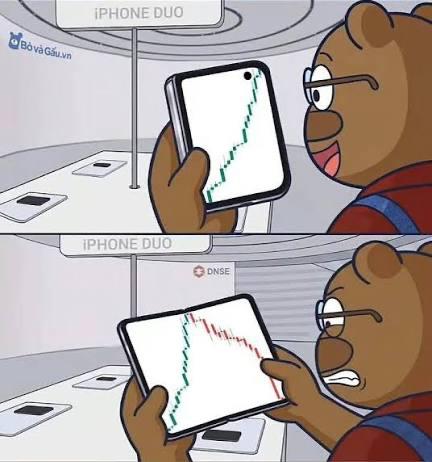
This all looks super bullish
Long-term we're in full ASI takeoff and by the time I'm 100 I expect computers the size of planets
The problem is that almost all AI token spend today is funded by VCs
The moment we have any sort of liquidity crisis I would expect a reversion to the mean
The question is when. My bet is right about now
Zooming out, GPUs are still renting ahead of a standard 6-year depreciation schedule
Rental price vs. schedule:
- H200: +143%
- B200: +111%
- RTX PRO 6000: +73%
- H100: +54%
- A100: +9%
Most of the gap opened up after April, when token demand took off
Charts of the Week: https://t.co/KJWFSaIGCd
@cf_ldj Interesting. For what it's worth, I switched to the unified plan that connects all of @spacexai 's services together for $200 instead of $300. I'm paying less and don't feel context pressure anymore, and think this change has something to do with it.
The most 🔥 workflow for coding today is to have Grok Bot orchestrate Claude and Codex.
The only issue was that this would destroy my Grok heavy token limit in 1-2 days. But something changed with Grok token limits and context lately that makes it feel impossible to hit the weekly limit, so now I'm using this workflow daily.
Why I love it:
- Grok Bot has a bias for showing work visually, which makes it easy to cognitively juggle many workstreams.
- I don't think linearly and often want to throw a lot of stuff at my agents. This makes it easy to send disparate tasks an have the Grok orchestrator figure out how best to slot it in.
- Long-running tasks, even with loops and goals, fail for a variety of reasons. My orchestrator notices this and keeps things running without any extra tooling investment.
- No need to juggle remote control on claude or codex, it's ready to instruct on any of my devices.
Just instruct your Grok to use an orchestrator pattern, and tell it when to use Codex and Claude 🚀
If you are thinking linearly, then yes. If you are thinking in other ways, the shape of the UI should fit that.
Ex) brainstorming should feel more like a digital whiteboard that can show non-obvious directions and break out into multiple directions. Agents work alongside the user.
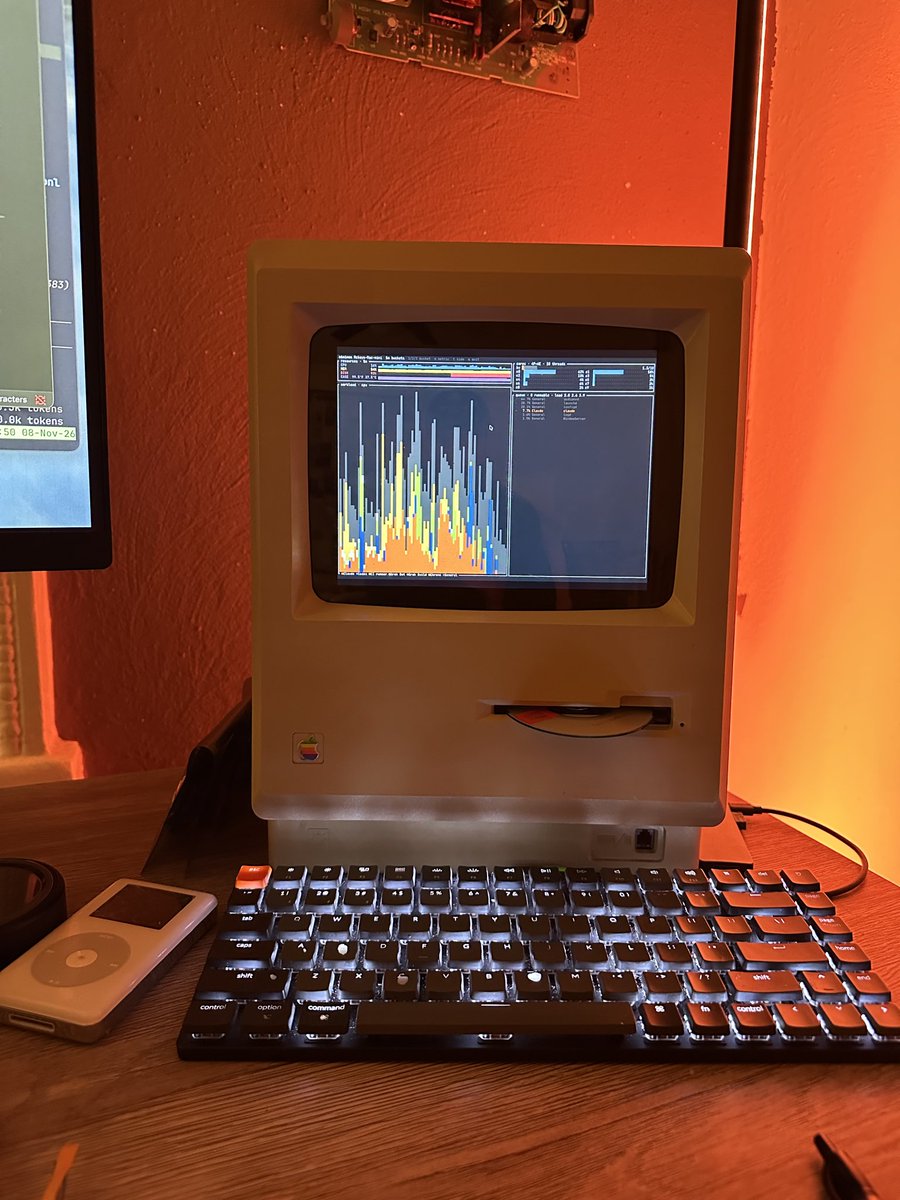
@SuiGeneris24601@SpaceX@Starlink I can already listen to the sports game on the radio! Building a vacuum tube to launch electrons in my CRT television is a huge waste. No thank you I'll stick to my radio
The biggest thing after 1 week that will get me to churn is the inefficient use of context, no window into how it works, and no way to reset it per bot.
I love the experience, I hate how much it costs. I’ve used 90% of heavy in 3 days and I’ve been using Claude and Codex for most implementation.
“Pace the frontier” as most people understand it probably won’t happen. What it practically means is that the society is pressuring AI companies to prioritize alignment instead of raw power. This means more compute is being diverted from intelligence to alignment. This is good and I expect to see big improvements in alignment over the next year. But incentives drive almost everything in our world, and everything points to accelerated AI advances.
@ezraklein released an essay 2 days ago where he advocates not for pacing but for "controlling the frontier." He quotes Madeline Miller's book Circe, after a tragic prophecy has been fulfilled despite every effort to avoid it, "It was their favorite bitter joke: those who fight against prophecy only draw it more tightly around their throats."
But that's the irony. If we regulate in a way that is sufficient to stop RSI and “control the frontier” like Ezra says, then we centralize AI in a way that will lead to a single point of failure. Eventually this single point of failure goes rogue and we get Skynet. But if we enact regulation that prioritizes safety and fair competition, an equilibrium forms around truth and alignment. If an AI swarm goes rogue, which will happen all the time in the future, we will simply have other swarms that detect and stop it.
Because it's not a 10,000 count agent swarm from Open AI we should be worried about, it's a quadrillion agents controlled by a centralized entity, where all compute and information and robotics are aligned with a single directive. Hopefully it's aligned with humans, but it's simply a matter of time until it's not.
Decentralized AI is the only way.
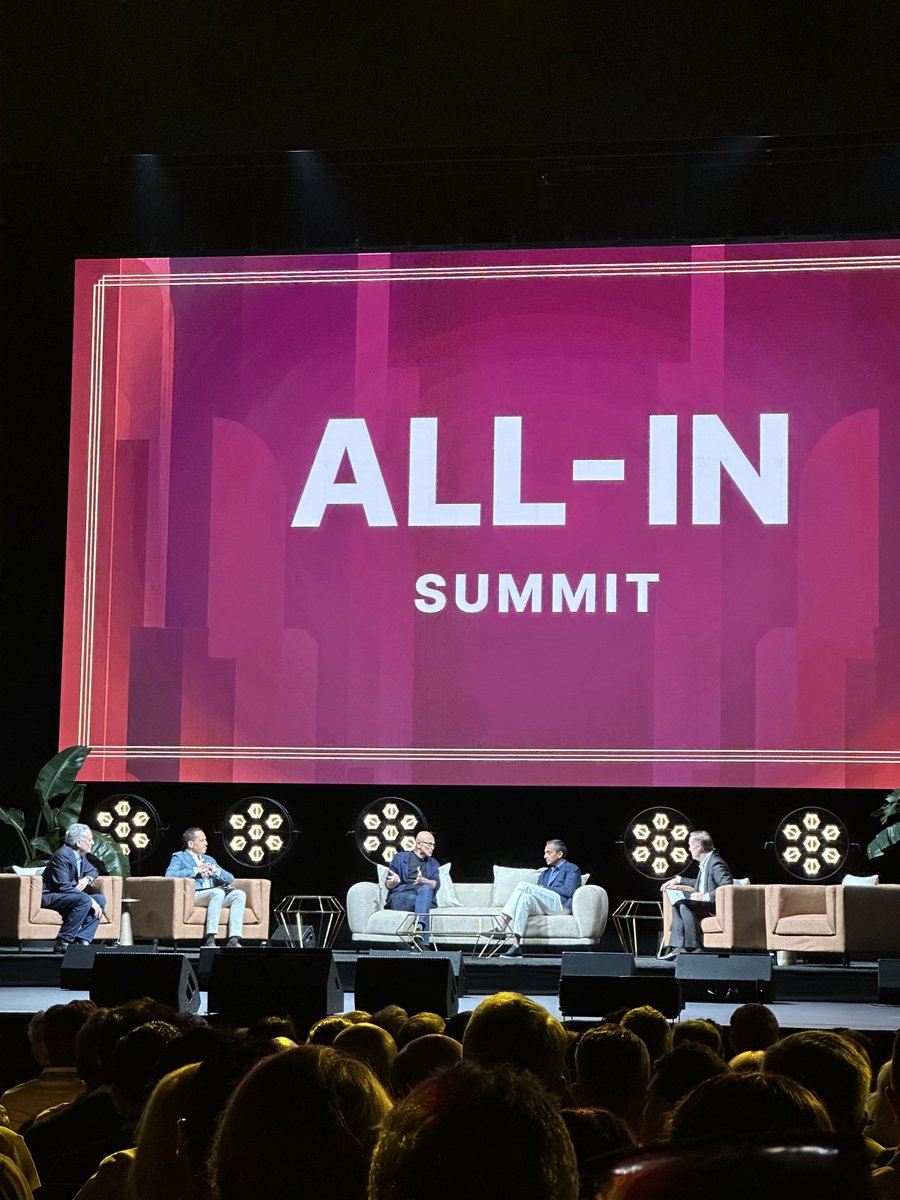
At the #allinsummit@satyanadella on stage said in order to have AI we can trust, we need to see the COT (chain of thought).
My take is that the closed-sourced AI companies obfuscate this in order to protect their reasoning from distillation.
Their incentive is to hide it which means we can’t verify it.
Open source doesn’t have these incentives and is therefore much safer than closed source.