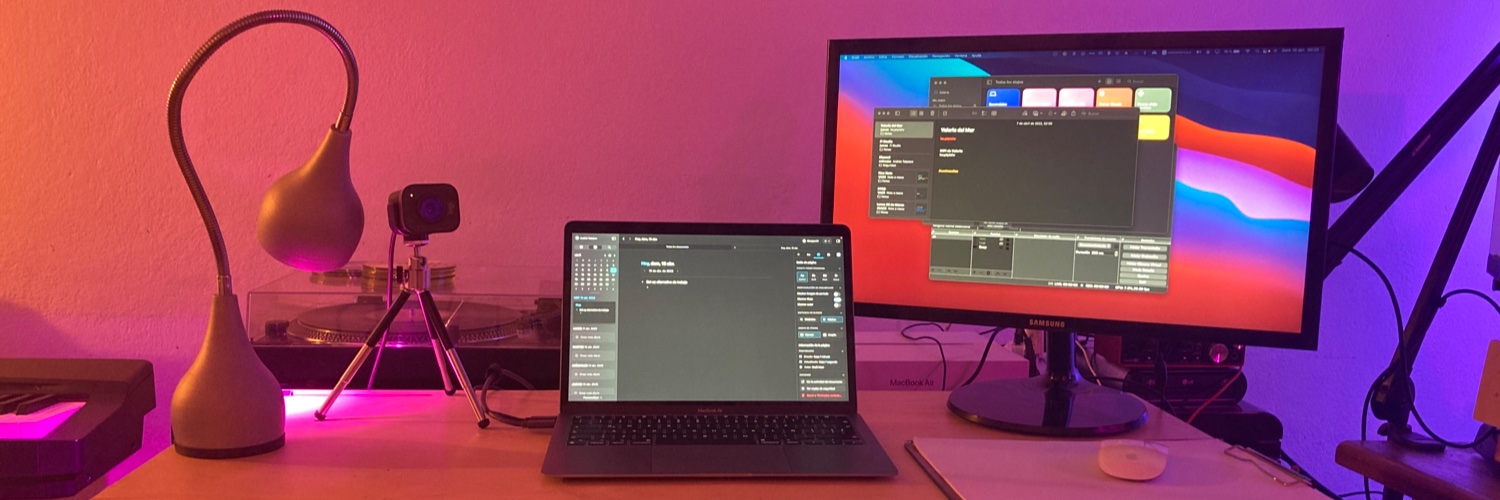
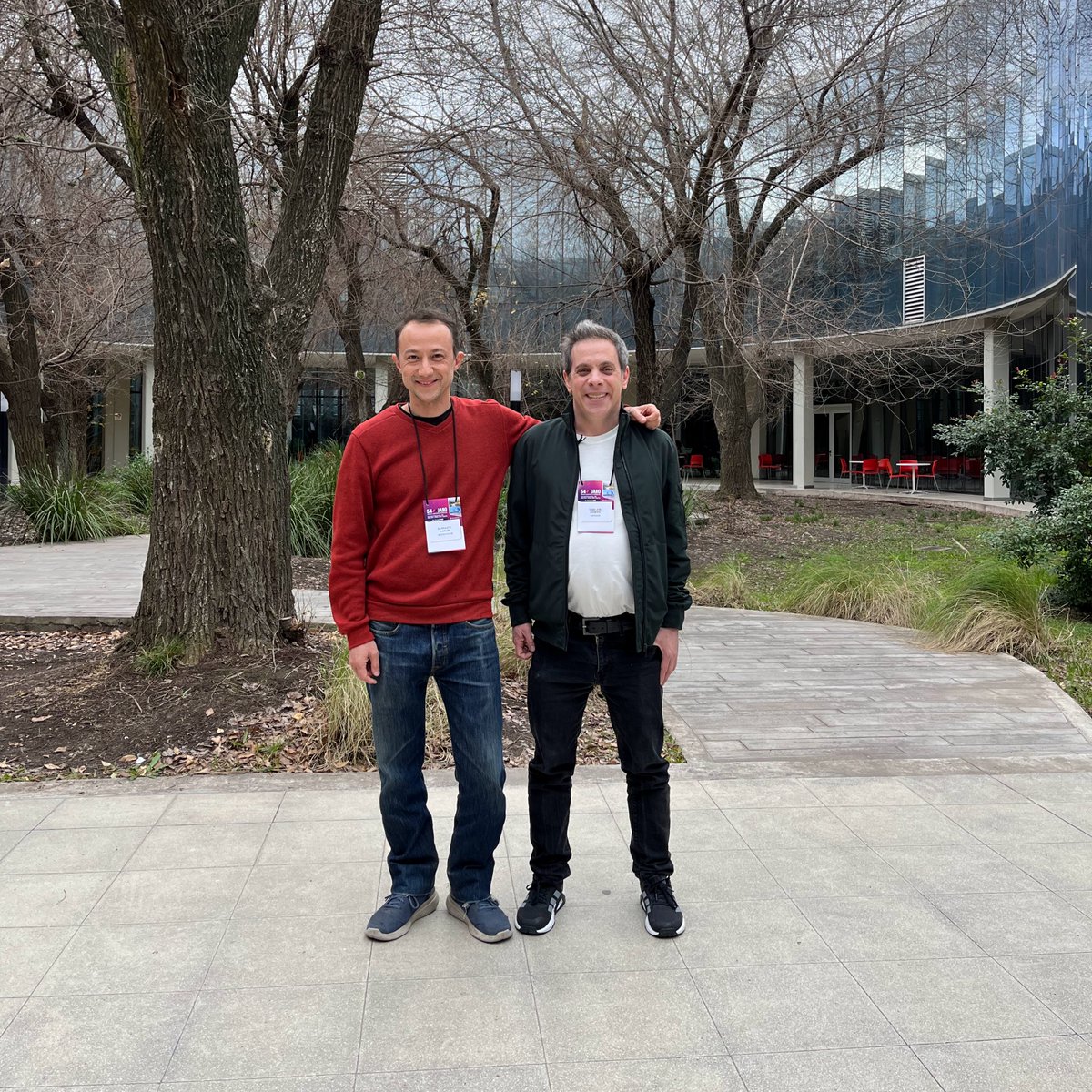
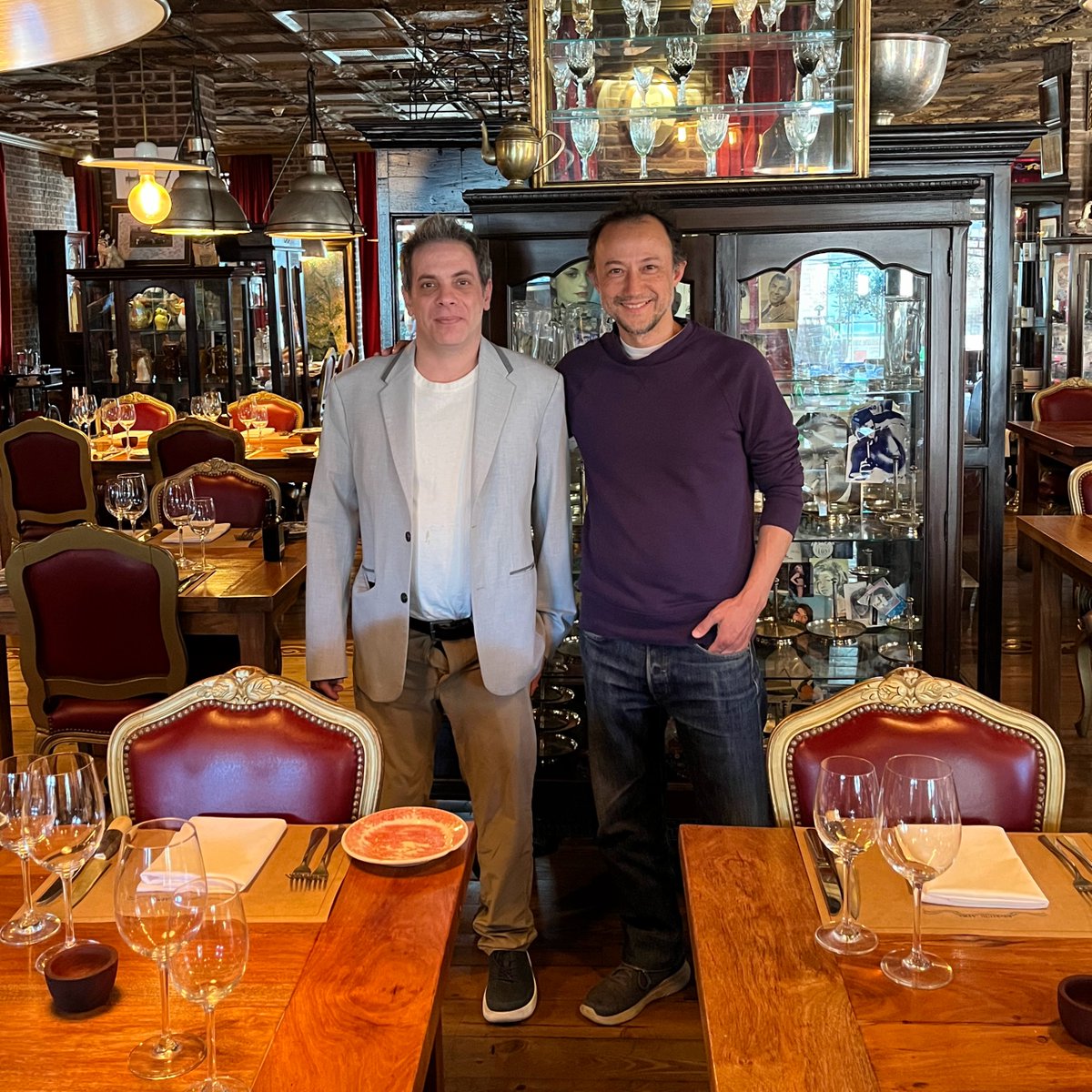
La integración de IA en entornos reflexivos como VAST permite que los asistentes "entiendan" objetos en runtime. Un salto del código estático al vivo.
#Smalltalk#AI#VAST
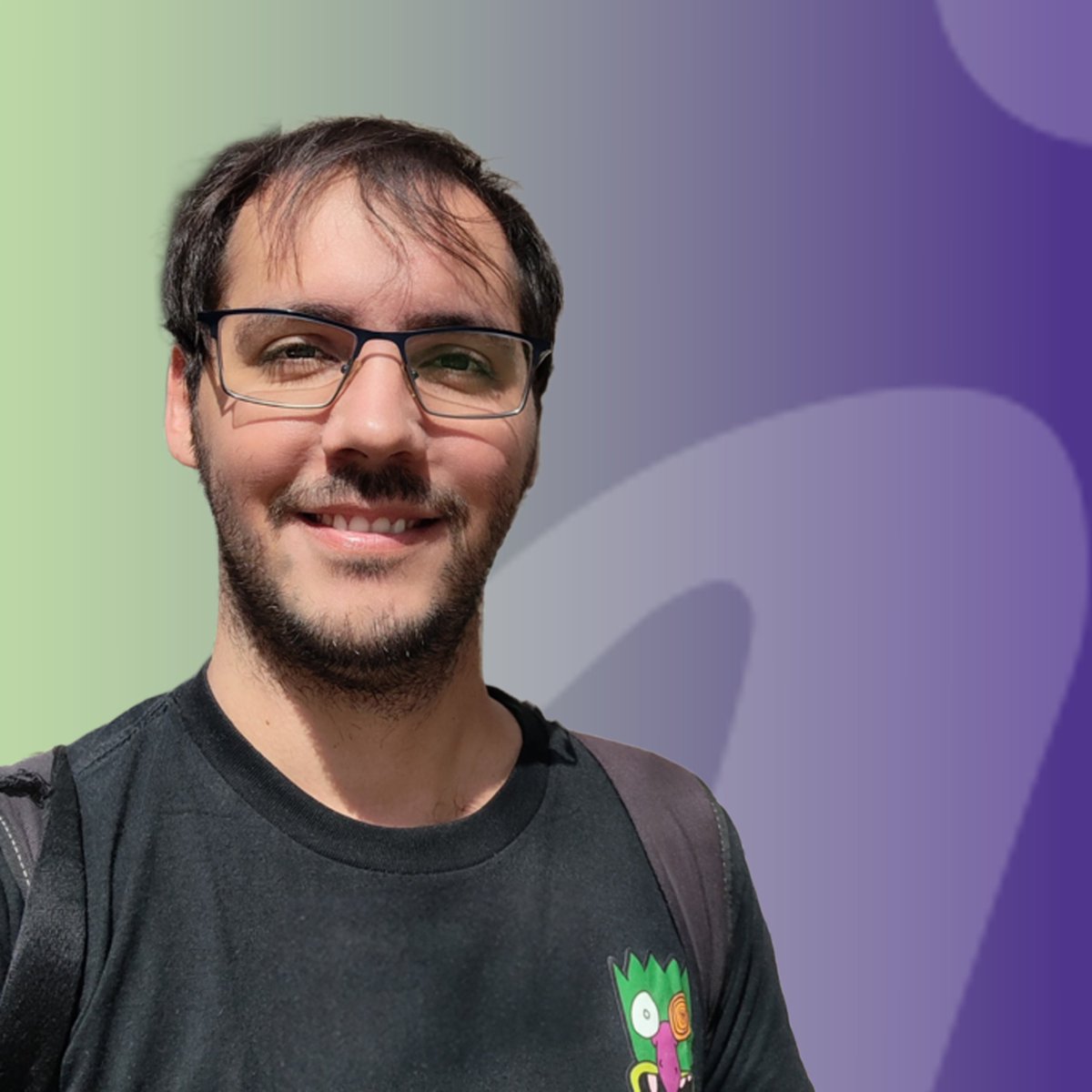
🌟 Happy to introduce Carlos Greg Diuk, part of our Scientific & Industry Advisors team at Disruptive Research Institute.
@CarlosDiuk is a researcher in the Computational Social Science team at Meta, where his work integrates data science, machine learning, and social sciences to better understand the relationship between society and the use of social networks. His recent research focuses on digital well-being.
He studied Computer Science at @Exactas_UBA, and completed his PhD in Reinforcement Learning at @RutgersU. Before joining Meta, he worked as a researcher in neuroscience at @Princeton.
🔬 Together with our advisory team, Greg brings a unique interdisciplinary perspective at the intersection of AI and social sciences, strengthening our mission of bridging research and real-world impact.
#DisruptiveResearch #ComputationalSocialScience #AppliedResearch
🌟 It’s a pleasure to introduce Carlos Greg Diuk, part of our Scientific & Industry Advisors team at @DisruptiveRI.
@CarlosDiuk is a researcher in the Computational Social Science team at Meta, where his work integrates data science, machine learning, and social sciences to better understand the relationship between society and the use of social networks. His recent research focuses on digital well-being.
He studied Computer Science at @Exactas_UBA, and completed his PhD in Reinforcement Learning at @RutgersU. Before joining Meta, he worked as a researcher in neuroscience at @Princeton.
🔬 Together with our advisory team, Greg brings a unique interdisciplinary perspective at the intersection of AI and social sciences, strengthening our mission of bridging research and real-world impact.
#DisruptiveResearch #ComputationalSocialScience #AppliedResearch
⏳ Deadline extendido para ASAID 2026!
📢 Nueva fecha límite: 17 de abril de 2026.
Se extendió el plazo para el envío de trabajos al @Simposio_ASAID, con el objetivo de facilitar la participación de más investigadores y equipos.
En el marco de #55JAIIO, el Simposio ASAID reúne a la comunidad científica y tecnológica que trabaja en Inteligencia Artificial y Ciencia de Datos en Argentina.
Se invita a presentar trabajos en áreas como:
🔹 aprendizaje automático
🔹 ciencia de datos y big data
🔹 procesamiento del lenguaje natural
🔹 visión por computadora
🔹 sistemas inteligentes y agentes
🔹 aplicaciones de IA en salud, educación, ciudades inteligentes, ciberseguridad y más
Tengo el placer de ser chair del simposio junto con @CotikVivia91843 de @icc_uba_conicet y Florencia Pollo-Cattaneo de @frbautn.
👉 Link con más información en el thread.
Si conocen grupos de investigación o estudiantes que trabajen en IA o Ciencia de Datos, los invitamos a compartir esta convocatoria!
#ASAID #ASAID2026 #InteligenciaArtificial #CienciaDeDatos @JAIIO_oficial@SADIO_oficial
which is fundamentally about improving the design of code without changing its functionality, is ABSOLUTELY measurable.
Recent studies on code health have given us the data to prove that higher code quality directly results in fewer bugs and a faster time to fix those bugs.
2/7
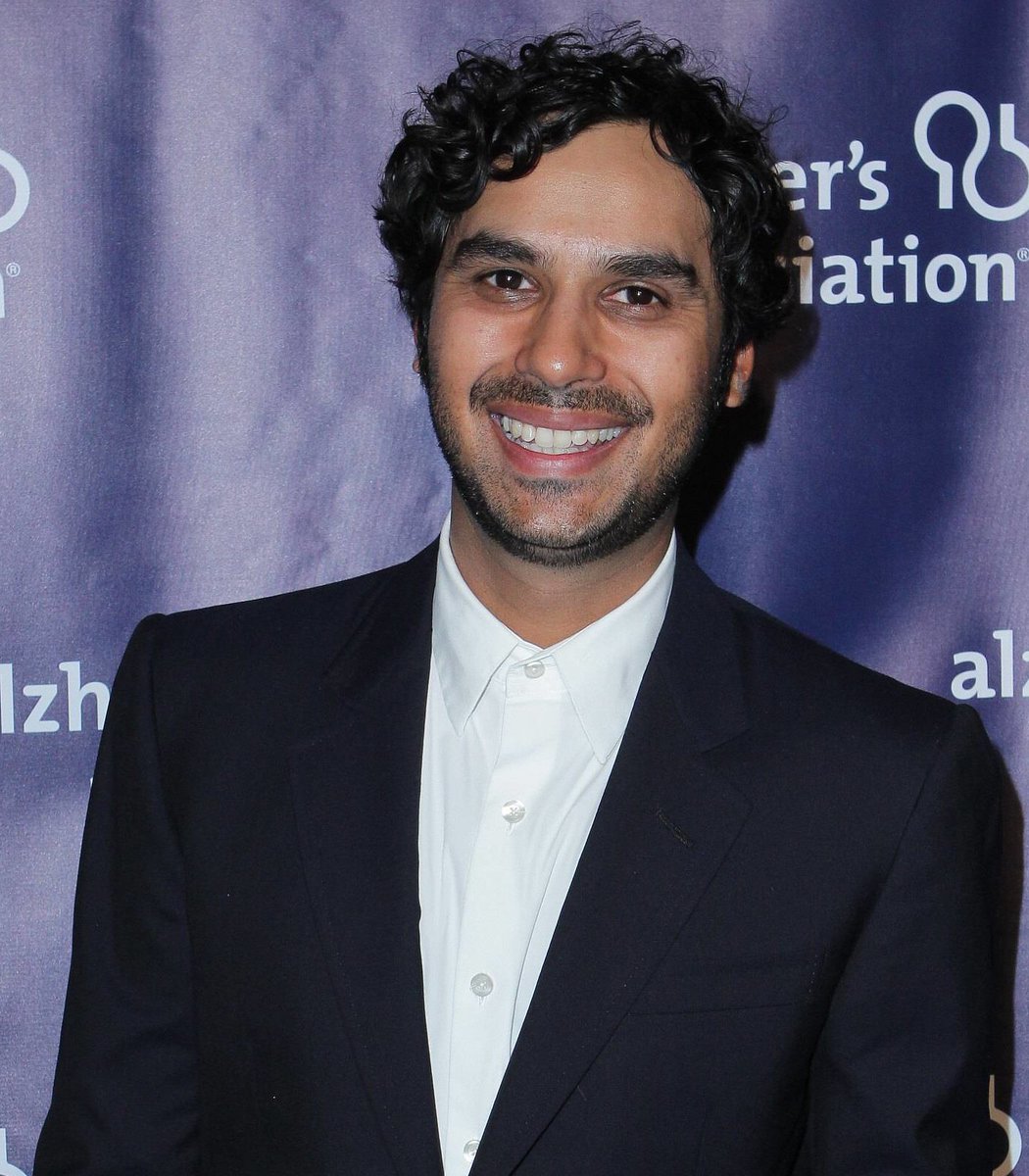
Big Bang Theory star Kunal Nayyar revealed he has been using his wealth to secretly pay people's medical bills.
He sits on his phone at night and looks through GoFundMe, giving donations to random families in complete anonymity.
🌟 We are pleased to introduce @D_E_Fernandez, part of our Scientific & Industry Advisors team at Disruptive Research Institute.
Daniel is a technology leader and entrepreneur with a strong track record in data privacy, blockchain, and scalable engineering. He currently works at BigID as Senior Director of Engineering, leading multiple privacy applications. Previously, he co-founded and served as CTO at illow, a Google-certified Consent Management Platform, which was acquired by BigID after scaling to support over 10,000 companies across 68 countries.
Beyond his executive leadership, Daniel is an active contributor to the technical community, having co-authored five research papers and developed protocols for secure data exchange and gas-efficient micropayments. His experience spans leading multi-company engineering teams, navigating complex blockchain security audits, and driving innovation. He combines high-level strategic growth with a solid academic foundation in Software Engineering from the University of Buenos Aires.
🔬 Together with @AndresTobelem, @Viio_J and @MOskarsdottir, Daniel strengthens our mission to bridge rigorous research with real-world impact across industry and the public sector.
#DisruptiveResearch #DataPrivacy #Blockchain #AppliedResearch
🌟 It’s a great pleasure to introduce Daniel Fernandez, part of our Scientific & Industry Advisors team at @DisruptiveRI.
Daniel is a technology leader and entrepreneur with a strong track record in data privacy, blockchain, and scalable engineering. He currently works at BigID as Senior Director of Engineering, leading multiple privacy applications. Previously, he co-founded and served as CTO at illow, a Google-certified Consent Management Platform, which was acquired by BigID after scaling to support over 10,000 companies across 68 countries.
Beyond his executive leadership, Daniel is an active contributor to the technical community, having co-authored five research papers and developed protocols for secure data exchange and gas-efficient micropayments. His experience spans leading multi-company engineering teams, navigating complex blockchain security audits, and driving innovation. He combines high-level strategic growth with a solid academic foundation in Software Engineering from the University of Buenos Aires.
🔬 Together with @AndresTobelem, @Viio_J and @MOskarsdottir, Daniel strengthens our mission to bridge rigorous research with real-world impact across industry and the public sector.
#DisruptiveResearch #DataPrivacy #Blockchain #AppliedResearch
La comunidad de Objetos y #Smalltalk en Argentina despide a uno de sus grandes mentores y difusores, Máximo Prieto.
Su legado vive en cada uno de nosotros, en cada clase de decisión de diseño que tomamos y en cada envío de mensaje que programamos.
#legado#Maximoprieto
🌟 Advisor spotlight — Disruptive Research Institute
I’m happy to introduce @AndresTobelem, part of our Scientific & Industry Advisors team at @DisruptiveRI.
Andres studied Computer Science and Philosophy at the University of Buenos Aires and brings over 27 years of experience in the software industry. He has worked on projects such as the Interactive Map of the City of Buenos Aires and PuenteNet, contributing to initiatives that combine technology, data, and public service.
Over the past decade, he has specialized as a Data Engineer, working at companies such as Grandata, Wildlife Studios, and RapidSOS, where he focuses on building data infrastructures and analytical systems to support data-driven decision-making. His work is driven by a strong interest in the intersection of technology, data science, and human and social challenges, integrating his technical and philosophical background into his daily work.
🔬 In the coming days, I’ll be introducing more members of our advisor team — a group that brings together deep expertise from academia and industry to help us bridge research and real-world impact.
#DataEngineering #DataScience #NetworkScience #DisruptiveResearch
🚀 I’m happy to present the Disruptive Research Institute! @DisruptiveRI
A new research initiative providing end-to-end solutions in Network and Data Science for private companies and public organisations — bridging academic research and real-world impact.
We are supported by an outstanding team of Scientific and Industry Advisors, bringing deep expertise from academia and industry. I will be presenting them over the coming days.
👉 Follow @DisruptiveRI to stay up to date with our latest work and projects.
#NetworkScience #DataScience #AppliedResearch #DisruptiveResearch
🎓 Cuarta clase del curso “Ciencia de Redes Humanas y Sociales” (en @ComputacionUBA - @Exactas_UBA)
Con @AndresTobelem, seguimos explorando cómo entender fenómenos sociales a través de grafos.
🕸️ En esta clase mostré cómo usar @Gephi para visualizar redes — con un ejemplo divertido: el grafo de relaciones entre los personajes de Game of Thrones 🐉
También presenté varias métricas de centralidad, fundamentales para analizar la estructura de las redes:
🔹 Grado de los nodos
🔹 Betweenness centrality
🔹 PageRank, inventado por Larry Page y Sergey Brin cuando eran estudiantes en @Stanford
🔹 k-core y k-shell
🔹 Collective Influence, desarrollado por Hernan Makse @kcore_analytics y Flaviano Morone (@CityCollegeNY)
📈 Además, contamos cómo aplicamos k-shell y Collective Influence para caracterizar la posición de los usuarios dentro del grafo de comunicaciones telefónicas — y cómo esa posición, junto con la edad, nos brinda información valiosa sobre su nivel socioeconómico.
🔗 En el hilo dejo el link al paper que publicamos en @NatureComms con Shaojun Luo, Flaviano Morone, @MTravizano y @kcore_analytics. Espero que les interese!
👉 ¿Qué otras redes o fenómenos les interesaría analizar con estas herramientas?
#CienciaDeRedes #NetworkScience #HumanDynamics
⭐ Nueva materia en la UBA: Ciencia de Redes Humanas y Sociales
A partir del 15 de octubre, junto con @AndresTobelem, vamos a estar dictando en @Exactas_UBA la materia optativa “Ciencia de Redes Humanas y Sociales”. Está dirigida a lxs alumnxs de las licenciaturas en Ciencias de Datos y @ComputacionUBA
🌐 ¿De qué se trata?
Las redes están en todas partes: Internet, redes sociales, llamadas telefónicas, economía y movilidad humana. En esta materia exploraremos cómo la ciencia de redes nos ayuda a entender y modelar estos sistemas complejos, conectando conceptos de la física, informática, ingeniería, economía y ciencias sociales.
Objetivos
Al finalizar, lxs estudiantes serán capaces de:
🔹 Modelar fenómenos sociales y económicos como grafos
🔹 Medir y analizar su estructura
🔹 Simular procesos de difusión y epidemias
🔹 Detectar comunidades en redes
🔹 Inferir atributos y comportamientos a partir de la estructura de red
Programa (8 semanas)
🔹 Introducción a sistemas complejos y redes
🔹 Fundamentos de teoría de grafos
🔹 Redes aleatorias y mundo pequeño
🔹 Redes libres de escala y grandes grafos
🔹 Comunidades y modularidad
🔹 Difusión e inferencia en redes
🔹 Redes socioeconómicas (crédito, fairness, desigualdad)
🔹 Movilidad y salud + presentaciones finales
🗓️ Cuándo: todos los miércoles de 17 a 21 hs, a partir del 15 de octubre
📍 Dónde: @Exactas_UBA
Muy entusiasmado de abrir este espacio junto a @AndresTobelem para conectar investigación, aplicaciones reales e industria.
🚀 Estoy feliz de contarles que vamos a dar un curso con mi gran amigo @AndresTobelem 🎉
📚 El curso se llama “Ciencia de Redes Humanas y Sociales” y es una materia optativa para la Licenciatura en Ciencias de Datos y la Licenciatura en @ComputacionUBA de @Exactas_UBA
🗓️ Empieza el 15 de octubre y dura 8 semanas.
En el curso vamos a explorar cómo las redes aparecen en la ciencia, la tecnología y la vida cotidiana: desde internet y redes sociales hasta movilidad, economía y salud.
Algunos de los temas que veremos:
🔹 Teoría de grafos y métricas de redes
🔹 Modelos de mundo pequeño y libres de escala
🔹 Comunidades y modularidad
🔹 Difusión de información y epidemias
🔹 Redes socioeconómicas, movilidad y salud
💡 El objetivo es que lxs estudiantes adquieran herramientas para modelar fenómenos como grafos, analizar su estructura, simular procesos de difusión y detectar comunidades.
Muchas gracias Ricardo Oscar Rodriguez del @icc_uba_conicet y @Pablic2003 de la @UBAonline por la invitación a sumarnos como profesores invitados!
Esperamos que les interese y se sumen a esta propuesta de aprender sobre la ciencia de redes!
#UBA #CienciasDeDatos #Computación #Redes #Grafos #NetworkScience
💬 Me encantó la charla plenaria de @AnaMaguitman (de @UNSDCIC@icic_conicet) en el marco de @jaiio_oficial organizadas por @Sadio_Oficial, @ComputacionUBA y el @icc_uba_conicet
“Lenguaje y argumentos: La IA que da voz a todas las posturas”
Ana comenzó con referencias al clásico paper de Alan Turing, “Computing Machinery and Intelligence” (1950), donde se plantea el hoy conocido Test de Turing:
"Una computadora merecería ser llamada inteligente si pudiera engañar a un ser humano al imitar con éxito una conversación mediante lenguaje natural."
También retomó otra idea visionaria de ese trabajo:
“Lo que queremos es una máquina que pueda aprender de la experiencia.”
🧠 Explicó qué es el aprendizaje automático auto-supervisado en los #LLMs (Large Language Models), y recorrió la evolución de los modelos de lenguaje:
🔹 Modelos de espacio vectorial (1950s)
🔹 Modelos estadísticos (1990s)
🔹 Word embeddings (2013)
🔹 Modelos contextuales y preentrenados, como los Transformers (2017)
🔹 Sistemas para la resolución de tareas de propósito general (2020s)
📖 Una de las ideas que más me gustó fue su analogía con la Alegoría de la caverna de Platón:
“Un LLM es como un observador en la caverna de Platón que, al analizar las sombras del lenguaje, reconstruye los patrones invisibles de las ideas que las proyectan.”
🤖 Finalmente, presentó su proyecto sobre inteligencia superhumana para el debate:
Un sistema multiagente que monitorea todas las posturas en un debate polarizado (mayoritarias y minoritarias), las organiza jerárquica y contextualmente, y genera argumentos que integran múltiples perspectivas para construir una visión más completa del problema.
Una charla brillante, que conectó historia, filosofía e inteligencia artificial de forma clara y profunda.
#ASAID2025 #54JAIIO #IA #CienciaDeDatos
🤖 Simposio Cientifico de Inteligencia Artificial y Aplicaciones 🤖
Abiertas las pre-inscripciones al SCIAA-@UdeSA
Fecha limite de inscripcion y poster-abstracts: 8 Agosto.
+ info -> https://t.co/mIZFg1r1zI