"Find a way for people to keep hold of their loved ones.” The brilliant @samuelljackson speaks about the devastating impact dementia has had on his own family and why he’s supporting our #ShareTheOrange campaign to change the conversation about dementia - https://t.co/VUyc606Yhs
Over 1,500 people have now signed our open letter to the PM asking for stronger workplace protections for unpaid carers. Thank you to everyone who’s signed and shared so far!
Add your name and help us secure a new right to paid Carer’s Leave a year: https://t.co/3cLFKjvwek
Admiral Nurses @HildaHayo and @viclyons discuss how friends and family might react after hearing about a #dementia diagnosis. 💙
Does anything they share resonate with you? Let us know in the comments.
Watch the full conversation here: https://t.co/9ddjnt0OOe
A diagnosis of young onset dementia can turn life upside down, bringing challenges that are often very different from those experienced by older people.
Join Dementia Community for their regular, free, one hour webinars. In December the topic is: ‘Making the most of life after a young onset diagnosis’.
You can book your place here: https://t.co/um8WqnnLgd
Could virtual reality help us understand what it’s like to live with dementia?
For people living with dementia, everyday activities like shopping can become challenging.
Busy environments, communication difficulties and sensory changes can all make retail settings stressful and hard to navigate.
That’s why researchers have developed a virtual reality training tool that lets users step into the shoes of a person living with dementia as they navigate a supermarket.
The aim is to help retail workers and members of the public better understand the challenges people with dementia may experience - and explore whether this could help them feel more confident offering support.
The research has been shaped by people living with and affected by dementia, who helped refine the VR experience through focus groups and workshops.
The team is now evaluating the VR tool with retail workers and members of the public. Their work is still ongoing, but the findings could help us understand the role VR could play in dementia education and developing more dementia-friendly communities.
This research was co-funded by Alzheimer’s Society and @arc_nwc-funded researcher @ReadmanRose and colleagues at @LivUni, @OfficialUoM, and @KingsCollegeLon.
Three years, after sharing his dementia diagnosis publicly, Alastair Stewart is supporting our new Dementia Cares Together Appeal in partnership with @DailyMail
https://t.co/eQ7AqEb0sy
More than a third of dementia carers provide over 100 hours of care every week.
Nearly one in five say they have no control over their daily lives.
And almost one in five don’t spend any time at all doing things they value or enjoy.
Carers shouldn’t have to sacrifice their own wellbeing to get through each day. And the support available shouldn’t depend on where they live.
But currently, the impact of caring is a postcode lottery.
The latest Survey of Adult Carers in England shows that in areas where carers report a better quality of life, more carers are also satisfied with the support they receive, feel involved in discussions about care and find information and advice easier to access.
These findings underline just how vital it is that every family can access the information and support they need, wherever they live.
That is why our Dementia Carers Together service will offer practical advice and opportunities for carers to connect, share experiences and learn from others, both online and in person,
Because every dementia carer deserves to feel informed, involved and supported.
Read the full story here: https://t.co/fH3QGNZils
‘From what I experienced, the emotional toll [of dementia] is a burden that is unbearable. The weight is unbearable - it gets too big.
Prime Minister Andy Burnham has backed our Dementia Carers Together Appeal with the Daily Mail after revealing how his mother was left “sinking” under the strain of caring for his father, Roy, who had Alzheimer’s disease.
‘I saw it directly - I saw my mum sinking under the size of that weight.‘
‘There was a tendency to focus on the person with dementia and miss some of what was going on around, and particularly the impact of carrying that daily burden on my mum.’
‘We as a family, we had basically worked on the principle for many years that we wouldn’t want to see my dad going into care - that we would find a way [of keeping him at home].
‘And I think because of that feeling that we had - and because perhaps we were looking at my dad all the time, not necessarily looking at my mum - I think it took possibly too long to make that decision.’
Andy believes his family would have benefited from the practical advice and peer support the new Dementia Carers Together service will provide.
‘Often what happens to a family is that the diagnosis is confirmed, and in our case, you get paperwork, you get all kinds of stuff but none of it really helped.’
‘It was all delivered just via pamphlets and it would have helped to have had some more practical advice as to how things will progress and what you need to be ready for.’
‘From experience, just a little bit of help can make something feel bearable or doable that, without it, would all of a sudden just overwhelm somebody.'
‘I can absolutely see that the sessions would have been helpful.’
’The country is dependent upon people who are caring for partners, loved ones, unpaid and we’ve got to see them, recognise them, hear them when they say that I need more to make this sustainable.’
Could getting the shingles vaccine reduce your risk of dementia?
You might have spotted this question in the news or on social media recently - so here’s what we know so far.
There's growing evidence of a possible link between the shingles vaccine and a lower risk of dementia.
Studies across several countries, including England and Wales, have consistently observed a significantly lower risk of dementia among people who received the vaccine, as well as lower rates of cognitive decline.
However the evidence so far does not prove that the shingles vaccine reduces the risk of dementia.
We need further research, including clinical trials, to establish whether the vaccine really can reduce dementia risk and, if so, understand how.
Dementia is the UK’s biggest killer, and one in three people born today will develop it in their lifetime. Finding new ways to prevent or delay dementia is vital.
This research adds to growing interest in whether existing medicines and vaccines, including the shingles vaccine, could have wider benefits for brain health and dementia risk.
The shingles vaccine has been recommended for further clinical trials to find out more about whether it could prevent or treat dementia.
For now, people eligible for the vaccine should take it up when offered to protect themselves against shingles.
And anyone worried about dementia should speak to their GP as a first step.
Dementia doesn’t just affect the person living with it.
For families, it can mean adjusting to changes, finding new levels of patience and navigating difficult moments together.
As her dad’s dementia has progressed, Teri Hatcher has seen the impact it can have on the whole family.
She opens up about the challenges her mum has faced, the changes in her dad’s memory and independence, and learning to understand what someone living with dementia can and can’t do.
🏉 To kick off the 'Front Up to MND' campaign, founded by @LewisMoody7 and the @MNDoddie5 Foundation, at this weekend’s @EnglandRugby v @AllBlacks match #England players will wear boots customised by @JordanDawson22!
After the final whistle, every pair will be donated to help raise vital funds for groundbreaking #MND research and accelerate the search for a cure!
#MND #MoreNeedsDoing!
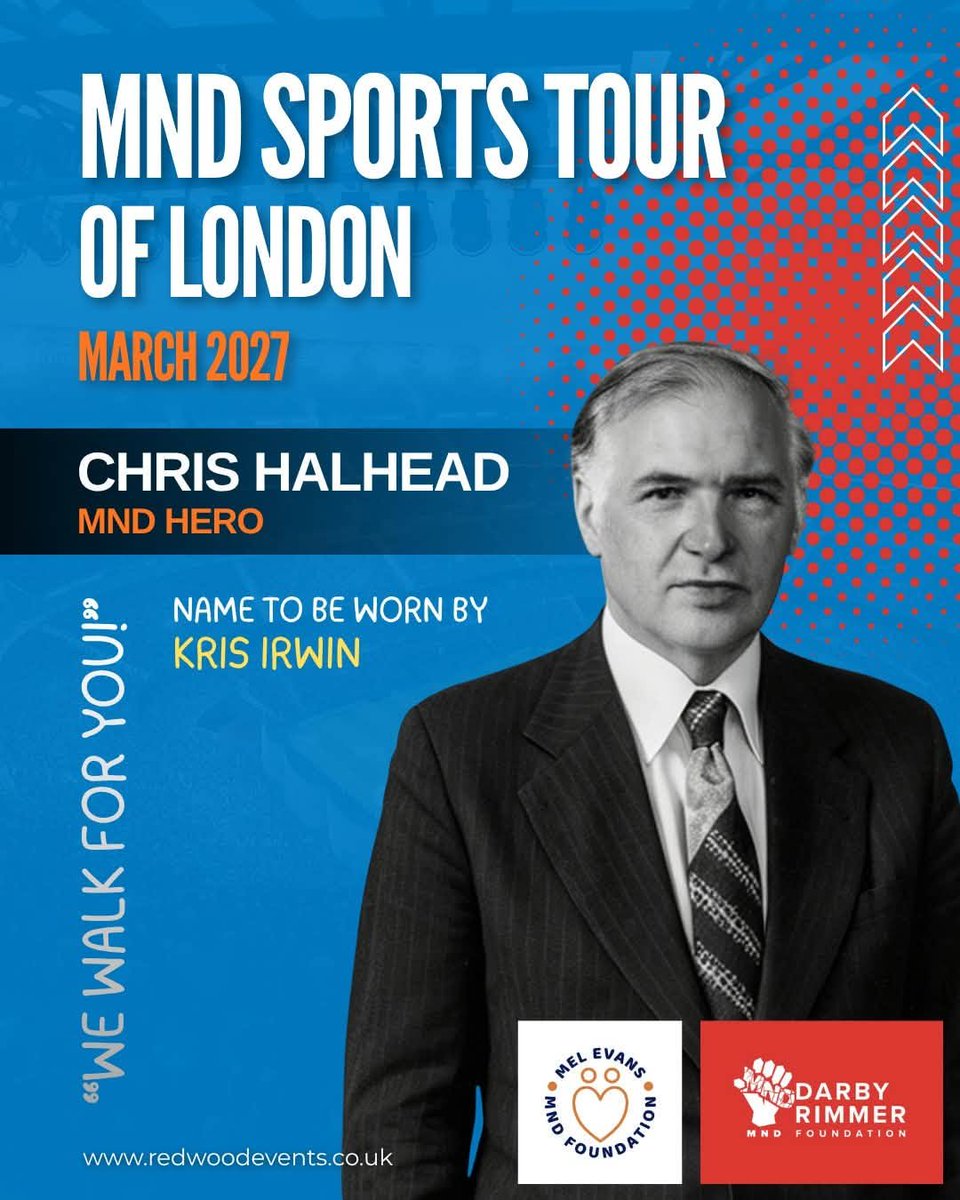
❤️ SO honoured, grateful, and proud to have our Dad's name featured on a shirt to be worn by one of the wonderful walkers taking part in next year's #MND Sports Tour of London, raising funds for the very worthy @DarbyRimmerMND Foundation and @LynnPritchatt's Mel Evans #MND Foundation.
It was made more poignant as it was announced on his heavenly birthday, 17 November.
A huge thank you to my amazing mate Mike @Redsmail!
#MND #MyNobleDad #MoreNeedsDoing!
#CarersRightsDay
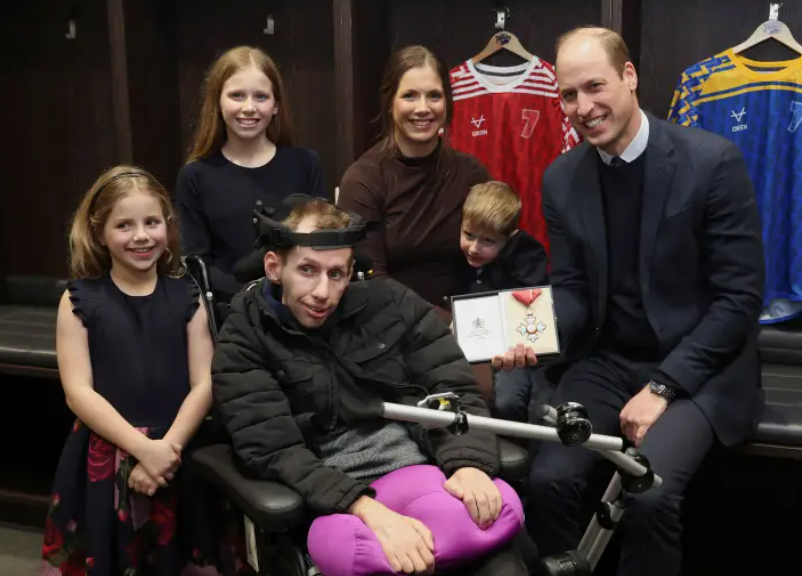
In the foreword of our #MND shero LINDSEY BURROW'S book 'Take Care', PRINCE WILLIAM thoughtfully wrote:
"Those caring for family members themselves shoulder unimaginable burdens. Their selflessness, kindness and compassion for others dramatically reduces pressure on our services, but the work they carry out is often behind closed doors and therefore sadly under-recognised."
Bless you for your compassion and deep understanding, @KensingtonRoyal.
#MND #MoreNeedsDoing
Thank you to everyone who supported #CarersRightsDay.
With 12,000 people becoming unpaid carers every day, we need to keep spreading the word about the support available.
Please share our resources with someone who might find them helpful: https://t.co/952uSJWeIg
This #InternationalMensDay, @AlStewartOBE shares five things that help him look after his mental health following his vascular #dementia diagnosis:
💙 Think of five good things
💙 Remember what you can still do
💙 Put on a favourite film or some music
💙 Spend time with animals, if you can
💙 Write things down
Do any of these resonate with you? Let us know in the comments. 👇
Tomorrow is #CarersRightsDay!
Could someone you know be missing out on support as an unpaid carer? Start a conversation to help them recognise their role and understand their rights.
Find out how to get involved: https://t.co/rnddLGd9zG
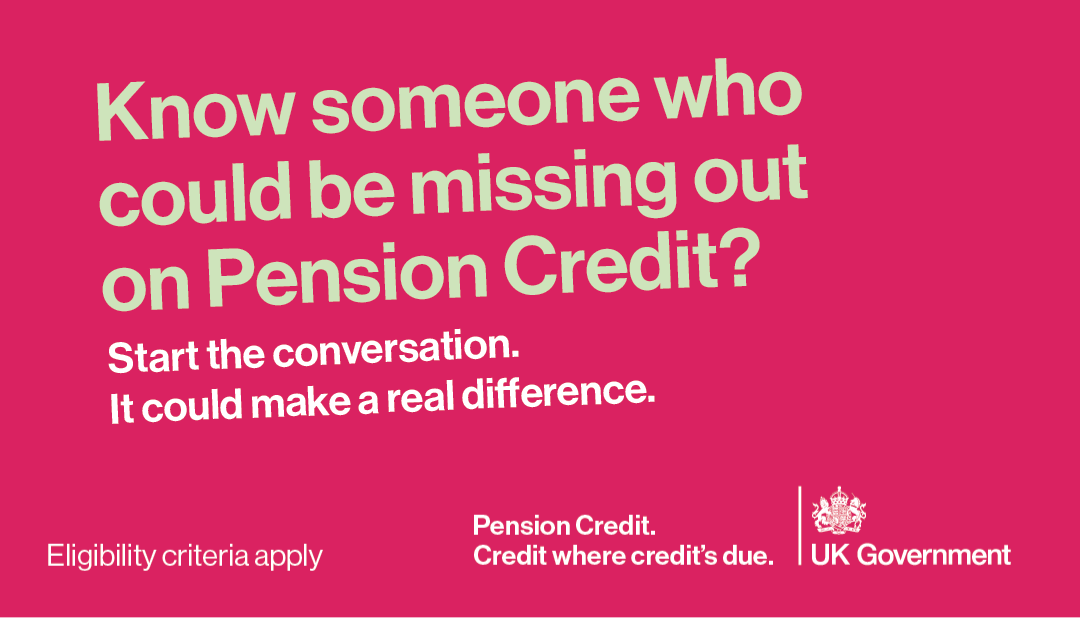
Did you know that even if you own your home, have savings, or are employed, you may still be eligible for Pension Credit?
And being an unpaid carer could increase the amount of Pension Credit you receive.
Check your eligibility today: https://t.co/skeWQmrAeu
Ahead of #CarersRightsDay, taking place tomorrow, Rachel shares how identifying as an unpaid carer gave her the confidence to speak up and keep seeking support.
Read her story in full: https://t.co/logRPAxOM8
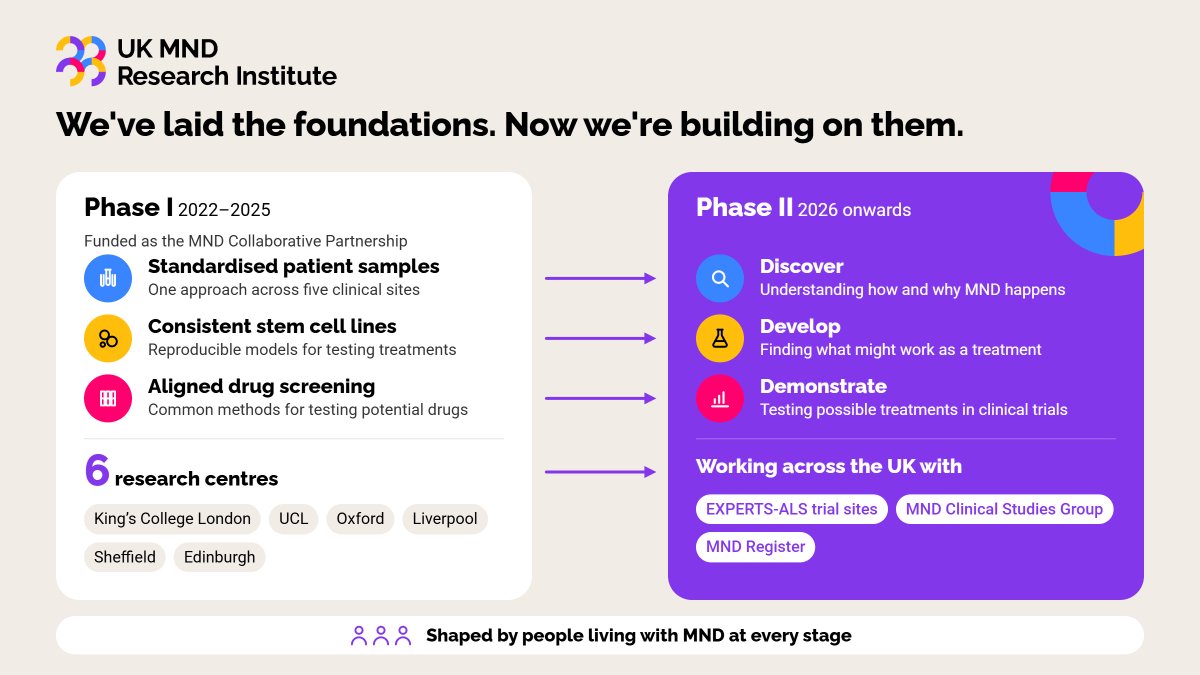
We’ve laid the foundations. Now we’re building on them.
Our first phase built shared sample collection, consistent lab models and aligned drug screening.
Now, we’ll put them to work to discover, develop and demonstrate effective treatments for #MND.
https://t.co/xg7jAIRyBF
"It's not unusual for people with dementia to have a fixation on something, such as food." 🍞
This #MalnutritionAwarenessWeek , Admiral Nurses Hilda and Vic discuss the link between #dementia and changing appetites.
Have you or a loved one experienced something similar? Let us know in the comments. #UKMAW2026