Priority guides are excellent alternatives to wireframes that keep the digital design process user-centered while also improving team engagement, collaboration, and design workflows.https://t.co/hgSI1wkDxg
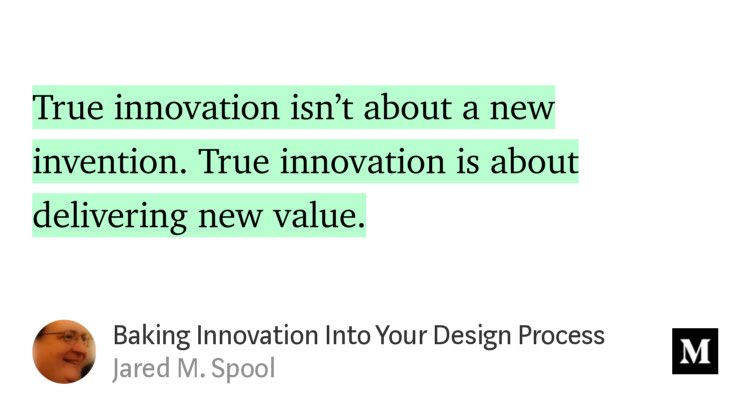
This should be tattooed on the forehead of every product strategist, manager and CEO - “Baking Innovation Into Your Design Process” by @jmspool https://t.co/GFqkpSbOpY
Calling junior-mid weight UXers in Brighton and surrounds. I'm starting a monthly meet-up for folks in the first few years of their UX career. It will be a safe space to ask silly questions, support each other and share and learn cool stuff, plus beers 🍻 PM me if interested 🙂
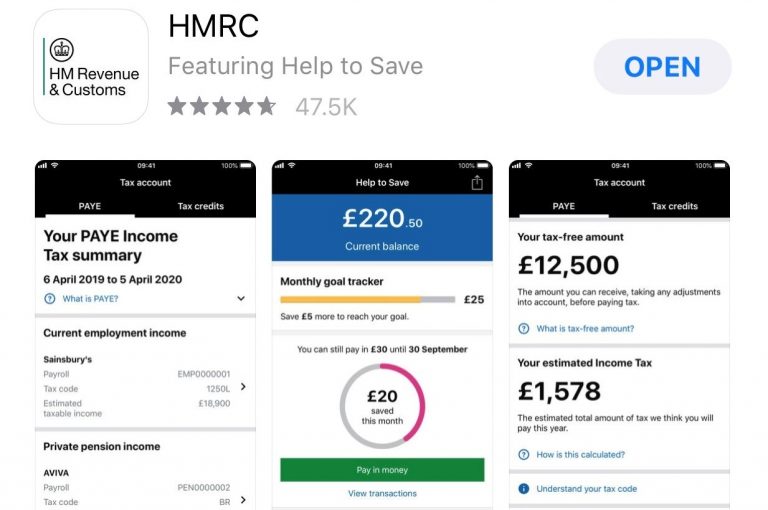
Great article about how a designer on the team I'm working with at HMRC is breaking new ground - Extending the https://t.co/47cPMNRrFv Design System for native mobile apps #gov#designsystem#mobileapps#gds https://t.co/lHC3VHWrvM
In a truly mission-driven org, people can easily explain at any point:
“today I am doing A (in the B way) because it accomplishes C for my current project D, which serves the greater project E with F, supporting the organization’s G initiative which serves our mission Z”
I’ve often thought about writing about the distortion of the term ‘UX’, but it would have come across as nothing but a whinge. This, however, from Max Taylor of @spotint is beautifully articulate: https://t.co/T9vKh3Ltwj
The good news is that Design makes businesses money. The bad news is that not everyone knows how to apply that to their business.
Is it possible to design revenue?
https://t.co/DsyiOrCYar
“Almost any seasoned designer we talk to tells us they’ve learned the most of what they use every day during the work experience.” — @jmspool https://t.co/y77ptgEzaO
In “When To Do a Design Sprint and When To Do Something Else,” @RMBanfield shares an infographic to explain when design sprints are useful.
Our students used this resource when learning how to choose the right tool during each stage of a project.
https://t.co/I42oGLbMYS
Peter Drucker, the ultimate management guru, argued managers should set aside an hour a day - yes, every day - to think.
Do you take an hour a day to think?
#BusyIsTheNewStupid
Another great UX Brighton yesterday. Nice one @yandle.
One of my favorite takeaways: "User research is about reducing risk" ...or interrogating risk ...So research your riskiest assumptions, not everything. https://t.co/YvbYyfUSK3