A similar scenario is playing out today with China, except the roles are reversed.
In (at least) one of his interviews, Palmer Luckey explains that we can build incredible high tech weapons, but China can still wreck carriers and bases by throwing thousands of cheaper missiles at them, even lower quality ones, because the numbers just overwhelm you and burn through your defenses fast.
The problem is that we don’t produce enough of our good tech, we build it way too slow, and it costs a fortune to replace, while they’re pumping missiles out of factories at a pace we gave up on years ago.
So all that fancy stuff only works if you can actually keep replacing it once the fight starts, and right now we can’t.
We need systems that are cheap enough to lose and easy to make in big numbers, because the side that runs out first loses.
**Jak to, že se bratřím Wrightovým podařilo to, co nikomu před nimi**
Jestli jste někdy přemýšleli, proč se bratřím Wrightovým podařilo něco, co se desítkám vynálezců před nimi nepovedlo, odpověď není v náhlém záblesku geniality ani ve štěstí. Je v dílně na opravu kol v Daytonu v Ohiu a v jejich rozhodnutí nechat se vést experimentem, ne dělat to co ostatní, protože se to tak vždycky dělalo.
Na podzim 1901 se Wilbur Wright vrátil z písečných dun u Kitty Hawk zklamaný. Nový kluzák, větší a podle všech dostupných výpočtů výkonnější, létal hůře než ten z předchozího roku. Místo dlouhých, stabilních letů se stroj opakovaně nořil nosem k zemi. Jednou ho zachránila jen přední výškovka — Wilbur přežil o vlásek.
Bratři věděli, že chyba není v jejich konstrukci. Byla v číslech, která zdědili.
Všechny tehdejší vzorce pro vztlak obsahovaly tři prvky: samotnou rovnici, tabulky německého průkopníka Otto Lilienthala a konstantu z 18. století zvanou Smeatonův koeficient — hodnotu 0,005. Tu používal každý inženýr na světě už přes sto padesát let, aniž by ji někdo pořádně ověřil.
Něco v tom řetězci selhávalo. Jenže co přesně?
Nejprve postavili podivný přístroj. Na řídítka bicyklu připevnili vodorovně volně otočné kolo. Na jeho obvod dali model křídla a naproti němu plochou desku. Když jeli na kole po ulicích Daytonu, vzduch tlačil na oba objekty různou silou. Kolo se otočilo do úhlu, kde se síly vyrovnaly. Podle Lilienthalových tabulek mělo skončit na určitém místě. Skončilo úplně jinde.
Převzatá data byla špatná.
Absolutní měření vztlaku bylo ale nemožné — vyžadovalo by přesnou znalost hustoty vzduchu, rychlosti a právě toho podezřelého koeficientu. Proto bratři vymysleli něco chytřejšího. V dílně postavili větrný tunel: dřevěnou bednu dlouhou asi 1,8 metru s ventilátorem na jednom konci. Uvnitř umístili citlivé měřicí zařízení sestavené z drátů od kol a pilových listů.
Měřili poměr — vztlak modelu křídla proti odporu ploché desky ve stejném proudu vzduchu. Všechny pochybné konstanty se navzájem vyrušily. Stupnice ukazovala čistý koeficient.
Pak přišla metoda. Vyrobili přes dvě stě modelů křídel z tenkých ocelových pásků. Pokaždé změnili jen jednu věc: prohnutí, poměr stran, tvar konců. Každá změna na stupnici měla přesně jednu příčinu. Vynalezli parametrické testování v dílně na kola.
V prosinci 1901 měli jasný verdikt. Překvapil je. Lilienthal měl většinou pravdu. Jeho tabulky obstály. Chyba byla hluboko pod nimi: Smeatonův koeficient byl špatný o celých padesát procent. Bratři ho opravili na 0,0033 — hodnota velmi blízká dnešní přijímané 0,00326.
Kluzák z roku 1902, navržený podle jejich vlastních čísel, létal přesně tak, jak měl. Sedm set klouzavých letů na podzim. Žádné nečekané propady, žádné dramatické zásahy výškovkou.
Všichni před nimi data bez přemýsleni data převzali. Oni je ověřili.
Letadlo se zrodilo v dřevěné bedně v roce 1901. Těch dvanáct sekund u Kitty Hawk v prosinci 1903 byla jen odměna za práci, kterou nikdo před nimi neudělal.
Příběh Wrightů není o tom, kdo první vzlétl. Je o tom, co se stane, když dva soustředění lidé odmítnou přijmout zděděná čísla jako pravdu a místo toho si postaví vlastní přístroje. V době složitých modelů a umělé inteligence zůstává jejich lekce stejně aktuální: i ta nejuznávanější data mohou obsahovat tichou, dlouho neodhalenou chybu. A někdy ji objeví jen ti, kteří si dají tu práci.
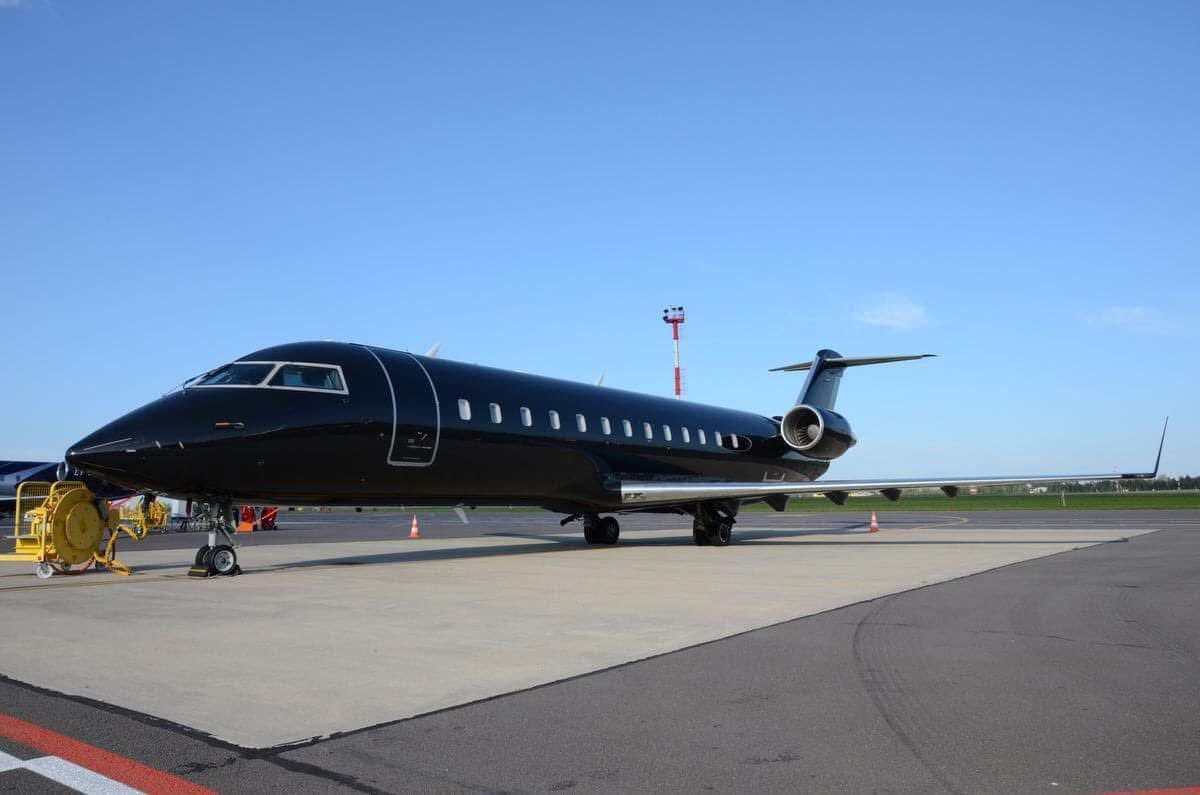
"A guy looked at my airplane the other day and said I wonder how many people I could have fed for the price of that airplane...
I replied I am not sure, it fed a lot of families at the Dassault factory where it was built. I’m sure it fed a bunch of families that rolled the aluminum at the Alcoa factory. It surely fed a lot of people at the Honeywell factory where the experts built the turbines. It fed a whole company for a few weeks when I had them build me a new interior. It feeds the families of the linemen that fuel it.
That’s the difference between capitalism and a welfare mentality. When you buy something, you put money in people's pockets, and give them dignity for their skills.
When you give someone something for nothing, you rob them of their dignity and self worth.
Capitalism is freely giving your money in exchange for something of value.
Socialism is taking your money against your will and shoving something down your throat that you never asked for."
A laser can burn spray paint off a brick wall while the brick underneath stays cool enough to touch. The trick is that every material has an ablation threshold, the energy level where it stops heating up and starts vaporizing.
Spray paint's threshold sits far below brick's. So the laser gets tuned to the gap between them: above what paint can survive, below what brick even notices. The paint absorbs the pulse and flashes into dust while the lighter substrate reflects most of the beam.
Pulse speed is the other half. Each burst lasts nanoseconds, which vaporizes the paint faster than heat can conduct into the wall behind it. The paint reaches destruction temperature. The brick never gets warm.
This also solves the failure mode that ruins chemical removal on brick: ghosting. Solvents turn paint into a liquid, and porous brick drinks liquid. You end up with a faint shadow of the tag soaked permanently into the pores. A laser turns paint into dust, and dust can't soak in.
Conservators use the same physics on medieval cathedrals. Sandblasting erodes historic masonry by up to 1.2mm per treatment. A tuned laser erodes it by zero.
The US spends an estimated $12 billion a year cleaning graffiti. Most of that money goes to methods that damage the thing they're cleaning.
Liam Neeson's wife died from a fall on a beginner ski slope. Most people don't realize the most dangerous thing you can feel after hitting your head is fine.
Natasha Richardson stood up laughing at Mont Tremblant in 2009 and sent the ambulance away. The paramedics turned around without ever seeing her. Four hours passed before a hospital admitted her, and by then the bleed was unsurvivable.
Doctors call it the lucid interval. Her fall fractured the skull near the middle meningeal artery, which began bleeding into the space between the skull and the brain's outer covering. The brain has no pain receptors. While the pooling blood stays under the volume your skull can compensate for, you feel nothing. You joke with the ski patrol. You decline the ride.
Then compensation runs out. The clot forces the brain downward toward the brain stem, the part that runs your breathing. Symptoms only appear once the pressure is already critical. For Richardson that was a headache back at her hotel, roughly two hours after the fall.
The cruelest detail: an epidural hematoma is one of the most fixable emergencies in neurosurgery. A surgeon drills into the skull, drains the clot, seals the artery. Caught inside the window, patients frequently walk out of the hospital days later. ER doctors have a name for the cases that aren't caught. Talk and die syndrome. Between 20 and 50% of epidural hematoma patients get a lucid interval first.
And the bleed is arterial, meaning it pumps at full blood pressure into a closed box, while the nearest neurosurgeon was 80 miles away in Montreal.
If you ever hit your head hard enough to see stars, feeling okay for the first few hours proves nothing. That's the exact stretch when the deadliest bleed in the book feels like a bump.
I mean: General Yevhen Khmara is a war hero, a career officer with immense experience, the commander of the SBU's Alpha Special Operations Center, which needs no introduction, a man of respect and reputation.
You know what... EXCELLENT!
Leave him where he is. He belongs at the head of a special service, where he can continue applying his vast experience in the brutal war against Russia and keep delivering results. Glory and great respect to the true Ukrainian hero.
But why, why, why are you pulling him out of his service, retire him from his military rank, and push him into the post of Minister of Defense in place of Fedorov -- when, by law and by the country's military development strategy, that position calls for:
- a strictly civilian administrator, manager, optimizer of processes and spending,
- organizer, provider of resources for the military, anti-corruption fighter, architect of policies and military procurement systems,
- analyst of statistical data, and someone who can drive the implementation of military AI, digitalization, and the technological modernization of the armed forces etc etc etc.
Just why??
To je pravda.
Přitom by stačilo zrušit regulace pozemků a stavebnictví, nechat si lidi postavit kde chtějí, co chtějí, a ten existující byt by zlevnil z 8 mega na 6 a člověk by si za půl mega mohl postavit na poli chatku se suchým záchodem. Je to hezký? Není. Dostane to všechny, kteří chtějí, na realitní žebřík? Ano.
At his prom, 15-year-old Egor Holodryha danced the graduation waltz alone.
His partner, his classmate Maria, was supposed to be there beside him. They had spent months rehearsing together, dreaming about this night.
But on May 14, Russia killed her in a missile strike on Kyiv. Maria died alongside her father and grandmother.
Egor refused to find another partner.
“It would have been a betrayal of Maria,” he said.
So while other couples danced together, he finished their dance alone.
This is what Russia steals. Not just lives, but futures, dreams, first dances, and memories that should have lasted a lifetime.
Photo by Oksana Parafeniuk for The New York Times.
@bscholl “We have a Congressionally-optimized supply chain which can’t win a war” is one of the most brutal statements about our politics I’ve read in a long time.
In Japan, due to the unbearable and sometimes dangerous heat during the summer, this kindergarten has installed a retractable roof so that the children can play in the shade.