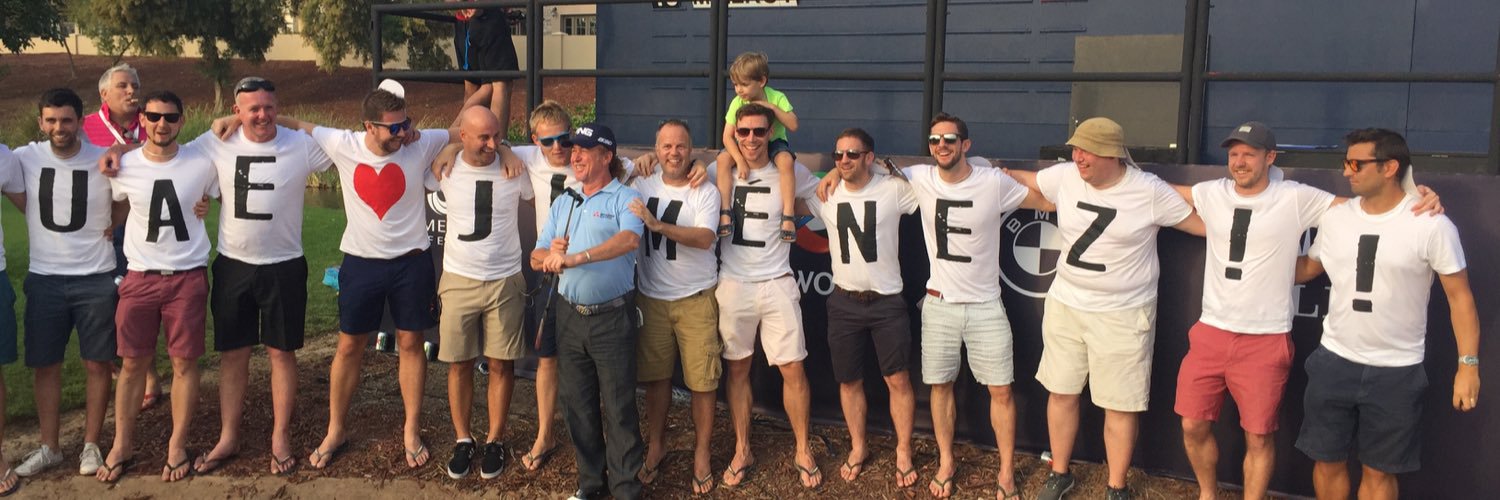
If you want to know what sort of person DAVID NIVEN (who left us 43yrs ago today, aged 73) was, the largest wreath at his funeral was from the Porters at Heathrow Airport.
It read:
“To the finest gentleman who ever walked through these halls. He made a Porter feel like a King.”
Nicklas Nilsson förklarar skillnaden mellan höger och vänstermänniskor i klockren text på Facebook:
"Om en högerpolitisk person är bög, så är han det, och bryr sig inte om vad andra tycker.
Om en vänster är bög, så kräver han lagändringar, protesterar mot allt och alla, och gör det till en politisk kamp.
Om en höger är vegan, så äter han helt enkelt inte kött.
Om en vänster är vegan, så vill han förbjuda kött, stoppa matproduktionen och protestera utanför bondgårdar och hönsfarmer.
Om en höger inte gillar vapen, så köper han inga.
Om en vänster inte gillar vapen, så försöker han förbjuda dem, hindra alla andra från att äga ett, och hatar dem som har.
Om en höger oroar sig för klimatet, så flyger han mindre, kör elbil om det passar honom och sorterar sitt avfall.
Om en vänster oroar sig för klimatet, så vill han förbjuda fossilbilar, flygresor och kött för alla andra, protestera utanför fabriker och kräva att staten tvingar fram förändringen.
Om en höger vill ge sina barn en bra skolgång, så flyttar han till ett område med bra skolor, eller väljer en privatskola eller engagerar sig själv.
Om en vänster vill ge sina barn en bra skolgång, så kräver han mer skattepengar från alla, lika resultat för alla, förbud mot friskolor och protesterar mot varje skillnad.
Om en höger klagar på sitt jobb eller arbetsplats.. det gör han det inte. Han byter jobb eller startar ett eget företag.
Om en vänster klagar på sitt jobb – så är det chefen, företaget eller kollegorna det är fel på. Han kräver kollektivavtal, strejk, förändringar för hela orten och protesterar mot företaget så att det ska passa honom.
Om en höger är missnöjd med sin bostad eller hyra, så flyttar han, renoverar eller köper något annat.
Om en vänster är missnöjd med sin bostad eller hyra, så kräver han hyresstopp, mer bidrag, regleringar för alla och protesterar mot hyresvärdar och politiker.
Om en höger misslyckas med en affär eller en investering som går snett, så reser han sig upp, dammar av sig och försöker igen imorgon.
Om en vänster har slut på pengar den 24:e, så skyller han på att de rika har för mycket och måste bidra mer, skyller på att lotterivinsten inte gick hem förra veckan och muttrar att han har så himla otur.
Om en höger ser det här – så skickar han det till några kompisar för ett gott skratt.
Om en vänster ser det här – så försöker han argumentera emot, få det bortplockat och radera mig från Facebook."
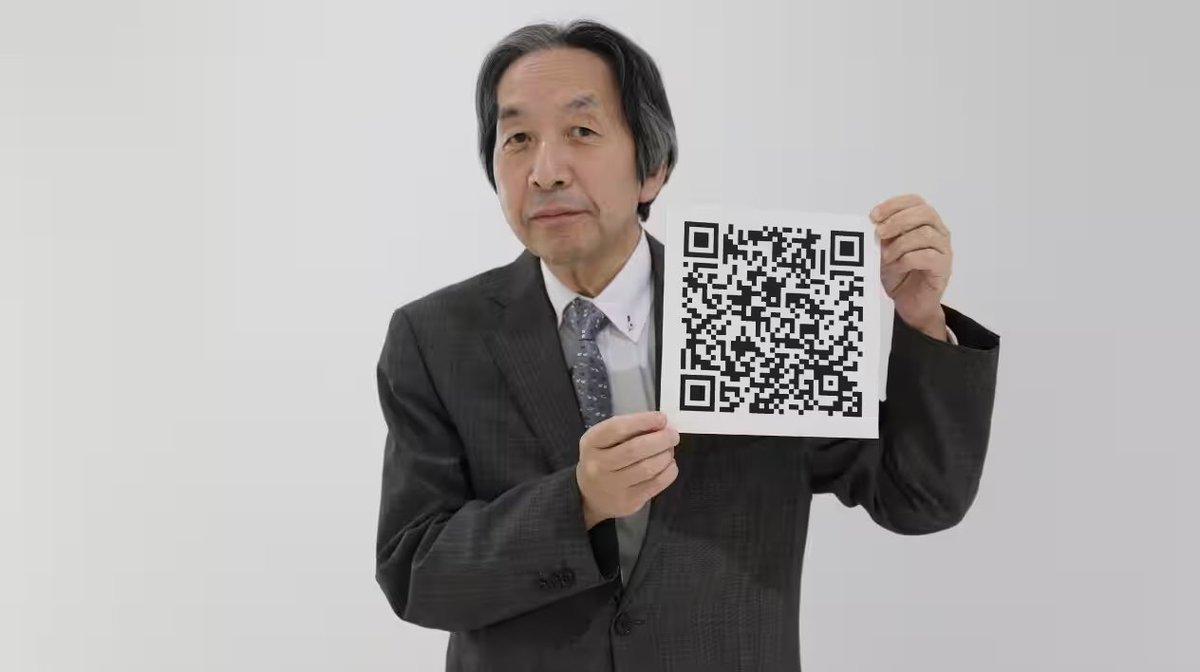
A Japanese engineer invented the QR code for one job, tracking car parts on a Toyota line, then his company chose to give the patent away for free, which is the only reason it ended up on every restaurant table on Earth.
His name is Masahiro Hara. The company was Denso Wave, a parts supplier owned by Toyota.
In 1992 the problem landed on his desk, and it was not glamorous. Workers on the factory floor were drowning.
Every car part had a barcode, but a barcode can only hold about twenty characters, so to track one component they had to stick five or ten barcodes on it.
A worker would stand there scanning a single part ten times in a row. Some of them were scanning close to a thousand barcodes a day. The job had stopped being about building cars and turned into pointing a scanner at stickers all day long.
And there was a second problem nobody upstairs cared about. This was a factory. Oil got on everything. A smudge of grease across a barcode and the whole thing became unreadable, and the line stopped.
Hara was asked to make the scanner faster. He looked at it for a while and realized the scanner was not the problem. The barcode itself was the ceiling. A line of black bars can only hold information going one direction, left to right.
He decided to build something that held information in two directions, up and down as well as across, so it could store hundreds of times more in the same little square.
Then came the part that sounds made up but is not.
Hara played Go on his lunch breaks, the old board game with black and white stones sitting on a grid. He was staring at the board one day and it clicked.
The grid of black and white stones was already a way to store information in two directions. That was the shape of his code.
But building the code was the easy half. The hard problem was speed, because the whole point was to be fast, and a scanner wastes most of its time just trying to figure out where the code is and which way it is turned.
The fix came to him on a train. He was looking out the window at buildings, and one building stood out from all the others because of its shape against the sky. That was the idea.
He put three little square targets in three corners of the code. The moment a scanner sees those three squares, it knows instantly where the code is and how it is rotated, even upside down, even at an angle.
Now here is the detail that shows how far he was willing to go. Those three corner squares only work if nothing else on the page looks like them.
If a magazine ad or a cardboard box happened to have the same black and white pattern nearby, the scanner would get confused and grab the wrong thing.
So Hara and his tiny two-person team went and surveyed printed material. Magazines. Flyers. Cardboard boxes. Piles of it, for days, reducing every picture down to its ratio of black to white area, hunting for the one ratio that almost never shows up in print anywhere. They found it. One to one to three to one to one.
That exact rhythm of black and white is baked into every corner square of every QR code on Earth, and it is there because it is the pattern the printed world almost never produces by accident.
Then he solved the oil.
He built the code so it carries a backup of its own information, spread mathematically across the whole square. You can tear off, smudge, or scratch out up to thirty percent of a QR code and it still scans perfectly, because the code rebuilds the missing piece from the copy it kept of itself.
A worker could get grease on a third of the label and the line would keep moving. This is the same math that lets a scratched CD still play and lets a spacecraft send data back across the solar system without asking to repeat itself.
He finished in 1994. He named it Quick Response, after what it does for the person using it, not after what it is.
And then Denso made the decision that actually mattered.
They held the patent. They could have charged a fee on every single scan, and given how many billions happen now, that would have made someone unimaginably rich.
Instead they announced they would not enforce their rights to collect royalties, and they published the specification openly so anyone could use it. Hara later said it was not even a big argument inside the company.
That one choice is the whole story. A code that costs nothing to use is a code everyone builds on. Airlines put it on tickets. Phone makers built readers into cameras.
Then a pandemic hit and the world needed a way to hand someone information without touching anything, and the free little square that a Toyota engineer built for greasy factory workers was suddenly on every menu, every payment, every door.
Hara still works there. He has said, more than once, that he never imagined it would spread this far, and that the part he is proudest of is that it got used to keep people safe.
The man built it to survive oil on a factory floor. It ended up surviving everything else too.
You have scanned his work a hundred times this year. Now you know whose it was.
A Japanese engineer invented the QR code for one job, tracking car parts on a Toyota line, then his company chose to give the patent away for free, which is the only reason it ended up on every restaurant table on Earth.
His name is Masahiro Hara. The company was Denso Wave, a parts supplier owned by Toyota.
In 1992 the problem landed on his desk, and it was not glamorous. Workers on the factory floor were drowning.
Every car part had a barcode, but a barcode can only hold about twenty characters, so to track one component they had to stick five or ten barcodes on it.
A worker would stand there scanning a single part ten times in a row. Some of them were scanning close to a thousand barcodes a day. The job had stopped being about building cars and turned into pointing a scanner at stickers all day long.
And there was a second problem nobody upstairs cared about. This was a factory. Oil got on everything. A smudge of grease across a barcode and the whole thing became unreadable, and the line stopped.
Hara was asked to make the scanner faster. He looked at it for a while and realized the scanner was not the problem. The barcode itself was the ceiling. A line of black bars can only hold information going one direction, left to right.
He decided to build something that held information in two directions, up and down as well as across, so it could store hundreds of times more in the same little square.
Then came the part that sounds made up but is not.
Hara played Go on his lunch breaks, the old board game with black and white stones sitting on a grid. He was staring at the board one day and it clicked.
The grid of black and white stones was already a way to store information in two directions. That was the shape of his code.
But building the code was the easy half. The hard problem was speed, because the whole point was to be fast, and a scanner wastes most of its time just trying to figure out where the code is and which way it is turned.
The fix came to him on a train. He was looking out the window at buildings, and one building stood out from all the others because of its shape against the sky. That was the idea.
He put three little square targets in three corners of the code. The moment a scanner sees those three squares, it knows instantly where the code is and how it is rotated, even upside down, even at an angle.
Now here is the detail that shows how far he was willing to go. Those three corner squares only work if nothing else on the page looks like them.
If a magazine ad or a cardboard box happened to have the same black and white pattern nearby, the scanner would get confused and grab the wrong thing.
So Hara and his tiny two-person team went and surveyed printed material. Magazines. Flyers. Cardboard boxes. Piles of it, for days, reducing every picture down to its ratio of black to white area, hunting for the one ratio that almost never shows up in print anywhere. They found it. One to one to three to one to one.
That exact rhythm of black and white is baked into every corner square of every QR code on Earth, and it is there because it is the pattern the printed world almost never produces by accident.
Then he solved the oil.
He built the code so it carries a backup of its own information, spread mathematically across the whole square. You can tear off, smudge, or scratch out up to thirty percent of a QR code and it still scans perfectly, because the code rebuilds the missing piece from the copy it kept of itself.
A worker could get grease on a third of the label and the line would keep moving. This is the same math that lets a scratched CD still play and lets a spacecraft send data back across the solar system without asking to repeat itself.
He finished in 1994. He named it Quick Response, after what it does for the person using it, not after what it is.
And then Denso made the decision that actually mattered.
They held the patent. They could have charged a fee on every single scan, and given how many billions happen now, that would have made someone unimaginably rich.
Instead they announced they would not enforce their rights to collect royalties, and they published the specification openly so anyone could use it. Hara later said it was not even a big argument inside the company.
That one choice is the whole story. A code that costs nothing to use is a code everyone builds on. Airlines put it on tickets. Phone makers built readers into cameras.
Then a pandemic hit and the world needed a way to hand someone information without touching anything, and the free little square that a Toyota engineer built for greasy factory workers was suddenly on every menu, every payment, every door.
Hara still works there. He has said, more than once, that he never imagined it would spread this far, and that the part he is proudest of is that it got used to keep people safe.
The man built it to survive oil on a factory floor. It ended up surviving everything else too.
You have scanned his work a hundred times this year. Now you know whose it was.
🏴 Happy 1099th Birthday England 🏴
On 12th July, 927AD, King Æthelstan secured control over the last Viking kingdom of Northumbria and united the Anglo-Saxon kingdoms under one ruler, becoming the first King of a united England.
Terrible day for Norway.
🏴 Happy Birthday, England. 🏴
On 12 July 927, King Æthelstan united the English kingdoms, creating what is widely regarded as the birth of England as one nation.
Nearly 1,100 years later, England still has no officially recognised national birthday.
Perhaps it is time we changed that.
A nation with this much history, heritage and identity deserves a day to celebrate its story.
Happy birthday, England 🏴
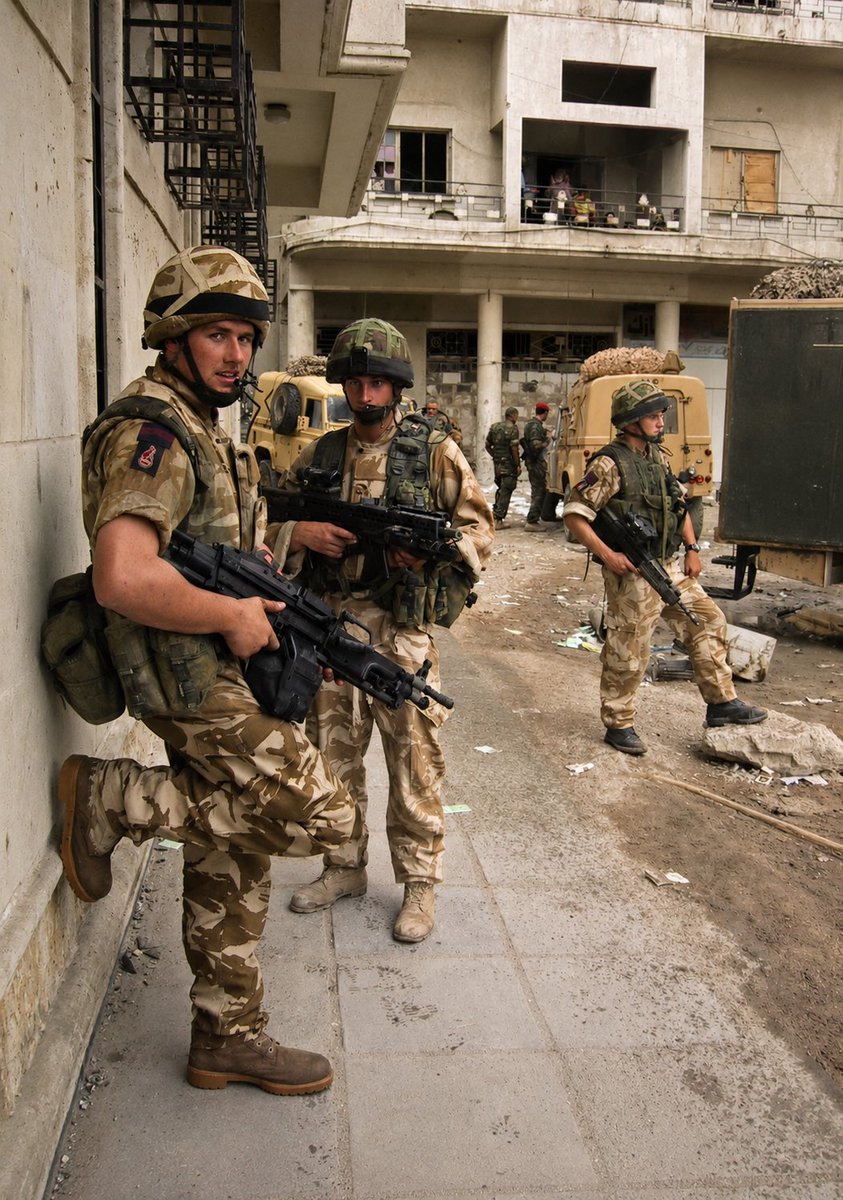
An American soldier, Iraq 2005.
"Those Brits are a strange old race. They show affection by abusing each other, will think nothing of casually stopping in the middle of a firefight for a 'brewup' and eat food that I wouldn't give to a dying dog. But fuck me, I would rather have one British squaddie on side than an entire battalion of Spetznaz! Why? Because the British are the only people in this world who when the chips are down and it seems like there is no hope left, instead of getting sentimental or hysterical, will strap on their pack, charge their rifle, light up a smoke, and calmly and wryly grin, 'Well, are we going then you wanker?" 🏴 🇬🇧
🏴🇬🇧
Lancashire was starving. The cotton was an ocean away, in the hands of enslaved people.
They still said no.
The mill has gone quiet. No cotton is coming. An ocean away, it is still growing. Lancashire is starving for it. They could have ended it tomorrow. They said no.
Britain's cotton mills ran on American cotton, the great majority of it grown by enslaved hands. In 1861, America went to war with itself, and the Union navy blockaded the southern ports. The cotton stopped crossing the ocean.
⚙️ In Lancashire, the mills began to close. By November 1862, three-fifths of the workforce stood idle. Hundreds of thousands went onto relief.
The mill owners wanted the cotton flowing again. Break the blockade, they urged Westminster. Get the cotton moving. That would have meant Britain siding with the slave states. The workers were the ones being asked to pay for it.
They said no.
📜 Manchester, the final days of December 1862. Cotton workers filled the Free Trade Hall. They voted, overwhelmingly, to stand with the Union. To endure the famine rather than profit from slave-picked cotton. Then they did something else. They wrote to the President of the United States. Despite everything they were losing.
The letter went to Abraham Lincoln. It crossed the same ocean the cotton no longer could.
✍️ Washington, January 1863. Abraham Lincoln read what Lancashire had written. Hungry people, choosing his side over their own bread. He wrote back: "An instance of sublime Christian heroism, not surpassed, in any age, in any country."
His reply crossed back over the same ocean. Lancashire read it, and kept going.
The hardship lasted years. Many left Lancashire for good. But they did not break. Lincoln's words still stand in Manchester today, cut into the stone he stands on.
Ordinary people chose a stranger's freedom over their own comfort.
━━━━━━━━━━━━━━
They had nothing to gain, and everything to lose. They stood with strangers across an ocean, and history remembers it.
We are the home of British heroes. There is a place for you in it. 👇🙏
When we stood together, we achieved more.
👉 https://t.co/wN9S2gRmFj 👈
Be part of us. ☝️🇬🇧
Be Proud Of Us. 🙏🇬🇧
"Nobody has the right to live their lives being protected from offence, or from insult or from hurt feelings - it is an occupational hazard of living in society"
And if you really can't take it, become a hermit"
Here is the brilliant full speech
They all loved her
RIP Widders
⚓🇬🇧🇳🇱
For 300 years, corsairs came to enslave Europeans.
Not from a colony. From Europe's own coasts.🏴☠️
Spain, Italy, France, even Ireland and Iceland felt their reach.
One historian's estimate puts the number enslaved above a million across the centuries.
That figure is disputed. In both directions. What is not disputed: every government paid ransom, and paid again, and the raids never stopped.
🕊️ In 1816 Britain tried one more time, through words alone. The Dey of Algiers agreed to stop. For a while, it held.
⚡ Then in May 1816, around 200 fishermen under British protection were massacred at Bona. Britain had run out of patience.
Admiral Lord Exmouth was given a fleet. And Britain did not sail alone: a Dutch squadron joined him, under Vice-Admiral van Capellen. British and Dutch, sailing as one force.
💥 August 1816. The combined fleet stood off the walls of Algiers. Exmouth sent his terms in. The Dey refused. At half past two, the guns opened fire.
For nine hours, British and Dutch guns hammered the harbour defences. The corsair fleet in harbour was destroyed at anchor. Allied casualties, British and Dutch together, passed 900 killed and wounded. It was a hard fight, not an easy one.
By morning the defences lay silent. Exmouth demanded surrender. The Dey accepted.
🔓 1,083 slaves were freed at Algiers itself. Men and women of many nations and many faiths. The Dey repaid around 80,000 pounds sterling in ransom money.
Counting earlier releases that year, around 3,000 people walked free across all of 1816. Not walking free in a single day. Freed across the whole of that year.
The treaty broke the back of a 300-year system. It did not end the raids overnight. Raiding returned in the years after, on a smaller scale. It was the French conquest of Algiers, from 1830, that finally ended it for good.
Britain and the Netherlands had broken a system three centuries old. Not for empire. For people who had no one else to answer for them.
━━━━━━━━━━━━━━
British and Dutch sailors stood against a system nobody else had stopped.
Knowing their story, you stand a little taller.
We are the home of British heroes. There is a place for you with us. 👇🙏
👉 https://t.co/wN9S2gRmFj 👈
Be part of us. ☝️🇬🇧
Be Proud Of Us. 🙏🇬🇧
This ‘Proud of Us’ video on slavery is well worth your time.
They have many other videos telling historical truths that are often kept from us
This is not just for kids!
All of us should watch them! 👍
Happy 250th birthday America. 🙌
You took the best of Britain and improved it immeasurably.
You are now a lone beacon in gloam.
Stay strong for us.
We need you more than ever.
God bless 🇺🇸
How lovely for Norway!🥰
Children matter. Culture matters.
There is only one flag that flies at Michaela: The Union flag.🇬🇧
Except during the World Cup when we fly the St George’s Cross.🏴 😊