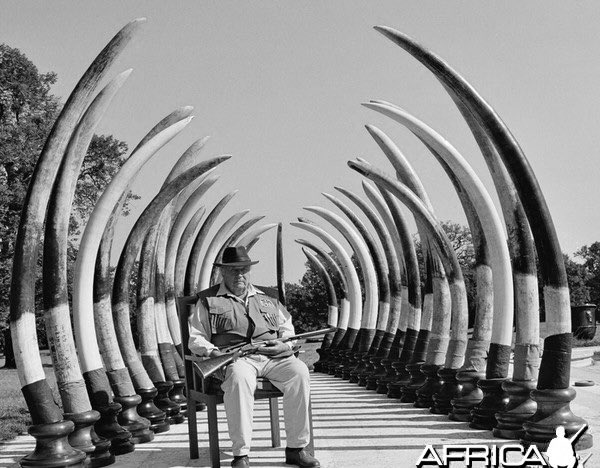
“The African Elephant Conservation Act of 1988 supports conservation programs of African countries and prohibits import of raw ivory from non ivory producing countries, limiting international trade of ivory.” (5th AP excerpt) #39canimals
https://t.co/uDEsqgYGnv
Peer review is a helpful activity as it helps you improve your writing skill. By reading your peers’ essays, you gain some experience in critical reading and learn to write more effectively by avoiding their bad points and learning their good points. #WhatILearnedin39C
Through annotation exercises on Connect, I learned to analyze scientific articles by focusing on each section one by one. I know what to pay attention to and what to skim through to understand the main idea of the article #WhatILearnedin39C
I learned about speciesism - a term used to describe the prejudice against other species. I first heard this term in Dr. Richard Ryder’s video and had the chance to gain more knowledge regarding animal equality #WhatILearnedin39C
https://t.co/dNGP6SdrjF
More and more elephants are born without tusks. “This is a strong selection, or a defense mechanism, that protects them against the rapid decline caused by ivory poaching.” (4th AP excerpt) #39canimals
““Hands Off Our Elephant” was launched in 2013 with a message that elephants should be left undisturbed and unharmed. They encourage internet users to stand up against illegal poaching via multiple social platforms.” (3rd AP excerpt) #39canimals
https://t.co/5NL2PeEQWq
“The tusk of an adult elephant can cost ten times the average annual income of a government soldier in African countries…it is a tempting offer for someone who gets paid as little as $100 a month to obtain this “easy money”. (2nd AP excerpt) #39canimals
https://t.co/0h157aEZ0y
Did you know that shooting elephants was considered a form of masculinity in the 1900s? “They considered tusks as a measurement of achievement and mighty, so they would collect as many as they could and hang them on the wall as trophies.” (1st AP excerpt) #39canimals
After spending weeks on Twitter and writing posts, I learned how to write a clickbait that catches people’s attention and summarizes the article well #WhatILearnedin39C
#39canimals Whales use different communication methods rather than singing, such as breaching and slapping, as well as underwater blows and cries that they use in competitive groups. The image below is a picture of how whales slap their tails.
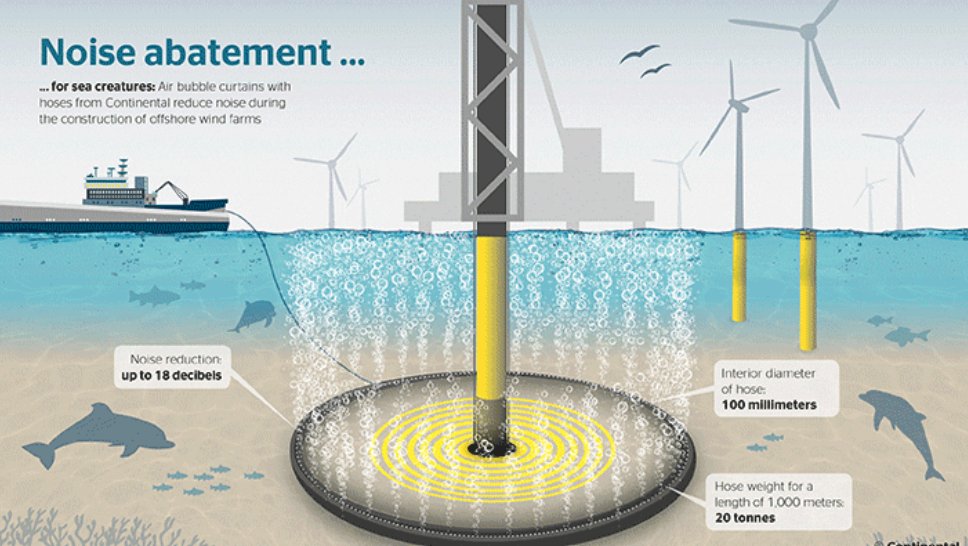
One solution to the problem of noise pollution coming from offshore wind farms is to create a bubble curtain before the open ocean. This can reduce the noise by up to 95%! #39canimals
#39canimals "Elephants’ adaption to ivory poaching causes long-term side effects of limiting their skills, depressing fertility rate, and impacting the ecosystem (Jones)."
https://t.co/znh4IRPuyg
Elephant riding is not fun! Baby elephants are separated from their mothers and are forced to go through traumatic training to make them rideable! #39canimals#refusedtoride
#39canimals
In a 2018 campaign, PETA’s mobilization of people in a grassroots movement, held in part over Twitter, worked to stop elephant polo in Thailand, where elephants were abused with bullhooks.
https://t.co/pE8WOd2n1n
https://t.co/FERUBKhyMy
#39canimals Here is a link introduces protecting elephants "by studying and monitoring the sounds of elephants." Using "thermal imaging" technology and hearing "the elephants’ conversations" may help to detect poachers and know elephant activities.
https://t.co/fy7BVeEB2t
In the wild, killer whales are rarely aggressive towards each other, but captive killer whales are different. A whale in SeaWorld San Diego even died after attacking another whale. In the attack, she severed her own artery and spewed blood from her blowhole #39canimals
Through the documentary Bird Brain, I learned that birds understand the definition of teamwork and they utilize it to solve problems require cooperation and achieve their mutual goals #WhatIlearnedin39C