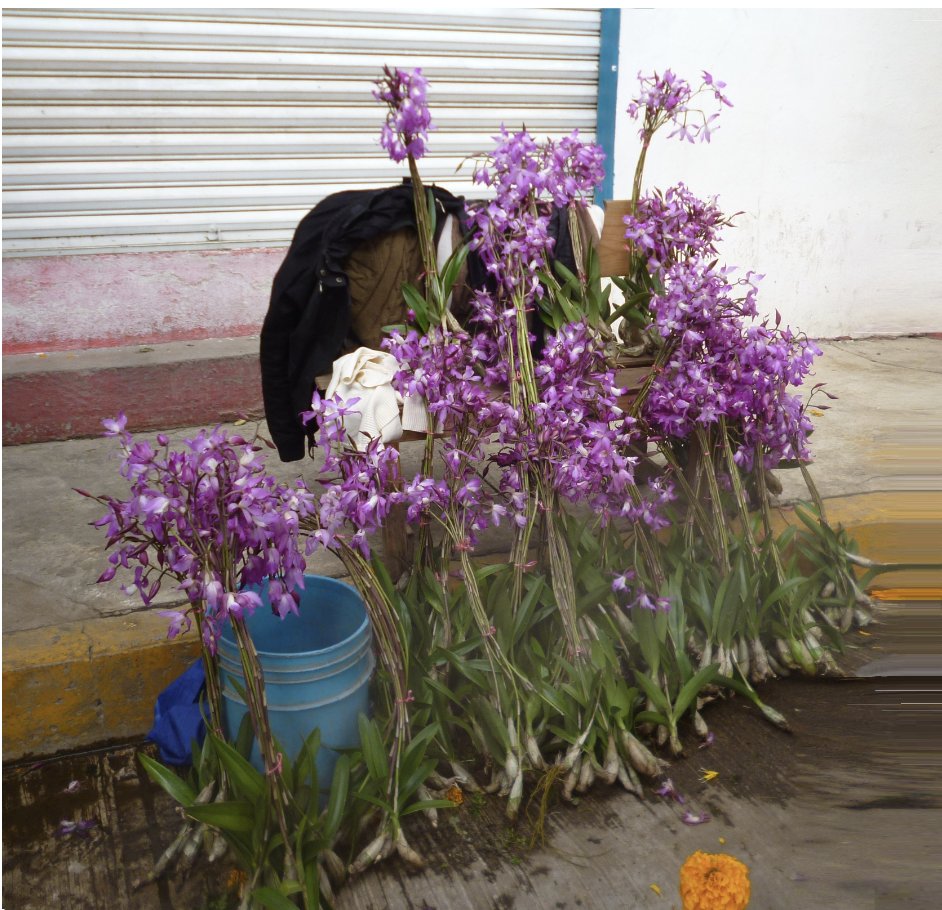
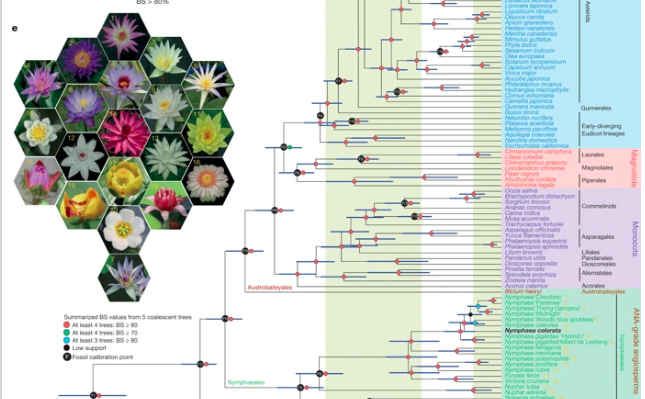
Lovely drawing sent to me by talented biology undergraduate Anna Agazzi Migotto inspired by my lab's work. Research inspires art. I love it. Tweeted with her permission. @YorkUScience@YorkBiology
Woody invaders are more highly colonized by arbuscular mycorrhizal #fungi than congeneric native species (new #AJB research by Louis Lamit, Amy Giovati, Insu Jo, Doug Frank & Jason Fridley) https://t.co/sbecZfPo5M #botany#ecology#InvasivePlants @wileyplantsci @WileyEcolEvol
⭐️@JMorenteLopez has been shortlisted for the 2021 Harper Prize!
📖Read more about Javier's research on the blog:
Gene flow effects on populations inhabiting marginal areas: Origin matters https://t.co/IUtzwRiHDp
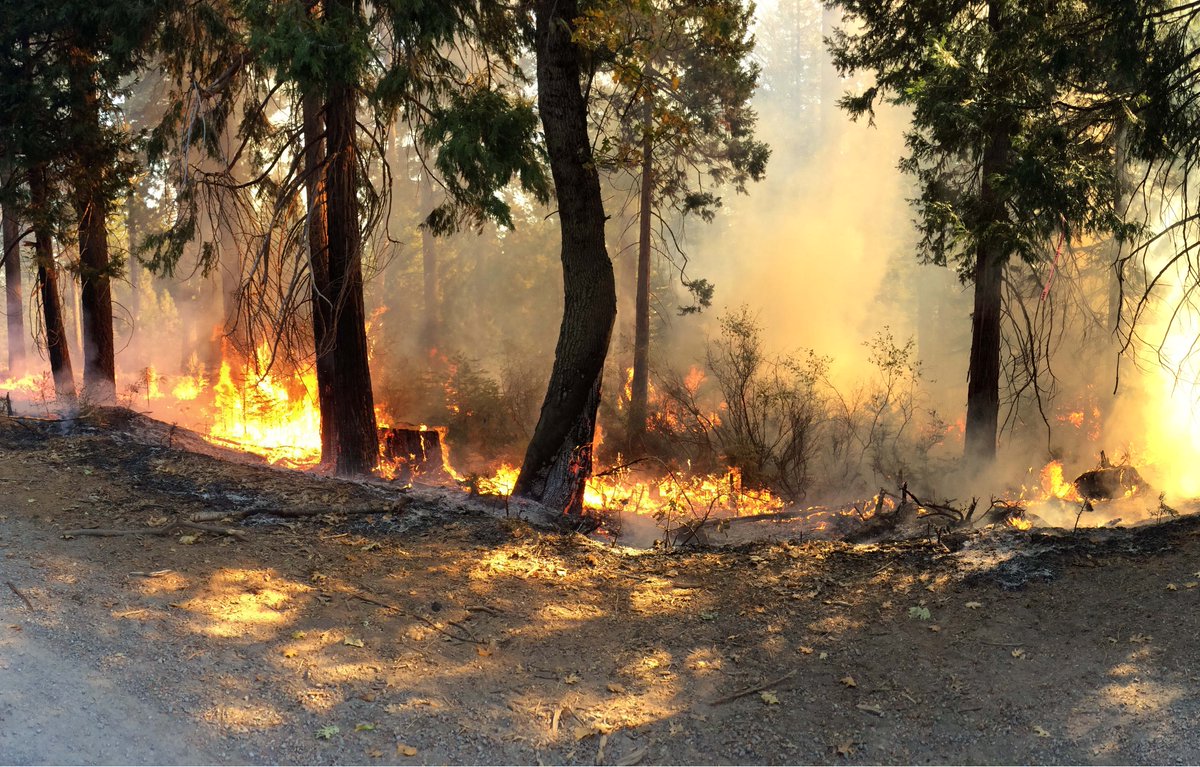
In a new study recently featured in @nytimes, researchers @MonikaSFischer@TraxLab@Grace_Stark_@TheaWhitman and colleagues uncover a food source that allows some fungi to flourish after a fire. Read more about the study and coverage in the NY Times: https://t.co/sCSqT74cqe
Interested in how viruses repurpose and manipulate cellular gene expression machinery? Looking to work with a creative, fun, diverse, and motivated group of scientists? Check out our postoc position opening in the Glaunsinger lab at UC Berkeley/HHMI here: https://t.co/u69oGtzgxD
Mangroves have the ability to absorb up to four times more carbon dioxide by area than upland terrestrial forests. Learn more about IUCN’s work to conserve these amazing ecosystems. https://t.co/AsKuREmrdF @IUCN_forests
#UBC mathematical biologist Sarah Otto on the challenges faced by scientists in forecasting a new wave of COVID-19 @UBCBiodiversity https://t.co/VBPRxswqTd
Many many thanks to @climatehuman and all the other scientists standing up to the fossil-funding banks!
It's very hard to get scientists out of the lab and into the streets--but they understand how desperate the moment has become
https://t.co/rxWP118z9n