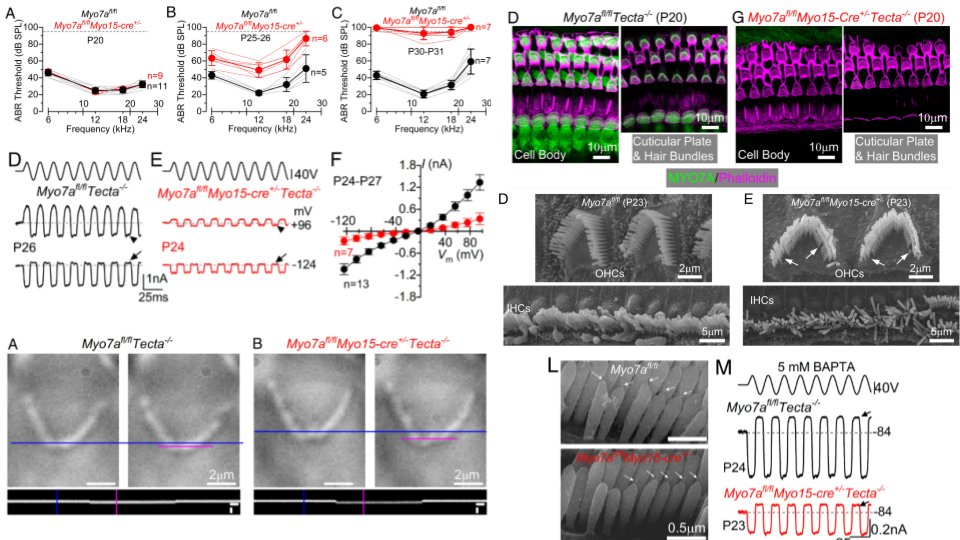
Happy new year all! Today's paper spotlight is one of ours and was published in PNAS just last week, in this manuscript we show that mature cochlear hair cells use Myo7a INDEPENDENT mechanisms to maintain their resting transducer current! Full publication: https://t.co/zWRCBHl6jg
Can you hear me now? https://t.co/DMozCzj5c6
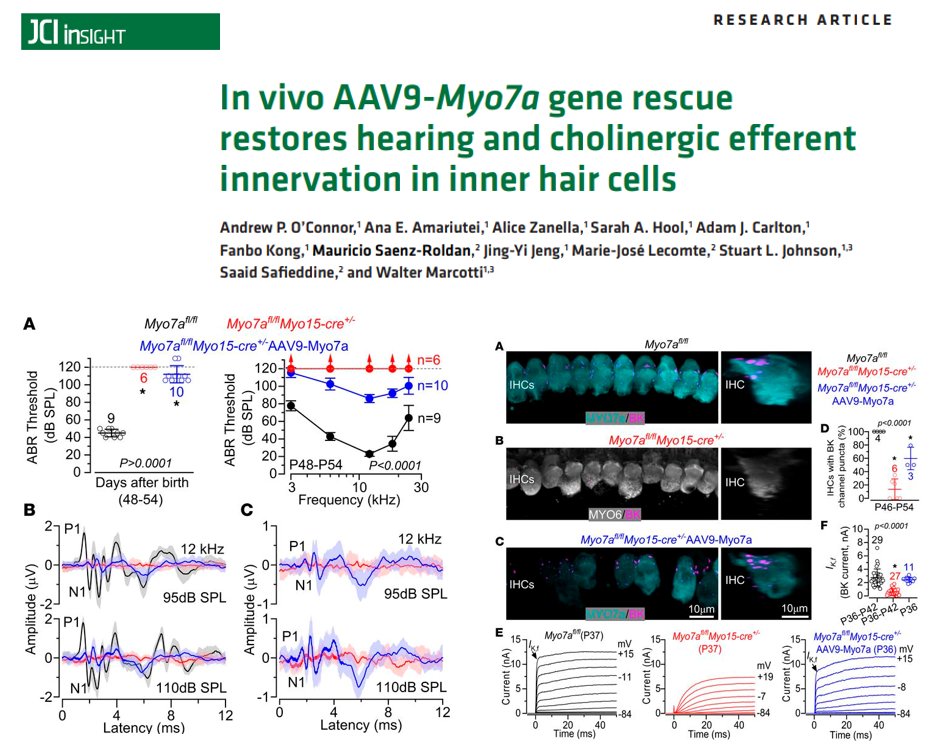
Preclinical work from Andrew O’Connor et al. shows that AAV-mediated delivery of Myo7a restores inner hair cell function to improve hearing.
@HearingShef@neuroshef
📻 We had our research fellows, Adam and Ginny, appear on @BBCSheffield with @xanthe_palmer yesterday! This was part of the ‘Body Talks’ section they run every week! 👂
Link to the full interview:
https://t.co/POJUF3khDq
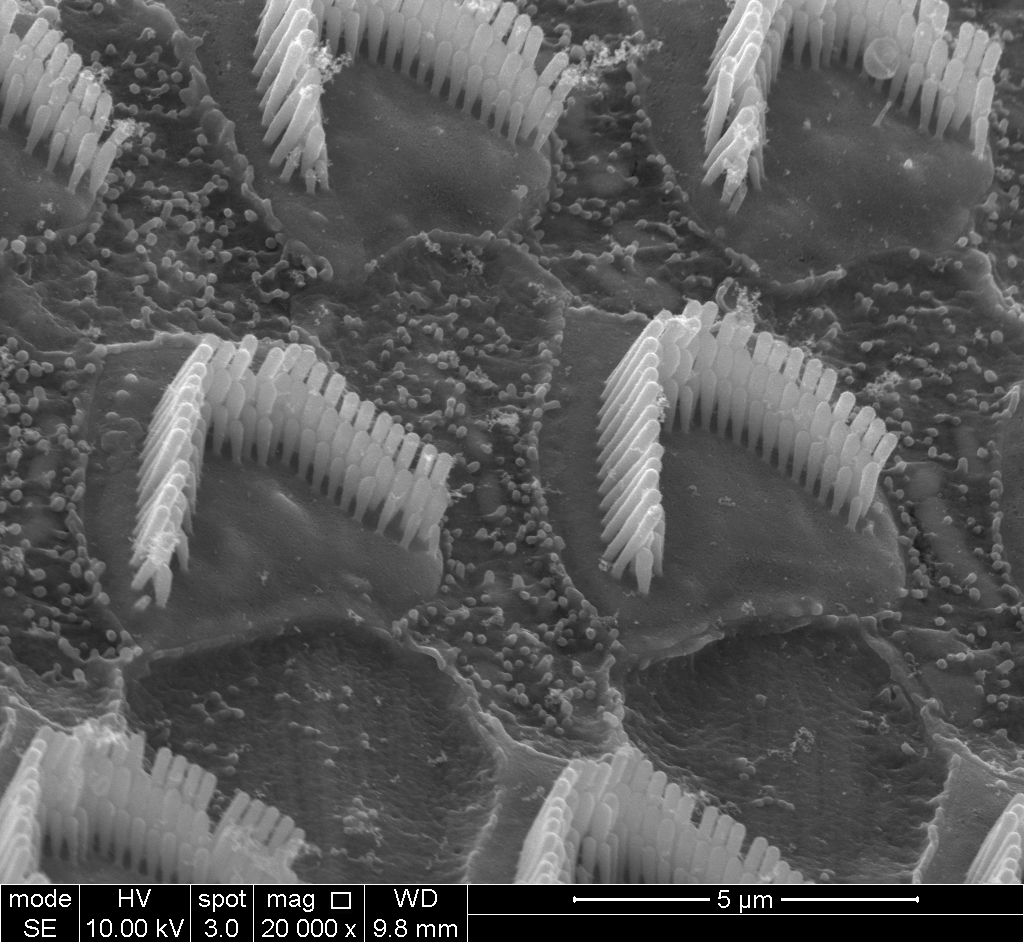
Happy #MicroscopyMonday, everyone! This week, we're up close and personal with the stereocilia of some outer hair cells (image courtesy of Sam). Seeing all three rows of each hair bundle so clearly is a beautiful sight indeed 🤩.
🚨 Our latest paper has now been published in @JCI_insight, which shows that a single dual-AAV injection of Myo7a DNA restores some hearing function in Myo7a-deficient mice.
#GeneTherapy#HearingShef
https://t.co/cS5sbsbvLn
Happy #MicroscopyMonday, everyone! 📸Today's stunning image of the modiolus comes from Charlie. The blue highlights cell nuclei and the white marks the cell membrane, but we're keeping the pink and green dots a mystery!🤫
🔔 Interested in doing a PhD within two world-leading research groups?
We have a very unique, funded PhD position available in our lovely city, with Prof Walter Marcotti, Prof @HeatherMortiboy, and Dr Sam Webb as supervisors. Find out more here 👇
https://t.co/lBkHiCKy7Y
Proud to present our latest preprint by Elliot Birkett. In this paper we asked whether stimuli with different behavioural relevance evoke different adaptation in #zebrafish. https://t.co/ugccoo8Zbz
Today's paper spotlight comes from... us again! This one has been a long time in the works and it's great to see it finally go live. This paper looks at the role of Bai1 in hearing, and shows how it's essential for AMPA receptor localisation: https://t.co/WSK2dGIlpw
📡Two post-doc positions are available in the Marcotti lab funded by the Wellcome Trust! The project is to investigate signal processing in the mammalian cochlea in vivo, and how this affects the central auditory pathways.
Deadline: 18/04/25
For details: https://t.co/TRE32CHBgz
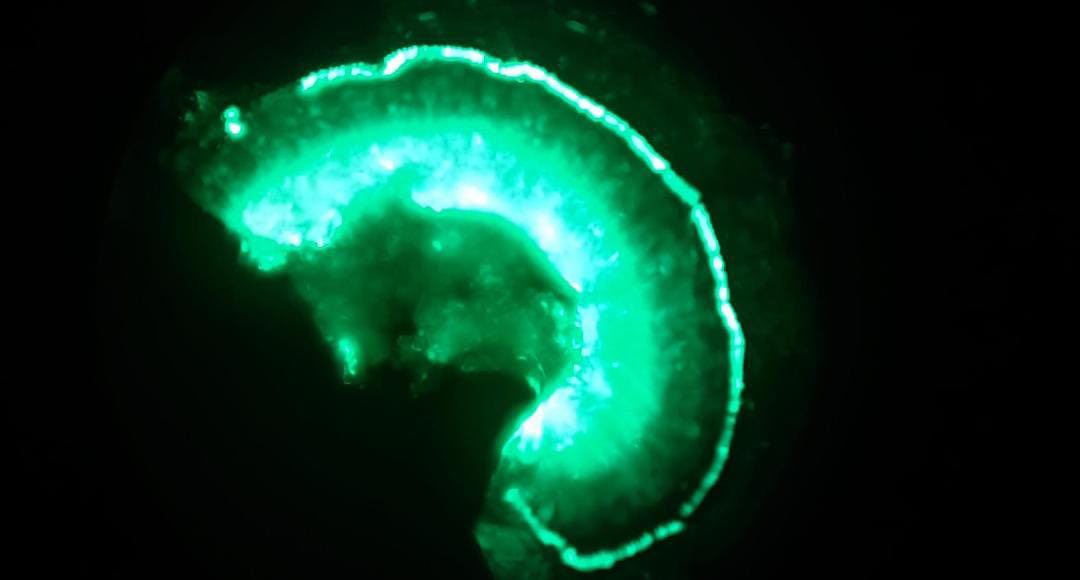
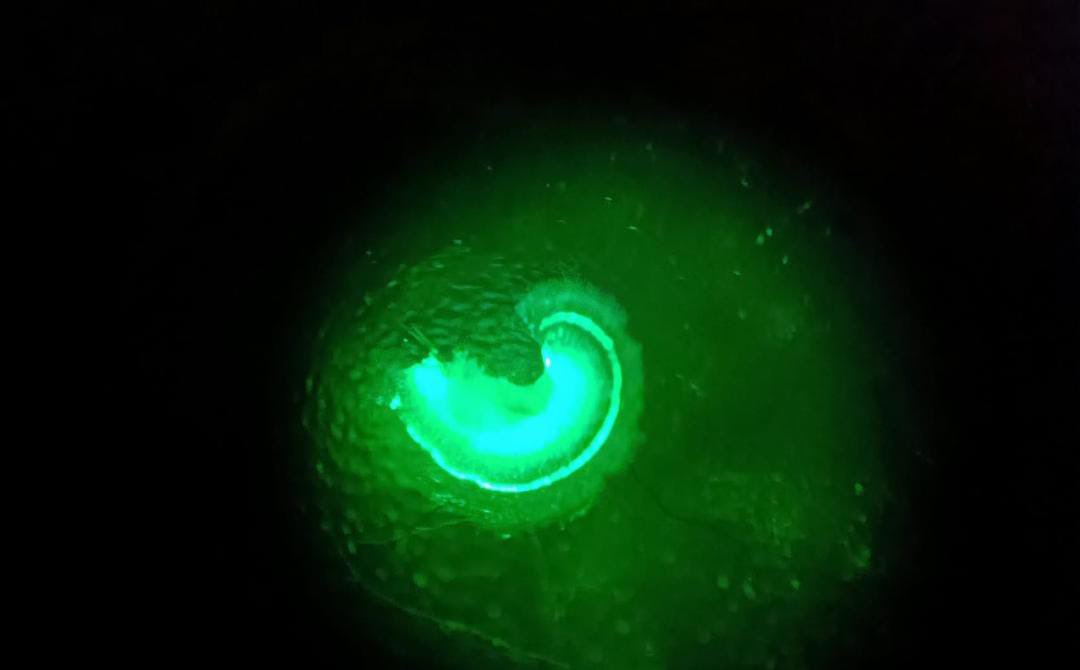
First-year PhD student, Alice, has just for the first time, managed to transfect inner hair cells with GFP expression by using an AAV vector (the thin green line is the hair cells).
This is an incredibly hard procedure to pull off, so well done to Alice! 😁
Happy #FluorescenceFriday everyone! Today's picture was kindly donated by our PhD student Charlie. This is a picture of the cochlear inner (below) and outer (above) hair cells labelled in red with their nuclei in blue, also immunolabelled for DNA damage (Green)!
Happy #FluorescenceFriday everybody! This is one I got just this morning; showing the cochlear hair cells in magenta alongside the fibres that provide feedback to the cochlea from the brainstem stained in green and red! Antibodies are great when they actually work 🤓
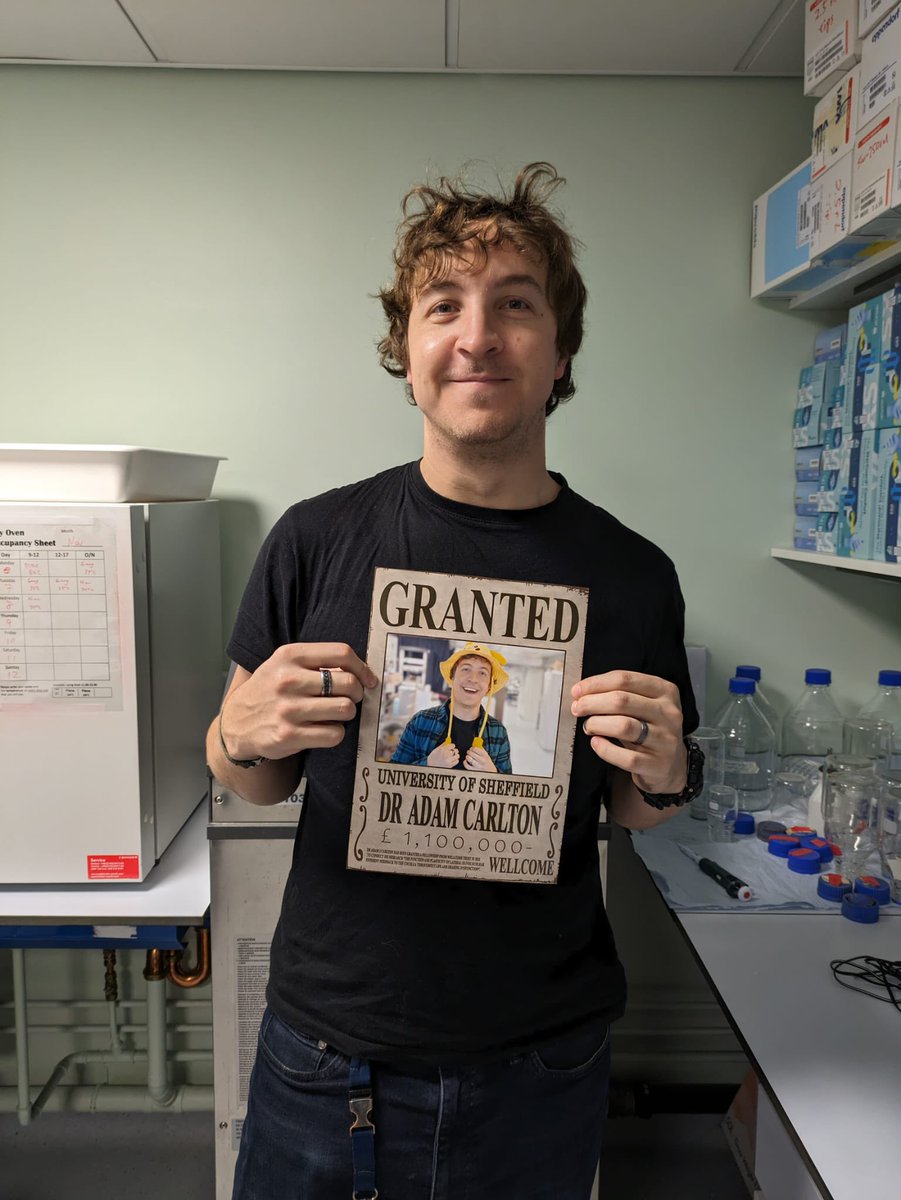
Congratulations to Dr Adam for securing over £1 million of @wellcometrust funding!! What an achievement - and doing it so early on in his career too! 😄😄
In 4+ years as a @HearingShef researcher in👂physiology, I opened my eyes on the feeling of social isolation associated with #hearingloss and #deafness
Thus, I enrolled as a @sheffielduni student, starting my British Sign Language course next week!👍
@RNID#BSL
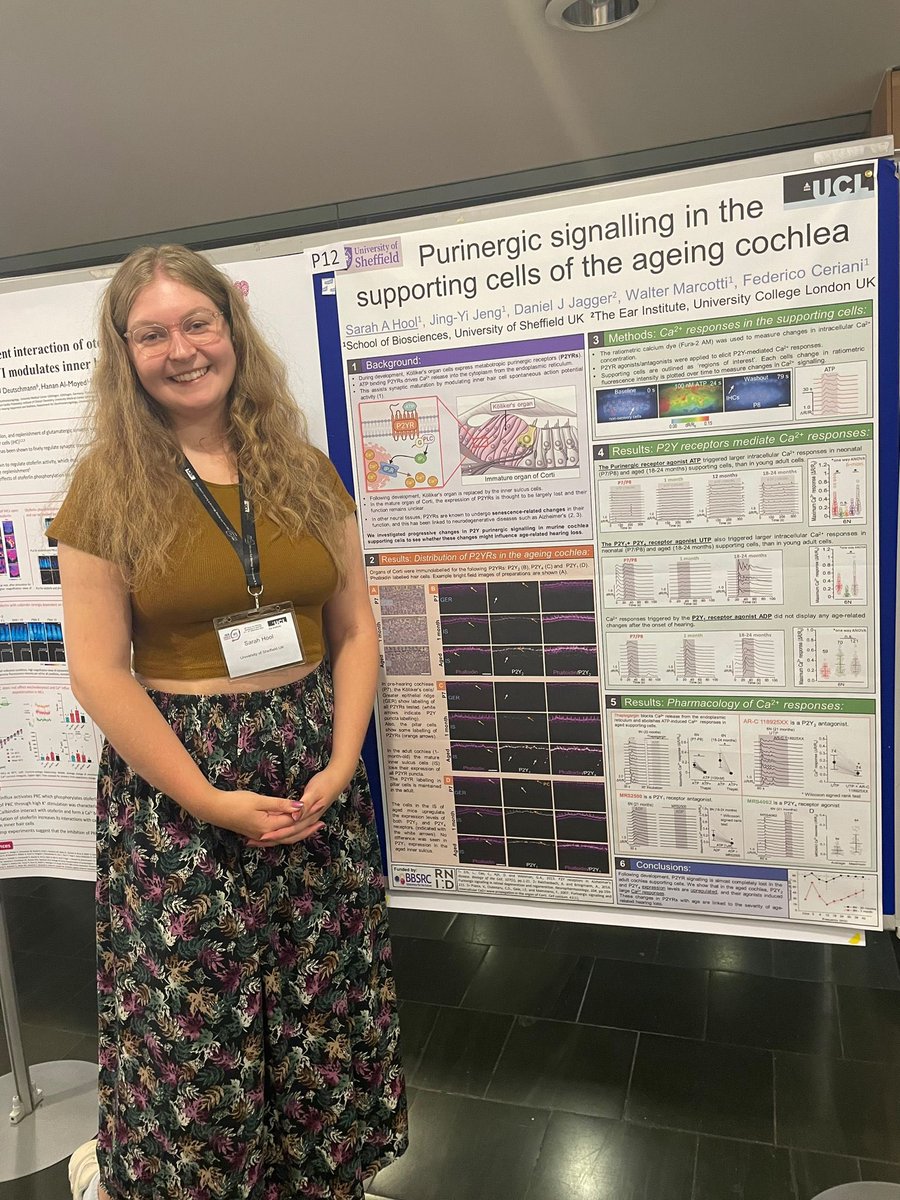
Today's paper spotlight comes from our very own Sarah Hool! This new work looks at the resurgence of P2Y2 and P2Y4 purinergic receptors in the cochlea with ageing in different mouse lines; including the "bad hearing" 6N and "good hearing" C3H strains.
https://t.co/5SMBYsE5xt
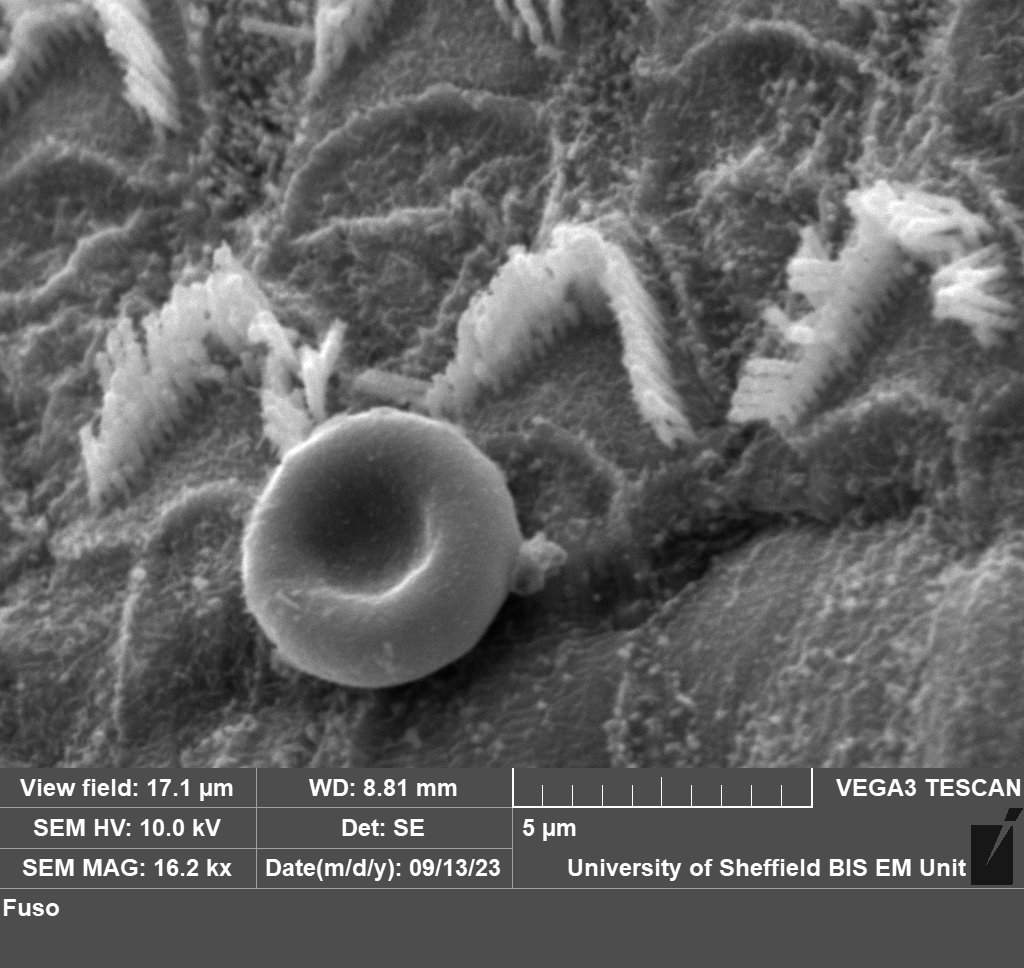
I was taking some images on the scanning electron microscope this morning and found this gem - The red blood cell gives a nice perspective of just how tiny stereocilia are! For reference, the magnification of this image of outer hair cell stereocilia is 16,200x
Just back from London are Ginny and Sarah who thoroughly enjoyed presenting their work at @ieb2023!
We hear Sarah was quite thrilled to meet fellow investigator of puringergic signalling, Dwight Bergles, from @HopkinsNeuro 😁
📡Hello all you lovely people. It's time for another Q&A! Ask any question you've ever had about hearing/research for the next 24 hours and our lab will answer. Our speciality is the cochlea, so feel free ask questions about other things but be warned we may not know the answer!