Welcome to The Global Conference on Measuring New Forms of Employment 🚀💼
🗓️4-5 July 2024
Can’t join us in person? Follow the event via livestream👉 https://t.co/w65x9Mpa91
#MeasuringEmployment
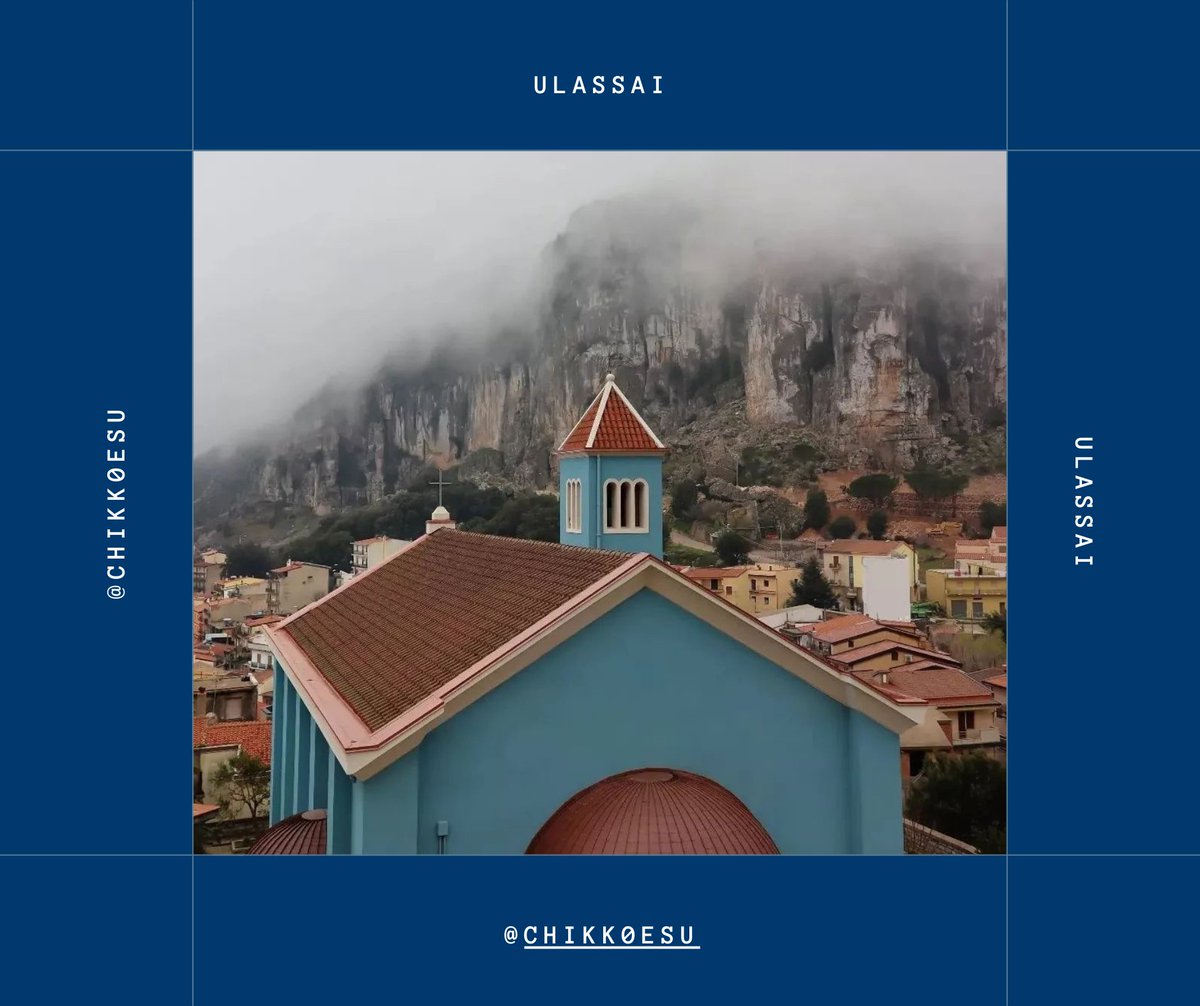
In 2020, new study of the genetic history of Sardinia, a Mediterranean island off the western coast of Italy, tells how genetic ancestry on the island was relatively stable through the end of the Bronze Age, even as mainland Europe saw new ancestries arrive. The study further details how the island's genetic ancestry became more diverse and interconnected with the Mediterranean starting in the Iron Age, as Phoenician, Punic, and eventually Roman peoples began arriving to the island.
The research, published in Nature Communications, analyzed genome-wide DNA data for 70 individuals from more than 20 Sardinian archaeological sites spanning roughly 6,000 years from the Middle Neolithic through the Medieval period. No previous study has used genome-wide DNA extracted from ancient remains to look at the population history of Sardinia.
The people of Sardinia have long been studied by geneticists to understand human health. The island has one of the highest rates of people who live to 100 years or more, and its people have higher than average rates of autoimmune diseases and disorders such as beta-thalassemia and G6PD deficiency. Many villages in Sardinia also have high levels of relatedness, which makes uncovering the genetics of traits simpler. Across the island, the frequencies of genetic variants often differ from mainland Europe. These factors have made Sardinia a useful place for geneticists like senior author Francesco Cucca from the Università di Sassari in Italy to uncover genetic variants that may be linked to disease and aging.
"Sardinians represent a reservoir for some variants that are currently very rare in continental Europe," Cucca said. "These genetic variants are tools we can use to dissect the function of genes and the mechanisms that are at the basis of genetic diseases."
Sardinia also has a unique archaeological, linguistic, and cultural heritage, and has been part of Mediterranean trade networks since the Neolithic age. How much the population's genetic ancestry has changed through these times, however, has been unknown.
To generate a new perspective on the genetic history of Sardinia, long-term collaborators Cucca and Novembre brought together an interdisciplinary group with geneticists, archaeologists, and ancient DNA experts. A team led by Johannes Krause at the Max Planck Institute for the Science of Human History and the University of Tübingen in Germany helped coordinate the sampling and carried out DNA sequencing and authentication. Teams led by Novembre and Cucca then analyzed the data and shared the results with the whole group for an interdisciplinary interpretation.
Sampling DNA from ancient remains allows scientists to get a snapshot of people living at a specific time and place, instead of using modern DNA and inferring the past based on assumptions and mathematical models. When the team compared the DNA of 70 ancient individuals collected from Sardinia to the DNA of other ancient and modern individuals, they uncovered two major patterns.
First, they saw that Sardinian individuals in the Middle Neolithic period (4100-3500 BCE) were closely related to people from mainland Europe of the time. Genetic ancestry then remained relatively stable on the island through at least the end of the "Nuragic" period (900 BC). This pattern differs from other regions of mainland Europe which experienced new ancestries entering from people moving across the continent in Bronze Age.
The results also show the development of Sardinia's distinctive nuraghe stone towers and culture (after which the Nuragic period is named) did not coincide with any detectable, new genetic ancestry arriving to the island.
"We found striking stability in ancestry from the Middle Neolithic through the end of the Nuragic period in Sardinia," said Joe Marcus, a PhD student in the Department of Human Genetics at UChicago and a co-first author on the paper.
- Subscribe for Detailed Post -
#archaeohistories
🔴 Obsèques d’Alexeï Navalny à Moscou : 45 arrestations lors de l’hommage à l’opposant russe
Ses soutiens étaient présents par milliers malgré les menaces du Kremlin :
https://t.co/WMqmdVDV24
Doctors and pharmacists who once escaped the usual labor hierarchy are now unionizing, as big bureaucracies have left them feeling powerless. https://t.co/qtJRY70qsv
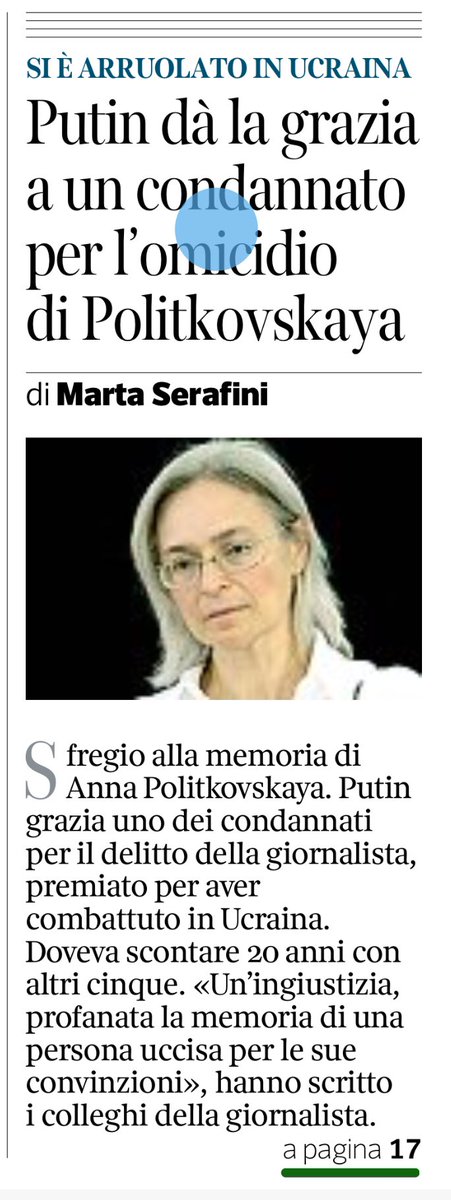
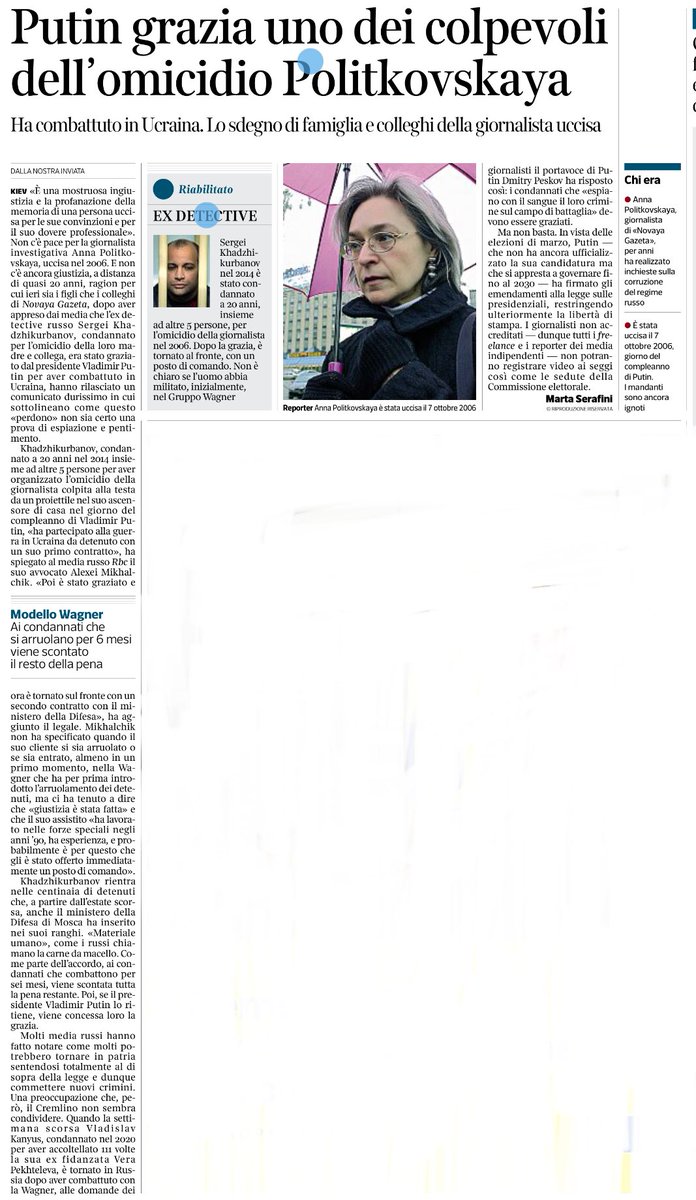
Uno schiaffo al mondo intero
Putin uccide, per la seconda volta, Anna Politkovskaja
Dà la grazia a uno degli assassini materiali della giornalista russa
da @martaserafini, @Corriere
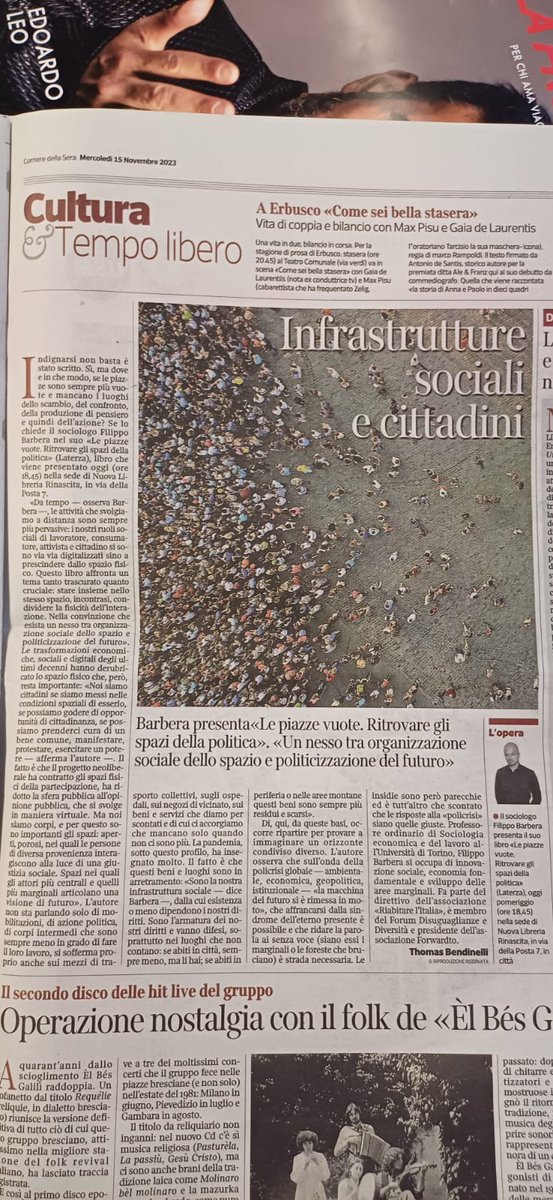
Indignarsi non basta. Serve, ma non basta.
Occorre ricostruire il "suolo politico", che si è inaridito.
Se non è nutrita, la politica muore. E con essa, la domanda per un futuro più giusto.
Recensione su Il Corriere della Sera al mio "Le piazze vuote", pubblicato da @editorilaterza
@marcoleonardi9@AGarnero@antoniomisiani@marattin@francescoseghez Non proprio. Sono state erogate pochissime indennità perché i vincoli erano strettissimi. Ora saranno allargati, ma non basta. Ad es è incomprensibile che sia richiesta appartenenza a 1 sola cassa previd., che esclude chi ha versato (anche solo nel passato) in un’altra cassa.
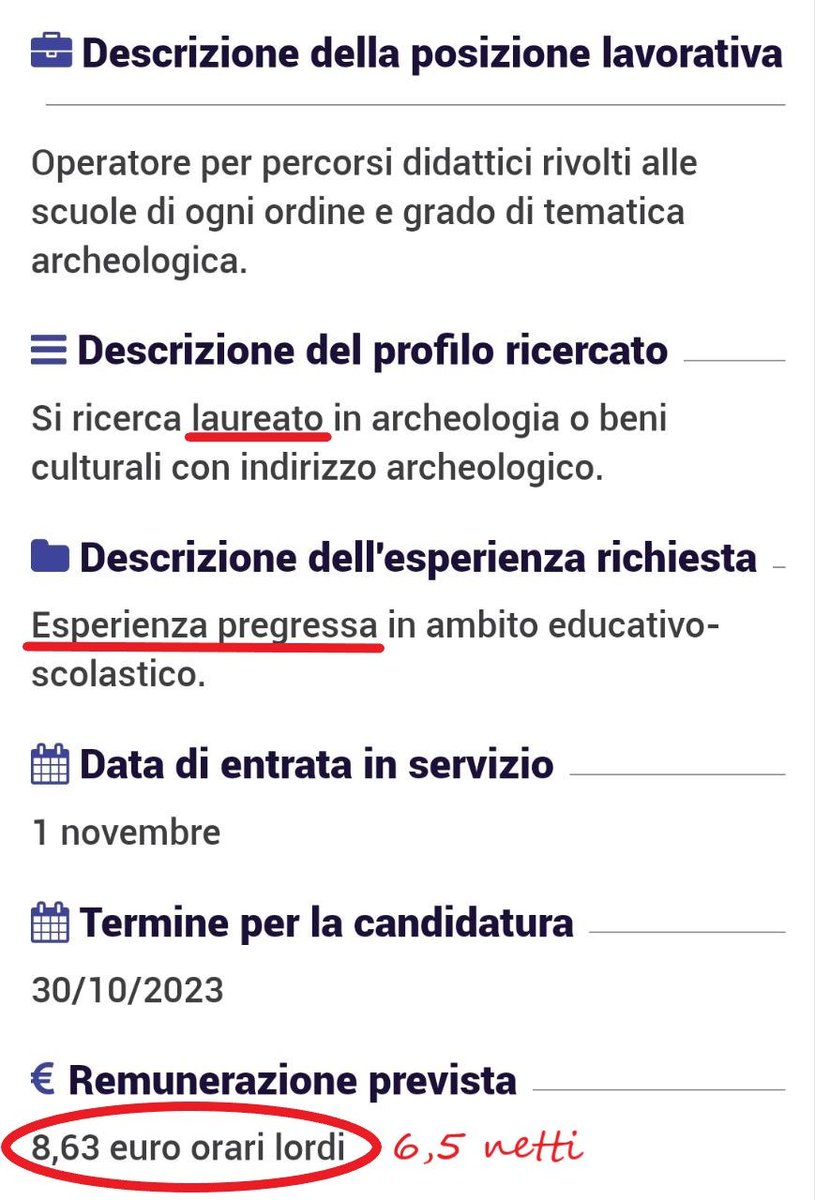
figuriamoci per poter dare alla propria famiglia una vita dignitosa, come recita la Costituzione. Se avete letto questo annuncio e non vi siete stupite/i, è normale: offerte raccapriccianti simili sono la normalità oggi. Siamo assuefatte/i. E da qui dobbiamo ripartire. 2/2
👆Fa meno impressione di offerte di lavoro da 4 o 5 euro l'ora, ma parliamo di un contratto per poche ore settimanali, per laureato con esperienza pregressa in ambito specifico, molto al di sotto di quei 9-10 euro NETTI orari che sono necessari per una vita decente 1/2
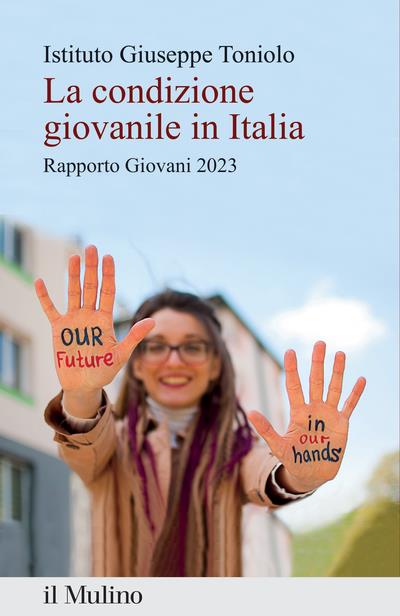
📌Domani #21ottobre: "La condizione giovanile in Italia, Rapporto Giovani 2023". L’Istituto Giuseppe Toniolo dal 2012, realizza il Rapporto Giovani con il sostegno di @FondCariplo e in collaborazione con @IpsosItalia, la più estesa ricerca sull’universo giovanile italiano
In parallelo, è successo questo fatto non da poco (qui l'interpretazione semi apocalittica di @maudelconte, io che sono un volgare praticone la vedo meno apocalittica, ma il diritto non è la mia materia quindi mi astengo da conclusioni forti) 👇
https://t.co/cVrAULZ29q
Quindi c'è una probabilità non residuale che il tutto si risolva in un nulla di fatto.
Il documento, però, fornisce una lunga e importante lista di questioni aperte, ineludibili per chiunque voglia trattare il tema, dal punto di vista politico o tecnico.
Seppure si tratti solo di una istruttoria tecnica, il documento chiude la porta al salario minimo a vantaggio di un'estensione dei CCNL. Opzione che però incontra notevoli ostacoli giuridici e politici (in particolare per definire quali parti sono rappresentative e quali no).
Coscienza di classe e coscienza di luogo.
Lo scrivo nel mio libro, disponibile dal 20 ottobre.
Però Piketty et al. lo dimostrano con i dati
👇👇👇
https://t.co/6JUDPVvwSN
Bisogna trarne le dovute implicazioni
👇👇👇
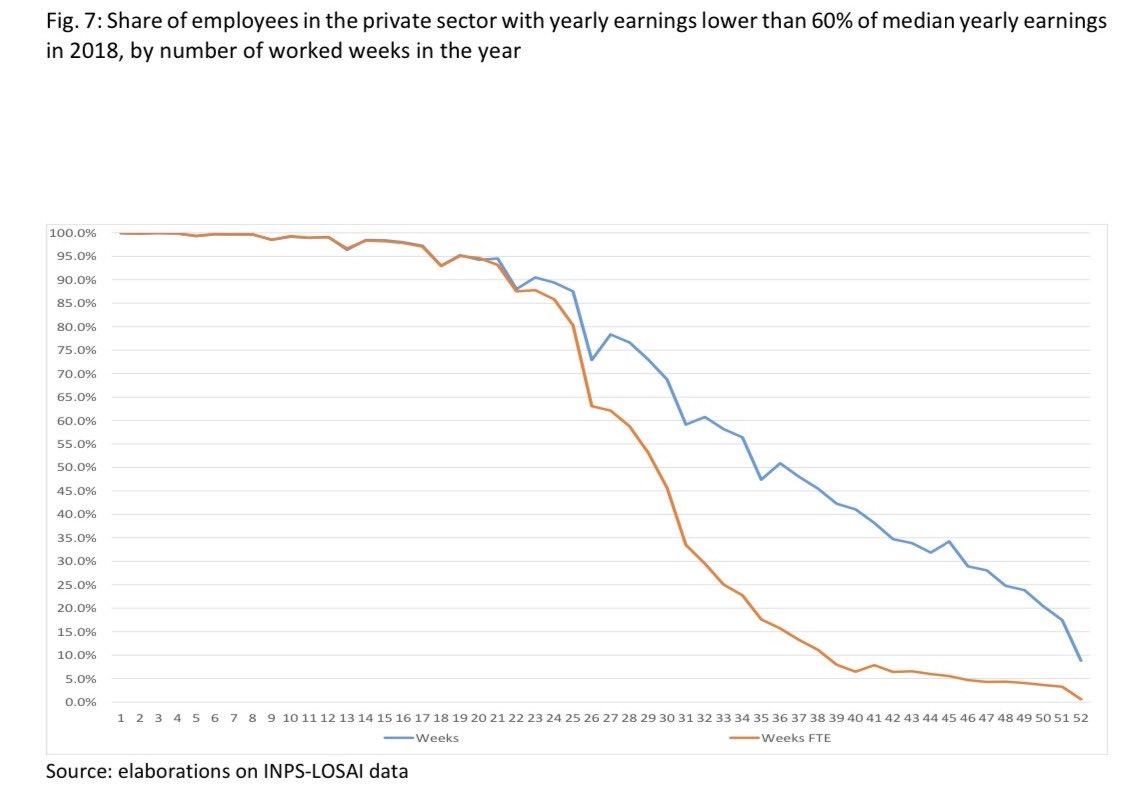
Ci si chiede come sia possibile passare da un 30% di lavoratori a basse retribuzioni (<60% della mediana) nel rapporto sul lavoro povero 2022 a quasi zero nel rapporto #Inps di quest’anno. La risposta è qui: uno considera tutti, l’altro solo chi lavora tutto l’anno a tempo pieno.