Postdoc with @DingemanseLab, @LMU_Muenchen funded by @dfg_public I @bearbiology I Individual variation in wildlife behavior I Outdoor adventures with my dog
Fascinating new research on how newborn antipredator tactics shape maternal movements in large herbivores. 54 populations of 23 species were included in the analysis. Our department was proud to be involved in this work - check it out! https://t.co/mIkXX1zwbP
Thanks to all co-authors including @JoergAlbrecht84@taoofcoffee, The Scandinavian Brown Bear Project, @dfg_public, @MSCActions . Graphical visualisation by @science_visuals.
What are the underlying determinants of individual variation? In our new paper we test in how far genetic heritability, maternal effects, the environment, or social- and individual learning contribute to individual dietary specialisation in brown bears: https://t.co/qIrXA5fvdk
In particular, the daughter's diet resembled her mother's diet in her first four years of independence, after which the relationship faded. We suggest that daughters learn foraging habits from their mother during rearing. Find the full paper in #naturecommunication
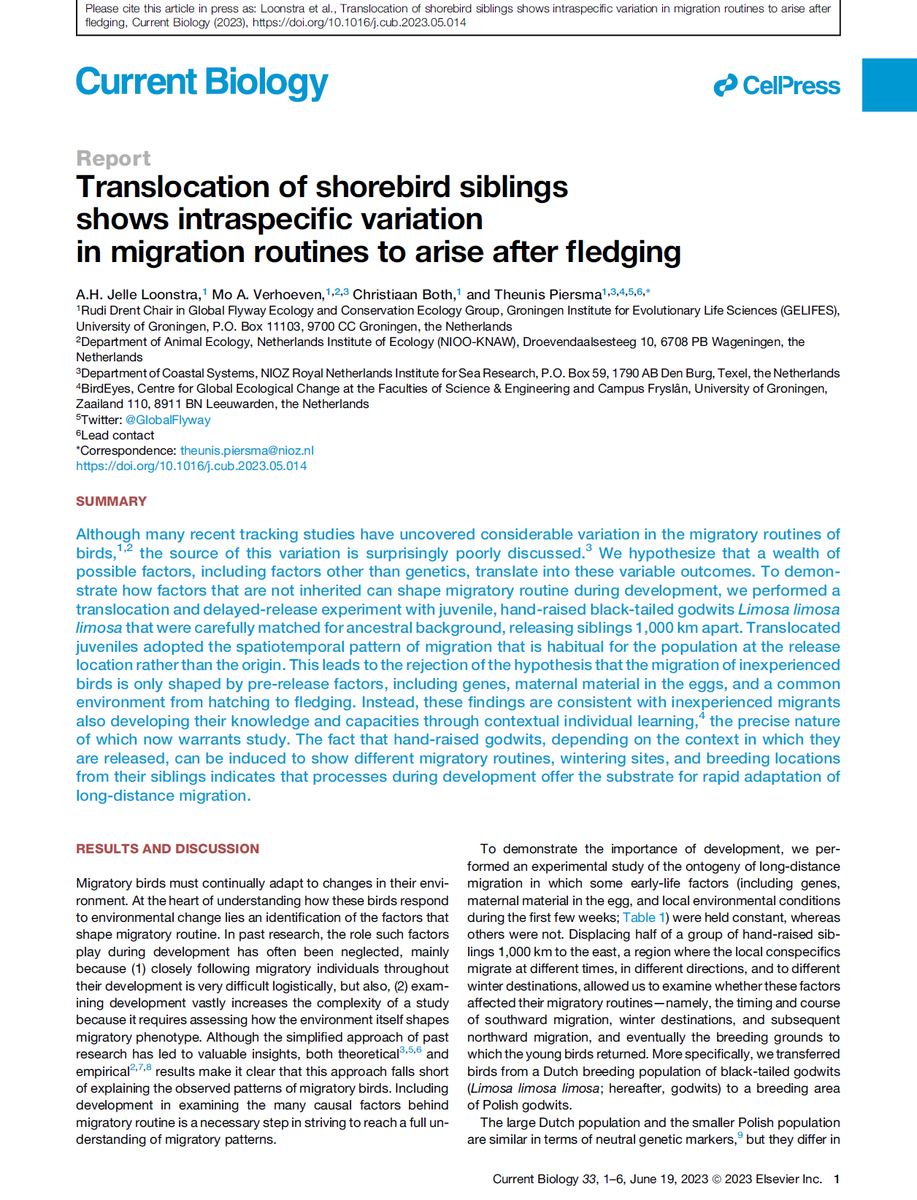
Godwits are NOT BORN WITH a route & a timetable.
Very happy with online publication in @CurrentBiology of our young #godwit translocation paper: https://t.co/yxRfe7DKN7
Developmental factors, i.e. #information, assembled after they have fledged, shape the individual #migrations.
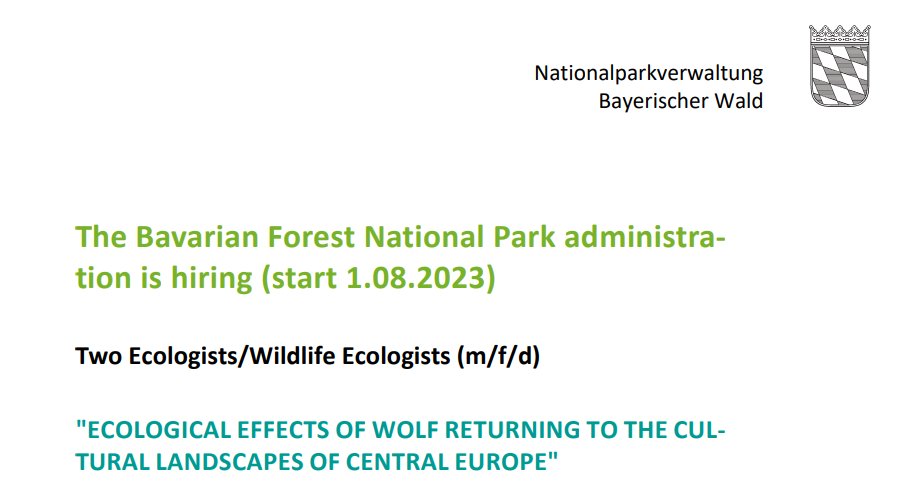
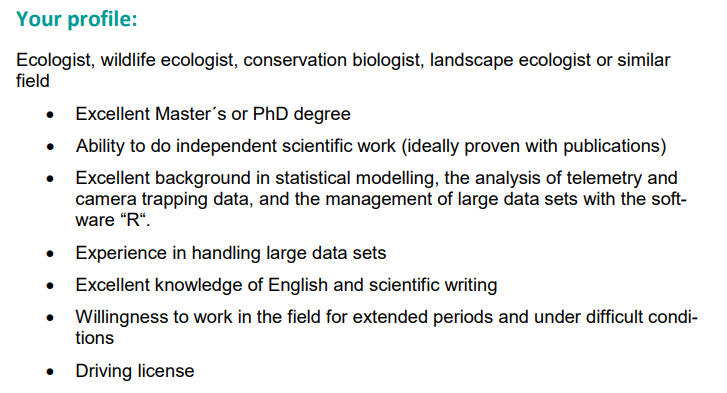
PHD/POSTDOC JOBS ALERT
✅ Wolves
✅ Germany's oldest national park
✅ A kick-ass team of researchers
You can message us your email address for a copy of the PDF. Please share!
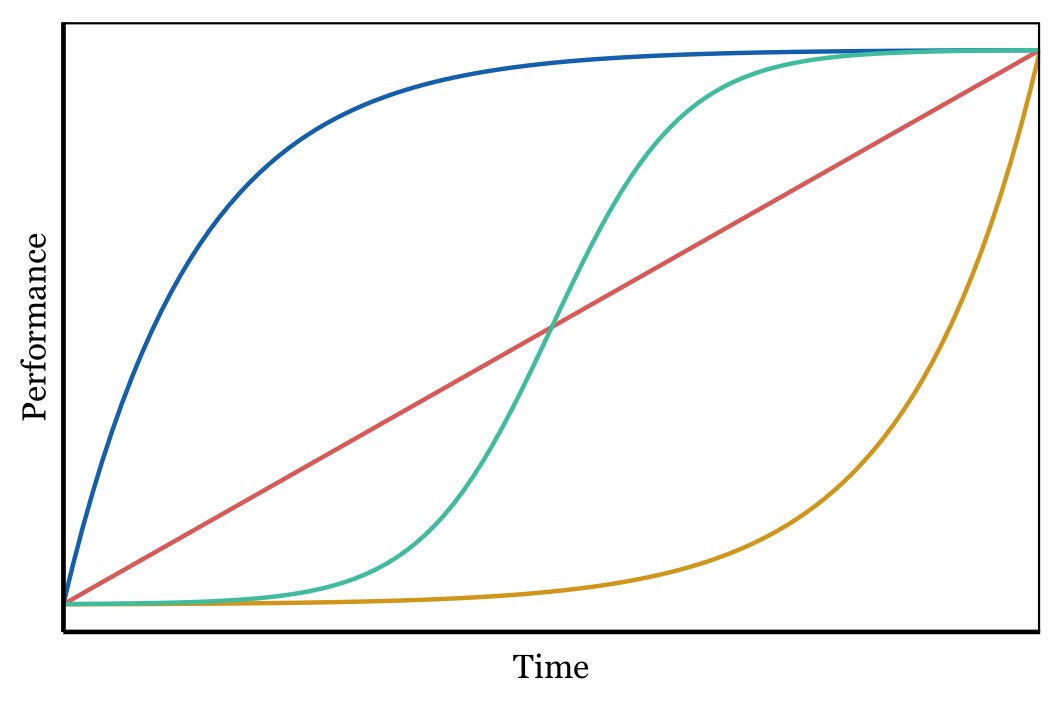
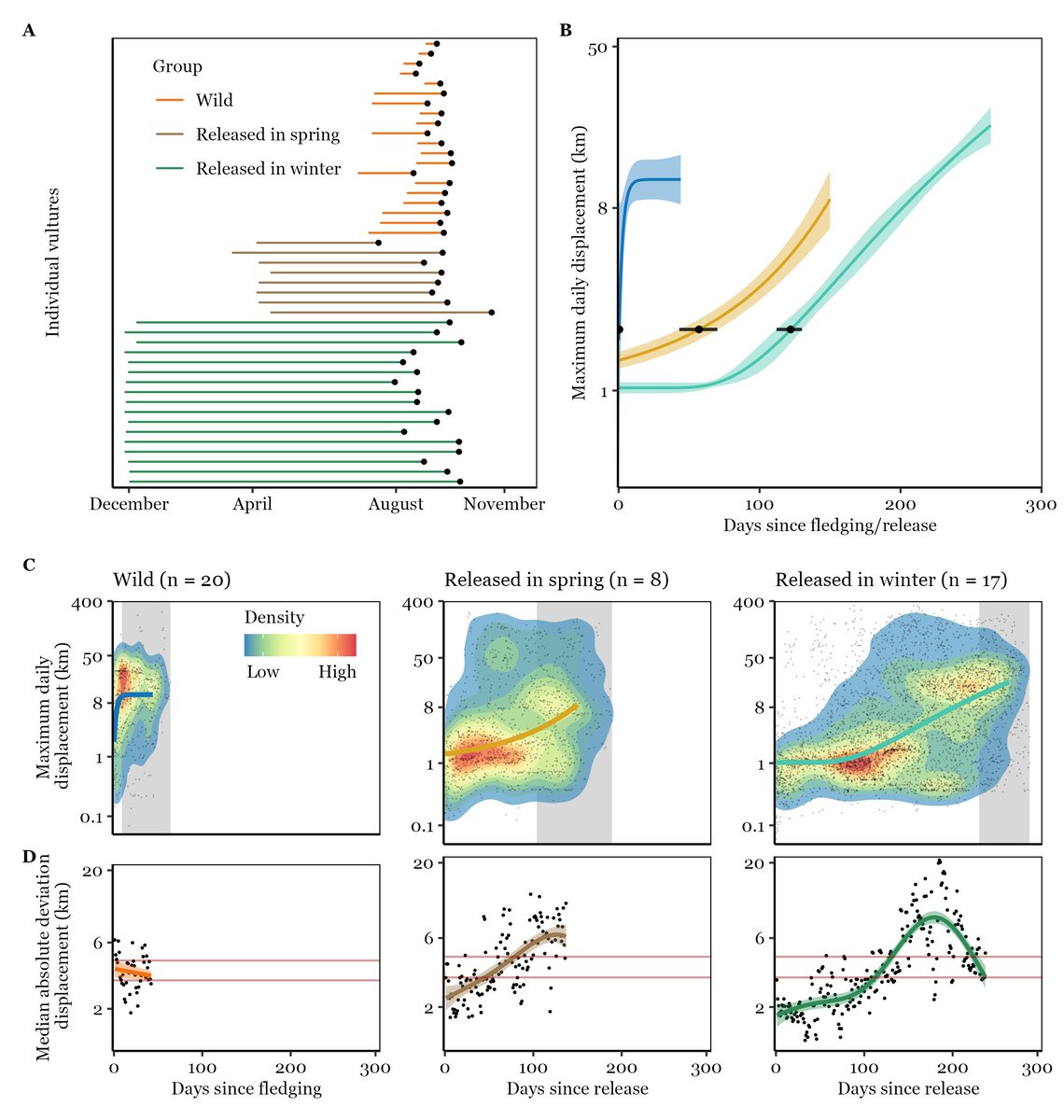
Relaxed time constraints allowed for the emergence of diverse functional forms of performance increases and hence great variability in individual ontogeny of movement behaviour. We suggest that relaxed ecological constraints could uncover hidden phenotypic flexibility in ontogeny
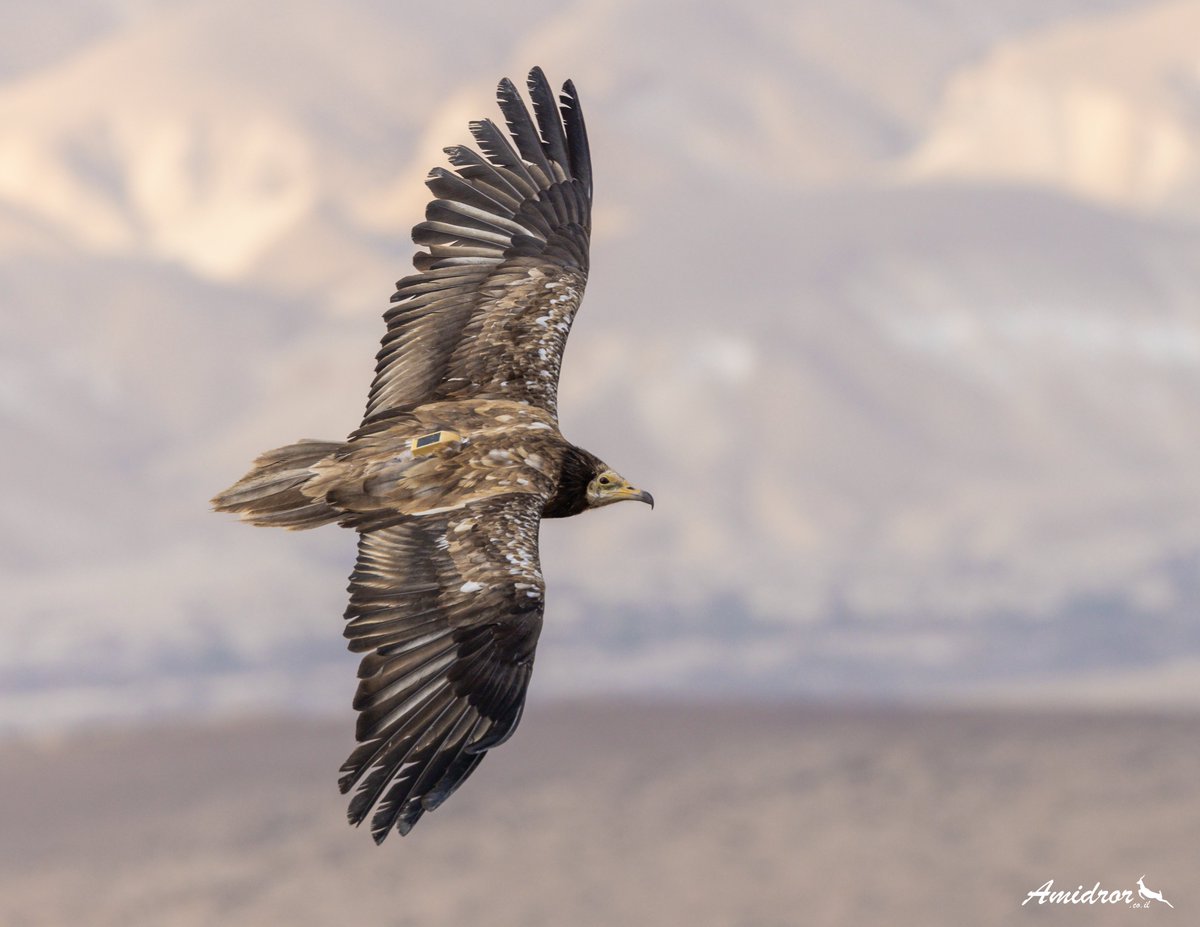
How do animals learn to move? Together with @ron_efrat & @oded_tal, we show a detailed account of the ontogeny of flight movements in juvenile Egyptian vultures from fledging until their first migration: https://t.co/3gTmWMycMM @RSocPublishing
@ron_efrat@oded_tal@RSocPublishing We compared wild vultures, migrating one month after fledging, with captive-hatched vultures, released four or nine months before migration. Time until migration paced the development of movement behaviour: producing asymptotic,exponential or sigmoidal performance increases, resp
"A new world appears before our eyes" - that's what it's like for master's student Jelena Belojevic when she analyzes samples under the microscope in the lab. More about the Master's program "Evolution, Ecology and Systematics": https://t.co/bliwZKtstB