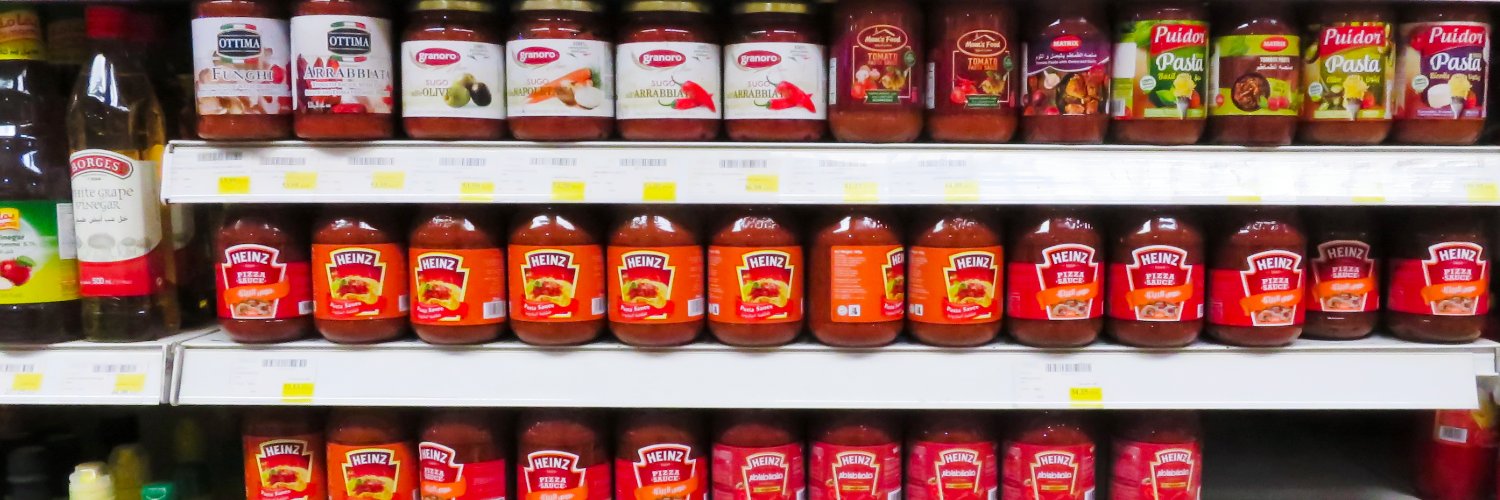
Introducing the Palestinian Foodways Bibliography: a collaborative effort to collate, document, and honor the myriad writing, research, and other forms of documented knowledge about Palestinian foodways.
https://t.co/4wBuzcCt9M
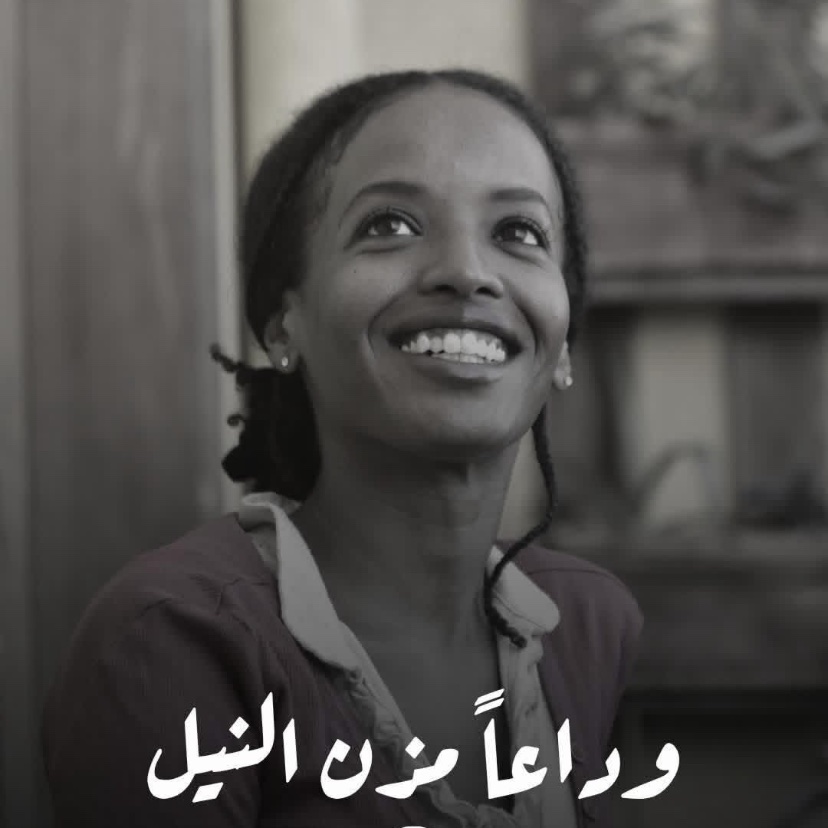
On this third year anniversary of the war in Sudan we woke up to the devastating news that our friend and comrade Muzan Al Neel has passed away. She was a brilliant revolutionary thinker, writer and organizer and a wonderful human.
Inna lillahi wa inna ilayhi raji'un
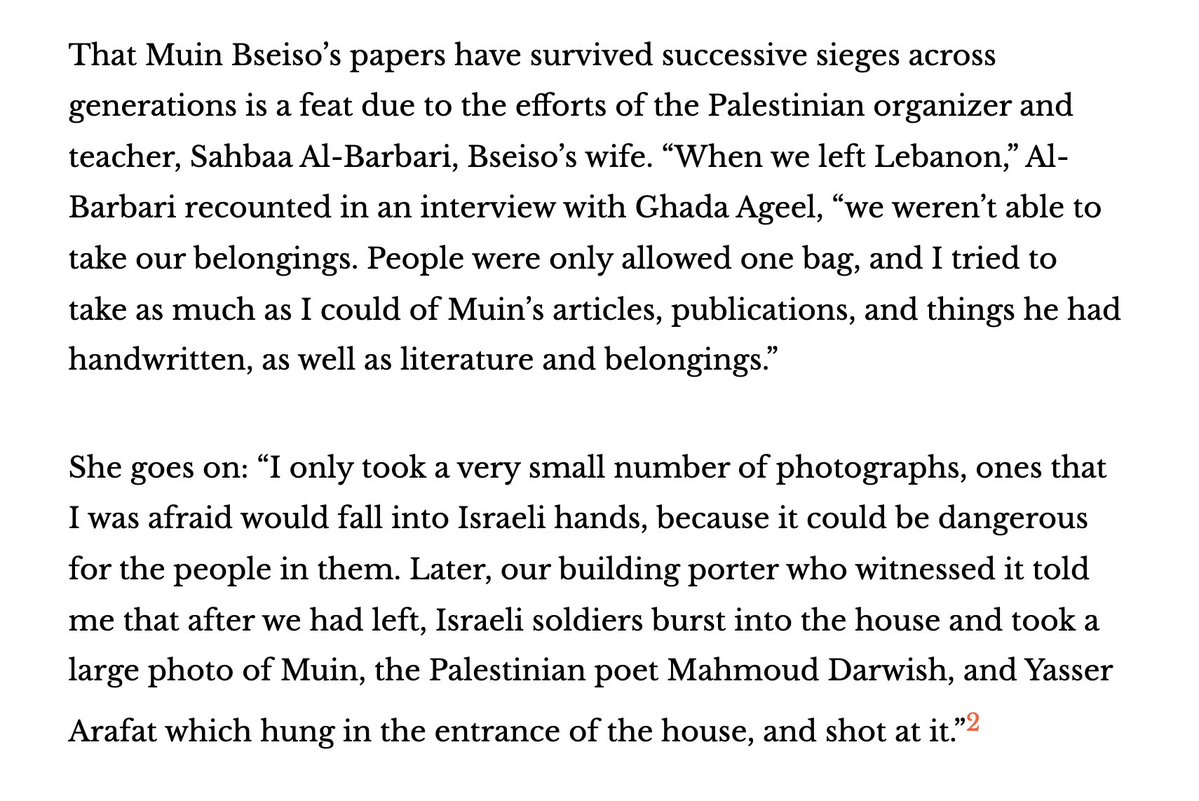
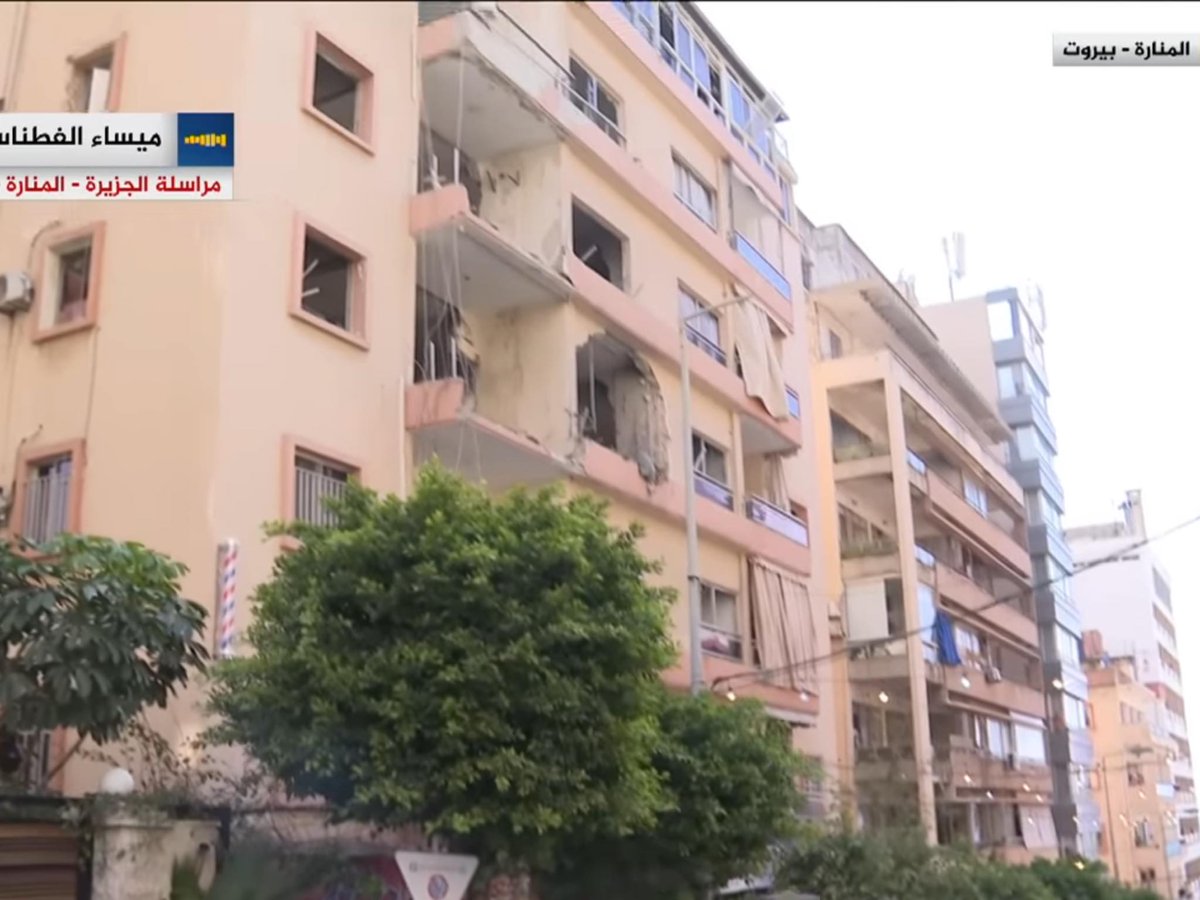
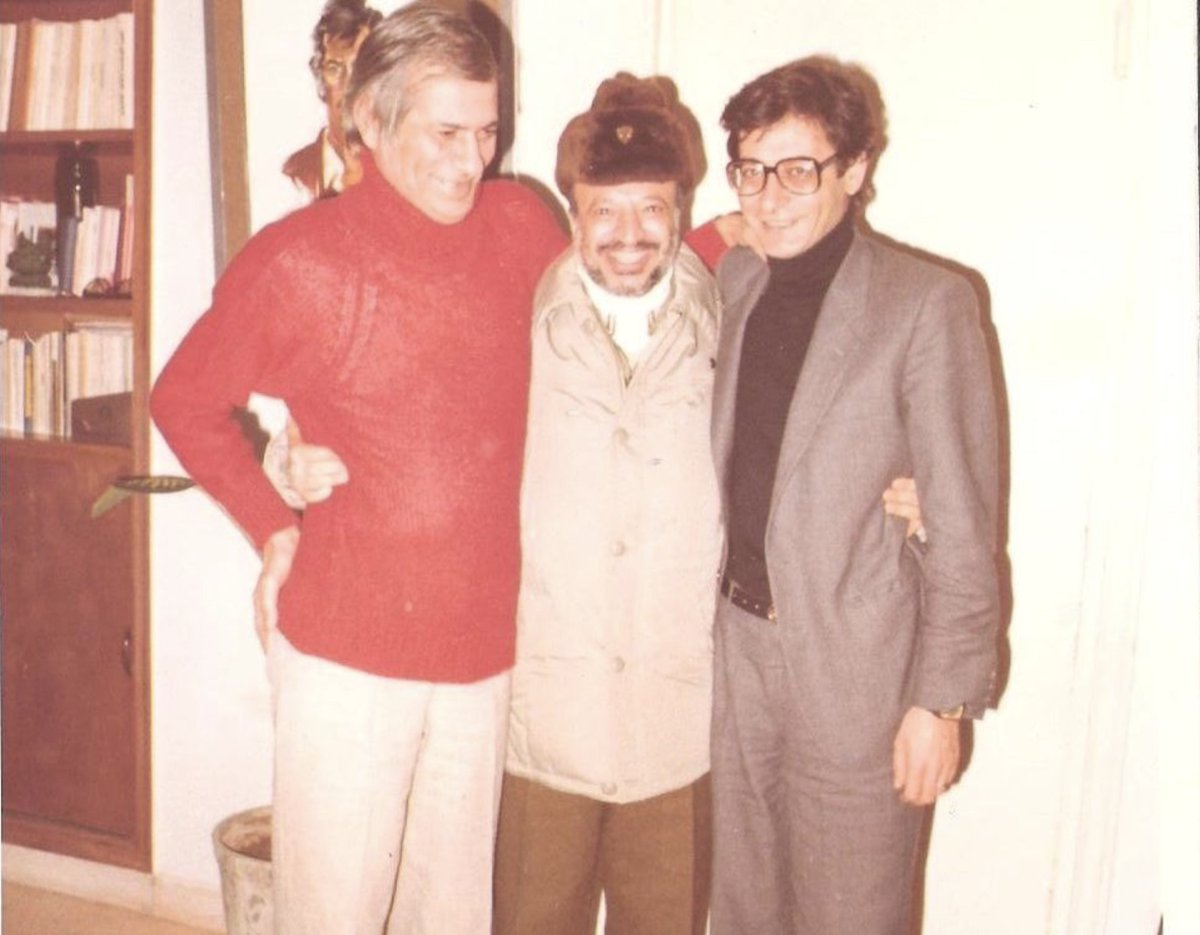
The apartment where Muin Bseiso and Mahmoud Darwish wrote their joint poem "Letter to an Israeli Soldier" during the 1982 siege of Beirut, was bombed yesterday by the Israelis. Our siege is long.
This Friday I am going to park myself on Reddit to answer as many questions as I can about the TOMATO in EGYPT. Bring your questions! I will do my very best to respond!
https://t.co/uOx7xtuqqN
A third of materials for the world's fertilizer passes through the Strait of Hormuz. The war has plunged much of the world into potential for food insecurity. “The window to avert a massive global hunger crisis is rapidly closing," IRC head says.
https://t.co/zkvRP0U8to
Palestinian activist Leqaa Kordia, recently freed after more than a year at an immigration jail in Texas, describes the brutal conditions inside. "ICE dungeons are … built to break people mentally, to break people down, to make you give up, to make you beg to be deported."
🍅📖 From archives to home kitchens, Anny Gaul showed us how the tomato reshaped Egyptian cooking and reflects cultural identity.
Catch the recap of Anny Gaul's Nile Nightshade book talk 🔗https://t.co/YMqMJcPr9K
What's in a tomato?
Displacement, industrialization, and some true and false myths of home-making.
In Nile Nightshade: An Egyptian Culinary History of the Tomato, using an approach termed "commodity history," Anny Gaul takes us on the long journey of one of Egypt's most beloved vegetables.
Despite their seemingly ancient presence (they are a staple in our grandmothers' recipes), tomatoes are a recent introduction into Egyptian cuisine. Tomatoes traveled all the way from the Americas in the early 1900s, accompanying the political winds of change that blew through Egypt.
Nile Nightshade is an invitation to stay conscious of the connections between culinary cultures and political economy.
Check out the interview with Anny Gaul on Jadaliyya to learn more about this fascinating history!
https://t.co/roAkOE7AHm
Between 2007 and 2010, more than half of all newborns in Fallujah had birth defects. In the 2004 Battle of Fallujah, the US used depleted uranium and white phosphorus munitions so extensively that there's permanent levels of heavy metal toxicity in the population even today.
The US treated Fallujah as a “free-fire zone”, attacking all civilian infrastructure with incendiary weapons. American troops attacked Fallujah General Hospital because they said it was "a center for propaganda" given it was publishing the casualty numbers from US attacks. Sound familiar?
The use of chemical weapons there contaminated and poisoned the soil, the land, resources, water and livestock. Adverse health issues such as infertility, cancers and birth defects today are direct results of that.
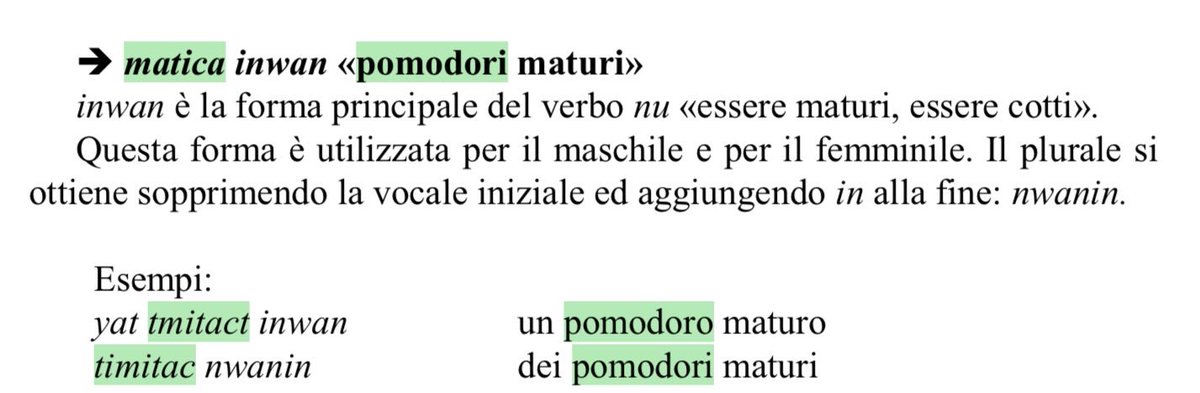
realizing that the reason tomatoes are called mātīša in Moroccan Arabic is probably because the first "t" in "tomates" was interpreted as a Berber feminine prefix and dropped 🤯🍅
(and yes I'm studying Tashelhit with an Italian textbook rn lol. "c" is used for š here)
If you're in the Bay Area, would you consider adopting one of these cats? Two are bonded and should be adopted as a pair (don't separate friends!). Also, please spread this message 👇, as they can't take any more rescues until other cats are adopted.
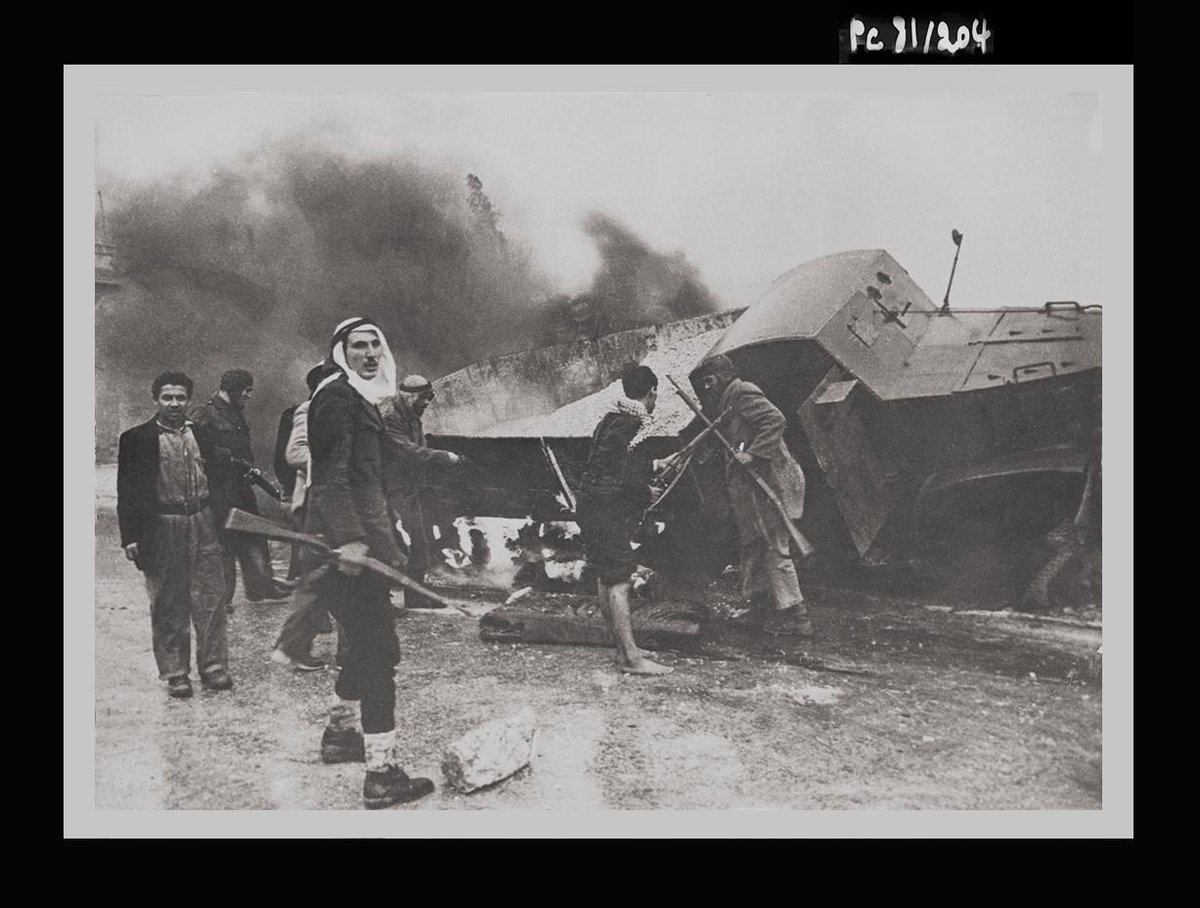
Historian and co-founder of IPS, Walid Khalidi (1925-2026), was the first to reveal “Plan Dalet,” the Zionist strategy of conquest in Palestine in 1948.
We honor this, and all of Walid Khalidi's contributions to Palestinian historical memory. https://t.co/SZTFgKV5ZH
"We have been here for nine months,” wrote the 9-year-old. “Please get us out.”
"I miss my bear," the 5-year-old said.
In letters & drawings, the longest-held family at the Dilley ICE detention center describe it as "slowly killing us on the inside."
https://t.co/ZwLuMWb1Al
Egyptians are suddenly grappling with two shockwaves: an overnight 30% surge in oil prices + a rapid slide in the EGP, against the backdrop of years of sharp currency devaluation, mounting debt pressures+ steadily rising fuel + living costs (EGP lost approx 80% value since 2016)