At this joyful time of year, @sarahpowellphd and I share the onion video… for the benefit of all onion-cutting stuffing-makers and teachers … here’s how you cut an onion taught using explicit instruction https://t.co/wgzlnaaePL … Learn a teaching strategy. Save Thanksgiving.
If you're looking to really dig into the Science of Reading this year, kudos to you! To help you along your way, we put together a list of 30 Science of Reading resources. Enjoy!
https://t.co/5W1MJeYdpP😊
#heggerty#phonemicawareness#thescienceofreading
Emily Hanford notes schools are teaching both phonics & strategies that reflect the cueing system. We need to stop presenting students with conflicting information because it interferes with the mapping process and their ability to become proficient readers. #PaLitSymposium2020
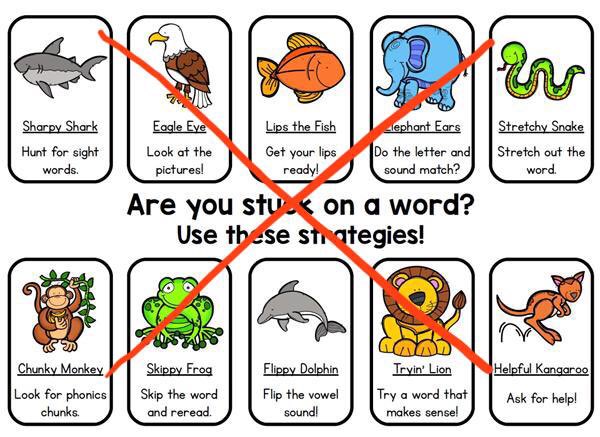
Any teachers out there using Skippy Frog, Eagle Eye, Tryin’ Lion, etc. PLEASE ditch them.Guessing is not a strategy and is not what good readers do!Use Lyn Stones’ decoding dragon and Pam Kastner’s PSST bookmarks instead! #PaLitSymposium2020@lifelonglit#teamnorthern@liv2learn
Raise your paw to become a lifesaving cat foster! If you'd like to be a part of our lifesaving cat foster family, please email our foster coordinator at [email protected] or by calling the shelter at 610-373-8830. Thank you! 😻
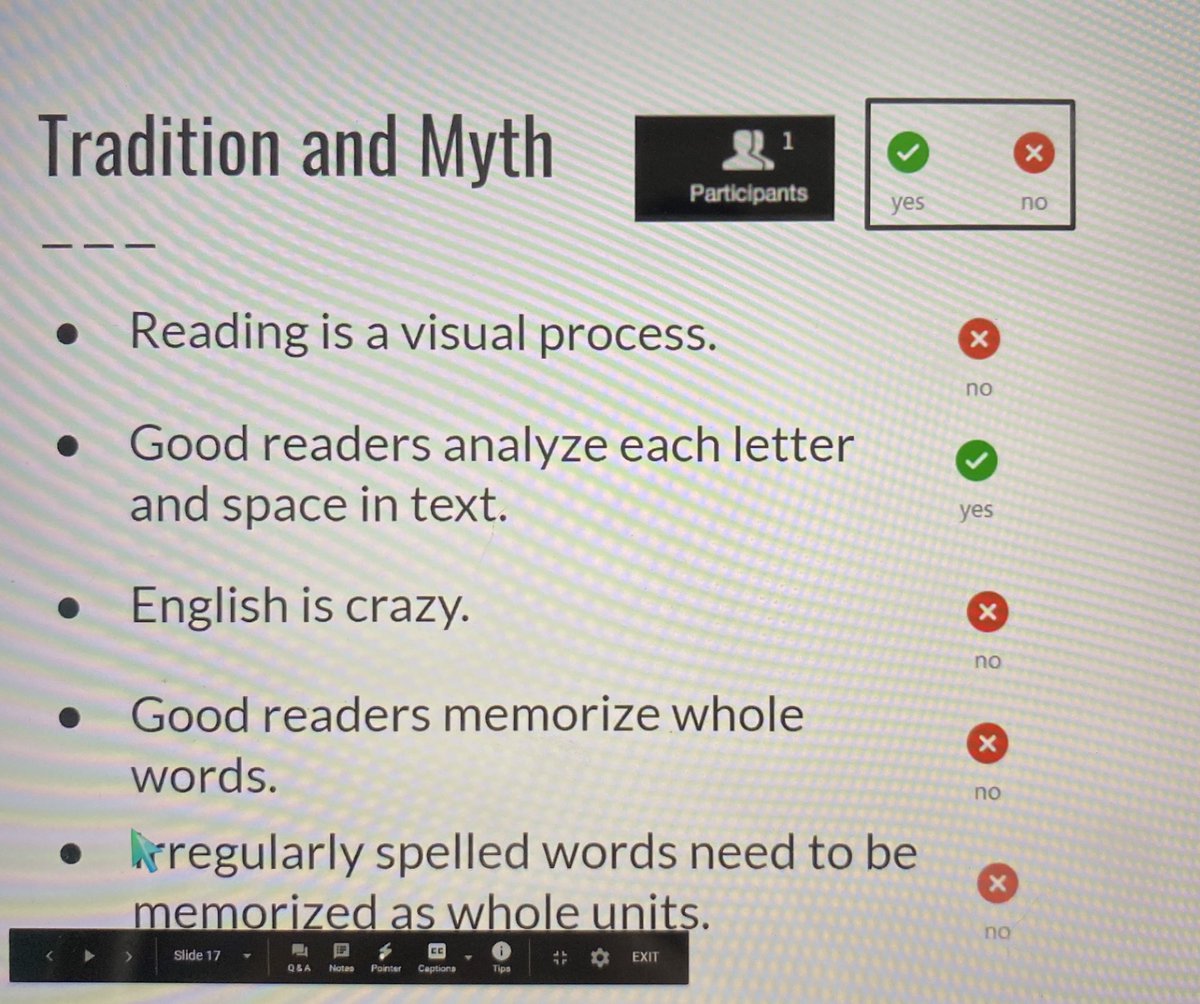
Great session on orthographic mapping and sight words. Many reading myths debunked. We need to get away from memorizing whole words and instead draw students’ attention to the regular and unexpected parts of words to support their mapping of words. #PaLitSymposium2020
We need to stop telling kids that “trick/sight” words can’t be tapped out! It IS possible to say the sounds of the word and this sounding out process is going to aid the students. Then we need to help them learn the tricky parts. Thinking they’ll learn it magically isn’t working.
1. Many recent posts about "sight words"on FB lit. pages & still so many think using flash cards to memorize words is actually TEACHING kids to read. What does David Kilpatrick have to say? Watch this snipped presentation clip to see. https://t.co/fvNhIkVL4o @ReadingLeaguePA
The Fox Reading Conference (3-21-20) is now fully online and free of charge. Register now to learn about the Science of reading from Louisa Moats, Louise Spear-Swerling, and Margie Gillis. Register to get access to this great learning opportunity. https://t.co/9n3gL89BAG
Yes! It’s shocking as a primary grade teacher to learn that so many kids who left K/1 appearing to be strong readers actually require intervention in the upper grades because of gaps we unknowingly left in their foundational skill development.
So true!! And until the core curriculum is based on the science of reading, includes knowledge building and numerous opportunities for practice, reading support and special education classes will continue to grow unnecessarily.
“It”s not drill and kill, it’s giving children multiple exposures to build the visual word form area.” A must watch video clip of Maryanne Wolf’s presentation at the Reading League Conference. #TRLConf2019
If you use F & P’s BAS assessment, this is an important article to read. It’s written by Margaret Goldberg from the #righttoread group in Oakland. https://t.co/gn1SY6Pw6Z
Yes, to teach students to read is going to take a thoughtful curriculum. Patching pieces together is insufficient. Phonics by itself needs sequential lessons, but what about vocab/comp/oral language/writing? It needs to be integrated thoughtfully.
Guided reading is not the best approach for students who are in the learning-to-read stage. They need instruction that explicitly teaches the structure of the English language where phonics skills are taught in a sequence and with decodable text that provides cumulative practice.