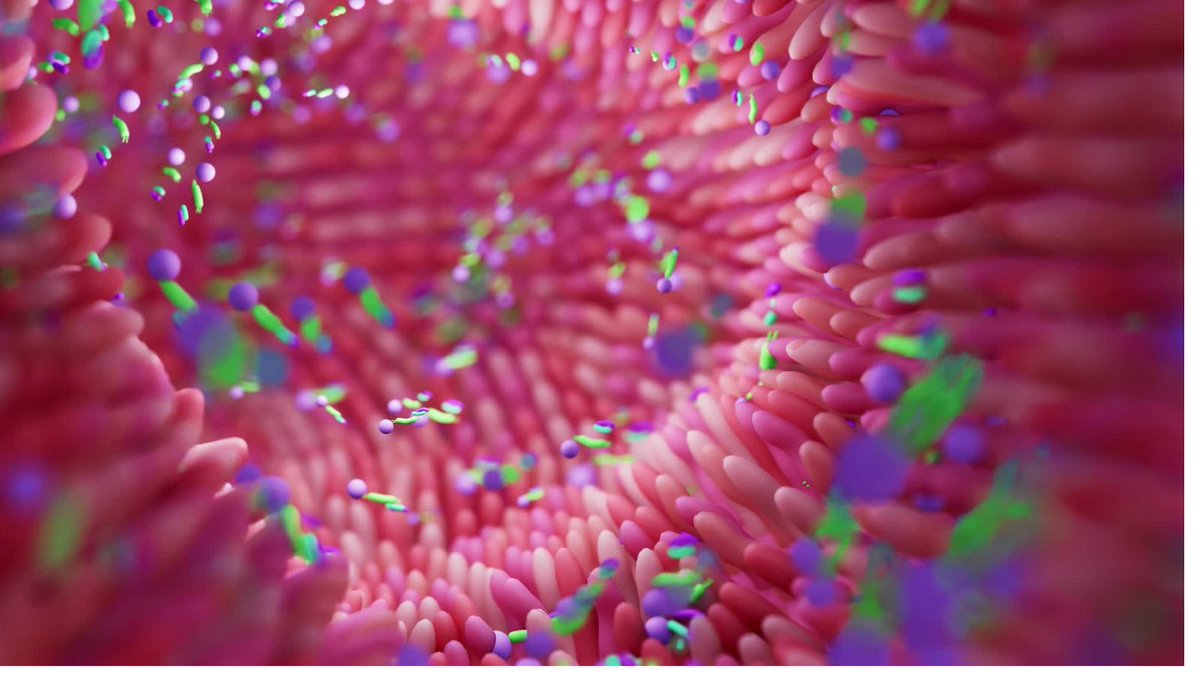
The 4 major microbes that I keep in rotation for my Yogear and where I get them are:
1. BioGaia Gastrus: L. Reuteri
2. Yakult Drink: L. Casei Shirota
3. Digestive Advantage: Bacillus Coagunlas (anti-inflammatory)
4. Dr. Mercola BioThin: L. Gasseri (gut health)
Some dietary supplements for sugar cravings can help minimize and reduce the urge to overeat sugar.
And yet other supplements may help reduce the desire for sugar because they make your cells more responsive to glucose.
Not surprisingly, there are many research-backed nutritional supplements that can help you win the battle against sugar.
They will help reduce your sweet tooth, in other words.
Keep in mind, one of the most important things you can do to reduce sugar cravings is to eat balanced meals with lots of protein.
You should also eat enough food at mealtimes so that the urge to snack is minimized.
And, be gentle with yourself- a little indulgence in sugar once in a while is normal.
Why you need supplements for sugar cravings
The sequence of nutritional depletion due to eating sugar is staggering. Here are the key points of how sugar robs you.
➡️Displaces nutritionally superior foods
➡️Decreases appetite for more nutritious food
➡️Depletes nutrients within the body
➡️Provides zero nutrition
➡️Causes insulin resistance.
➡️Insulin resistance decreases the use of glucose for energy so you crave more sugar due to a lack of energy
➡️Impairs the ability to burn fat
➡️Energy requirements are also increased due to elevated insulin levels.
➡️Sugar induces a state of ‘internal starvation’
➡️Decreases nutrient absorption due to intestinal irritation/damage
➡️Increases nutrient losses caused by reduced absorption, leading to diarrhea
➡️Damages the cellular components that help burn calories
➡️Produces unnatural drug-like cravings leading to a vicious cycle of continued consumption and further nutrient depletion
High-quality supplementation of vitamins, minerals, and botanicals may help offset some of the issues listed above caused by long-term sugar consumption.
This can include natural B vitamins, and minerals like chromium, magnesium, zinc, and others.
Protein
Protein supplements and protein powders may reduce sugar cravings, especially if your diet is lacking in protein. This should come as no surprise because protein foods help keep you fuller longer than carbohydrates like sugar.
Whey protein is especially helpful because it increases GLP-1...move over Ozempic!
Gymnema Sylvestre
Gymnema Sylvestre is an herb that decreases the desire to eat sugar because it reduces the pleasing taste of sweet foods according to research. This makes Gymnema stand out as one of the best-proven supplements to reduce or stop sugar cravings.
This herb also helps reduce body weight and body mass index. It also improves insulin sensitivity, and blood sugar levels, and improves glucose tolerance.
Chromium
Chromium is an essential mineral in the body that helps metabolize sugar. Research shows that chromium picolinate reduces sugar cravings in people with some kinds of depression.
It also reduces food intake and food cravings in overweight women.
Resveratrol
Resveratrol, an antioxidant present in red wine, has many health benefits. One impressive benefit is that it improves glucose control and insulin sensitivity, with an overall improvement in the ability to stabilize blood sugar. When blood sugar levels are stabilized, you are less likely to crave sugar.
This healthy antioxidant even helps reduce body fat, body weight, and waist circumference according to research.
Zinc
Zinc deficiency causes cravings for sugar because it leads to impaired glucose tolerance.
Supplemental zinc helps reduce fasting glucose levels and improves glucose tolerance. As a bonus, it reduces hemoglobin A1C according to the American Journal of Clinical Nutrition.
Magnesium
Craving sugar, specifically chocolate, is a sign that you may be low in magnesium.
Magnesium is a mineral that helps improve blood sugar levels as well as glucose tolerance according to the European Journal of Clinical Nutrition.
Glutamine
Glutamine is an amino acid that can help improve blood sugar control and helps stabilize blood glucose levels.
Another beneficial effect that glutamine may have for you is that it can reduce muscle fatigue. Additionally, glutamine helps to fuel your intestinal cells, allowing for more efficient nutrient absorption.
Many people report that they stop craving sugar when supplementing with L-glutamine daily, although research has yet been conducted to support this.
B Vitamins
Many people stress-eat and tend to eat a bunch of sugary foods when anxious.
But did you know that B vitamins may help reduce stress levels? B vitamins are also responsible for helping the body make energy so that your body perceives it is getting more from food.
Stress B vitamins don’t necessarily change blood glucose levels but they do help turn glucose into energy. This may indirectly reduce sugar cravings.
Make sure to choose the best natural vitamins when adding extra B vitamins.
Fish oil
Fish oil may help improve insulin sensitivity and cut the risk of diabetes. Taking fish oil supplements is a good long-term strategy for health and glucose management, but isn’t a quick fix for sugar cravings.
Tryptophan
Tryptophan is an essential amino acid that is responsible for making serotonin. Mostly sold in the supplement form called 5 HTP, tryptophan reduces cravings for sugar and increases preference for protein over carbohydrate intake.
As a bonus, 5 HTP helps many people have a happier mood. It often works best when combined with the amino acid tyrosine.
Tyrosine
By boosting the happy brain chemical called dopamine, L-tyrosine may reduce the desire for mood-induced sugar cravings. Additionally, tyrosine may give your mood a more happy and focused feeling.
Iron
If you are low in just about any nutrient, the body can be low in energy and will seek out sugar to compensate. Iron is no exception. Additionally, iron deficiency anemia may impair glucose metabolism in the body. This type of deficiency is very common in women of childbearing age.
Fiber
Fiber supplements may help curb sugar cravings because they make you feel full longer and also promote the growth of healthy bacteria in the gut.
A healthy gut means fewer cravings for junk foods, including sweets, according to Psychology Today.
Probiotics
Probiotic foods and fermented foods undoubtedly help you crave less sugar. This is because the healthy bacteria in your gut can dictate a lot about the foods you crave. Research shows that a healthy microbiome plays a key role in keeping you from eating unhealthy foods like sugar.
If that wasn’t enough, probiotic supplements are helpful for mood too. This, in turn, may help reduce your food cravings.
GABA
GABA is a supplement that may help curb sugar cravings because it reduces inflammation and protects the cells that produce insulin in the body known as beta-cells.
What causes sugar cravings?
It is normal to crave sugar. However, intense sugar cravings and frequent eating of sugary foods aren’t. These intense cravings are caused or created by imbalances in the body and imbalances in the diet.
Often, the main cause of sugar cravings is a chronically high blood sugar level. This can be caused by insulin resistance, which makes the cells in your body perceive that they are starving for sugar.
In order to reduce blood glucose levels and stop sugar cravings, you need an ample supply of nutrients such as magnesium, B vitamins, healthy fats, and protein in your diet. Certain herbs like Gymnema Sylvestre can help balance blood sugar too and reduce the desire for sweet food.
Other causes of excess sugar consumption are stress, poor sleep, genetic tendencies to prefer sugar, and the habit of eating a lot of sugar.
High intake of sugar creeps up on you
Sugar craving is like quicksand; you may not realize you have slowly increased the amount you eat until you are entrenched in it.
Slowly but surely it begins to take over more and more of the food real estate in your diet. You need some understanding of how this happens to learn to beat sugar cravings.
No one is under the illusion that sugar is somehow beneficial for us. “Hey, I should eat more sugar, it is good for me.” Those words have never been spoken and for good reason.
Yet, sugar often slowly encroaches on healthy eating. For some of you, it becomes like a giant claw taking hold. It grabs you and dominates your diet.
Sugar cravings through the seasons
Summer can be the worst for sugar cravings, where cold treats and refreshing beverages with sweet iciness are practically everywhere, promising our bodies energy and relief from the heat.
Then shortly after that, Halloween candy saturates your cells. Before you know it, the holidays are upon you, and half of your year is resigned to battling your willpower.
Spring is spent fighting the cravings, only to be plunged back into the heat of summer again.
Even if sugar isn’t an overly sweet treat at hand, it is added to just about every food item in the store from cereals to bread and snacks.
All humans LOVE sugar
It tastes great, it instantly gratifies, and we are hard-wired to want sugar.
Yet sugary food has its grip on so many people and it really isn’t doing much for us besides instant gratification.
Research has barely touched the surface of the intricate dance of food cravings, appetite control, food-pleasure response, mood, and environment interactions with our genes.
What is clear is that sugar is extremely difficult to avoid in modern culture. But learning to understand your own internal driving forces may be the key to keeping sugar at bay in your life.
We also eat sugar because our brains still think famine is around the corner.
We were most definitely not designed to have energy drinks, soda, cookies, candies, and sugar-infused packaged foods at every turn.
Why do we crave sugar and making better choices
We crave sugar because, from an evolutionary standpoint, it helped prevent starvation in times of food scarcity.
Humans gladly eat up every last morsel of sweet food to get through droughts, winters, and shortages. In one human’s lifespan, there would be many of these hardships in the past.
Even when getting some sugar in the past, people mostly ate honey, as cane sugar was rare.
Honey, by the way, is a much better option than sugar. Additionally, it’s better to reach for some fresh fruit or dried fruit instead of sweetened beverages or foods. This will help balance your microbiome to result in fewer cravings in the long run.
The problem with excess sugar
Since the early 1900s, people have almost tripled their sugar consumption, and the levels of intake go unabated today. The average intake of sugar calories per day is 300 calories. That is the equivalent of almost 1/3 cup of sugar per day. Evolution tells us to eat up.
Even so-called health foods sneak in a lot of added sugars. And yet here we are, faced with fighting our hard-wired desire to survive when it doesn’t really apply in a world of plenty.
Some experts argue sugar is the biggest driving force of obesity, chronic diseases, and healthcare dollars [R].
Enter the 1980s: high-fructose corn syrup hits the scene and sugar becomes more saturated in our foods than ever.
Knowing that our evolutionary wiring is designed to make us want sugar may not change the action, but education is half of the behavior change.
Packaged, processed foods are sabotaging our diet
Evolution forces us to use sheer willpower when faced with sugar everywhere, and a “just say no” mentality at most turns.
We really aren’t meant to be faced with excess sugar at every turn.
Sure, we can occasionally indulge in small amounts of sugar when it really counts, but external forces of packaged foods everywhere are a problem.
That’s why supplements can be a helpful tool.
How your belly bacteria dictate sugar cravings
Do residents in our gut cause sugar cravings? Some bacteria that live in our gut known as our microbiome may drive our appetite for sweet foods and increase overeating tendencies.
Say what? They aren’t even part of our bodies, these little bacteria. And yet they send powerful signals and transmit messages to our brains about what we should and shouldn’t eat.
Who is in charge of whom one might wonder? Some unlucky folks have high amounts of bacteria that tell them to crave and eat a lot of sugar.
Luckily, many fermented foods and probiotic strains seem to help people lose weight, including Lactobacillus gasseri.
Additionally, fiber from a diverse diet of vegetables and plant sources plays a big role in the proliferation of healthy gut bacteria. These foods seem to reduce cravings by helping the “healthy” bacteria in our gut thrive and also provide feelings of fullness.
Sugar itself causes harmful bacteria to thrive regardless of your own gut ecology.
It is possible that if you are able to give up sugar (and processed foods) for at least 3 weeks, these bacteria start to get outnumbered by the more beneficial types that keep you lean.
Why 3 weeks? It often takes 3 weeks to develop new diet habits. Try the no-sugar challenge for 3 weeks; don’t crash diet, just eat whole foods, and in moments of sweet cravings, choose fruit or even honey to break the habit.
Honey won’t overtake your diet as it is so much less convenient than added sugars. It also has its own health rewards for the gut.
Reduce sugar cravings by fixing your diet
Sometimes sugar begets more sugar. This is because it depletes key nutrients that drive energy.
You run low on energy and then crave more sugar to compensate for the lack of energy that sugar initially caused by making you deficient.
Think of it like alcohol; it robs the body of nutrients like some of the B vitamins, and certain minerals as well.
Sugar causes disruption of the gut by increasing inflammation, making more insulin that causes further fatigue ultimately.
Because of this, you will need to heal yourself by switching out sugary foods for whole foods that are rich in protein, healthy fats, vitamins, and minerals to stop the cycle.
Try eliminating sugar for 3 weeks
But to really begin to change the damaging patterns that sugar causes, a diet that is committed to eliminating or drastically reducing simple sugars and processed carbohydrates is needed to change the trajectory of poor health.
Give this a try: eliminate all added sugars for 3 weeks. Commit to this time period, and you may be surprised how little you miss sugar after that.
Reduce stress to reduce sugar craving
Stress is driven by too much sugar, and stress itself amplifies sugar-eating.
The stress hormone cortisol in turn causes blood glucose to rise.
This rise in cortisol causes an increase in insulin, and drops testosterone, both of which can result in weight gain and fatigue, which circles back to craving more sugar.
Total sugar intake is related to cortisol and the amount of visceral fat, the most dangerous kind of fat in the body.
It is best to help beat stress by going against the craving and eating healthy fats, proteins, and nutrient-rich foods like greens and whole foods.
None of these foods come in a pre-made package.
Reset the stress; look at what you will and won’t tolerate as daily problems because stress doesn’t necessarily go away.
It might help to remember that another word for stress is fear. It is not healthy to constantly feel fear.
Balance circadian rhythms, chat with good friends, think positive thoughts, and visualize happy images to get through the worst of it.
Sugar is an addictive substance
You probably heard of sugar being described as a drug.
By driving up dopamine levels, sugar has similar, but more mild effects on the brain than both legal and illegal drugs.
Dopamine is very rewarding because it makes us feel good, and gives us a feeling of pleasure, so we turn to sugar again and again for the same effects.
The brain chemical dopamine also is known as the motivation neurotransmitter as it makes us feel focused and alert. Sugar also appears to affect opioid receptor binding.
As with any drug-like effect, however, dopamine has diminishing returns with sugar; it stops working, just as in drug addiction.
Poor diet, certain medications, and thyroid disorders contribute to plummeting dopamine levels and thereby make us want more sugar.
How to naturally increase dopamine without sugar
The building blocks of dopamine and serotonin are amino acids, called L-tyrosine and L-tryptophan, which might help curb sugar cravings.
L-tyrosine, the dopamine-building block from your diet, does seem to help mitigate stressful responses [R].
You should provide the body with tyrosine-rich foods and tryptophan-rich foods.
These happen to be protein-rich foods like cheese, chicken, fish, eggs, meats, nuts, legumes, and some grains.
You can supplement these amino acids as well, which is helpful in reducing cravings.
Artificial sweeteners like aspartame or NutraSweet should be avoided as well because they seem to disrupt the ability of the brain to make dopamine and possibly other neurotransmitters.
Probiotics may also increase brain dopamine.
Oh, the complex web our gut bacteria weaves.
Read more: https://t.co/Ngtlkh07Xv
79% of clinical studies show that specific probiotic strains can actually help with GERD and heartburn symptoms.
Not just any probiotics though - we're talking targeted strains:
-Lactobacillus gasseri (also happens to reduce belly fat by 8-9%)
-Bifidobacterium bifidum (reduces abdominal pain & improves bowel function)
-Lactobacillus reuteri (decreases vomiting & increases gut motility)
-Saccharomyces boulardii (particularly good for SIBO-related reflux)
Here's what's wild - acid reflux often isn't about having TOO MUCH stomach acid. many cases are actually linked to:
-Imbalanced gut bacteria (SIBO)
-Food sensitivities creating inflammation
-Poor digestion from eating too fast
-Medications that disrupt the microbiome
The kicker? Proton pump inhibitors (those acid-blocking drugs) are overprescribed in 80% of cases and can actually make things worse long-term by:
Blocking B12, calcium, iron & zinc absorption
Creating more gut bacteria imbalance
Potentially increasing infection & memory loss risk
Some people's reflux completely resolves when they eliminate trigger foods (often dairy, gluten, processed foods) and add targeted probiotics + fermented foods.
Not saying ditch your meds without consulting your doctor, but it's fascinating how often digestive issues improve when we address the root cause rather than just suppressing symptoms.
Anyone else find success with probiotics for digestive issues? The research is pretty compelling but curious about your experiences.
Read more: https://t.co/wnPIK6xZ6e
Can probiotics affect your period?
The answer is yes.
Surprisingly, probiotics can affect your period in many ways.
Keep in mind that there are also many other factors that are involved in having a healthy period.
Probiotics have many health benefits. One of these benefits includes its positive effects on female health.
For example, people eating probiotic-rich foods or taking probiotics have a reduced risk of urinary tract infections (UTIs).
New research even shows that probiotics influence the amount of hormones that your body has throughout the month.
This is especially true if you have a condition called polycystic ovarian syndrome. Sadly, this condition negatively affects your reproductive health.
By helping support a healthy microbiome, probiotics help the body eliminate undesirable hormones from the body.
The way probiotics do this is by enhancing the enzyme called B-glucuronidase. This enzyme helps break down estrogen. By breaking estrogen down it is then inactive and doesn’t recirculate into the bloodstream.
Too much estrogen can cause women to have abnormal periods including heavy periods.
Excess estrogen can also cause:
➡️Premenstrual syndrome (PMS)
➡️Mood swings
➡️Increase the risk of PCOS
➡️Increase breast cancer risk
Also by decreasing stress and anxiety, probiotics can help balance hormone levels in the body. This ultimately helps to normalize periods in many women.
Probiotics also decrease PMS symptoms.
How Probiotics Affect PCOS
The health of the gut affects the health of the reproductive organs in all women.
Probiotics can help:
Reduce inflammation
Improve metabolism
Improve hormone levels
Help reduce toxins
Unfortunately, if you live in the United States, you have at least a 1 in 5 chance of having PCOS. Sadly, this condition reduces the quality of life of women.
PCOS also causes excess hair growth, changes menstrual cycles, and even reduces fertility according to the Journal of Reproductive Science.
As lifestyles move more towards processed foods and toxins, the percentage of women with PCOS is expected to continue to increase as well.
The good news is that eating a healthy diet and adding in probiotics may reduce the symptoms of PCOS. A healthy lifestyle with probiotics may even improve fertility.
For example, one recent study found that a multi-strain probiotics supplement along with improved diet and lifestyle helped to make women’s menstrual cycles more regular.
Fascinatingly, the probiotics used also helped to improve sex hormones by reducing testosterone levels. These probiotics also reduce belly fat and improve the waist-to-hip ratio.
Also, these women had an increase in quality of life compared to a placebo.
The probiotic types used in this study were:
Lactobacillus acidophilus
Lactobacillus rhamnosus
Lactobacillus reuteri
Lactobacillus plantarum
Lactobacillus casei
Lactobacillus fermentum
Bifidobacterium bifidum
Prebiotics called fructooligosaccharides (FOS)
Other research shows that using probiotics helps to reduce excessive hair growth known as hirsutism in these women. It may do so by increasing sex hormone-binding globulin (SHBG) and reducing testosterone.
Probiotics Plus Metformin Work Better Than Metformin Alone
Yet another study found that the use of probiotics improved menstrual cycle regularity.
In this study, probiotics also increased the rate of ovulation and helped balance hormones.
For interventions, they used either metformin, metformin plus probiotics, or probiotics alone in this study.
Interestingly, improvements in fertility were best in women getting both metformin plus probiotics. An impressive 75% achieved ovulation versus only 55% in the metformin-only group.
Additionally, another study found that using probiotics increased the rates of pregnancy in women with PCOS.
Probiotics Reduce Endometriosis Symptoms
Another common cause of period problems is a condition called endometriosis.
Endometriosis affects between 6-10% of women who are of childbearing age.
A recent research study found that the use of L. gasseri probiotic supplements was effective in reducing endometriosis symptoms.
The women who received the probiotic had a reduction in menstrual pain and abnormal periods compared to the women in the placebo group.
Researchers indicate that this probiotic strain helps to improve the body’s immune response. Immune health helps to reduce endometrial issues.
Other Causes of Abnormal Periods
While we have reviewed some of the most common causes of abnormal menstruation including PCOS and endometriosis, there are a lot of other reasons that you can have irregular periods.
According to the National Institute of Child Health and Human Development, abnormal periods can also be caused by:
Excessive exercise
Perimenopause
Thyroid disorders
Poorly controlled diabetes
Multiple kinds of medications
Eating disorders
Uterine fibroids
Endometrial polyps
Birth control
Sexually transmitted diseases
Probiotics Reduce Harmful Bacteria in the Reproductive Tract
Another major benefit of probiotics is that they help balance the healthy bacteria that reside in the reproductive system, especially the vagina.
This is called the vaginal microbiome.
Abnormal bacteria growth in the vagina is known as bacterial vaginosis.
Luckily, a systematic review of clinical research in women with bacterial vaginosis found probiotics helpful for this condition.
The use of probiotics reduces the risk of bacterial vaginosis by more than 50%.
In these studies, the most common type of probiotics used is called Lactobacillus probiotics.
Using Lactobacillus probiotics makes sense. This is because they help produce lactic acid which favors healthy bacteria instead of harmful bacteria.
Fascinatingly, healthy probiotics may even reduce the chances of getting severe bacterial infections in the vagina called toxic shock syndrome (TSS). However, more research is needed.
Probiotics Can Affect Your Period by Easing Perimenopause
While entering perimenopause is natural, some of the symptoms can be lessened by using probiotics.
Perimenopause often happens between the ages of 45-55 for women.
A common issue of perimenopause is irregular periods.
Not surprisingly, the menstrual cycle during this time of life can be anything but normal. However, you can help manage your symptoms naturally with probiotics.
For example, probiotic yogurt improves both sleep quality and mood in women who are postmenopausal.
Recent research shows that using multi-strain probiotics increases the levels of follicle-stimulating hormone in perimenopausal women and postmenopausal women too.
By doing so, women enjoy a reduction in period issues and symptoms of menopause as well.
Consuming probiotics and eating probiotic-rich foods may also reduce the risk of diseases of menopause. This includes bone loss, memory issues, breast cancer, and heart issues.
In women suffering from menopause, the use of Lactobacillus acidophilus probiotics improved:
Quality of life
Memory
Physical health
Improved sexual function
These improvements indicate that probiotics may be a nice alternative for women who need to or choose to avoid hormone replacement therapy.
Another strain of probiotic that helps with sexual function for perimenopausal women is Lactobacillus gasseri according to a research study published in the Journal of Nutrients.
Probiotic Foods
A natural way to get more probiotics in your diet is to eat probiotic-rich foods daily.
However, be aware that some probiotic foods are high in sugar, so this may reduce their benefits.
Make sure to choose yogurts, kefir, and kombucha that don’t have added sugars for the most benefit.
Probiotic-rich foods include:
Fresh sauerkraut
Fermented vegetables
Kimchi
Plain yogurt
Kombucha
Kefir
Fermented rice
Miso
Natto
Many people struggle to eat these foods regularly.
A probiotic supplement may be helpful to reduce period symptoms.
Probiotic Supplements
Taking probiotics is a good option to help optimize your menstrual health as well as mental health. Doing so may help correct hormonal imbalances that your body has.
In general, the more probiotic strains you can get, the higher the chances that you may have symptom relief.
Also, a general rule of thumb is to consume around 20 billion colony-forming units per day of probiotics.
However, if you use soil-based probiotics such as Bacillus probiotics, you can use lower doses to achieve benefits.
These types of probiotics naturally encourage the growth of healthy bacterial strains in the gut like Lactobacillus. Bacillus strains are known to help metabolize estrogen too.
Keep in mind that most research has focused on using Lactobacillus strains.
10. Increase NEAT (Non-Exercise Activity Thermogenesis)
You burn more calories outside the gym than inside it.
• Walk during calls
• Take stairs
• Do chores
• Move more during the day
Every step adds up.
8. Get 7–9 Hours of Sleep
Lack of sleep spikes cortisol and cravings.
• Sleep restores hormone balance
• Poor sleep increases belly fat
Sleep is as important as food and movement.
7. Stay Hydrated
Dehydration can feel like hunger.
• Drink water before meals
• It reduces cravings and supports metabolism
Hydration supports fat loss.
4. Prioritize Protein
Protein is essential for fat loss and muscle retention.
• Aim for 1.6–2.2g per kg of body weight
• Protein curbs hunger and builds lean mass
Best sources:
• Chicken
• Fish
• Eggs
• Greek yogurt
1. Temperature Manipulation
Your environment can burn fat.
Cold exposure:
• Activates brown fat
• Boosts calorie burn by up to 30%
Heat exposure:
• Improves metabolic rate
• Promotes fat loss and recovery
If I Were Obese and Dying
Here’s exactly how I’d lose weight—fast.
No fad diets.
No Ozempic.
No cookie-cutter workouts.
Just science-backed methods that actually work.
Most advice is trash.
This isn’t.
2. Fix Your Gut
Your gut controls appetite, metabolism, and inflammation.
Probiotics:
• Lactobacillus gasseri reduces belly fat
Prebiotic fiber:
• Feeds gut bacteria that support weight loss.
17 million, and the number is far larger now.
In a world where there are no viruses, this is why I have no respect, no time, no anything for virus-pushing, lying trolls.
@RabbiJeffx Yes. Farnoush Hakakian, who said she is Jewish, was arrested in 2022 for spray-painting the swastikas on a Borough Park bus stop. She admitted it was her.


![HeidiHmoretti's tweet photo. Some dietary supplements for sugar cravings can help minimize and reduce the urge to overeat sugar.
And yet other supplements may help reduce the desire for sugar because they make your cells more responsive to glucose.
Not surprisingly, there are many research-backed nutritional supplements that can help you win the battle against sugar.
They will help reduce your sweet tooth, in other words.
Keep in mind, one of the most important things you can do to reduce sugar cravings is to eat balanced meals with lots of protein.
You should also eat enough food at mealtimes so that the urge to snack is minimized.
And, be gentle with yourself- a little indulgence in sugar once in a while is normal.
Why you need supplements for sugar cravings
The sequence of nutritional depletion due to eating sugar is staggering. Here are the key points of how sugar robs you.
➡️Displaces nutritionally superior foods
➡️Decreases appetite for more nutritious food
➡️Depletes nutrients within the body
➡️Provides zero nutrition
➡️Causes insulin resistance.
➡️Insulin resistance decreases the use of glucose for energy so you crave more sugar due to a lack of energy
➡️Impairs the ability to burn fat
➡️Energy requirements are also increased due to elevated insulin levels.
➡️Sugar induces a state of ‘internal starvation’
➡️Decreases nutrient absorption due to intestinal irritation/damage
➡️Increases nutrient losses caused by reduced absorption, leading to diarrhea
➡️Damages the cellular components that help burn calories
➡️Produces unnatural drug-like cravings leading to a vicious cycle of continued consumption and further nutrient depletion
High-quality supplementation of vitamins, minerals, and botanicals may help offset some of the issues listed above caused by long-term sugar consumption.
This can include natural B vitamins, and minerals like chromium, magnesium, zinc, and others.
Protein
Protein supplements and protein powders may reduce sugar cravings, especially if your diet is lacking in protein. This should come as no surprise because protein foods help keep you fuller longer than carbohydrates like sugar.
Whey protein is especially helpful because it increases GLP-1...move over Ozempic!
Gymnema Sylvestre
Gymnema Sylvestre is an herb that decreases the desire to eat sugar because it reduces the pleasing taste of sweet foods according to research. This makes Gymnema stand out as one of the best-proven supplements to reduce or stop sugar cravings.
This herb also helps reduce body weight and body mass index. It also improves insulin sensitivity, and blood sugar levels, and improves glucose tolerance.
Chromium
Chromium is an essential mineral in the body that helps metabolize sugar. Research shows that chromium picolinate reduces sugar cravings in people with some kinds of depression.
It also reduces food intake and food cravings in overweight women.
Resveratrol
Resveratrol, an antioxidant present in red wine, has many health benefits. One impressive benefit is that it improves glucose control and insulin sensitivity, with an overall improvement in the ability to stabilize blood sugar. When blood sugar levels are stabilized, you are less likely to crave sugar.
This healthy antioxidant even helps reduce body fat, body weight, and waist circumference according to research.
Zinc
Zinc deficiency causes cravings for sugar because it leads to impaired glucose tolerance.
Supplemental zinc helps reduce fasting glucose levels and improves glucose tolerance. As a bonus, it reduces hemoglobin A1C according to the American Journal of Clinical Nutrition.
Magnesium
Craving sugar, specifically chocolate, is a sign that you may be low in magnesium.
Magnesium is a mineral that helps improve blood sugar levels as well as glucose tolerance according to the European Journal of Clinical Nutrition.
Glutamine
Glutamine is an amino acid that can help improve blood sugar control and helps stabilize blood glucose levels.
Another beneficial effect that glutamine may have for you is that it can reduce muscle fatigue. Additionally, glutamine helps to fuel your intestinal cells, allowing for more efficient nutrient absorption.
Many people report that they stop craving sugar when supplementing with L-glutamine daily, although research has yet been conducted to support this.
B Vitamins
Many people stress-eat and tend to eat a bunch of sugary foods when anxious.
But did you know that B vitamins may help reduce stress levels? B vitamins are also responsible for helping the body make energy so that your body perceives it is getting more from food.
Stress B vitamins don’t necessarily change blood glucose levels but they do help turn glucose into energy. This may indirectly reduce sugar cravings.
Make sure to choose the best natural vitamins when adding extra B vitamins.
Fish oil
Fish oil may help improve insulin sensitivity and cut the risk of diabetes. Taking fish oil supplements is a good long-term strategy for health and glucose management, but isn’t a quick fix for sugar cravings.
Tryptophan
Tryptophan is an essential amino acid that is responsible for making serotonin. Mostly sold in the supplement form called 5 HTP, tryptophan reduces cravings for sugar and increases preference for protein over carbohydrate intake.
As a bonus, 5 HTP helps many people have a happier mood. It often works best when combined with the amino acid tyrosine.
Tyrosine
By boosting the happy brain chemical called dopamine, L-tyrosine may reduce the desire for mood-induced sugar cravings. Additionally, tyrosine may give your mood a more happy and focused feeling.
Iron
If you are low in just about any nutrient, the body can be low in energy and will seek out sugar to compensate. Iron is no exception. Additionally, iron deficiency anemia may impair glucose metabolism in the body. This type of deficiency is very common in women of childbearing age.
Fiber
Fiber supplements may help curb sugar cravings because they make you feel full longer and also promote the growth of healthy bacteria in the gut.
A healthy gut means fewer cravings for junk foods, including sweets, according to Psychology Today.
Probiotics
Probiotic foods and fermented foods undoubtedly help you crave less sugar. This is because the healthy bacteria in your gut can dictate a lot about the foods you crave. Research shows that a healthy microbiome plays a key role in keeping you from eating unhealthy foods like sugar.
If that wasn’t enough, probiotic supplements are helpful for mood too. This, in turn, may help reduce your food cravings.
GABA
GABA is a supplement that may help curb sugar cravings because it reduces inflammation and protects the cells that produce insulin in the body known as beta-cells.
What causes sugar cravings?
It is normal to crave sugar. However, intense sugar cravings and frequent eating of sugary foods aren’t. These intense cravings are caused or created by imbalances in the body and imbalances in the diet.
Often, the main cause of sugar cravings is a chronically high blood sugar level. This can be caused by insulin resistance, which makes the cells in your body perceive that they are starving for sugar.
In order to reduce blood glucose levels and stop sugar cravings, you need an ample supply of nutrients such as magnesium, B vitamins, healthy fats, and protein in your diet. Certain herbs like Gymnema Sylvestre can help balance blood sugar too and reduce the desire for sweet food.
Other causes of excess sugar consumption are stress, poor sleep, genetic tendencies to prefer sugar, and the habit of eating a lot of sugar.
High intake of sugar creeps up on you
Sugar craving is like quicksand; you may not realize you have slowly increased the amount you eat until you are entrenched in it.
Slowly but surely it begins to take over more and more of the food real estate in your diet. You need some understanding of how this happens to learn to beat sugar cravings.
No one is under the illusion that sugar is somehow beneficial for us. “Hey, I should eat more sugar, it is good for me.” Those words have never been spoken and for good reason.
Yet, sugar often slowly encroaches on healthy eating. For some of you, it becomes like a giant claw taking hold. It grabs you and dominates your diet.
Sugar cravings through the seasons
Summer can be the worst for sugar cravings, where cold treats and refreshing beverages with sweet iciness are practically everywhere, promising our bodies energy and relief from the heat.
Then shortly after that, Halloween candy saturates your cells. Before you know it, the holidays are upon you, and half of your year is resigned to battling your willpower.
Spring is spent fighting the cravings, only to be plunged back into the heat of summer again.
Even if sugar isn’t an overly sweet treat at hand, it is added to just about every food item in the store from cereals to bread and snacks.
All humans LOVE sugar
It tastes great, it instantly gratifies, and we are hard-wired to want sugar.
Yet sugary food has its grip on so many people and it really isn’t doing much for us besides instant gratification.
Research has barely touched the surface of the intricate dance of food cravings, appetite control, food-pleasure response, mood, and environment interactions with our genes.
What is clear is that sugar is extremely difficult to avoid in modern culture. But learning to understand your own internal driving forces may be the key to keeping sugar at bay in your life.
We also eat sugar because our brains still think famine is around the corner.
We were most definitely not designed to have energy drinks, soda, cookies, candies, and sugar-infused packaged foods at every turn.
Why do we crave sugar and making better choices
We crave sugar because, from an evolutionary standpoint, it helped prevent starvation in times of food scarcity.
Humans gladly eat up every last morsel of sweet food to get through droughts, winters, and shortages. In one human’s lifespan, there would be many of these hardships in the past.
Even when getting some sugar in the past, people mostly ate honey, as cane sugar was rare.
Honey, by the way, is a much better option than sugar. Additionally, it’s better to reach for some fresh fruit or dried fruit instead of sweetened beverages or foods. This will help balance your microbiome to result in fewer cravings in the long run.
The problem with excess sugar
Since the early 1900s, people have almost tripled their sugar consumption, and the levels of intake go unabated today. The average intake of sugar calories per day is 300 calories. That is the equivalent of almost 1/3 cup of sugar per day. Evolution tells us to eat up.
Even so-called health foods sneak in a lot of added sugars. And yet here we are, faced with fighting our hard-wired desire to survive when it doesn’t really apply in a world of plenty.
Some experts argue sugar is the biggest driving force of obesity, chronic diseases, and healthcare dollars [R].
Enter the 1980s: high-fructose corn syrup hits the scene and sugar becomes more saturated in our foods than ever.
Knowing that our evolutionary wiring is designed to make us want sugar may not change the action, but education is half of the behavior change.
Packaged, processed foods are sabotaging our diet
Evolution forces us to use sheer willpower when faced with sugar everywhere, and a “just say no” mentality at most turns.
We really aren’t meant to be faced with excess sugar at every turn.
Sure, we can occasionally indulge in small amounts of sugar when it really counts, but external forces of packaged foods everywhere are a problem.
That’s why supplements can be a helpful tool.
How your belly bacteria dictate sugar cravings
Do residents in our gut cause sugar cravings? Some bacteria that live in our gut known as our microbiome may drive our appetite for sweet foods and increase overeating tendencies.
Say what? They aren’t even part of our bodies, these little bacteria. And yet they send powerful signals and transmit messages to our brains about what we should and shouldn’t eat.
Who is in charge of whom one might wonder? Some unlucky folks have high amounts of bacteria that tell them to crave and eat a lot of sugar.
Luckily, many fermented foods and probiotic strains seem to help people lose weight, including Lactobacillus gasseri.
Additionally, fiber from a diverse diet of vegetables and plant sources plays a big role in the proliferation of healthy gut bacteria. These foods seem to reduce cravings by helping the “healthy” bacteria in our gut thrive and also provide feelings of fullness.
Sugar itself causes harmful bacteria to thrive regardless of your own gut ecology.
It is possible that if you are able to give up sugar (and processed foods) for at least 3 weeks, these bacteria start to get outnumbered by the more beneficial types that keep you lean.
Why 3 weeks? It often takes 3 weeks to develop new diet habits. Try the no-sugar challenge for 3 weeks; don’t crash diet, just eat whole foods, and in moments of sweet cravings, choose fruit or even honey to break the habit.
Honey won’t overtake your diet as it is so much less convenient than added sugars. It also has its own health rewards for the gut.
Reduce sugar cravings by fixing your diet
Sometimes sugar begets more sugar. This is because it depletes key nutrients that drive energy.
You run low on energy and then crave more sugar to compensate for the lack of energy that sugar initially caused by making you deficient.
Think of it like alcohol; it robs the body of nutrients like some of the B vitamins, and certain minerals as well.
Sugar causes disruption of the gut by increasing inflammation, making more insulin that causes further fatigue ultimately.
Because of this, you will need to heal yourself by switching out sugary foods for whole foods that are rich in protein, healthy fats, vitamins, and minerals to stop the cycle.
Try eliminating sugar for 3 weeks
But to really begin to change the damaging patterns that sugar causes, a diet that is committed to eliminating or drastically reducing simple sugars and processed carbohydrates is needed to change the trajectory of poor health.
Give this a try: eliminate all added sugars for 3 weeks. Commit to this time period, and you may be surprised how little you miss sugar after that.
Reduce stress to reduce sugar craving
Stress is driven by too much sugar, and stress itself amplifies sugar-eating.
The stress hormone cortisol in turn causes blood glucose to rise.
This rise in cortisol causes an increase in insulin, and drops testosterone, both of which can result in weight gain and fatigue, which circles back to craving more sugar.
Total sugar intake is related to cortisol and the amount of visceral fat, the most dangerous kind of fat in the body.
It is best to help beat stress by going against the craving and eating healthy fats, proteins, and nutrient-rich foods like greens and whole foods.
None of these foods come in a pre-made package.
Reset the stress; look at what you will and won’t tolerate as daily problems because stress doesn’t necessarily go away.
It might help to remember that another word for stress is fear. It is not healthy to constantly feel fear.
Balance circadian rhythms, chat with good friends, think positive thoughts, and visualize happy images to get through the worst of it.
Sugar is an addictive substance
You probably heard of sugar being described as a drug.
By driving up dopamine levels, sugar has similar, but more mild effects on the brain than both legal and illegal drugs.
Dopamine is very rewarding because it makes us feel good, and gives us a feeling of pleasure, so we turn to sugar again and again for the same effects.
The brain chemical dopamine also is known as the motivation neurotransmitter as it makes us feel focused and alert. Sugar also appears to affect opioid receptor binding.
As with any drug-like effect, however, dopamine has diminishing returns with sugar; it stops working, just as in drug addiction.
Poor diet, certain medications, and thyroid disorders contribute to plummeting dopamine levels and thereby make us want more sugar.
How to naturally increase dopamine without sugar
The building blocks of dopamine and serotonin are amino acids, called L-tyrosine and L-tryptophan, which might help curb sugar cravings.
L-tyrosine, the dopamine-building block from your diet, does seem to help mitigate stressful responses [R].
You should provide the body with tyrosine-rich foods and tryptophan-rich foods.
These happen to be protein-rich foods like cheese, chicken, fish, eggs, meats, nuts, legumes, and some grains.
You can supplement these amino acids as well, which is helpful in reducing cravings.
Artificial sweeteners like aspartame or NutraSweet should be avoided as well because they seem to disrupt the ability of the brain to make dopamine and possibly other neurotransmitters.
Probiotics may also increase brain dopamine.
Oh, the complex web our gut bacteria weaves.
Read more: https://t.co/Ngtlkh07Xv](https://pbs.twimg.com/media/GMA1gvBa8AANtxj.jpg)