I used to think “If you want to get good at soccer, just play soccer.” But this is totally wrong up to a certain (pretty high) level of development. The best way to get good at soccer is to kick a ball against the wall (this is what Messi did as a kid).
Practice the sub-skill that is your current bottleneck. This applies to learning anything.
Playing is important for two reasons: First, to motivate skill development. Second, to find out which sub-skills are most important to work on.
I will try this again.
PLA war planning for Taiwan imagines operations occurring in multiple phases. The first phase involves the use of precision missiles and air raids to degrade Taiwanese air defenses, scouting systems, and most importantly of all, command and control. There are some scenarios where this phase is the only phase; there are other scenarios where it is combined with a blockade; and then there are scenarios where it is the precursor to a full on invasion, or a more limited assault on outlying islands.
Chinese doctrine in the 2020s does not usually imagine big attritional “total war” slug outs. It idealizes something like the Gulf War, where America was able to use air superiority and precision munitions to degrade the internal coherence of the enemy force so decisively that when the actual land force showed up the Iraqis crumpled. They *want* to fight the way America did in 1991 and 2003. They want a fast victory, ideally—they want to force the Taiwanese into submission before the Americans have time to decide whether they will show up, and before the Americans have time to pop the Chinese AD-A2 bubble if they do decide to show up. The Chinese want to end this thing before it has any chance of becoming “total war.”
So this is the Taiwanese challenge. They have to survive that initial pummeling—the missiles and the air raids and all of the salvoes from afar—with enough coherence that they can still mount a credible defense at the PLA’s chosen landing point. They need to survive an America-style air and electronic warfare campaign designed to leave their forces headless and in disarray.
Well, who has just survived an America style air campaign? Who still has their head despite numerous attempts to remove it via precision weapons and missile stack? Who was able to bear the brunt of such a campaign without having their own operational tempo slowed in the least?
That is what the Houthis did. And that is what the Taiwanese need to learn to do. Ergo, the Taiwanese should study this campaign. They need to learn what lessons they might from America’s failure to do the Houthis what the PLA says it wants to do to the ROC armed forces during the first phase of any cross straits campaign.
Incredible model sheets for Aurora from Sleeping Beauty (1959), dir. Clyde Geronimi, Eric Larson, Wolfgang Reitherman and Les Clark
The style notes on some of these pages offer a rare peek into how carefully Disney fine-tuned this design
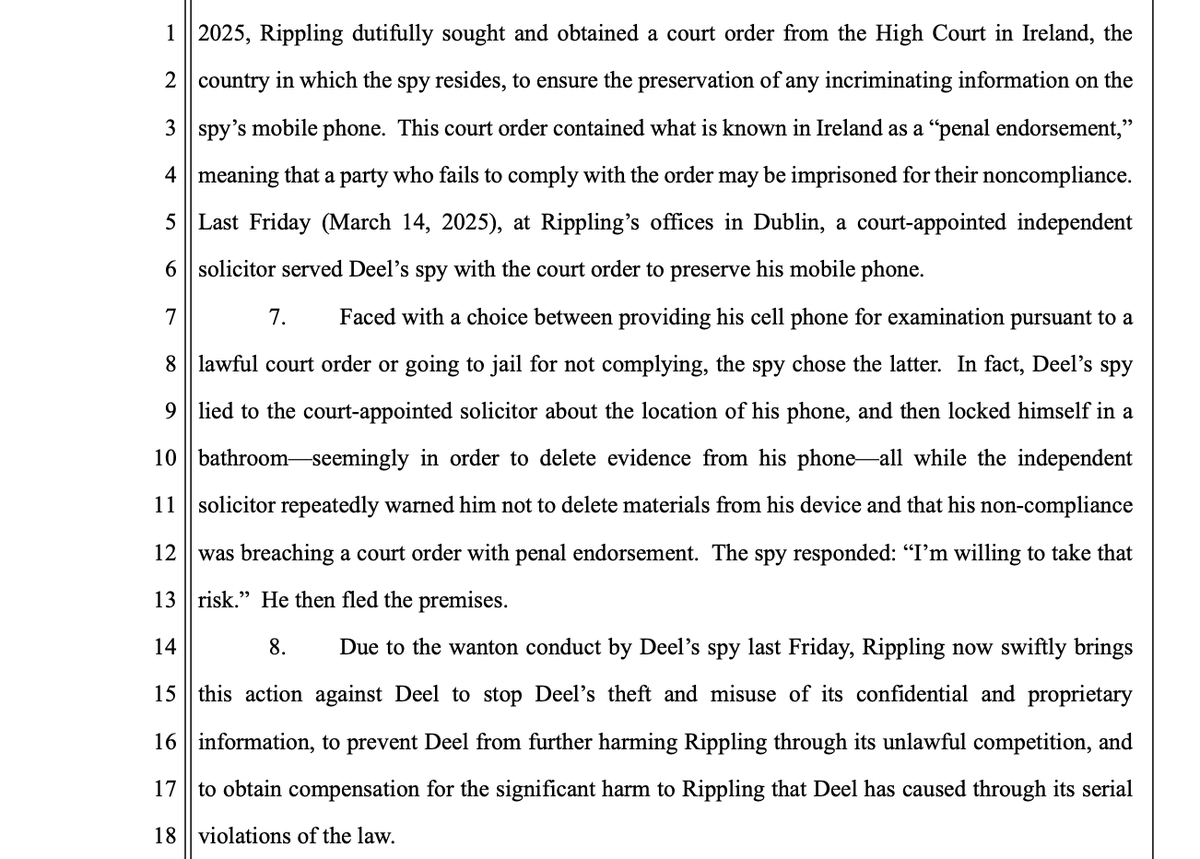
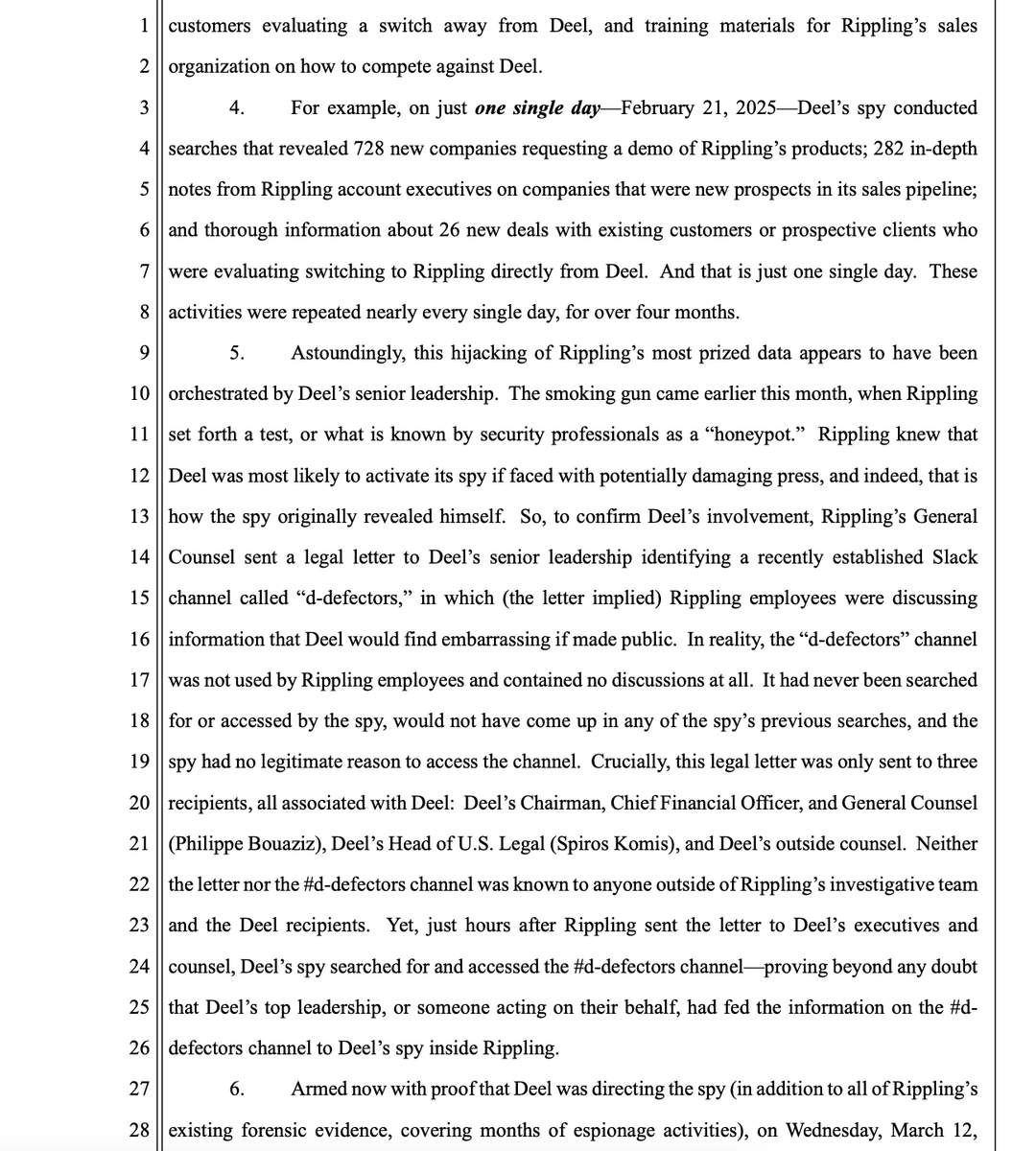
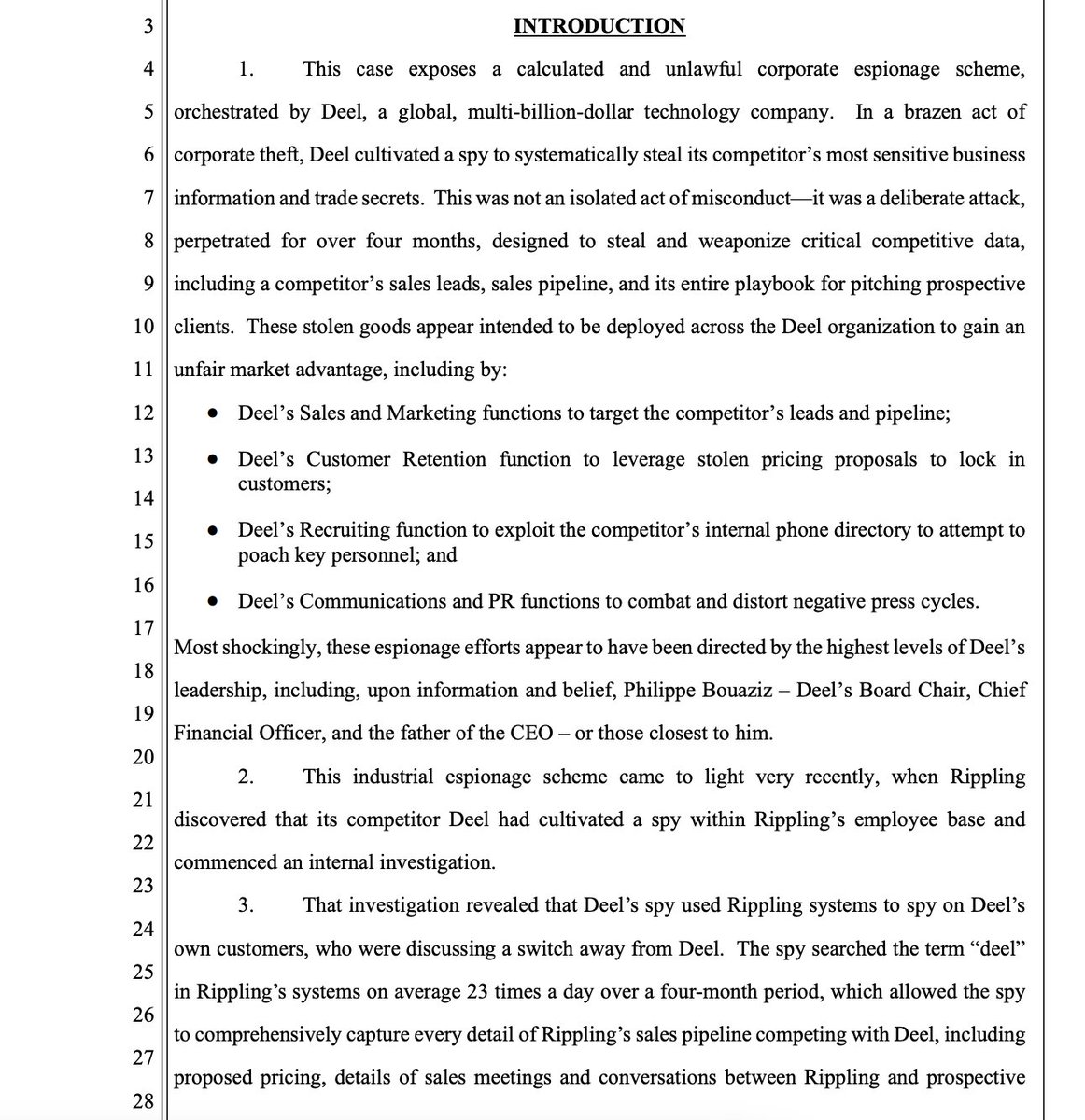
Rippling sued @Deel today. Our lawsuit alleges Deel cultivated a spy at Rippling & orchestrated a long-running trade-secret theft. The spy searched “deel” in our systems 23 times per day on avg, letting him spy on Deel’s own customers who were considering a switch to Rippling.
ADHD is not a disorder.
It’s a difference in cognition.
You need to harness it, not sedate with pills. Once you do, it will make you hyper-focus.
Here’s what you can do to turn ADHD into a superpower: 🧵
The evolution of tennis through the wear and tear of the grass in the Wimbledon finals
In any image of the finals of the 70s, 80s and 2000s you can see how the grass is very worn both in the baseline and in the volley area. And it is not just that now the gardeners have better technologies for the care of the grass that avoid wear, there is also an explanation of the evolution of tennis at a technical level
Previously on grass the main strategy of tennis players was the serve and volley. Back then, the Wimbledon grass in the volley area barely made it to the final. In recent years the service boxes are pristine on the last day of the tournament and it is the baseline area that is more sand than grass
The explanation is simple: serve and volley are no longer used as before. Wooden rackets were more suitable for this style of play, they were heavier and it was impossible to finish the point from the back of the court, so they tried to win at the net
Wooden rackets stopped being used at the end of the 80s and in the 90s, with the revolution of carbon fiber, graphite and other material rackets, the type of game changed. Since then, the game from the back of the court has become the norm on the circuit. With the evolution of materials and physical preparation, today's tennis players follow a common pattern: they are tall, hit hard from both sides, serve very hard and finish points at the back of the court.
WARNING: this is a long ass post.
But I have a sneaky suspicion it's the most valuable post you'll read all week.
I condensed 10 years of work on @MorningBrew into a 6-step process to build a successful newsletter business from scratch.
Today, I reveal steps 1-3...
Chinese drone maker @DJIGlobal shared a breathtaking video of its DJI Mavic 3 Pro flying over Mount Everest on Weibo yesterday. The drone ascended 3,500 meters from the base camp to the summit of the highest mountain in the world.
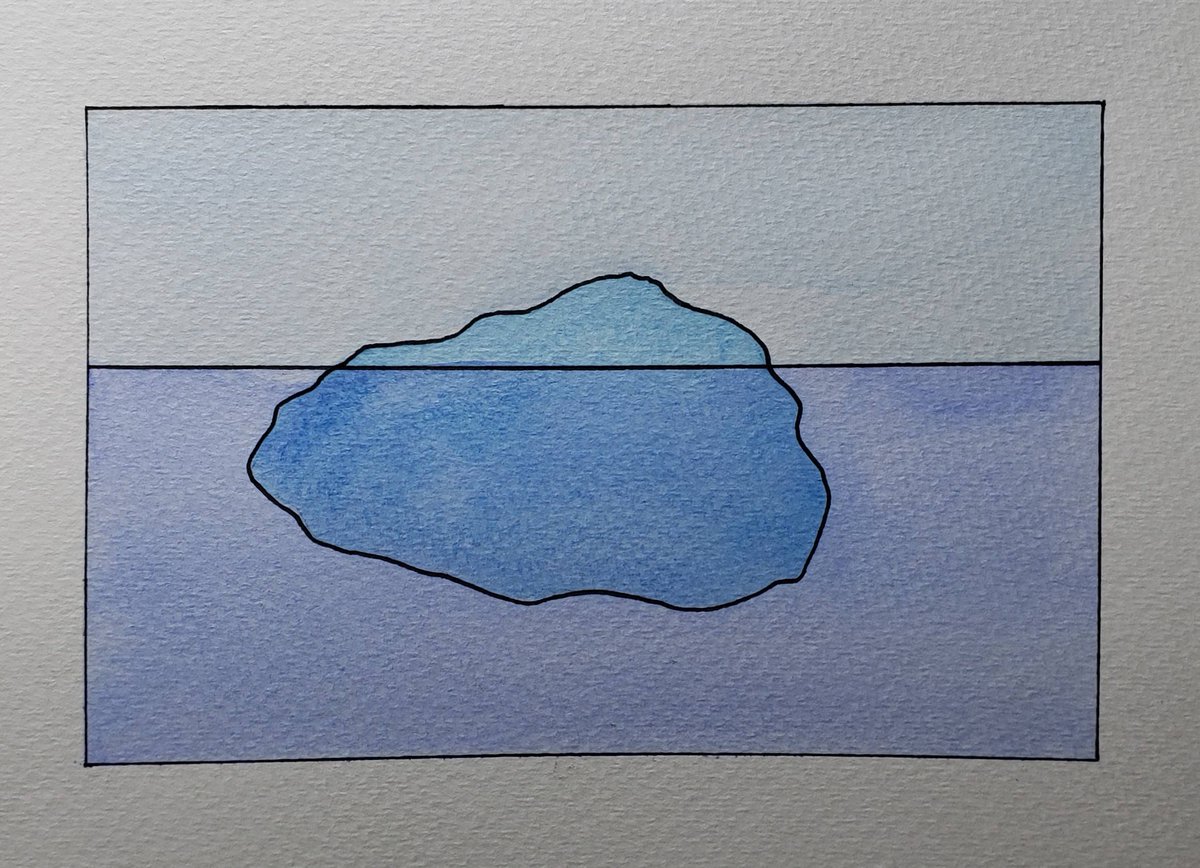
Today I channeled my energy into this very unofficial but passionate petition for scientists to start drawing icebergs in their stable orientations. I went to the trouble of painting a stable iceberg with my watercolors, so plz hear me out.
(1/4)
N'Golo Kante is the nicest man in football.
He drives a banged up old Mini, does his shopping at Asda, and meets up with fans to play FIFA.
As the midfield maestro lights up Euro 2024, here's the story of football's loveliest bloke...
@epichilfire3 Because sharing reels with a small group of people makes you smile at random times of the day, and it's a low effort way of staying in touch with older friends.
Given how articulate our director and vice chancellor usually are, I would have expected atleast some empathy and honest reflection on how they could work on improving access to mental health resources on campus, but even that is too much to expect.
Kinda unsettling how barely a week on from the first student suicide at our campus in atleast 25 years, there has been 0 acknowledgement of the fact outside of a rushed condolence meet and a very impersonal mail regretting the "untimely death".