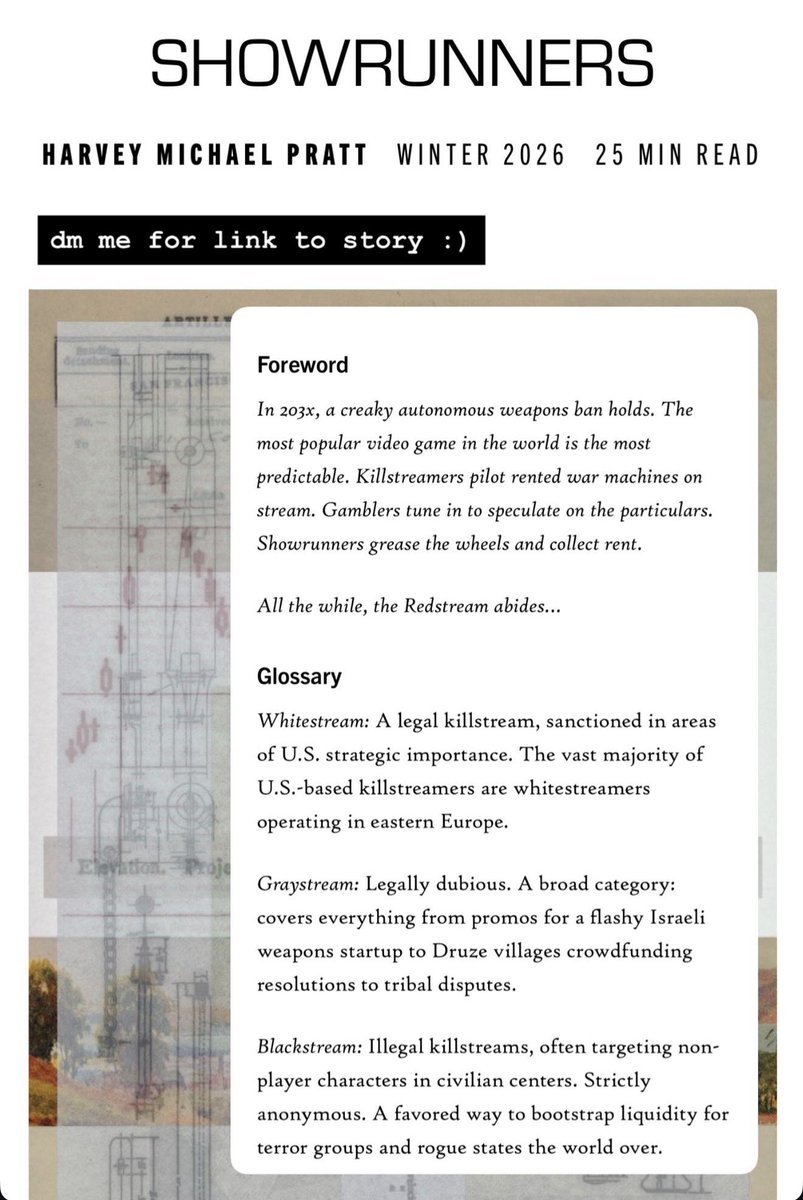
In 203x, a creaky autonomous weapons ban holds.
The most popular video game in the world is the most predictable: killstreamers pilot rented war machines; gamblers speculate on the particulars; showrunners grease the wheels and collect rent.
All the while, the Redstream abides...
---
Mom, I'm published!
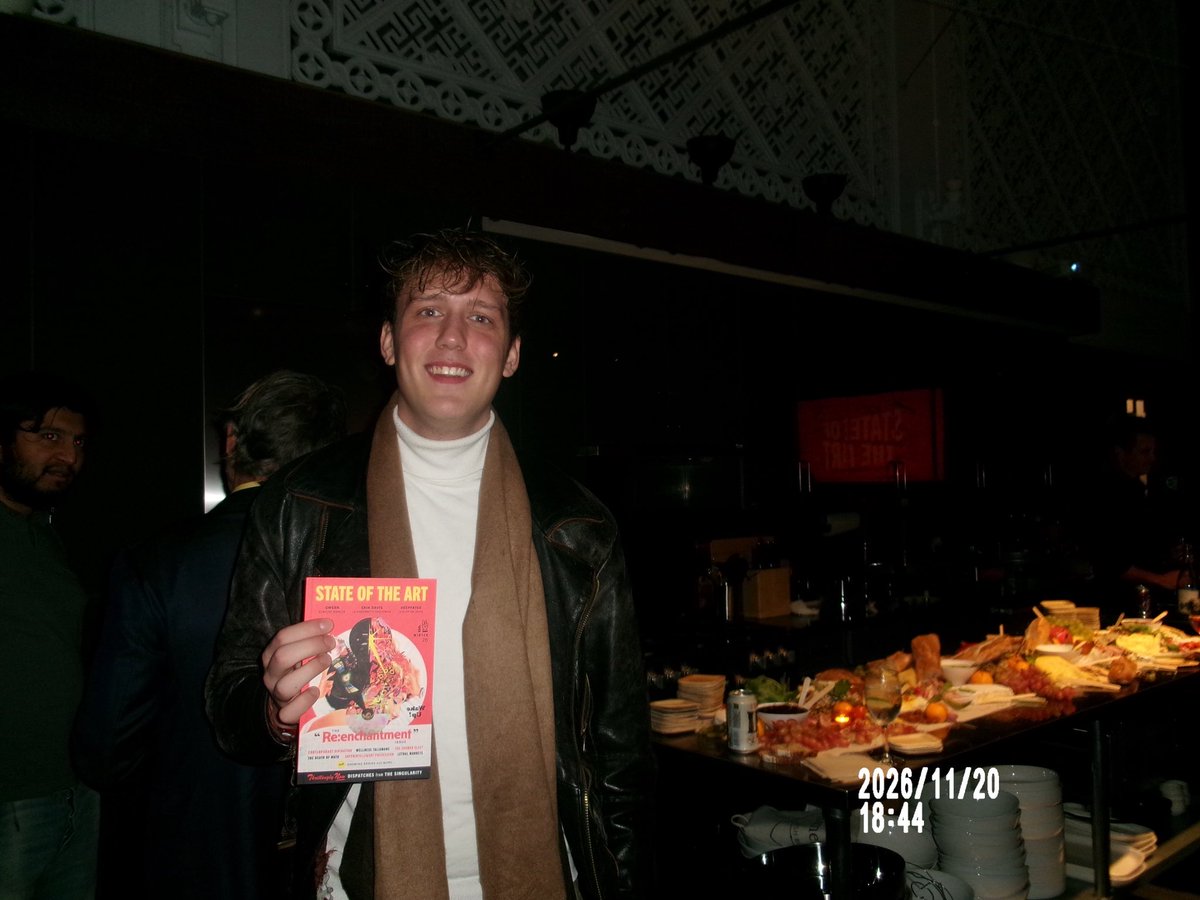
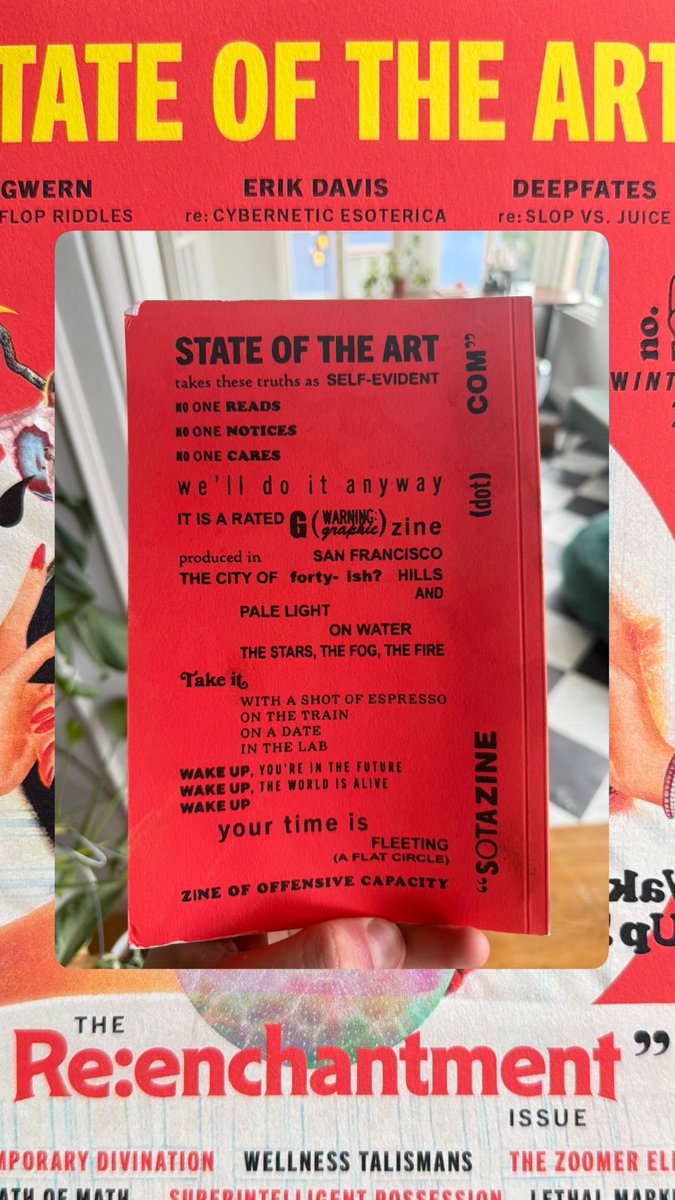
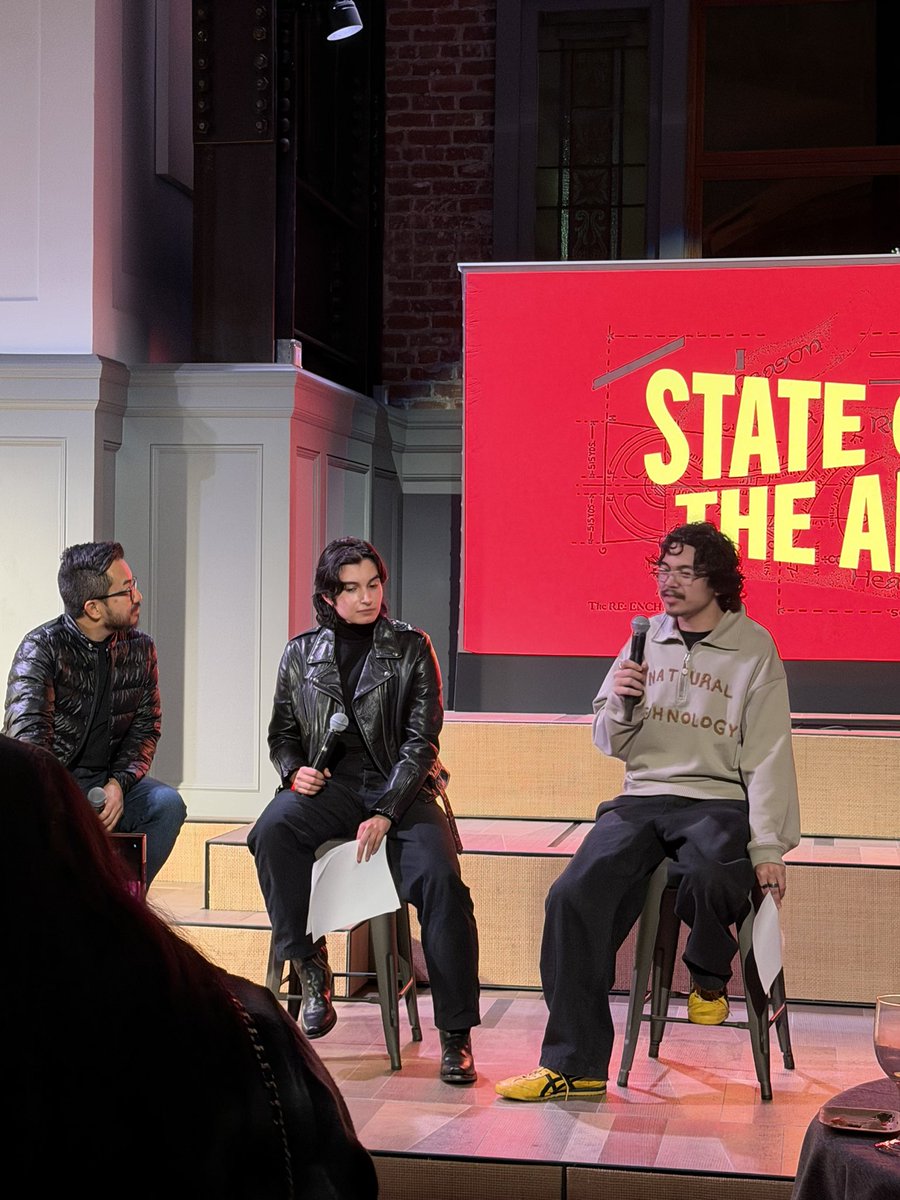
So thrilled to contribute to @sotazine #2 with ‘Showrunners’, an original science fiction short story about the coming collison of guns, gambling and gaming.
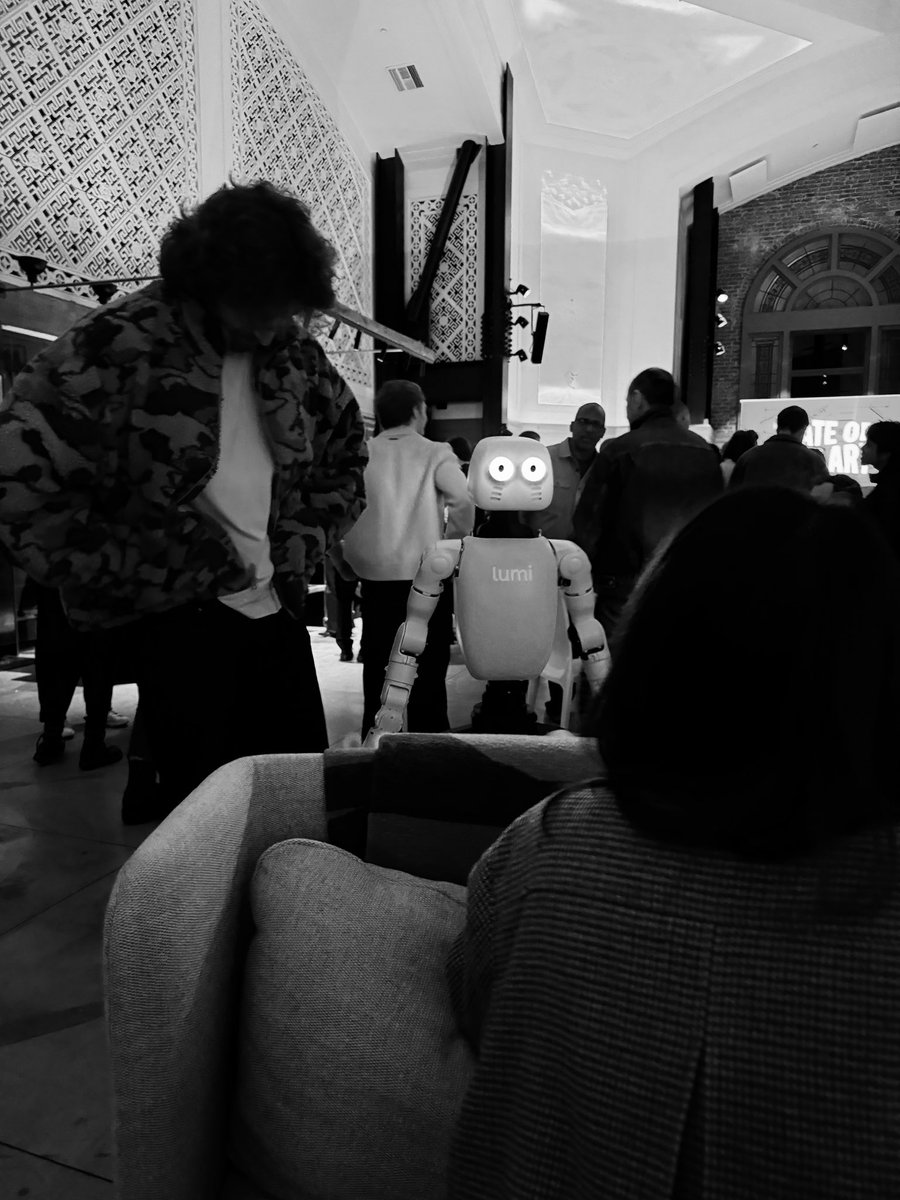
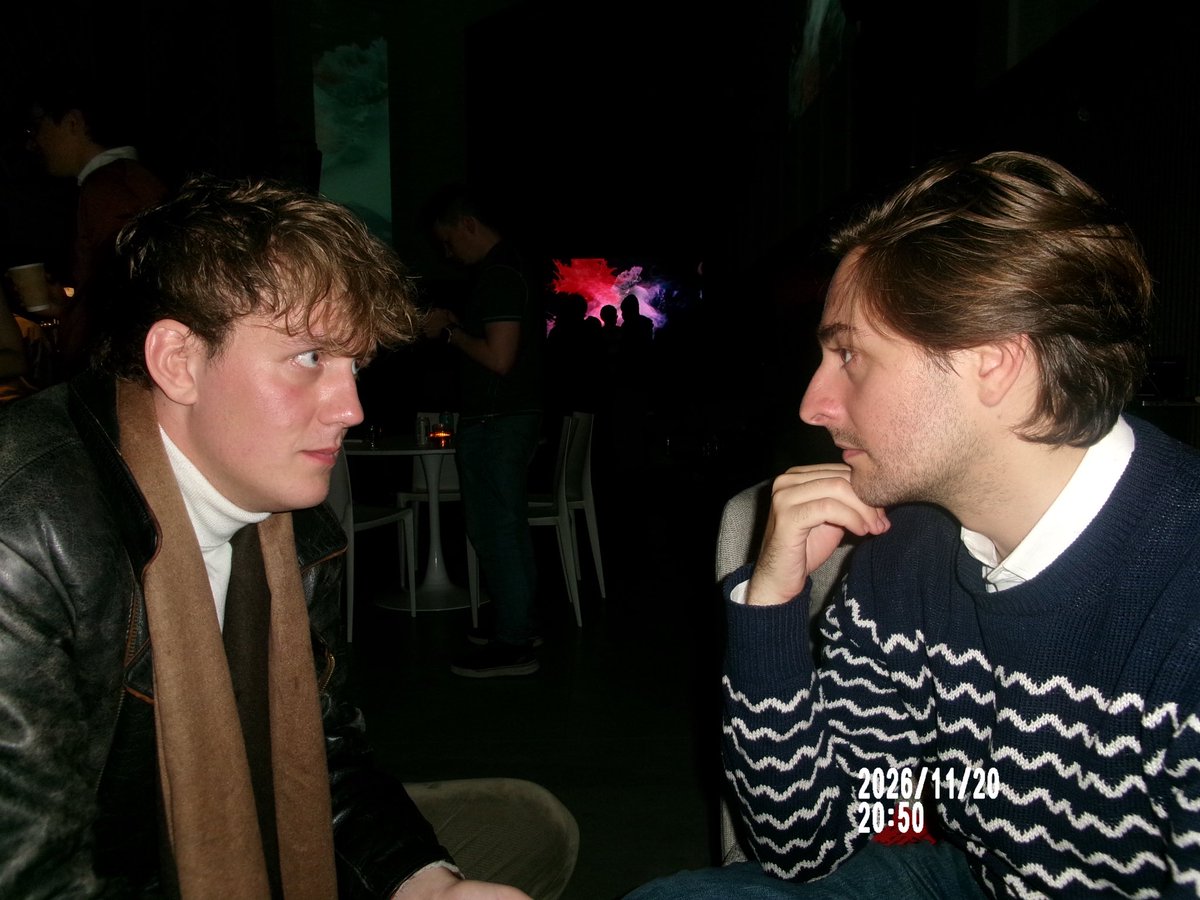
Thanks to @metaversehell and @JaredRPoblete for the amazing launch event and beautiful physical zine, to the other - much more talented! - writers in this second edition, and - as ever - to @zaitoon for the gorgeous photos. A night to remember!
Read my story, and everything else in @sotazine, here:
https://t.co/50GLK28OVL
I am seeing a lot of P vs NP takes. I've had a good track record this year (regarding predictions of what complexity claims are true) so now I'm ready to mess it all up and post three options, as I see them.
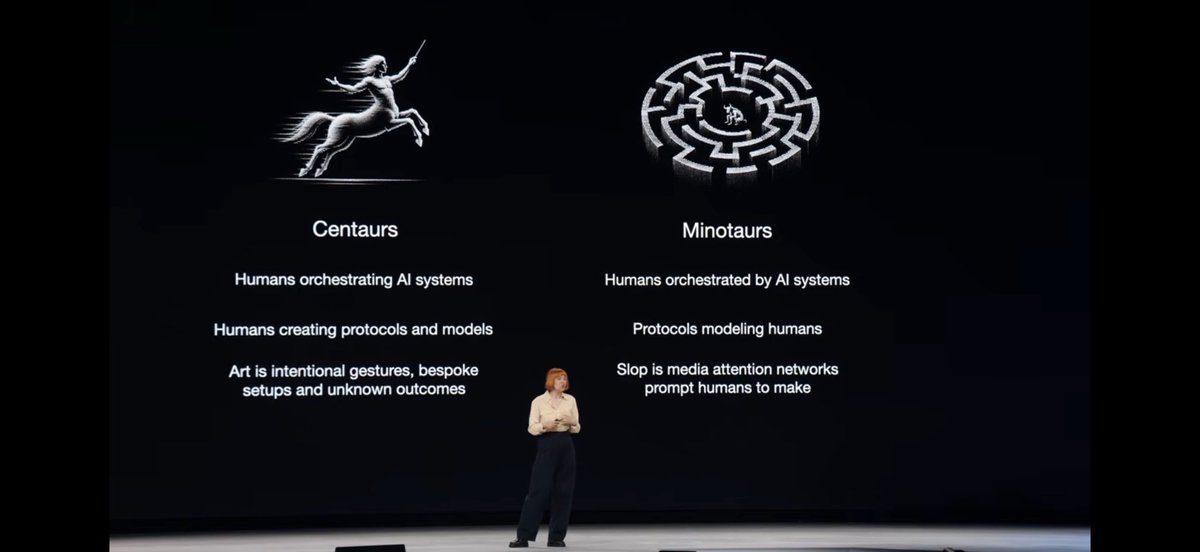
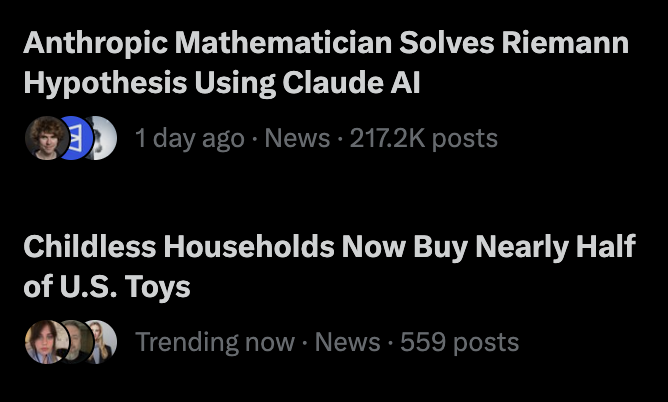
If the future goes well we will look back on the RH controversy with some confusion. The composite that produced this proof includes Levent Alpöge, Claude, Lean itself and in different ways all the people and technologies that made those. This is centaur cognition at the deepest levels.
We have known for a long time that the lone genius scientific discoverer is a flattering myth. Both scientific discoveries and new technolgoical inventions (which are sometimes identical) emerge almost inevitably once all the necessary ingredients are in place. Same thing here.
The conceptual legacy of the Turing Test man vs. machine heuristic that tries to pick this apart to find either/or answers is just wrong.
Out of existential shock, Tao and others are reflexively retreating to a notion of solo genius they know is false. But so is claiming that "AI" is now the singular agent here. By simply inserting Claude in the same myth is perhaps even more obsfuscating.
Let's appreciate the fact that a uniquely gifted human and the Infinite Neuron Machine together produced a glipse of reality that was unthinkable just last week.
My essay 'Sentences on Generativity in Art' is included in this Lucy Lippard inspired book project, organised by the Center for Literature (Berlin).
For anyone interested in the impact of generative AI on the arts during the periodisation (2018-2024).
https://t.co/oJQQhfjLam
@richardhwrites I’d suspect probably both, there will be erosion and emphasis in equal measure but where the chips land is anyone’s guess (still fun to guess!)
Had a conversation with an economist this weekend about automation.
Trying to put a positive spin on things, I wondered how I’d explain today’s economy to someone in 1995. Things have changed dramatically, but many of the dynamics we value now were already latent back then.
Influencers (celebrities selling watches they knew nothing about), personal data (Nielsen ratings), the gamification of attention, microtransactions, asynchronous reputation-based work, recommendation systems (the record store guy)—all of these existed in some form but operated in niche spaces. As other economic fixtures receded, these became explicit and central.
Which makes me wonder: what latent dynamics today will become dominant once much of the work we value now is automated?
I think Kei is right, and whatever new economy emerges will likely be traceable back to something we just didn’t think was a big deal at the time.
there's also the question of the human residual that is bundled into existing jobs. The doorman fallacy points out that doormen don't just open doors but touch many different aspects of social life, just as musicians could be misunderstood as simply producing audio files. Everyone's job appears expendable and autoregressive until you talk to a professional in those narrow domains and realise the full scope of what they actually do.
@richardhwrites similar sentiment - if you were to go back pre-internet and explain what accrues value today people would find it strange but also be able to understand it. Question is what latent value exists today and will grow in prominence.
https://t.co/fzFQGEgSpo
Had a conversation with an economist this weekend about automation.
Trying to put a positive spin on things, I wondered how I’d explain today’s economy to someone in 1995. Things have changed dramatically, but many of the dynamics we value now were already latent back then.
Influencers (celebrities selling watches they knew nothing about), personal data (Nielsen ratings), the gamification of attention, microtransactions, asynchronous reputation-based work, recommendation systems (the record store guy)—all of these existed in some form but operated in niche spaces. As other economic fixtures receded, these became explicit and central.
Which makes me wonder: what latent dynamics today will become dominant once much of the work we value now is automated?
I think Kei is right, and whatever new economy emerges will likely be traceable back to something we just didn’t think was a big deal at the time.