Towards the end of last week, we advertised vacancies for two editorial positions on the @HimalSouthasian team – an Associate Editor and an Assistant Editor (https://t.co/LfEitq5w3P). Since then, by a rough reckoning, we’ve received on average three or so applications every hour. That already puts the size of the applicant pool in the hundreds – and counting.
To say that we are overwhelmed is an understatement. Watching the torrent, I’m led to think: either we’re doing something right at Himal to attract this much talent, or the state of the media in Southasia is so dire that tons of good journalists are struggling to find newsrooms worthy of what they can do. Or both!
I’m inclined to the “both” possibility, but also to steer away from self-congratulation. No matter how you look at it, the bigger picture here is anything but pretty. Yes, I believe in the work Himal does, and I know lots of good journalists do too. That said, Himal has a long way to go, and we have our own struggles to survive and grow. Plus we’re tiny – a team of ten people, scrabbling together the resources to add one or two more – while the crisis of the media in Southasia is immense. Adding a couple more editors to the Himal team is a drop in the ocean.
But drops make oceans, and this is the way we start fighting back: a few more jobs, a few more investigations, a few more years doing truly uncompromised journalism. And, of course, a few more paying supporters, and then a few more and then a few more, so that we can keep going and growing with our readers' support and without any government or corporate funding or pressures.
Come become a Himal Patron and join the fightback. Help us grow so we can soon hire three more journalists instead of two, then four more instead of three... you get the picture.
https://t.co/p9golGIPrU
i feel like corny diaspora kids can be allowed a cliche or two. white people never run out of books about girls w eating disorders having bad sex. the three straight white men who read won’t run out of works about alcoholism and cheating. prose about parents who cut fruit is ok
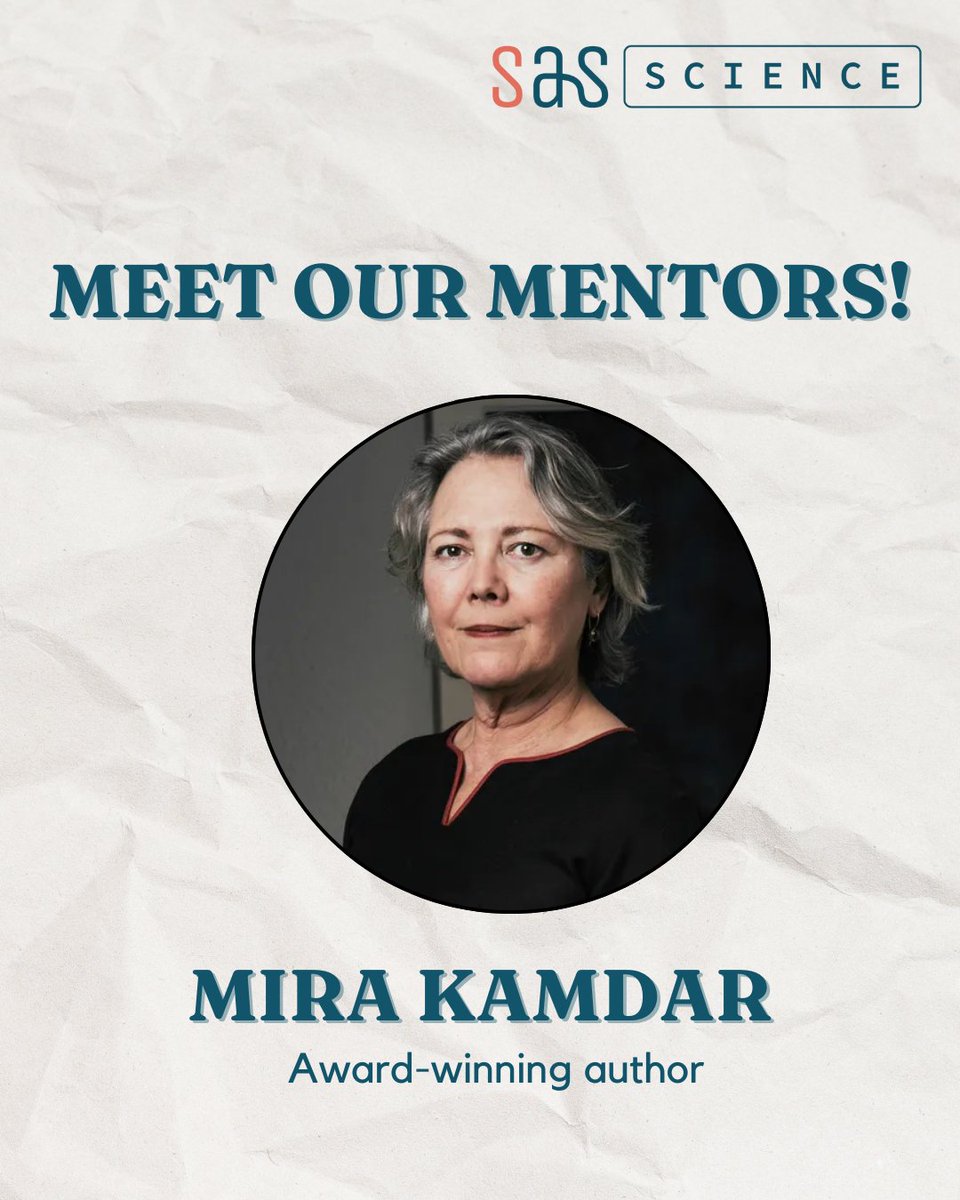
For SAS Science, our newest science writing mentorship program, here's a glimpse of the projects we're looking for, and not. Do apply if you're an emerging science writer working in English!
Applications open March 1, 2026. Link in bio.
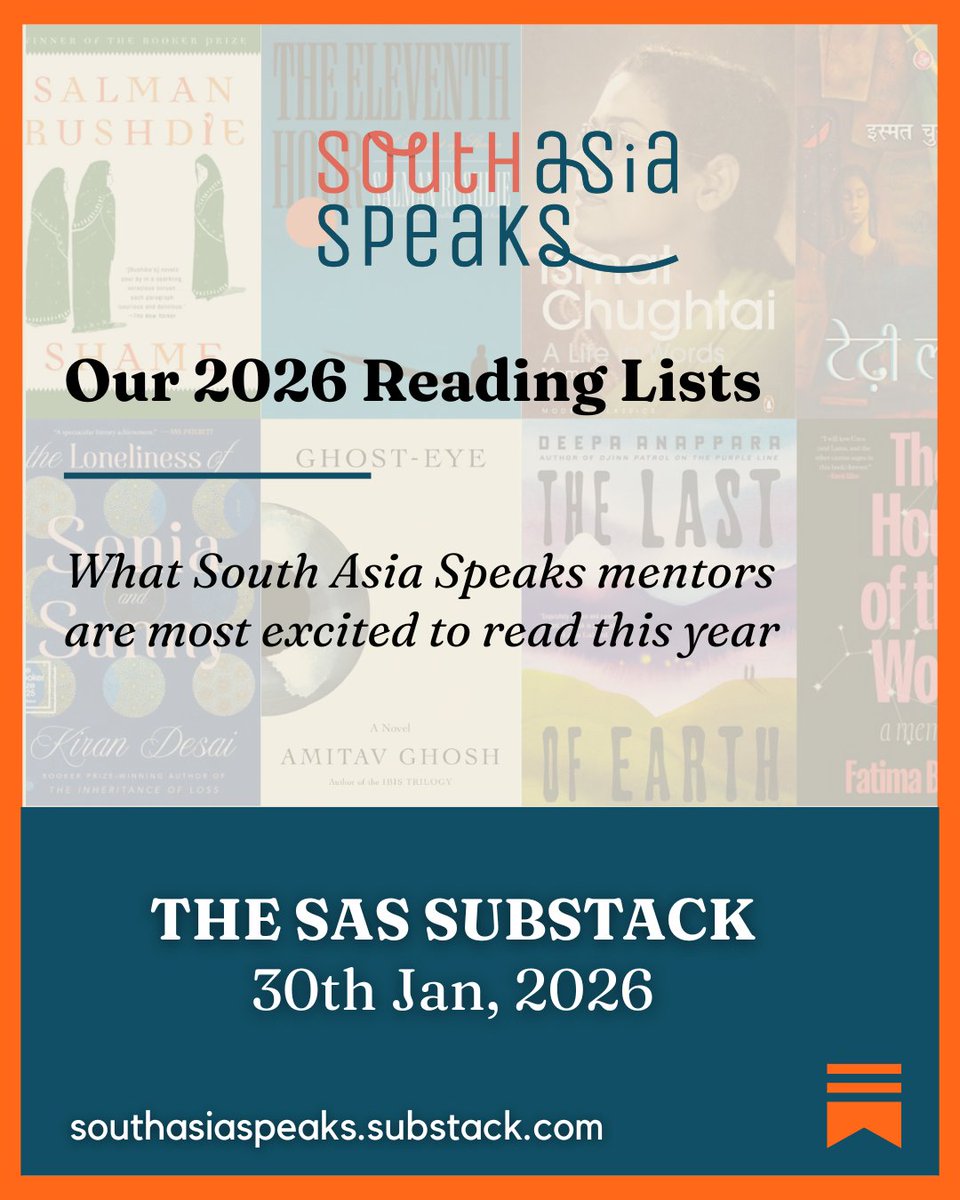
In this month's paid Substack dispatch, our team shares some excellent new releases in the South Asian literary space they're looking forward to reading in 2026. Have a look at the entire list of stellar titles here! https://t.co/7ZdY552lro
🚨 SAS SCIENCE: Our newest program for emerging science writers, modeled after our flagship fellowship.
Applications open 1st March 2026! Watch this space for more details over the next few days. More details here: https://t.co/Nm03go6UJz
The foreign correspondent has always been a controversial figure. Indian reporters, often while secretly aspiring to those very jobs, have long rolled their eyes at foreign correspondents’ salaries, their parachute reporting, their occasional cluelessness about how the country actually works. There is real resentment about stories that Indian newspapers broke first, only to be “discovered” weeks later by a Western outlet and rewarded with global amplification.
And yet, despite all this, they were doing something crucial. Especially now.
https://t.co/LQEPDNhDNx
For this month’s free Substack dispatch, our Program & Editorial Associate Anthony Chen caught up with SAS mentor and author Mahesh Rao about his new novel Half Light.
Read the full conversation here!
https://t.co/G7UB6Vx8hw
This month on our paid Substack, we have a rare and exclusive insight into a Masterclass event—Isaac Chotiner in conversation with Devika Rege about her novel Quarterlife, her writing life, and her thoughts on narrative craft. Full conversation here! https://t.co/5y6GDGtg2h