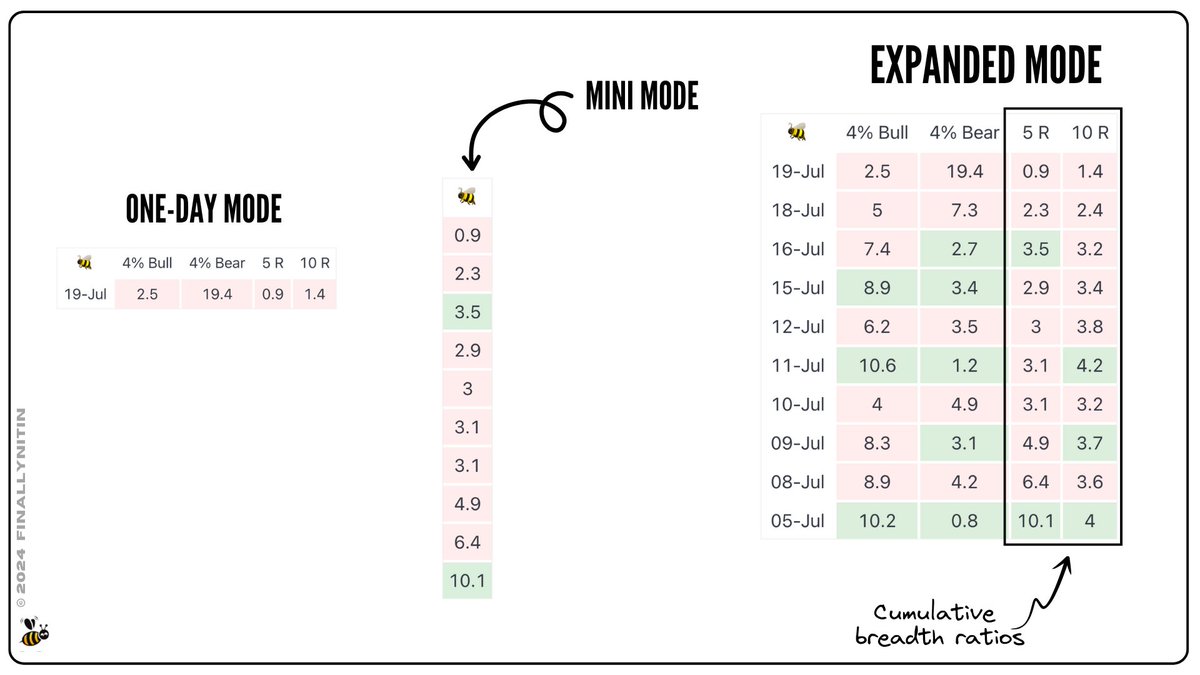
🚨 Here is a mini version of the Stockbee Market Monitor for Tradingview, based on the concepts devised by the legendary @PradeepBonde.
TradingView script link:
https://t.co/dV5eQVtZyv
The full version of the dashboard is already on Chartink here:
https://t.co/j9igPSxlxh
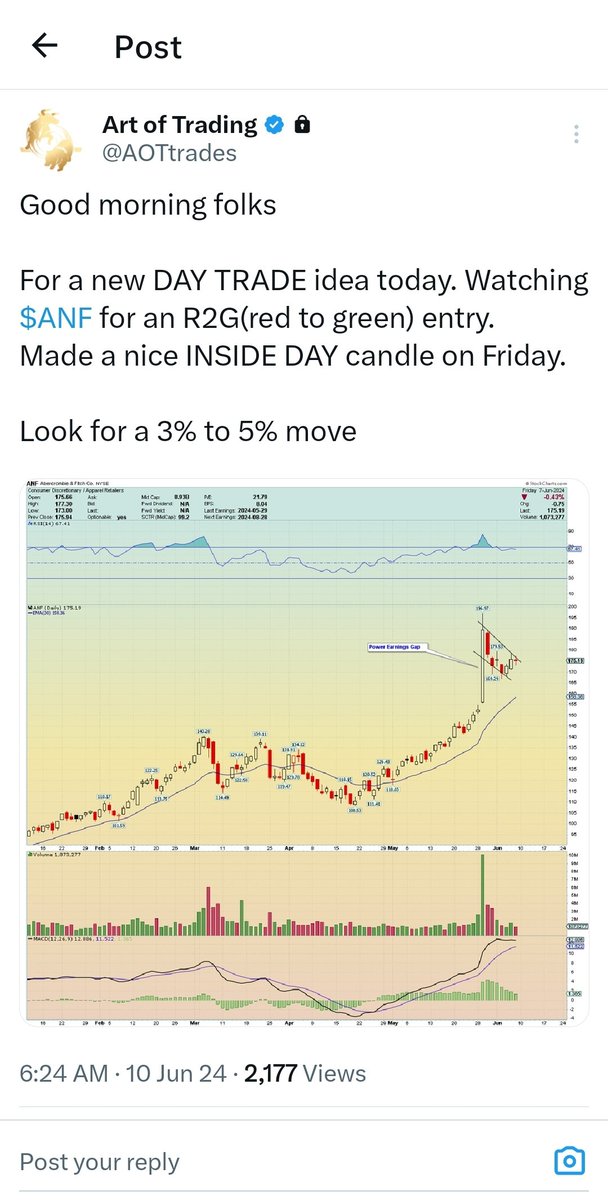
A quick educational post on one of my favorite DAY TRADING techniques for entries.
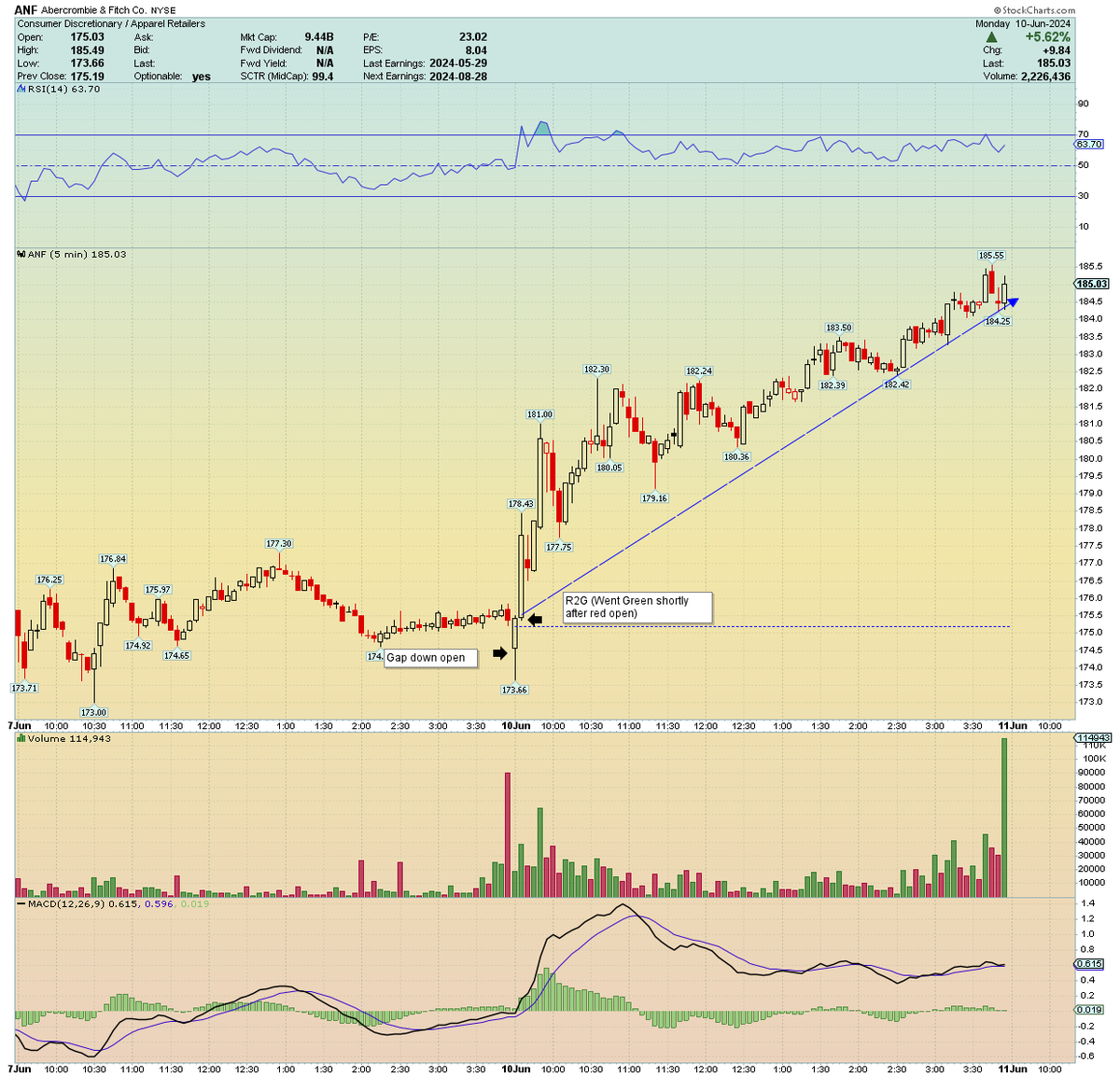
$ANF example from today!
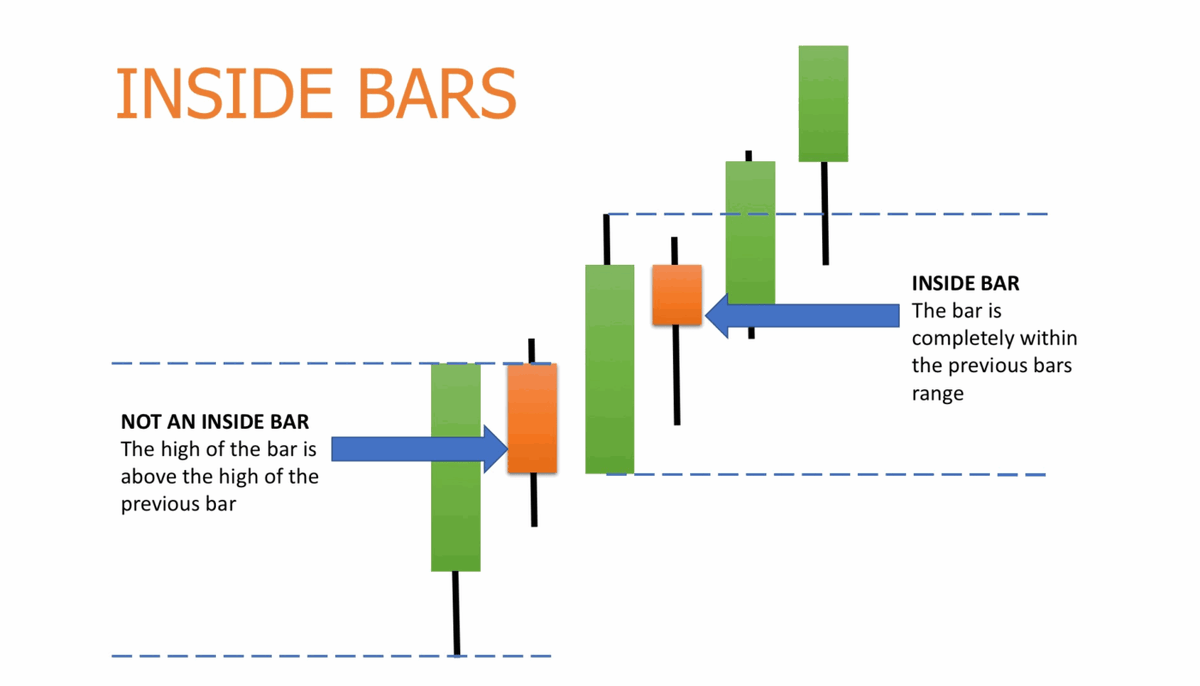
Every evening, I go through my PEG watchlist, oftentimes scanning for INSIDE DAY candles following recent PEGs. This is the perfect setup for a DAY TRADE setup the following day!
Prepping your DAY TRADE ideas the night before will reduce the chance of 'Over-trading'(random trading).
There's an AOT "entry protocol" that most AOT members know well by now.
Scenario 1: stock gaps down(opens red). This is the best/most ideal scenario. Entry on R2G(Red to Green) price flip). Stop is 1% to 2% below the opening range lows.
Scenario 2: stock gaps up on open(second most ideal scenario). In this case, we wait for a Gap Fill(price will often times make a swift spike lower shortly after the gap up open to fill or close the opening gap and immediately reverse higher). Entry is once you see price reverse higher.
Stop is 1% to 2% below the gap fill lows. (If it fills the gap and doesn't reverse higher but instead goes red, then wait for R2G)
Earlier this week on Spaces, someone asked me about how poker has informed my view of business risk. In short, profoundly.
Poker is a fundamentally defensive game when played at an elite level. A defensive game doesn’t mean you can’t generate huge profits. In fact, poker can yield enormous profits but the way it happens is unintuitive to most.
Maximum profits in poker, and other defensive games for that matter, occur when your error rate is less than your opponent’s error rate.
So their errors - your errors = your profit. If you minimize your errors, you maximize your potential profit.
This simple formula forces you to learn that a lot of the time, the biggest enemy of your success is you. By managing yourself in a predictable, reliable way, you give yourself time for your opponent to self-own themselves. This is true in poker, but it is even more true in business.
As an example, suppose you have an R&D budget and you’re trying to build a product. Once you have some initial product market fit, the most important thing to do is to allocate your remaining resources in a thoughtful way.
You should have many small bets that extend the product area. If any one of these fail, it won’t be life-threatening and you will have learned something that will reduce your future error rate. These small bets can then ladder into a few medium-sized bets which ultimately lead to a few large bets. In such a process, you’ve not only taken many bets, of various sizes, you’ve also done this over a long quantum of time. In that same time, a less organized competitor will eventually do something wrong/stupid/both.
Said differently, you’ve de-risked your error rate in a thoughtful methodical way and have evidence that things are working while giving your competitor enough time to flail and eventually fail.
In so many companies that I’ve invested in and companies that I’ve worked for, I’ve seen enormous bets being made too early, and mostly out of ego. These bets are rarely rooted in data and most have eventually been rolled back.
The second thing to understand in poker is that when you make many small bets, you can play more hands - and some of these can lead to huge pots. Some of the biggest pots I’ve won have been with 2-2 and 8-6 suited while some of the biggest pots I’ve lost are with A-A!
In business, as in poker, you have to make unconventional bets if you want to win huge pots. And the no-brainer bets are rarely big winners and can sometimes come back and sting you. So as an investor, by keeping my bets small I keep my errors small while giving myself a chance to win big by doubling and tripling down at the right time.
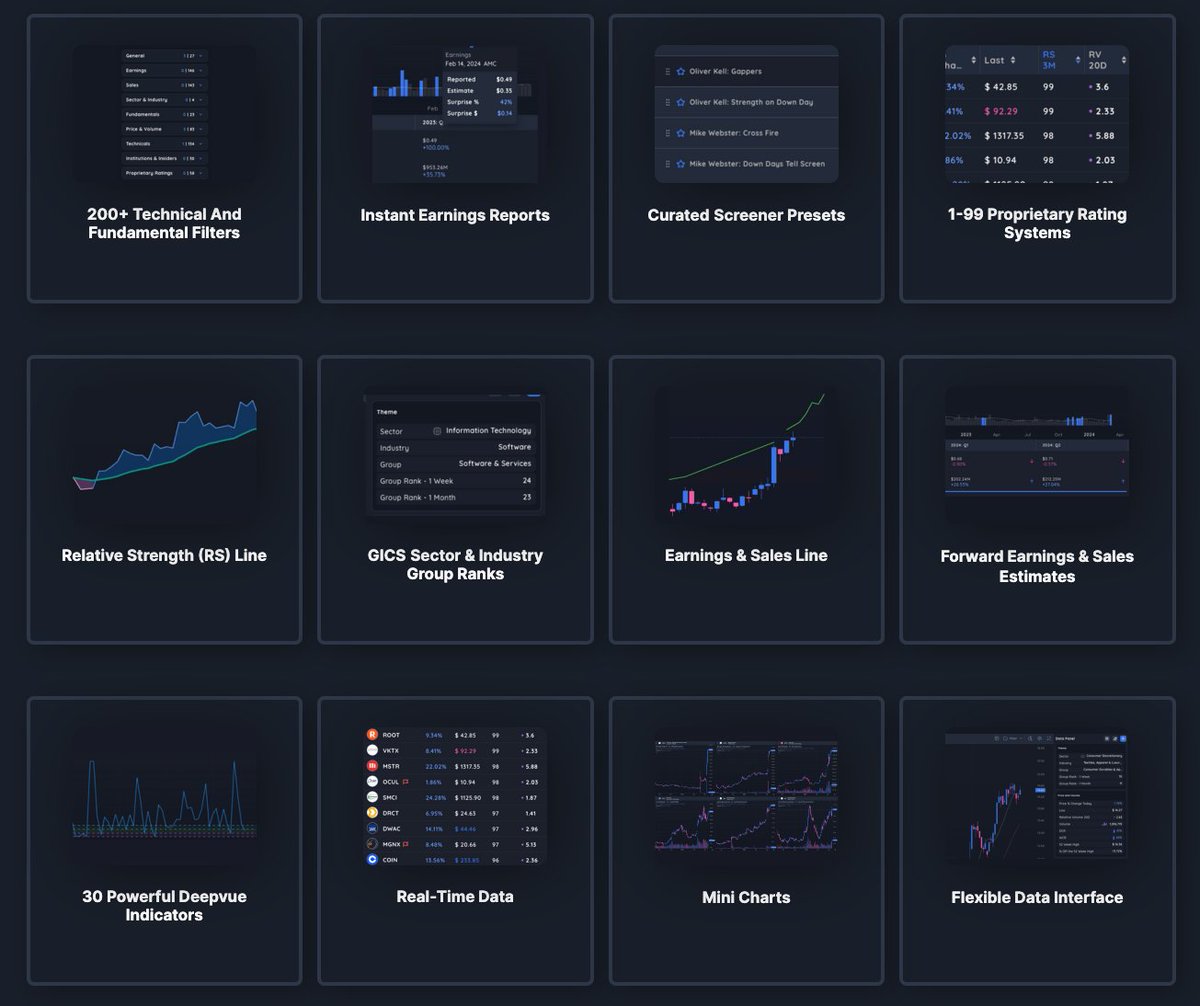
🐣 Easter Giveaway: 3 Deepvue yearly subs up for grabs!
✨ Advanced screening: technicals, fundamentals
✨ Multi-timeframe layouts, 100+ indicators (RS & EPS Lines)
✨ Presets from top traders
RT & reply with 'Deepvue' to enter!
🎉 Winners on Apr 1
https://t.co/HoEkcKj5oF
Web dashboards are one of the most powerful ways to view trading data.
But it can be challenging to know where to start.
Let me give you an overview of how I did mine.