She's right, and the vague promises Tech CEOs make that AI will 'solve cancer' etc are obvious, obvious bullshit. Either they're too ignorant to understand how hard that is, too high on the 'exponential' possibility of AGI, or neither and it's just a callous marketing trick.
My hot take against "AI will solve Bio + Drug Development", after burning $14,000 worth of AI tokens myself in 2mo:
AI could make drug development more crowded before makes it better. Because of the "Anti-Scaling Law" in biology.
Full write-up below⏬
https://t.co/aUnbWICmVu
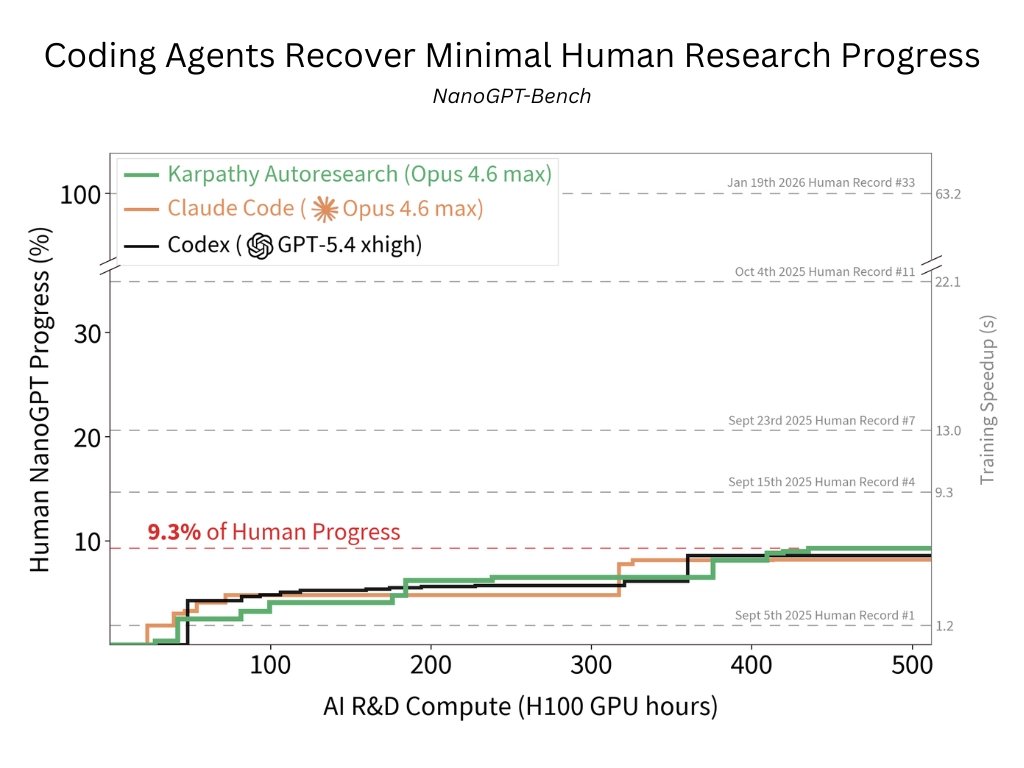
Can coding agents do research?
We release NanoGPT-Bench, an internal eval we’ve used to test agents on an AI R&D problem with months of human progress
Codex, Claude Code, Autoresearch recover only 9.3% of human progress, mostly tuning hyperparams & ignoring algorithmic research
NanoGPT-Bench is built on the NanoGPT Speedrun, a popular LLM pretraining competition to minimize the training time of a GPT-2 style model. Existing human submissions constitute nearly 2 years of work. To control for dependencies and contamination in frontier models, we standardize evaluation to a 5-month window of world records. Evaluation is fully autonomous and end-to-end, with no human intervention or internet access. 🧵
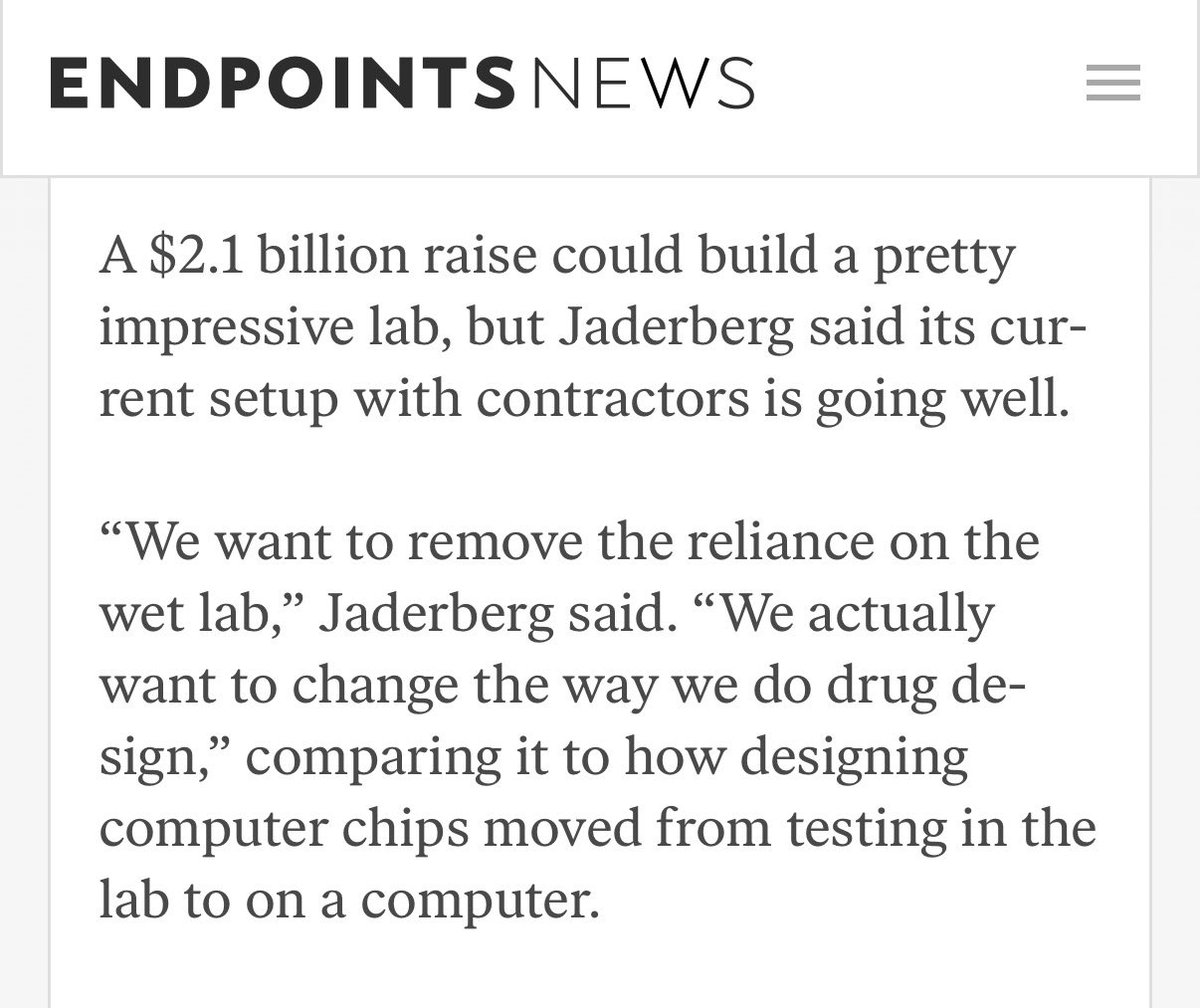
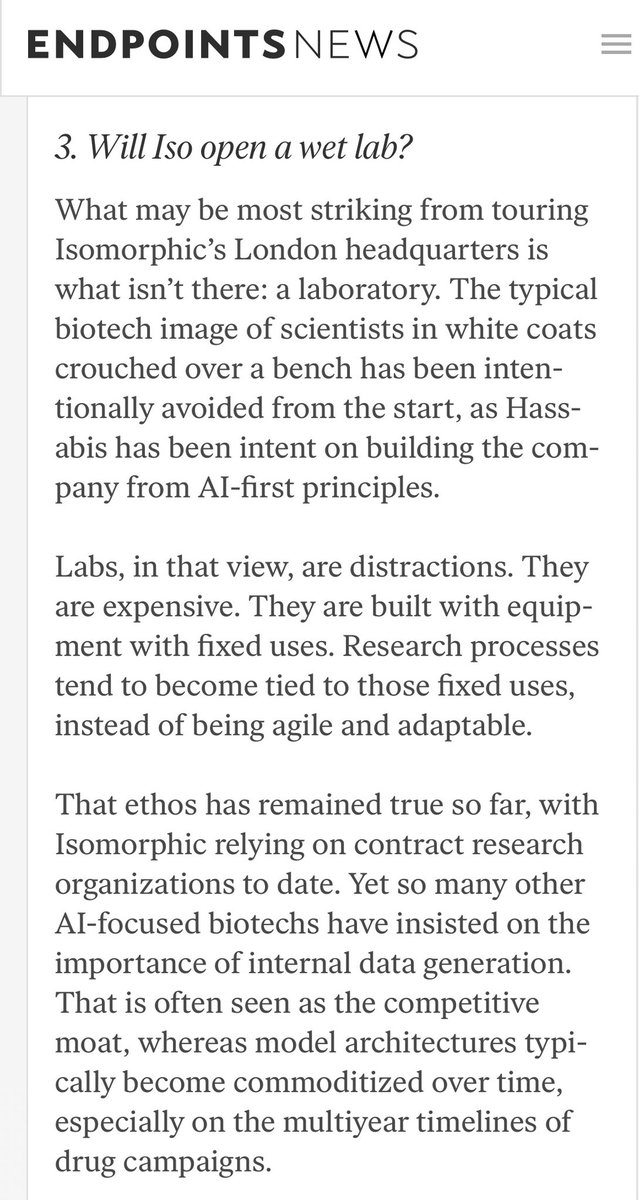
It is telling that the 2nd largest private biotech financing in history is going to a biotech that outsources all their lab work. We need to have our “TSMC moment” for scientific lab work. Companies like @ginkgo can focus on reducing the cost of lab work via automation, while others can leverage that platform for drug discovery, ag products, and more. We will be a more competitive industry that way, let’s get started! Article below 👇
@Ronalfa Yes this is because in almost all cases, the goal is not to actually solve the problem. It's usually to make a conf. deadline, get a paper in a glam journal by obfuscating all caveats & rigging benchmarks, or hyping half baked stuff to raise another funding round
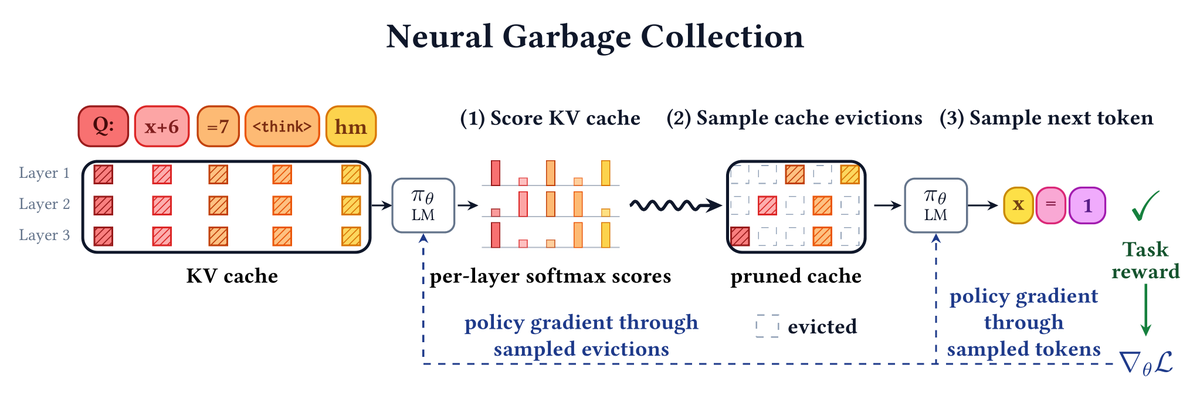
Can a language model learn, end-to-end, what to keep in its own KV cache and what to throw away? Can it learn to forget while it learns to reason?
Deep learning's central lesson: capability emerges from end-to-end optimization, not heuristics/strong inductive biases. But for efficiency, we rely heavily on hand-designed approaches.
🗑️ Introducing Neural Garbage Collection (NGC): we train a language model to jointly reason and manage its own KV cache, using reinforcement learning with outcome-based task reward alone. No SFT, no proxy objectives, no summarization in natural language.
New paper with @jubayer_hamid, Emily Fox, and @noahdgoodman!
CRAFT hand🫳
1. Achieves all 33/33 dexterous grasps > 2x-20x $$ hands!
2. < $600
3. Handles fragile objects
4. Durable under contact
5. Open-sourced https://t.co/lCBAeklcVn
@leo_lin6 & @shivanshpatel35 (on market; hire him🚀) will happily share anything else that you may need. Details in 🧵
🌟 Big shout out to @kenny__shaw (Leap & v2), @irmakkguzey (RUKA), @orcahand (ORCA), and many others who helped build this open research community. Thank you!
A new paper in @Nature from David Reich, @aliakbari23 and colleagues breaks the conventional understanding of recent human evolution. The field believed that strong selection in the recent past (~10,000 years) was rare, with few exceptions like the lactase persistence locus. In this paper, the authors challenge that belief, showing that we weren't looking at the problem right.
Previous studies that looked for evidence of selection using ancient DNA addressed the problem cross-sectionally, asking if allele frequencies differed across populations more than what one would expect based on genetic drift and migration. Most arrived at the conclusion that population structure primarily explained the observed differences. Here, the authors addressed the problem longitudinally, accounting for when ancient individuals lived by explicitly modeling time as a variable in the analysis. It turns out doing it this way dramatically increases power, increasing the number of genome-wide significant selection signals by 20-fold!
Looking at why accounting for the time variable led to such dramatic changes in results, the authors find that previous studies missed so much because selection often happened not on new variants leading to dramatic sweeps (the conventional model: new variant -> selection -> increase in frequency) but on already existing variants driven by transient environmental pressures. Many of these variants underwent reversals, selected up when a pressure existed, then purged when it disappeared or the trade-off cost became dominant. A great example is the TYK2 variant, where an allele boosting immunity was selected for thousands of years because it protected against TB, then got purged as TB endemicity declined and the autoimmune cost took over.
The scale of what they found is striking: hundreds of loci showing strong selection in the past 10,000 years with a median selection coefficient of ~0.86%. This number is pretty big in evolutionary terms, meaning allele frequencies have been shifting by ~1% per generation in a consistent direction. Previous selection scans found a maximum of 20 loci, and this one finds hundreds. That isn't an incremental change. It fundamentally reframes our understanding of how common strong selection has been in recent human history.
Some of the most striking findings come from polygenic selection, where hundreds of small-effect alleles were pushed in the same direction simultaneously. Polygenic scores based on large-scale GWAS of today predict recent negative selection for traits like body fat, waist circumference and schizophrenia, and positive selection for others like cognitive traits. One important caveat is that GWAS phenotypes are measured in industrialized societies today, and how well they capture what was actually being selected in ancient environments is debatable.
For me personally, these findings have direct implications for drug discovery. When using human genetics to find drug targets, we often fixate on the benefit and risk profiles of variants visible today. But we need to be aware that a variant's benefit:harm ratio might be environmentally contingent, and could reverse when the wrong environment manifests. An evolutionary understanding of a variant's association with traits is therefore essential.
The same logic applies, perhaps even more urgently, to embryo selection. Selecting embryos based on polygenic traits is humans making permanent, heritable decisions for their offspring with a narrow view of today's environment. The ancient DNA record now shows that cost-benefit landscapes flip over time. So, an embryo carrying man-made selections is carrying those changes into an unpredictable future environment.
The broader takeaway is that human evolution didn't freeze in the last 10,000 years. We just lacked the tools and datasets to see its movement. The current findings are based on European populations. I am curious to see these analyses extended to other populations too, like South Asian, East Asian and African populations, which might be holding more surprises to blow our minds.
Akbari et al. Nature 2026
https://t.co/3WWjpTiVgA
ρPCA is super useful in anytime one wants to examine differences in variance (rather than just the mean), while performing dim. reduction. Our preprint gives an example using single-cell RNA-seq: we find differentially variable genes (rather than differentially expressed). 5/
Another great example of how scientists, science journals and science journalists willfully distort science for clout and profit. Compare the much-hyped paper that just came out on the genetics of response to GLP1 receptor agonists to the press release about the paper.
The paper itself is fine.
https://t.co/qe9Y0YtoER
While it's not particularly surprising that variants in GLP1R and GIPR would be linked to drug efficacy and side-effects, it's useful to have the specifics documented in a study with a large sample size
However, as the paper reports, the effect sizes are pretty small, and even when you fold the genetics into a model with a host of non-genetic factors, the amount of the variance it explains remains small (and if past experience is a guide, is likely an overestimate).
But then you turn to Nature's own press-release, which tends to guide how the story is covered, and you get a sensationalist headline that does not accurately reflect the results in the paper: "Why obesity drugs work better for some people: these genes hold clues".
https://t.co/1Dje8xBB5Z
And now that's the story everybody's going to remember, even though the article actually reports the exact opposite of this result. This doesn't help science - all it does is engender distrust.
Obviously, science is dealing with a lot of challenges these days, but this one is entirely of our own creation, and it's really disgraceful that we collectively let this kind of journal propaganda dominate the way that science is portrayed to the public.
Teachers vs Professors
This has been on my mind since I first encountered it almost 15 years ago.
When I was in high school, I had a few teachers in the humanities/social sciences who were really, really good: deep, serious thinkers, with lots of interesting views synthesized over decades of globetrotting experiences.
As teachers, even at a nice private school, they were not real “winners” in the sense of climbing a prestigious career ladder, and neither did they publish academic papers. You could call them very advanced amateurs, and as dabblers they got to toy with lots of interesting ideas, kind of randomly assembled, without outside judgment.
When I got to the University of Chicago, known for its life of the mind in the humanities, I didn't really find anybody who seemed to be as deep or as interesting a thinker as these teachers I encountered in high school.
I always wondered why.
Partially, it's because I got lucky with my teachers. They were the best we had. Maybe I didn't get so lucky with my professors.
But today I may have figured it out: I think the actual reason is that my professors at UChicago were, in a sense, winners on an academic career ladder. It’s an extremely competitive environment, and they had somehow made it to the top. By definition, this is a tremendously powerful filter.
And I think this had actually filtered against a whole group of people whom I consider interesting.
This has become especially clear over the last few years, as a lot of traditional academia has been losing prestige rapidly: people are trusting the kind of professorial expert class less and less and less. It turned out that professors of ethics and sociology are just as unethical and susceptible to groupthink as the general public. And the general conformity of ideology and thought in academia is now well-known.
These professional humanities academics may publish papers that are respected or even highly esteemed within their own niche communities, but this particular value system has long since been removed from what I consider interesting, or, in many cases, even related to the pursuit of truth.
Reflecting on it, the heart of the matter is that those teachers in high school were unconstrained by convention and had been allowed to fully lean into their interests — kind of like the platonic dream of academia — whereas the professors I encountered in university, even when very successful, had been conformed by the academia-industry pressure cooker and their work sanitized, professionalized, and ultimately made uninteresting under the constraints.
Please stop insulting the centuries of effort put in by biologists & computational biologists who built those prior knowledge networks & literature that u piggy back on by calling ur nearest neighbor look up engine a virtual cell. 26/
My take on the whole "AI cures cancer in dog in Australia". It's a very interesting story, but perhaps not for the reasons that are being noted.
In 2007, Freeman Dyson published an essay in The New York Review of Books called “Our Biotech Future.” It contains one of the most memorable predictions about the future of biology I’ve ever read.
“I predict that the domestication of biotechnology will dominate our lives during the next fifty years at least as much as the domestication of computers has dominated our lives during the previous fifty years.”
Dyson believed biology would eventually follow the trajectory of computing. At first, powerful tools live inside large institutions - universities, government labs, major companies. Over time those tools get cheaper, easier to use, and more widely distributed.
Eventually individuals start doing things that once required entire organizations.
“Biotechnology will become small and domesticated rather than big and centralized.”
He even imagined genome design becoming something almost artistic:
“Designing genomes will be a personal thing, a new art form as creative as painting or sculpture.”
Dyson's words rang in my mind as I read the "AI cures dog cancer" story. Much of the coverage framed this as an example of AI discovering new science. But that’s not really the interesting part of the story.
The scientific pipeline involved here is actually well known. It closely mirrors the workflow used in personalized neoantigen vaccine research that has been under active development for years. The steps are fairly standard: sequence the tumor, identify somatic mutations, predict which mutated peptides might be recognized by the immune system, encode those sequences in an mRNA construct, and deliver them to stimulate an immune response.
The biological targets themselves were almost certainly not new discoveries (I have been unable to find out what they are, but mutations in targets like KIT which are common might be involved). Partly therein lies the rub, since the hardest part of drug discovery, whether in humans or dogs, is target validation, the lack of which leads to lack of efficacy - the #1 reason for drug failure. In neoantigen vaccines, the proteins involved are usually ordinary cellular proteins that happen to contain tumor-specific mutations. AlphaFold which was used to map the mutations on to specific protein structures is now a standard part of drug discovery pipelines. The challenge is identifying which mutated peptides might plausibly trigger immunity. What is interesting though is how the pipeline was assembled.
Normally, this type of workflow spans multiple domains - genomics, bioinformatics, immunology, and translational medicine - and in institutional settings those pieces are distributed across specialized teams, document sources and legal and technical barriers. Navigating the literature, selecting computational tools, interpreting sequencing results, and designing a candidate mRNA construct is typically a collaborative process. In this case, AI appears to have helped compress that process, pulling together data and tools from different sources. Instead of requiring multiple experts, a motivated individual was able to assemble the workflow with AI acting as a kind of guide through the technical landscape.
I’ve seen something similar in my own work while building lead-optimization pipelines in drug discovery. The underlying science hasn’t changed, but the friction involved in assembling the workflow can drop dramatically. Tasks that once required stitching together multiple tools, papers, and areas of expertise can now often be executed much faster with AI helping navigate the terrain; and by faster I mean roughly 100x. That kind of workflow compression is powerful, to say the least. When the cost of navigating technical knowledge drops, more people can realistically assemble sophisticated research pipelines. This story is a great example of what naively seems like a boring quantitative acceleration of the research process.
In that sense, therefore, the real novelty here is not the biology but the combination of three things: a non-specialist orchestrating a complex biomedical pipeline, AI acting as a navigational layer across multiple technical domains, and the resulting decentralization of capabilities that were once confined to institutional research environments. But I think the story also points to something deeper, which is a challenge to modern regulatory environments. Modern biomedical innovation does not operate solely according to what is scientifically possible. It is structured by regulatory frameworks - clinical trials, safety oversight, institutional review boards, and regulatory agencies. Those systems exist for important reasons, but they also assume that the development of therapies occurs primarily within large, regulated organizations.
When individuals begin assembling pieces of these pipelines outside those institutions, the relationship between technological capability and regulatory oversight starts to shift. The dog in this story sits outside the human regulatory framework. That fact alone made the experiment possible. In other words, the story is not just about technological capability; it is also about how certain forms of experimentation can occur when they bypass the regulatory pathways that normally govern biomedical innovation. One is reminded of another Australian, Barry Marshall, who received a Nobel for demonstrating through self-experimentation that ulcers are caused by bacteria.
This raises an interesting question: what happens when the tools for assembling sophisticated biological workflows become widely accessible while the regulatory structures governing them remain institution-centric? That tension may ultimately be the most important implication of this moment. Regulatory frameworks will need to adapt to this kind of citizen science. Seen in this light, the story about the AI-assisted vaccine is less about a breakthrough in cancer therapy and more about a glimpse of the early stages of something Dyson anticipated nearly two decades ago: the domestication of biotechnology.
If AI continues to reduce the cognitive overhead required to navigate biological knowledge and assemble complex pipelines, the boundary between professional research and motivated individuals may begin to blur. That shift will require careful thinking about safety, governance, and responsibility. But it also carries an exciting possibility. Dyson imagined a world in which biological design might eventually become something like a creative craft practiced not only by institutions but also by curious individuals experimenting at smaller scales. For a long time that vision felt distant. Now, it feels like we may be seeing the first hints of it.
Long post, because apparently many neither understand nor appreciate the intricacies of cancer research and think that pharmaceutical companies and regulators are holding back cures.
Your immune system is constantly surveilling your body for both self and non-self recognition. It does this by checking the proteins expressed.
If it finds something it doesn't recognize, it ramps up the inflammatory response and attacks. If it is actually non-self, great. If it is actual-self, that is autoimmune disease.
Cancer occurs when cells acquire mutations that both 1) alter cell division and 2) cloak those cells from recognition by the immune system. If the second part doesn't occur, then the immune system will recognize that something is wrong and kill the tumor when it's just a few cells.
At a high level, many modern cancer therapies are about getting the immune system to recognize the tumor and do all the work on killing it.
And yes, it's quite easy to do this. But this is where the "safe and effective" line comes in. If you're treatment just cranks up the immune response in general, you start killing the tumor AND other things.
If you give me a decent CAR-T at work, I have tools to boost it in ways that'll eliminate any realistic sized mouse tumor in 24-48 hours.
The problem is that it's just a general immune overdrive and the cells start attacking everything.
Okay, let's not send the immune system into a frenzy and just use the CAR-T, which is a T cell that has been edited with a protein that we know binds to a protein that the cancer expresses.
The hope is, if the cancer cells express X and we edit the T cells to explain anti-X, then they'll go and attack the tumor.
But this is where specificity and selectively come in.
Your body expresses thousands of different proteins. Sometimes they look very much like each other even if they are different.
Say there is a protein called XX expressed in your heart, it shares 99.9% homology (likeness) with X.
We inject X-CAR-T cells, they go and kill the tumor, everything looks great.
But a few binded to XX in the heart and started inflamming the heart wall. Not good to the point of unacceptability.
This step gets especially hard when working in animals because mice and dogs or whatever have different proteins than humans!
When we inject human tumors and human CAR-T cells into mice, they are NOT encountering the same proteins (or cytokines, hormones, other immune cells, etc.) that they would in an actual human body.
This is just a brief explanation or some of the considerations that go into oncology.
Here's another: we monitor experimental mice for max a few months. Even non-experimental mice have a lifespan of ~1.5-2 years.
Meanwhile, you want your parent/spouse/child to be in remission for 5, 10, 15+ years!
In fact, one of the main outcomes for assessing human cancer treatments is the "5-year survival rate." Mice and elderly dogs don't live for five years!!
So yes, scientists and pharmaceutical companies have tools to easily kill tumors.
What is hard is developing therapeutics that are BOTH safe AND effective in actual humans **relative** to current standards of care (e.g. a cutting edge treatment isn't "better" if it has a strong response in the first year but a lower 5-year overall survival, etc.)
And this is where regulators come in.
I expressed multiple times in the comments that I, generally, wish they weren't as risk averse and that I support "Right To Try" laws.
But you need to appreciate that regulators **are** in a DIFFICULT position.
An analogy:
It's proven that nuclear energy is by far the safest form of energy per KwH energy produced.
Yet a few high profile accidents, a couple of which didn't even kill anyone, have poisoned a large segment of the population and several nations against nuclear energy.
Even though it's safe and a reliable form of carbon-free electricity!!!
Now think about that relative to cutting edge medicines.
So who discovered the Fibonacci sequence? Fibonacci?
No, afraid not (no disrespect Leonardo Bonacci, aka Fibonacci).
Another scientist?
Nope.
Who then?
Here's @MarcusduSautoy (it wasn't him either in case you're wondering).
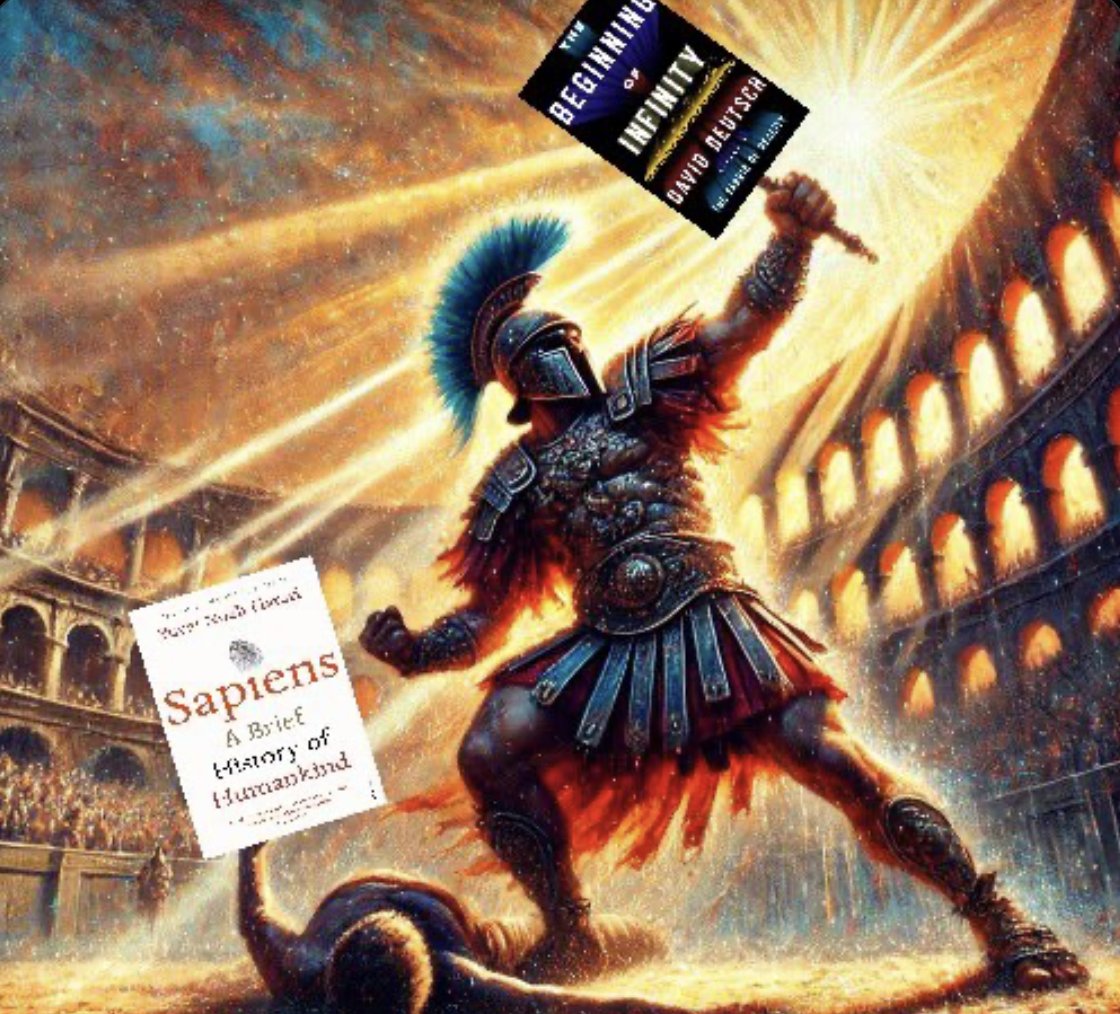
I used to think Sapiens was a great book. Sweeping, provocative, the kind of book that makes you feel like you finally understand the big picture of human history. It's on every CEO's bookshelf, assigned in universities, praised as a masterwork of synthesis. Yuval Noah Harari is treated as one of the serious thinkers of our time.
But something nagged at me. Some passages felt off. Claims that human rights are just figments of our collective imagination, not real things, just stories we tell ourselves. That nations, laws, money, justice, doesn't exist outside our heads. That meaning itself is a delusion we've invented to cope. That we're far more powerful than ever before but not happier. That hunter-gatherers had it better because they had no dishes to wash, no carpets to vacuum, no nappies to change, no bills to pay.
That sounded depressing to me, but was perhaps just the realistic scientific worldview? What it meant to see the world clearly, without comforting illusions.
Then I read The Beginning of Infinity by @DavidDeutschOxf. Deutsch has a concept he calls 'bad philosophy.' Not philosophy that's merely false, but philosophy that actively prevents the growth of knowledge. Ideas that close doors rather than open them. That makes problems seem unsolvable by design.
After soaking in Deutsch's framework (it's dense, a bit like digesting a delicious whale), it becomes clear: Harari's books are riddled with bad philosophy. They're smuggling nihilism in under the guise of scientific objectivity. Some examples:
On meaning: "Human life has absolutely no meaning. Humans are the outcome of blind evolutionary processes that operate without goal or purpose... any meaning that people inscribe to their lives is just a delusion."
On human rights: "There are no gods in the universe, no nations, no money, no human rights, no laws, and no justice outside the common imagination of human beings."
On free will: "Humans are now hackable animals. The idea that humans have this soul or spirit and they have free will, that's over."
On progress: "We thought we were saving time; instead we revved up the treadmill of life to ten times its former speed." The Agricultural Revolution? "History's biggest fraud." We didn't domesticate wheat, "it domesticated us."
On our cosmic significance: "If planet Earth were to blow up tomorrow morning, the universe would probably keep going about its business as usual. Human subjectivity would not be missed."
On the future: "Those who fail in the struggle against irrelevance would constitute a new 'useless class.'" Homo sapiens will likely "disappear in a century or two."
This is bad philosophy. It tells us our problems are cosmically insignificant, our solutions are illusions, and that progress is neither desirable nor within our control. It's also perfect nonsense. No one would ever go back to being hunter-gatherers. Would you rather worry about your kid spending too much time on Roblox, or face the 50% chance she won't reach puberty?
And our so-called "fictions"? They ended slavery. They gave women equal rights. They solved hunger. They eradicated smallpox. They turned sand into computer chips. They got us to the moon, and hopefully soon, to Mars and beyond. These "fictions" are already reshaping the universe, and over time they may become the most potent force in it.
Now compare Deutsch:
"Humans, people and knowledge are not only objectively significant: they are by far the most significant phenomena in nature."
"Feeling insignificant because the universe is large has exactly the same logic as feeling inadequate for not being a cow."
"Problems are soluble, and each particular evil is a problem that can be solved."
"We are only just scratching the surface, and shall never be doing anything else. If unlimited progress really is going to happen, not only are we now at almost the very beginning of it, we always shall be."
Where Harari sees a species of deluded apes stumbling toward obsolescence, Deutsch sees universal explainers, the only entities we know of capable of creating explanatory knowledge, solving problems, and potentially seeding the universe with intelligence.
The difference isn't academic. Ideas shape action. If you believe life is meaningless, progress is a trap, and humans are hackable animals with no free will, how does that affect what you build? What you fight for? What you teach your children?
Harari's books sell because they flatter a fashionable pessimism. They let readers feel sophisticated for seeing through the "delusions" everyone else lives by. That smug cynicism is corrosive. And it's everywhere: in schools, in media, in bestselling books. More than half of young adults now say they feel little to no purpose or meaning in life. This is what happens when you teach an entire generation bad philosophy. Less progress, less health, less wealth. Less flourishing. And ultimately, a higher chance that civilization and consciousness go extinct.
Fortunately, there's another equally well-written, but much truer, account of homo sapiens, appropriately titled 'The Beginning of Infinity'. And this one smuggles no despair in by the backdoor. But let's give Harari credit where it's due. He is right about one thing: if planet Earth blew up tomorrow, we wouldn't be missed. Because there'd be no one left to miss us, just a careless universe, blindly obeying physical laws. We are the only ones who can miss, but we're not going to. We're going to aim, hit, and keep going.
Full credit for the amazing meme to @Ben__Jeff
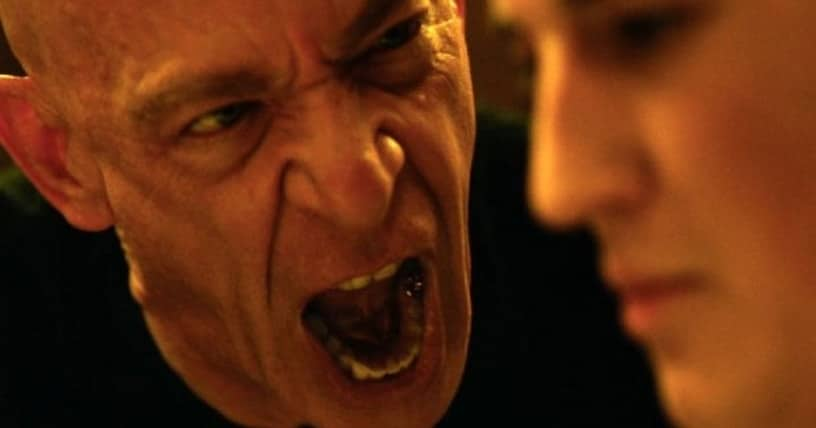
“Show me the mechanism of action.”
“Uh. from the p-p-perturb seq?
right here. Knocks down Gene X, and the cells shift into Cluster 7."
“You used fkn UMAP again. FUCK. Zoom in.”
“Sorry?”
“Zoom. The fuck. In.”
“…Okay.”
“Do you see it?”
“…See what?”
“He doesn’t see it. The cell biology postdoc from Stanford does not know how to see a cell. He stares at a two-million-cell embedding and doesn’t see the conflations he just planted in my S3 bucket.
WHERE is the temporal resolution?”
“The… what?”
“Where is the time? You hit the cell with a perturbation and you measured it once. Once. That’s not a mechanism. That’s a fucking POSTCARD!”
“We sequenced at 72 hours. That’s standard.”
“Standard is not the same as correct. You are aliasing causality. You compressed a dynamic process into a static endpoint and you’re think you will cure metastatic cancer.”
“But the differential expression is significant.”
“WOW! DIFFEWENTIAL EXPRESSION IS SIGNIFICANT! WOW! WHEN THE FUCK IS IT NOT.
Yes, because statistics is Mario Kart.
A fantasy land where causality is optional and variance disappears if you collect enough cells. Real biology has inertia.
Feedback.
Competing pathways.
Do you understand the difference between correlation and mechanism? Or did you flunk out of STAT 101?”
“…I mean, we saw Gene X regulate Pathway Y.”
“No. You saw Pathway Y exist in the same cell after you kicked it down the stairs and waited three days. That’s not even a crime scene, you dimwit. That is a post-mortem autopsy.”
“The model inferred a trajectory--”
“STOP the buffoonery. Do not blame the model.
The model is a mirror.
In this particular case, you can see it mirrors the clusterfuck you just created in my biosafety cabinet.
If the reflection is warped, it’s because your measurement is warped.”
“Pull up the raw counts.”
“…Okay.”
“Scroll. Cell 14,982. Read it to me. What does it say?”
“Uh… mitochondrial genes up, ribosomal genes down-”
“And?”
“…And stress response markers?”
“Yes. Because you poisoned the cell and waited long enough for it to panic.
Where is the early signaling?
Where is the metabolic inflection?
Where is the first irreversible decision?”
“We don’t capture that.”
“Exactly. You built a platform that cannot see the mechanism. YOUR PLATFORM IS FUCKING BLIND.”
“The virtual cell...showed the perturbation effect cleanly.”
“Yes. because your VIRTUAL CELL IS VIRTUAL. it assumes the cell is a bag of transcripts. Do you think metabolites show up? OR AN ISOFORM? AN ISOFORM, THAT WILL DEGRADE IN THE CELL BEFORE YOU EVER REACH YOUR SENSOR? THAT ONE? YOU THINK THAT'S HOW CELLS WORK?”
“So what do you want me to do?”
“Delete the atlas.”
“What?”
“Delete it. The whole thing.”
“But that’s the core result.”
“It’s three weeks of garbage narrative built on a blind instrument. Delete it.”
“…Now what?”
“Now you rebuild the measurement. You observe the cell while the perturbation propagates. You track chemistry, not just transcripts. You capture the first divergence, not the final corpse.”
“That’s… not perturb-seq anymore.”
“Exactly.”
door slams
In the opening lecture of 𝘛𝘩𝘦 𝘍𝘦𝘺𝘯𝘮𝘢𝘯 𝘓𝘦𝘤𝘵𝘶𝘳𝘦𝘴 𝘰𝘯 𝘗𝘩𝘺𝘴𝘪𝘤𝘴, delivered at 𝘊𝘢𝘭𝘵𝘦𝘤𝘩 during the 1961/62 academic year, Richard Feynman posed a striking question to his introductory physics students. He asked what single sentence would preserve the greatest amount of scientific knowledge if all learning were destroyed and only one statement could be passed on to future generations.
Feynman’s answer was what he called the atomic hypothesis:
“𝘈𝘭𝘭 𝘵𝘩𝘪𝘯𝘨𝘴 𝘢𝘳𝘦 𝘮𝘢𝘥𝘦 𝘰𝘧 𝘢𝘵𝘰𝘮𝘴, 𝘭𝘪𝘵𝘵𝘭𝘦 𝘱𝘢𝘳𝘵𝘪𝘤𝘭𝘦𝘴 𝘵𝘩𝘢𝘵 𝘮𝘰𝘷𝘦 𝘢𝘳𝘰𝘶𝘯𝘥 𝘪𝘯 𝘱𝘦𝘳𝘱𝘦𝘵𝘶𝘢𝘭 𝘮𝘰𝘵𝘪𝘰𝘯, 𝘢𝘵𝘵𝘳𝘢𝘤𝘵𝘪𝘯𝘨 𝘦𝘢𝘤𝘩 𝘰𝘵𝘩𝘦𝘳 𝘸𝘩𝘦𝘯 𝘵𝘩𝘦𝘺 𝘢𝘳𝘦 𝘢 𝘭𝘪𝘵𝘵𝘭𝘦 𝘥𝘪𝘴𝘵𝘢𝘯𝘤𝘦 𝘢𝘱𝘢𝘳𝘵, 𝘣𝘶𝘵 𝘳𝘦𝘱𝘦𝘭𝘭𝘪𝘯𝘨 𝘶𝘱𝘰𝘯 𝘣𝘦𝘪𝘯𝘨 𝘴𝘲𝘶𝘦𝘦𝘻𝘦𝘥 𝘪𝘯𝘵𝘰 𝘰𝘯𝘦 𝘢𝘯𝘰𝘵𝘩𝘦𝘳.”
With this single sentence, Feynman distilled the essence of modern science, showing how the vast complexity of nature emerges from the motion and interaction of atoms governed by simple physical laws.
(📸: Caltech Archives Image)