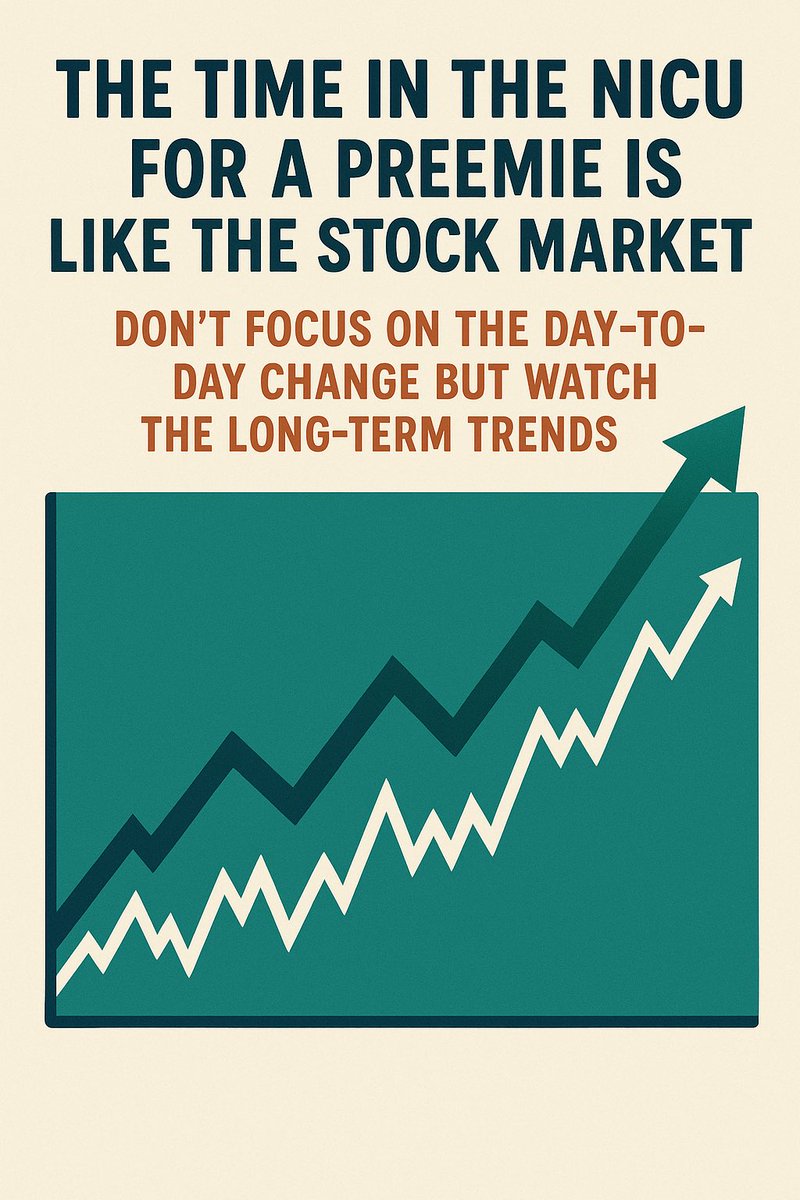
I am a many degrees of crazy mum, coupled with long hours at work and the guilt feelings that accompany the hours away. I have these on my wall at work to remind me; as if I can ever forget.
Pls stay home and be safe. Wash your hands too.
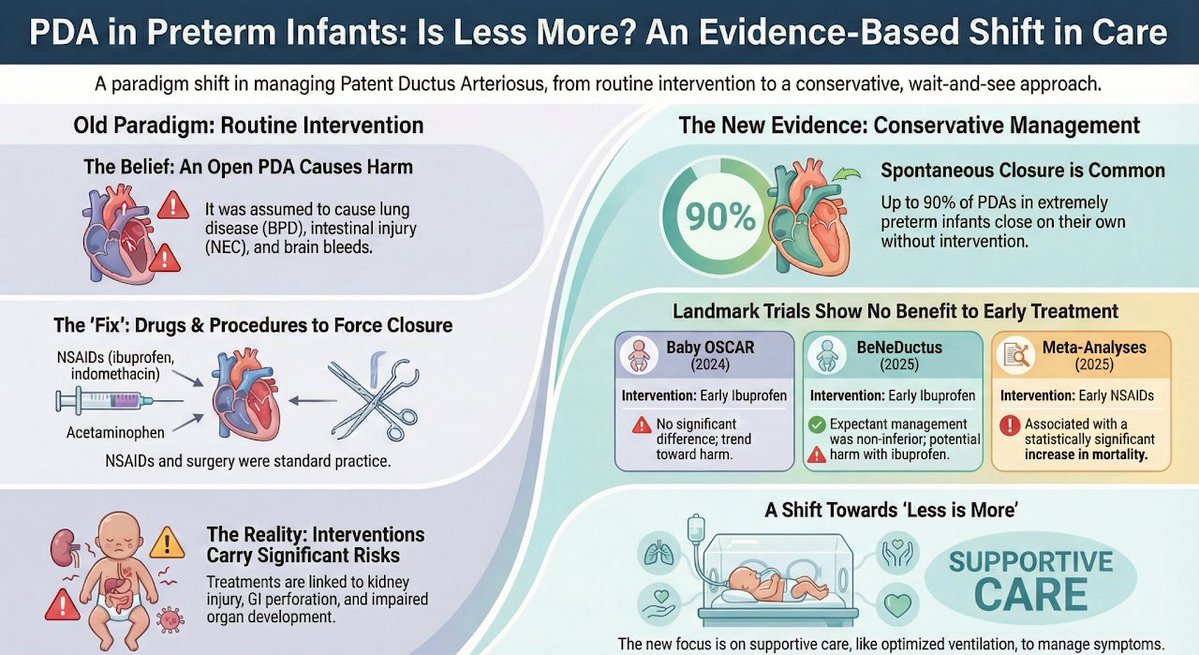
With the publication of the NICHD PDA Trial, we revisit PDA in Prematurity: Rethinking a Decades-Old Debate (2025). In 482 infants (22–28 wks), expectant management showed no difference in death/BPD vs treatment and higher survival.
https://t.co/cpjPnzAlLT
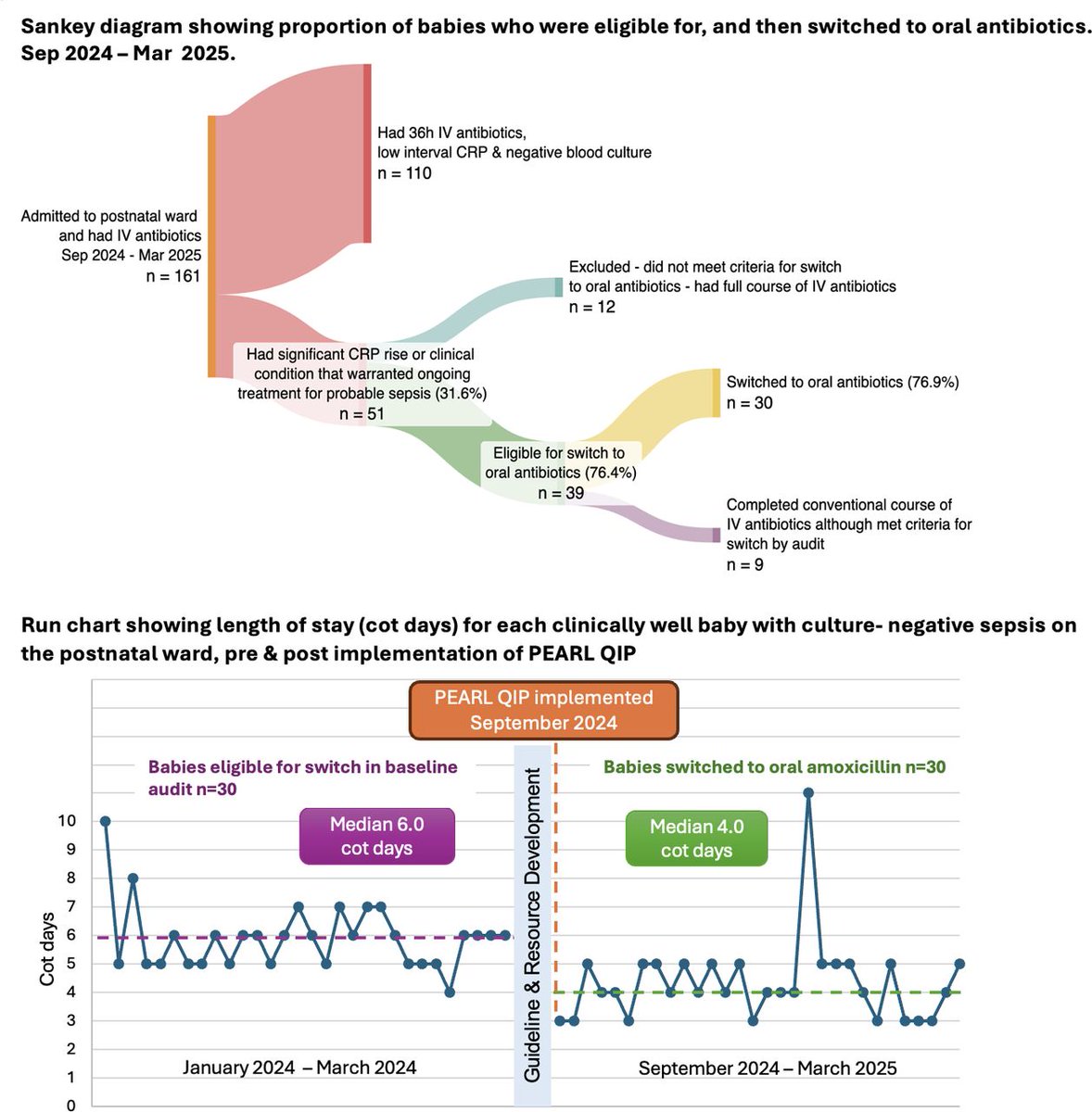
Switching neonates with culture-negative early onset sepsis on the postnatal ward from IV to oral antibiotics can reduce length of stay - the PEARL QI project
Can benefit 2% of all babies born
https://t.co/4n4X4kF1Zu
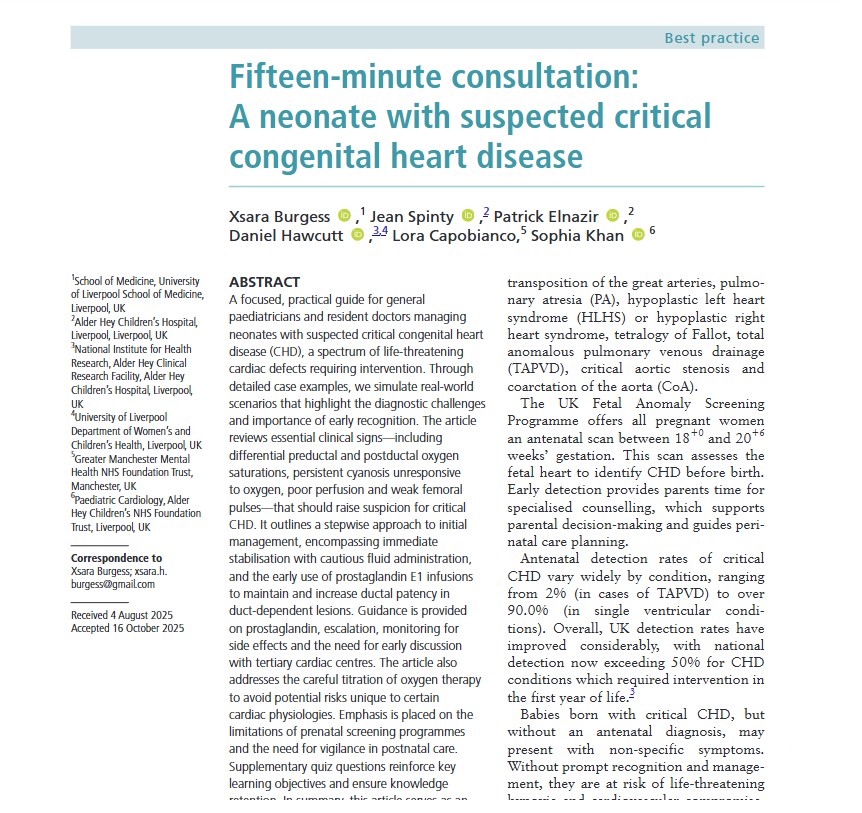
15-minute consult: A neonate with suspected critical congenital heart disease
Prostin is pretty safe, so start while awaiting assessment https://t.co/2Uo5A0uZT9
Uncertainty is ubiquitous in the practice of medicine. A new review characterizes clinical uncertainty and shows how teachers can guide learners to recognize, manage, and communicate uncertainty in practice.
Figure 1 from the review shows a conceptual model of how clinicians manage clinical uncertainty.
Clinicians recognize uncertainty through a range of cognitive, somatic, emotional, and behavioral cues and manage these experiences over time through cyclic processes of forward planning and monitoring, which can, in turn, reveal new uncertainties. These processes are highly dynamic and are shaped by evolving clinical findings and contexts.
Learn more in the Review Article “Educational Strategies to Prepare Trainees for Clinical Uncertainty,” the latest in the Medical Education series, by Jonathan S. Ilgen, MD, PhD, and Gurpreet Dhaliwal, MD, from @UW, @UCSF, and @SFVAMC: https://t.co/sTJoEXBiaN
Read this paper to know how to 'actually' read a paper!
I've highlighted the key points -> now this 10 min read of 3-pass apprach will change your paper reading technique for good!
𝗞𝗲𝘆 𝘁𝗮𝗸𝗲𝗮𝘄𝗮𝘆𝘀:
— First Pass (5-10 minutes)
Quick scan for bird's-eye view
— Second Pass (up to 1 hour)
Read with greater care
—>> Third Pass below ⬇️
💬 𝗛𝗼𝘄 𝗱𝗼 𝘆𝗼𝘂 𝗮𝗽𝗽𝗿𝗼𝗮𝗰𝗵 𝗿𝗲𝗮𝗱𝗶𝗻𝗴 𝗽𝗮𝗽𝗲𝗿𝘀?
1/2
Neurodevelopmental outcomes at 2 year olds of infants born at 22–26 weeks gestation across two epochs in Sweden
Despite increased survival from 2004–2007 to 2014–2016, neurodevelopmental outcomes have not improved. Low gestational age and maternal country of birth outside the Nordic region were strongest predictors of neurodevelopmental impairment and cognitive delay
FEED 1 trial results out in @LancetChildAdol:
In infants born at 30+0 weeks to 32+6 weeks of gestation, full milk feeds from day 1 did not alter length of hospital stay.
Paper: https://t.co/on9zMAfCwC
Comment: https://t.co/NOQ77elZ6s
#EBNEOAlerts#neoEBM
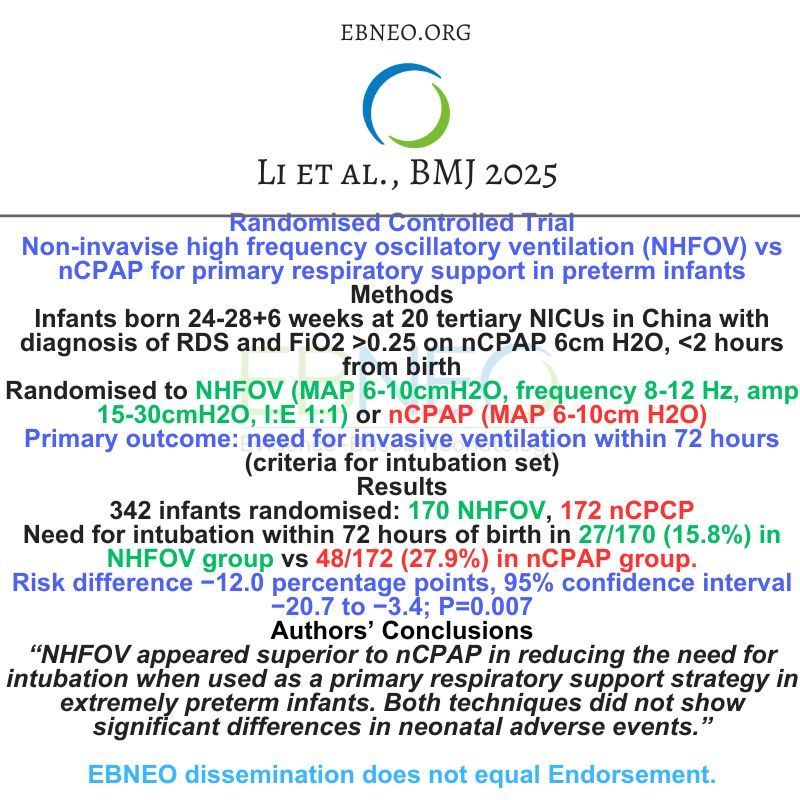
Could non invasive high frequency oscillatory ventilation offer better primary respiratory support at birth in extreme preterm infants than nCPAP? https://t.co/OFf7Y1oWWW #neoEBM#EBNEOalerts#FOAMneo#neotwitter
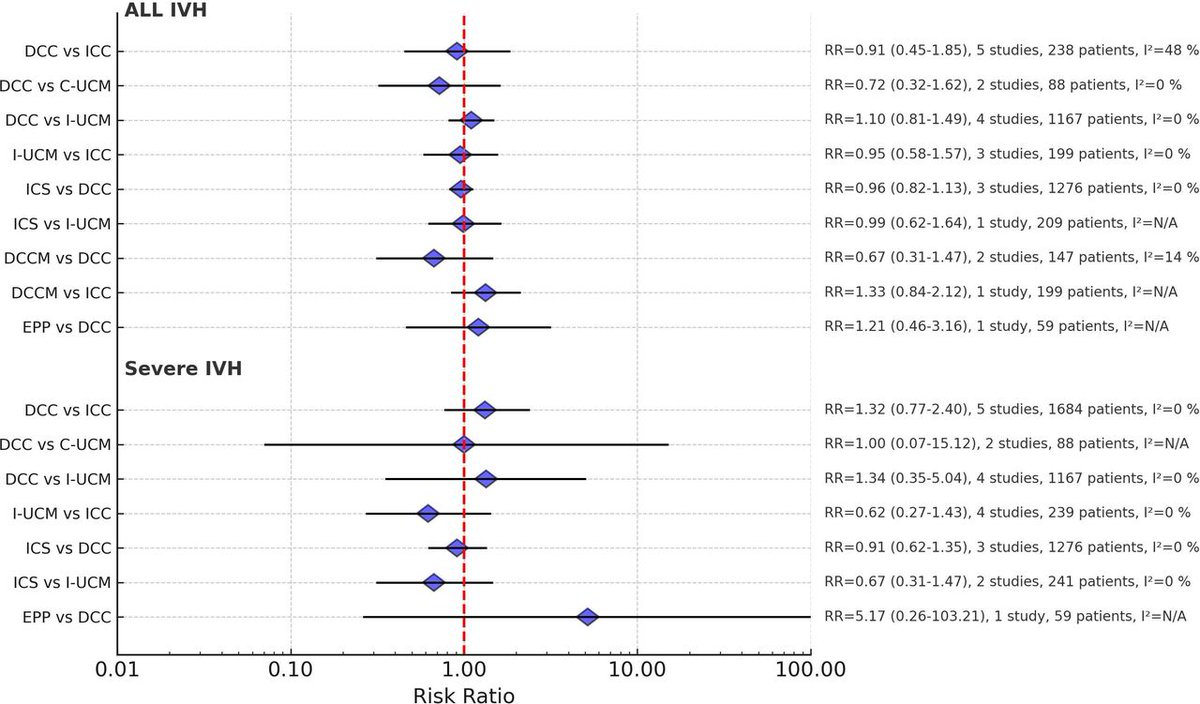
Does umbilical cord management strategies influence risk of IVH in preterm neonates?
ICC, DCC, I-UCM, C-UCM, ICS etc - makes no difference
Systematic review and meta-analysis https://t.co/guosvGVfzY