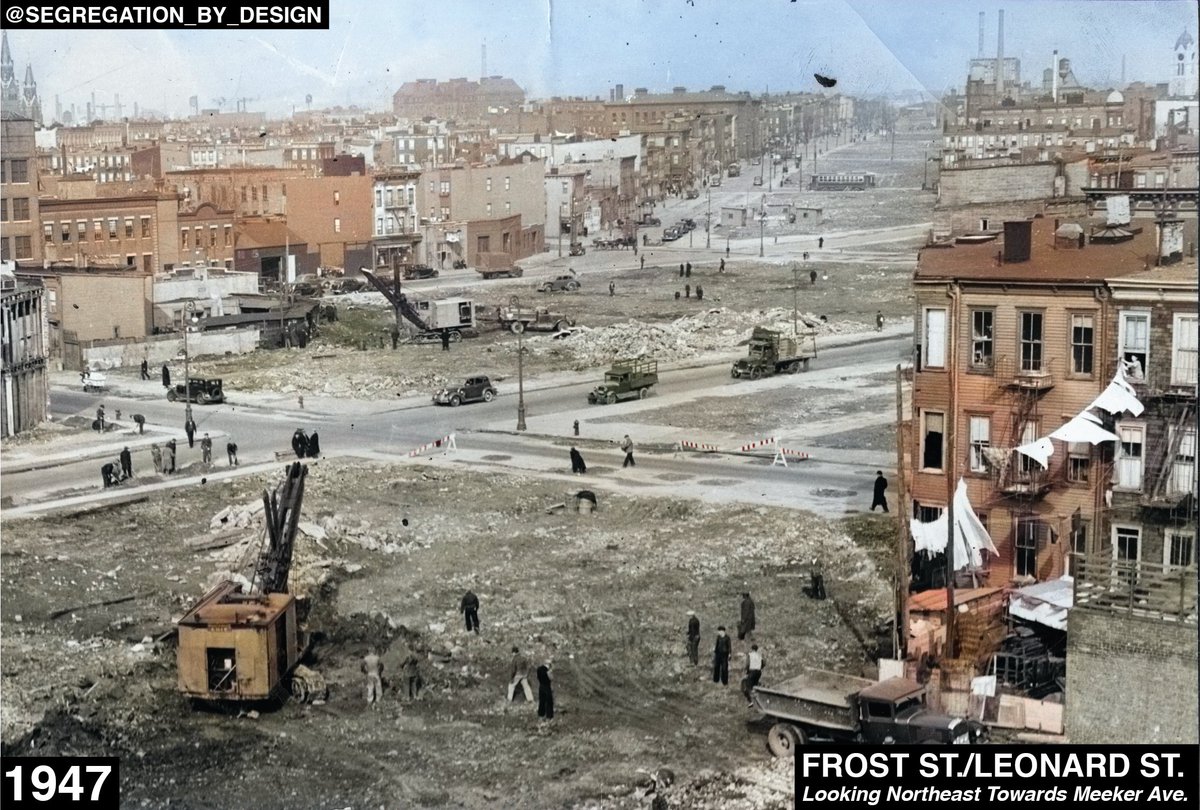
Construction of the Brooklyn-Queens Expressway, required the forcible displacement of tens of thousands of people across the two boroughs. Planned by Robert Moses, the highway cut a nearly 15-mile gash through some of the most densely populated neighborhoods on the planet.
An estimated 19 pedestrians a day were struck and killed by cars in the US last year—a disproportionate number of them Black and Hispanic. The history of racism in the physical design of our cities is partly to blame. More in my guest essay for @nytimes
https://t.co/T5iX3uHFQR
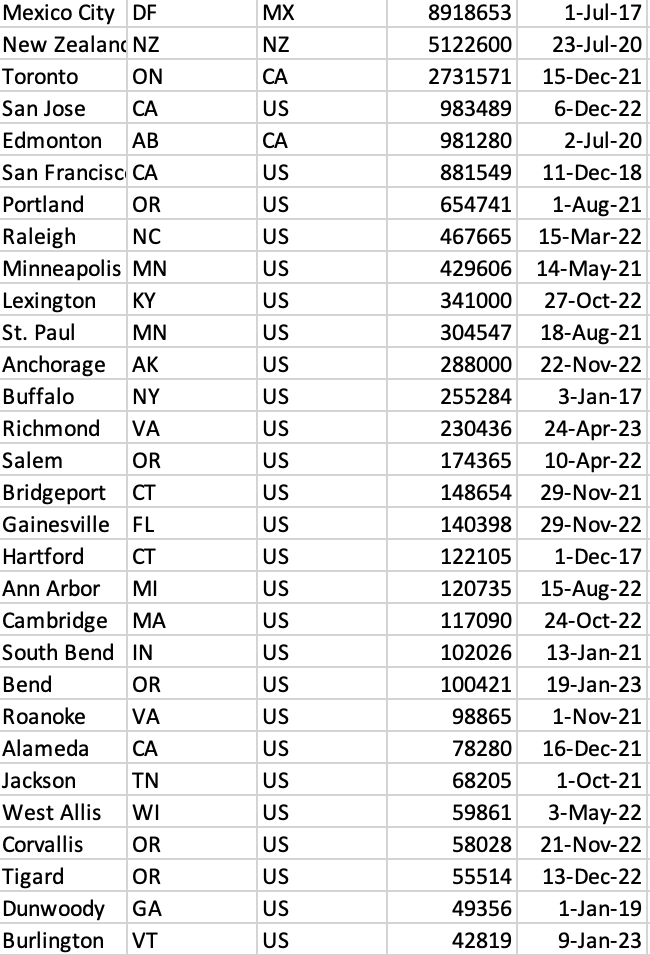
Top 30 known cities (and one country) with no parking mandates.
No. 14 (Richmond, VA) and 15 (Salem, OR) are the most recent additions, and they are both state capitals!
#shoupista#parkingreform
I am writing a book about time taxes and I need your help! Tell me about the insurance snafu ruining your life, the years you spent waiting for benefits, your immigration process, your FAFSA cluster, your healthcare nightmare. I'm [email protected]. https://t.co/zu5XF3R4W7
this image, of the IRT flushing line in open fields now called sunnyside, has become famous for its symbolism of transit's influence on nyc.
but this isn't the only such image—here's a bit of a journey down the flushing line looking at how much it's shaped queens in 106 years.
NEW: You know those paper temporary license plates that suddenly seemed to be everywhere during the pandemic? I've spent months looking into the black market for them and found used car dealers exploiting loose regulations to sell real temp tags illegally. https://t.co/L5krk37YAG
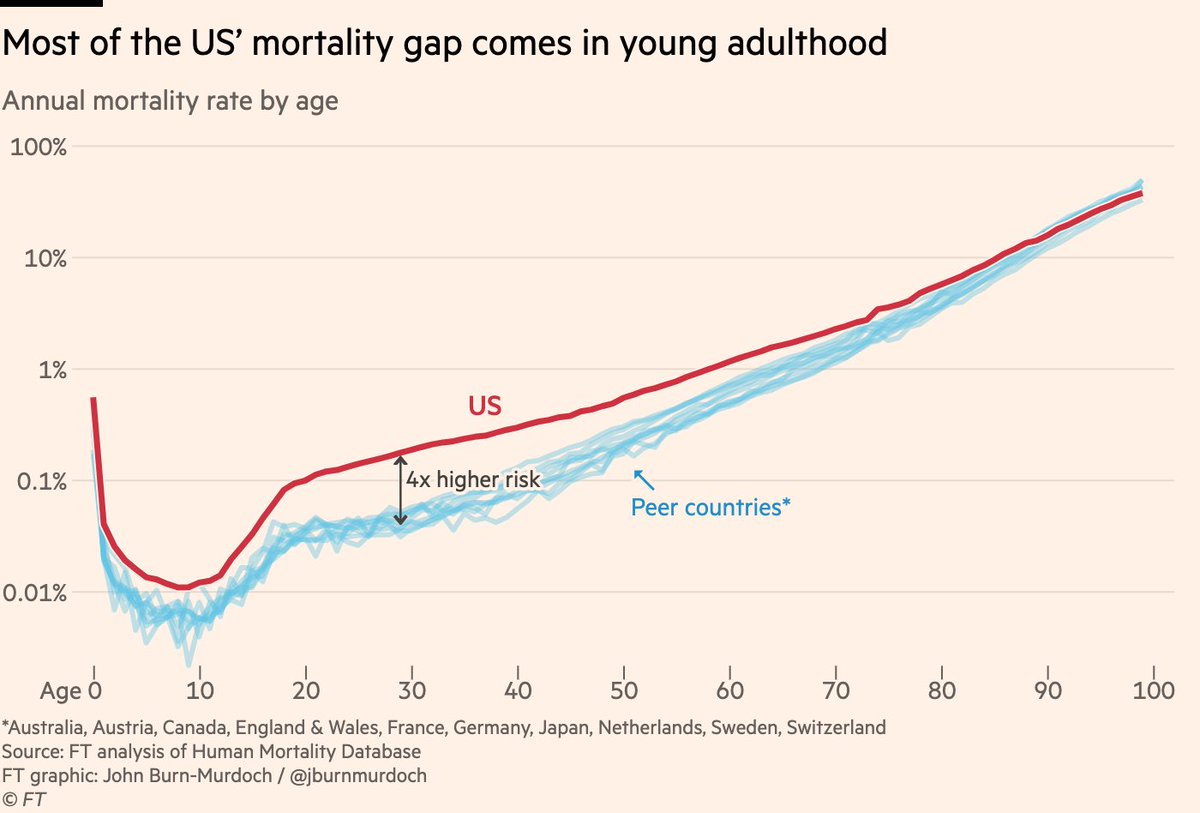
Here’s another way of showing the same thing:
Beyond age 70, US mortality/survival rates are very similar to other rich countries. But between teenage years and early middle age there is a vast gulf.
Change in % of workers taking public transportation to work in America's largest cities, 1970-2020:
New York: 61% → 50%
Los Angeles: 9% → 8%
Chicago: 36% → 23%
Houston: 8% → 4%
Phoenix: 2% → 2%
Philadelphia: 37% → 21%
San Antonio: 8% → 2%
San Diego: 5% → 3%
On average 20% of our major city centers are dedicated solely to car parking. Parking reform is the first step in rebuilding walkable and sustainable communities.
https://t.co/9oVNCmViCj
In “The Power Broker,” Caro says, “When RM came to power in NYC in 1934, the city’s mass transportation system was probably the best in the world. When he left power in '68 it was quite possibly the worst.” While improved since, the legacy of RM's assault on transit is still felt
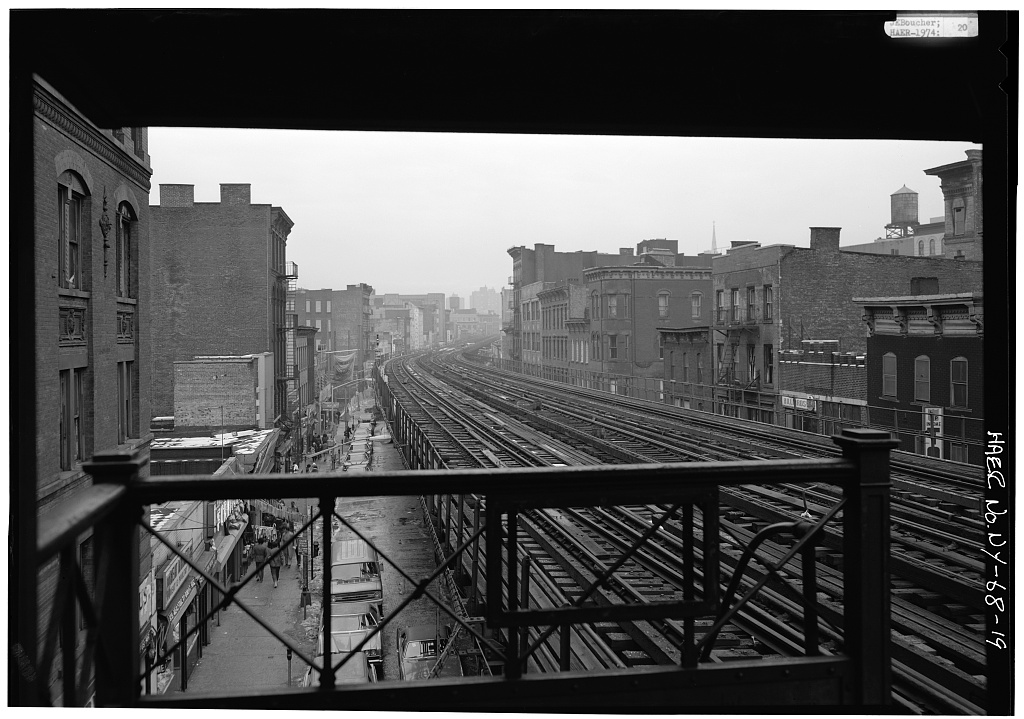
after its closure in 1973, the bronx section of the third avenue el was documented for the library of congress' historic american engineering record. the photos are a great nyc time capsule & tribute to a line whose demise brought an end to the era of legacy elevated rail in nyc.
Yesterdat @DonaldShoup stopped by my office with the most recent (2019) ITE Parking Generation Manual. You'll recall that this is the bible of parking requirements, and has been lambasted for poor statistical methodology for 20 years now.
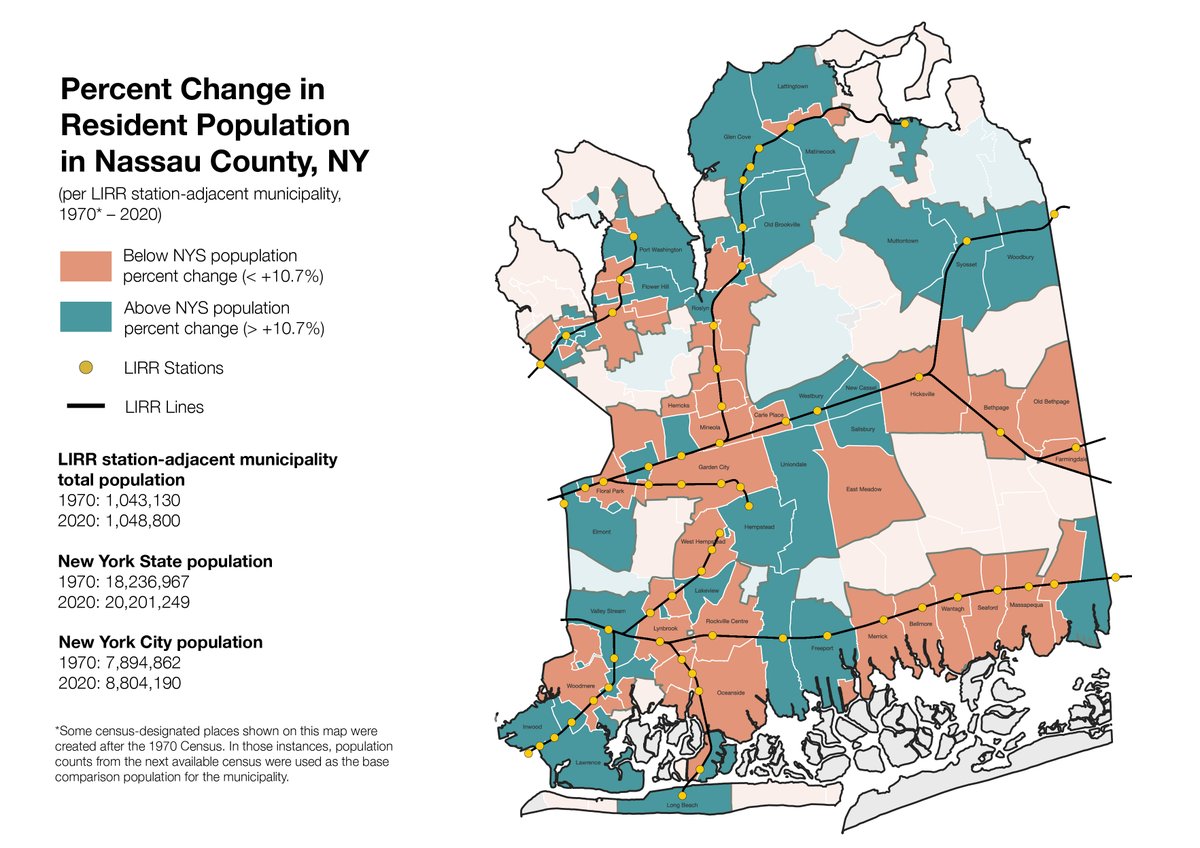
Quick map showing how well LIRR-adjacent municipalities in Nassau County have kept up with New York State's modest population increase since 1970. Despite some localized gains, the number of people living near the LIRR overall has remained stagnant for more than fifty years!