@YashHustle_22 I created snap-ally a npm to check accesibility of your website https://t.co/cPPCGH06ef also I created a website to practice automation testing https://t.co/kXz6EaYcaw
MICROSOFT'S FREE AI AGENTS COURSE
The best resource to go from zero to building production ai agents.
→ 15+ lessons with code + videos
→ agentic RAG, multi-agent, tool use
→ memory, planning, browser-use agents
→ MCP & A2A protocols included
all free.... all open source
https://t.co/M4s5joeXrr
¡Visual Studio Code evoluciona! Lanza Agents Window para administrar agentes de IA en dentro del editor.
✓ Controla Copilot, Claude Code y más
✓ Usa proyectos de GitHub o locales
✓ Revisa cambios sin salir de VS Code
Aquí te lo enseño para que lo veas:
Este repo es una joya: tutoriales crear agentes de IA.
Listos para producción y con casos de uso reales.
Todo el código disponible y explica cómo desplegarlos:
https://t.co/Bf4WLIdNmM
¡Nueva certificación de GitHub para programadores!
Agentic AI Developer.
Y lo mejor: han publicado un curso gratis para aprender.
✓ Arquitectura de agentes
✓ MCP, tools, memoria y ejecución
✓ Sistemas multi-agente y guardrails
→ https://t.co/EbobFlrip4
@QodoAI's Bug Scanner found 7 issues in my npm snap-ally and found 7 issues found across 10 PRs
~20 actionable issues estimated per year
Check yours at https://t.co/UCA3pbRSwB #StopAISlop
The test pyramid was good advice for 2009.
I don’t think it’s good advice for modern .NET systems.
Back then, integration tests were expensive:
shared database servers, flaky CI, slow builds, painful setup.
So the advice made sense:
write tons of unit tests, mock everything, keep integration tests small.
But the economics changed.
With Testcontainers, I can spin up PostgreSQL, Redis, and RabbitMQ in seconds.
With Aspire, I can wire up the application graph and test the real system boundaries.
That changes what "fast feedback" means.
For me, the highest-confidence test suite looks more like this:
A thin layer of unit tests for pure domain logic.
A thick middle of integration tests against real infrastructure.
A few critical end-to-end tests for the flows that would really hurt if they broke.
And architecture/contract tests to keep boundaries from drifting over time.
I still write unit tests.
Just not for everything.
Handlers, endpoints, repositories, message consumers, and module APIs usually belong in integration tests.
That’s where the real bugs tend to hide.
I wrote a detailed breakdown of why I stopped taking the test pyramid seriously, and what I use instead: https://t.co/ql477rWyo1
🚀 ¡Sorteo! 1 año de Claude Pro / Max
Para participar:
• Sigue a @maarcoofdezz y @aiscwork 🔔
• Haz RT a este post
• Comenta algo como “¡Quiero Claude!” o por qué te gustaría ganarlo
📅 | Duración: Hasta el 27 de Abril a las 17:00
¡Ganador elegido al azar y contactado por DM!
There's a really high cost of duplicating code and we're all relearning that everyday with these coding agents. Until they get better at generating reusable code, bugs will run rampant. You can't "abstract it away" with more agents. You just get crappy software....
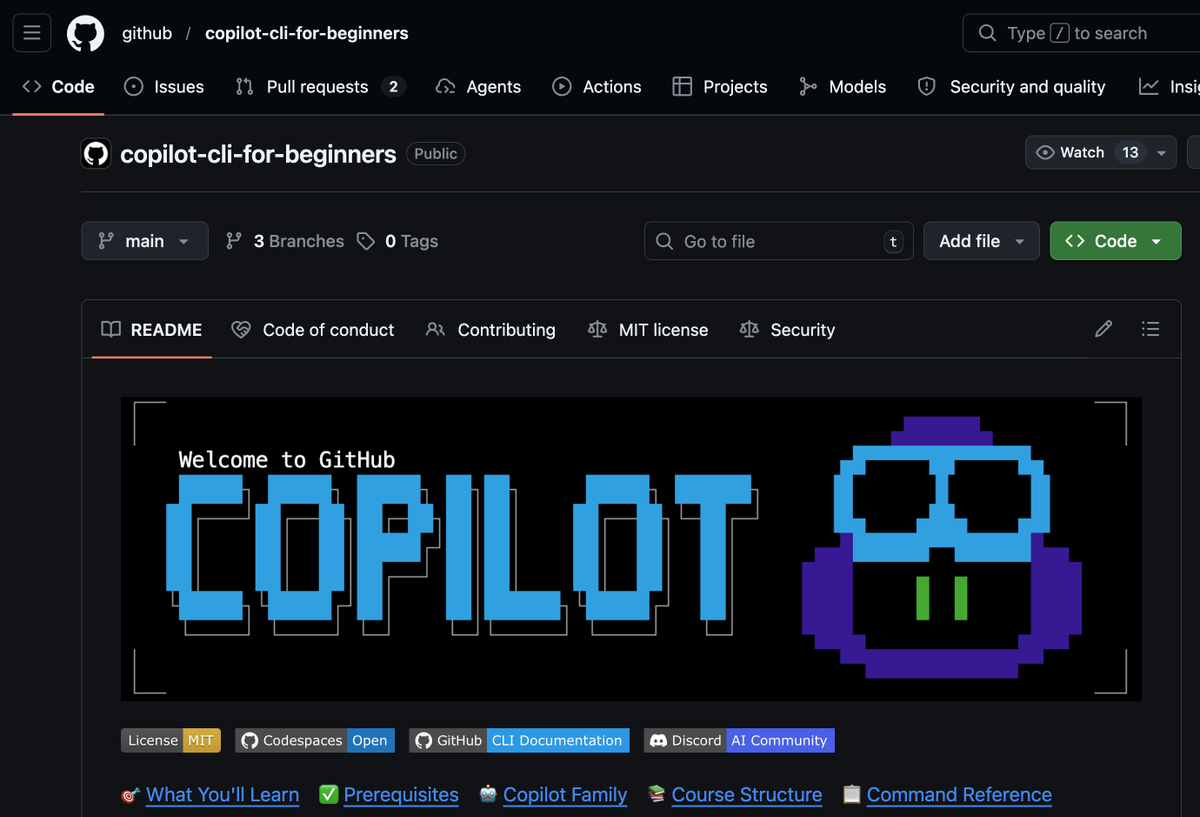
Microsoft acaba de lanzar un curso gratuito y de código abierto: GitHub Copilot CLI para principiantes.
8 capítulos con proyecto práctico, usar el contexto, crear agentes personalizados, trabajar con skills, conectar servidores MCP y mucho más.
→ https://t.co/ICJK4aqKkm