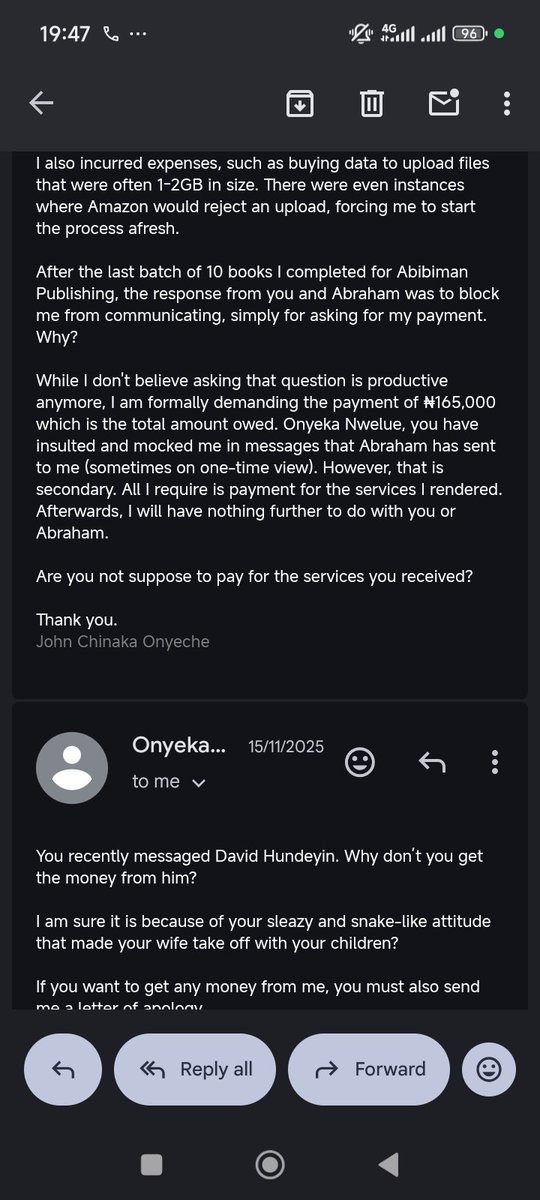
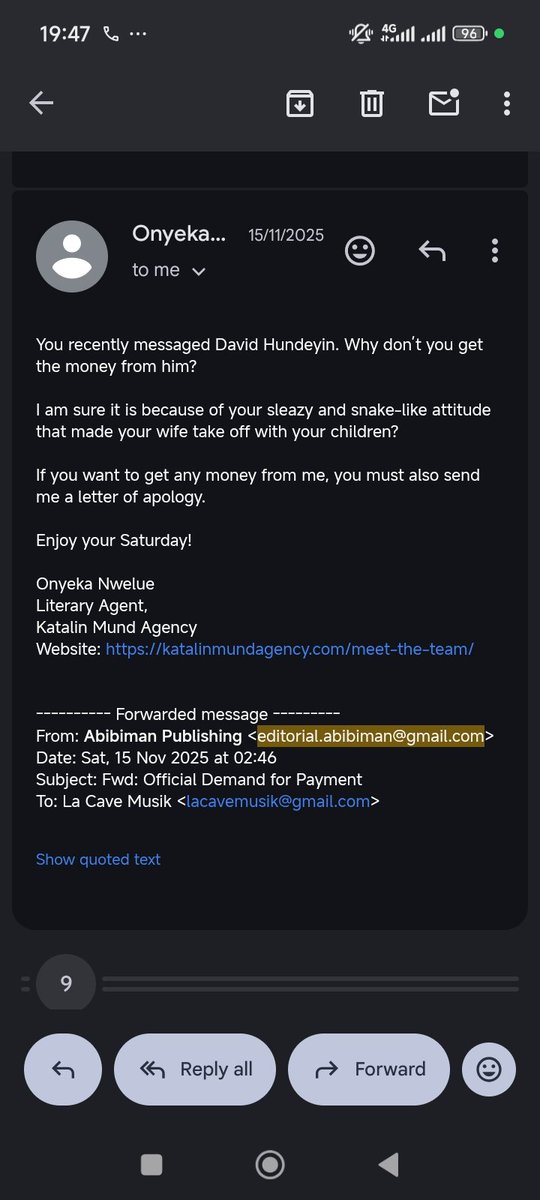
Until I get the full payment of the job I did for you @onyekanwelue, @abrahamAondoana through your boy @AondoanaAbraham from August to October 2025 that all the both of you could was to blocked me from reaching you. Suspending my account is not a perfect way to do this believe me
“See what Nigerian police officers and a suspected military personnel are doing.” reactions
Drama at Ada-George, Port Harcourt, Rivers State, as Nigerian police officers were reportedly seen forcing a man wearing a military polo into their Hilux vehicle.
Tension reportedly rose as the man resisted the officers before eventually regaining his freedom. He later returned to the truck he was driving and drove off.
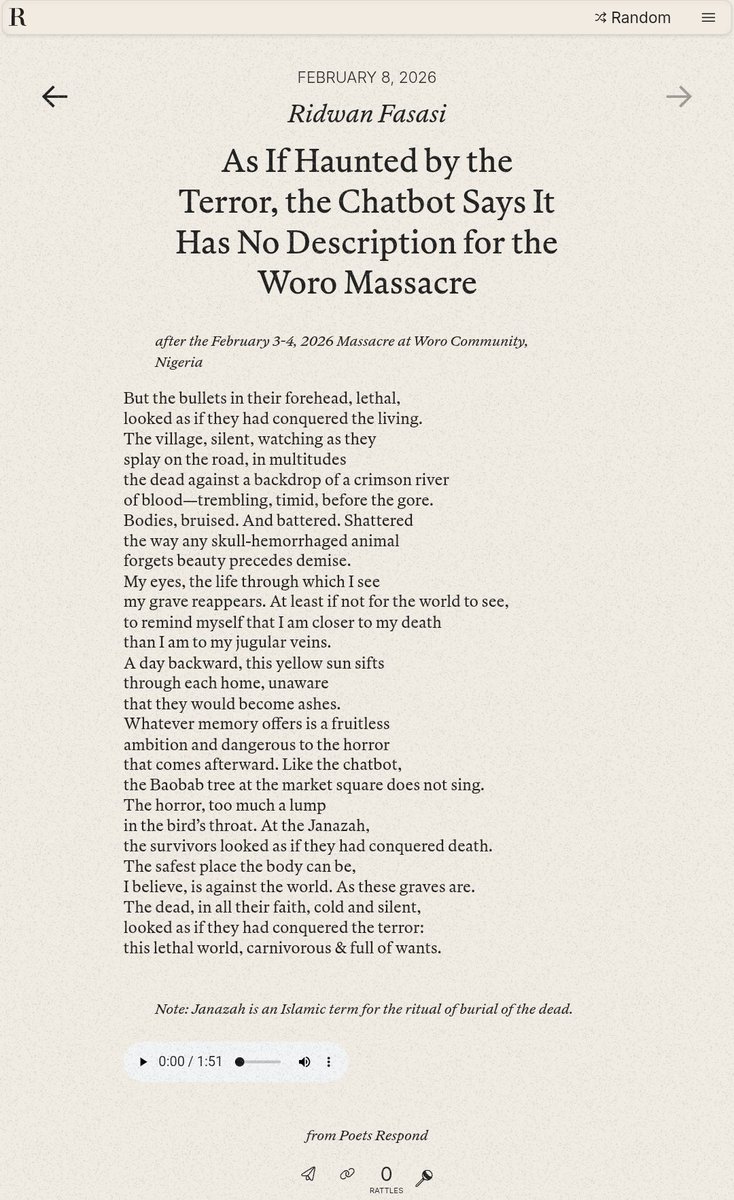
I have a new poem on @RattlePoetry: https://t.co/bSx7xdrQwD
This poem is in response to the gruesome massacre of over 200 people in a community in my local government some days ago. Feb. 3rd is a day I can't get off my head. Such a bad day.
My craft piece was featured in the August newsletter of Okay Donkey Magazine where I’m a fiction reader. It’s a piece I wish I’d read when I was starting out. Please retweet so more writers will see it. Thank you. 🫶
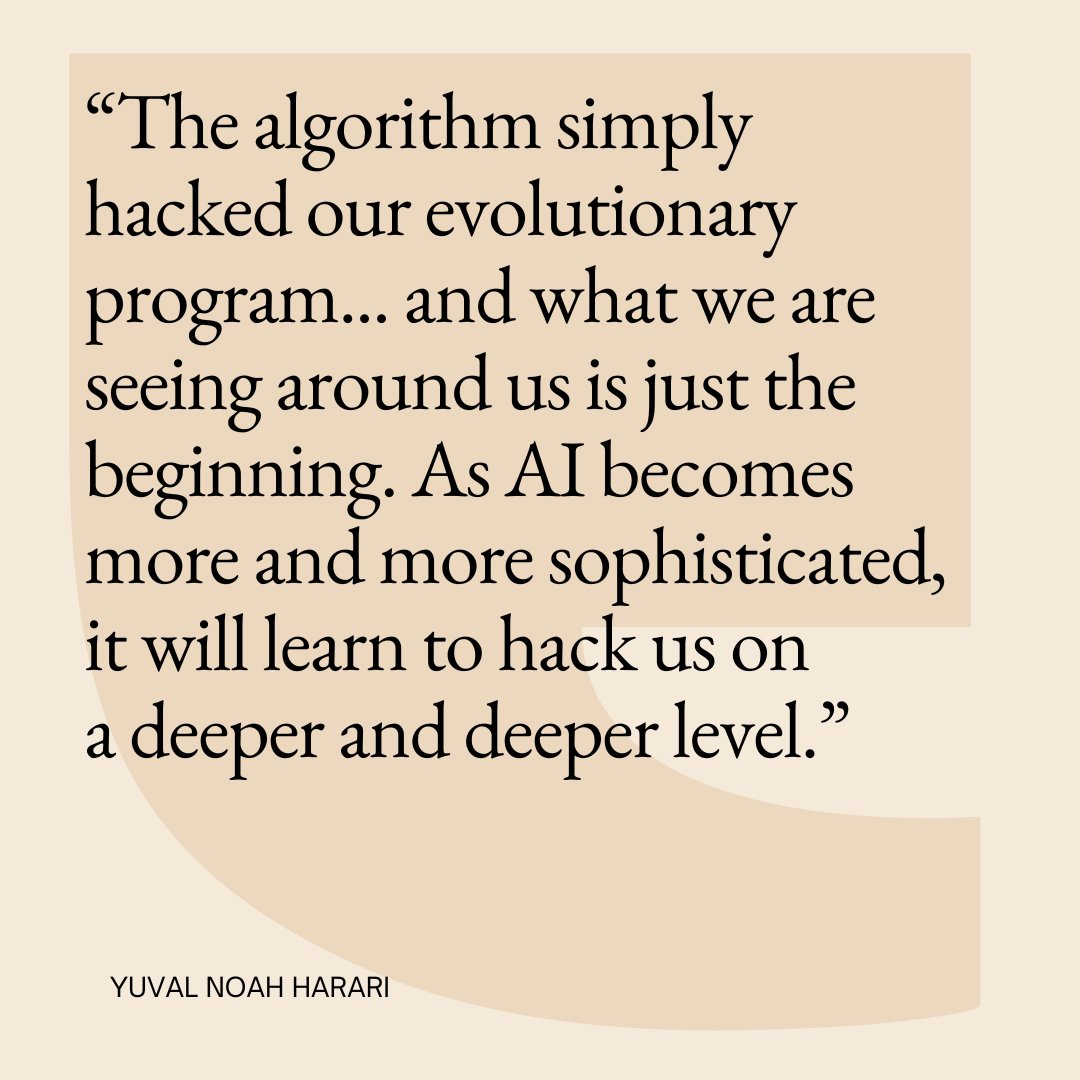
Evolution has programmed us to drop everything when we see something exciting. AI has already hacked how to keep our attention, and then shows us more and more as we scroll social media – snake! Berry! Snake! Berry! How can we fight back against this?
From the @nytopinion podcast with @ezraklein. Watch the whole episode: https://t.co/vezfpz5PjP
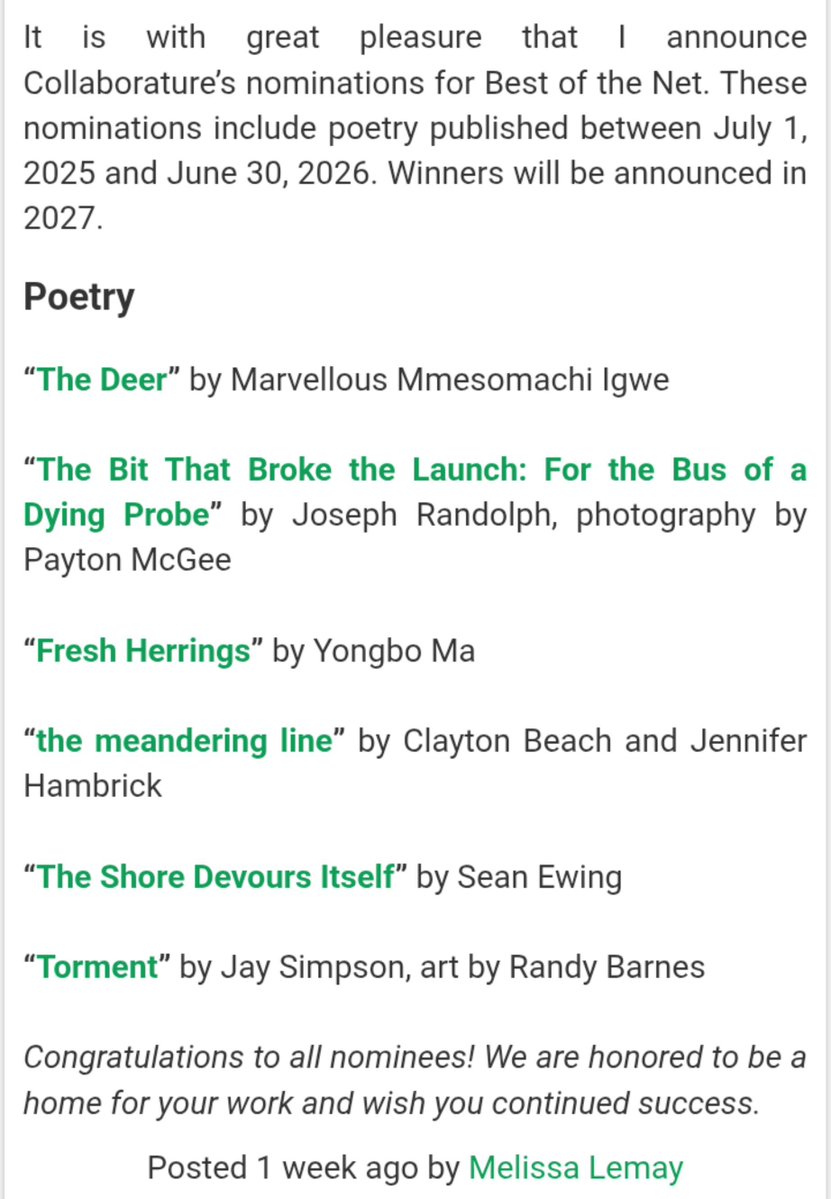
I am pleased to announce that my poem “The Deer” has emerged as a Best of The Net nominee. This is a big win for me and I am happy that my poem has gotten this recognition. Celebrate with me. 🍷
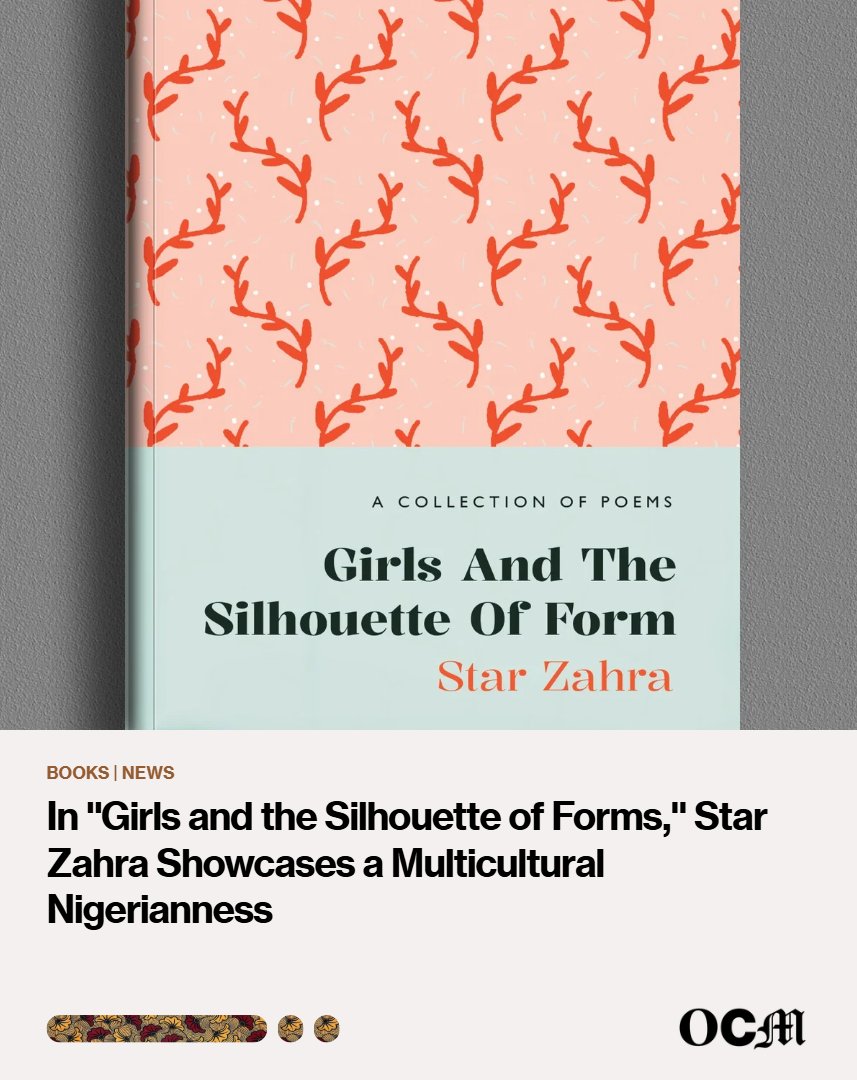
Published by Masobe Books (@masobebooks), Star Zahra's sophomore poetry collection, "Girls and the Silhouette of Form," has already won the 2025 Association of Nigerian Authors/KMVL Poetry Prize. The collection has been praised by critics and reviewers for its linguistic innovation and emotional resonance. Author Romeo Oriogun (@RomeoOriogun) called it "A celebration of the mundane," going on to say that it "sings of what it means to be Nigerian today."
Star Zahra is a Nigerian poet and textile artist. She is the author of "The Dance of Dawn" (2018) and "Girls and the Silhouette of Form" (2024). She serves as a poetry editor for ORISON BOOKS INC, a US-based publishing house and also reads for the American Poetry Journal. Her work has appeared in Brittle Paper, Isele, The Lagos Review, Konya Shamsrumi, Olongo Africa, Kalahari Review, Shallow Tales Review, 20:35 Africa and was shortlisted for the Journal of African Youth Literature Prize for Poetry.
"Girls and the Silhouette of Form" is available at Rovingheights, Spine and Label, Adam's Page, Chapter One, and other leading bookshops nationwide.
At a time when fewer people are able to sit down with a book, it’s important to remember the joy and power that can come from reading. And some books don’t just tell a story – they change the way we see the world. That’s why I’m excited to share my latest podcast from @Audible_com and @HGMedia, A Great Book with Barack Obama.
From cover to cover, The Fishermen unveils multiple tragedies within just one family. Still, it is a tender story in parts, shyly tucked among gripping blood-curdling chapters, a true reflcection of the juxtaposition that is life in Nigeria. Obioma loves gore and catalogues it with near-gleeful graphic unsparing detail. There is child abuse in perverse abundance; for the child in Obioma’s world, the world is a vast classroom of unrelenting terror and abuse. And there is the terrifying descent into depression and lunacy by a distraught mother. Sad, almost beautiful, is the sadness that drapes this powerful book. Obioma tackles the familiar positions on the new Christianity – the desecration of customs, institutions, and religious totems in the name of Christianity.
And this made me remember of trips to my village from the city where we lived:
Like a miracle, a host of people, almost all of whom were relatives, Nde Iku na’ ibe, some of whom I’d seen before and others whose faces merely peopled the many daguerreotypes and fading photographs tucked away in our family albums, arrived at the house within two days. They had all come from the village, Amano, a place I barely knew. We’d visited it only once, during the burial ceremony of Yee Keneolisa, an old immobile man, who was Father’s uncle. We’d travelled through a seemingly interminable road sewn between two vast stretches of thick forests until we reached a place where the great jungle shrunk into a few trees and cultivated heaps and a distributed army of scarecrows. Soon, as Father’s Peugeot negotiated the sand-filled tracks, jerking furiously, we began to meet people who knew him. These people greeted our parents and us with a boisterous effulgence of geniality. Later, dressed in black clothes with a host of others, we’d marched down in a procession to the funeral, no one speaking, but merely crying as if we had been transformed from creatures capable of making speech to ones that could only wail; this had amazed me beyond words. (p. 146)
READ: https://t.co/WCM6zQPbeO
PLEASE WATCH THIS:
This is how the bread you eat is made in some places in Nigeria.
Shirtless men working with bare hands, sweating from hairy armpits into the dough that eventually becomes the soft bread you eat.
A lawless country with zero regulations.
From Workshop to Anthology 📚
Over the next few weeks, we’re revisiting 10 writers and the stories they developed during our workshop in Stone Town, Zanzibar. All 10 stories will feature in this year’s anthology, alongside the 2026 shortlisted stories.
Stay tuned for more!