The FCRA Debate: Why U.S. Criticism of India's 2026 Reforms Raises Questions of Double Standards
The debate surrounding India's Foreign Contribution (Regulation) Amendment Rules, 2026 has once again brought into focus the broader global issue of regulating foreign influence in domestic politics and civil society.
The United States has expressed concerns that the amended framework could adversely affect the functioning of non-governmental organizations (NGOs) and civil society groups receiving overseas funding.
This debate has also revived a larger question: whether Washington applies a different standard to India than it does to itself. The United States has one of the world's oldest and most stringent foreign influence laws the Foreign Agents Registration Act (FARA), 1938 which requires individuals and organizations acting on behalf of foreign principals to register with the Department of Justice, disclose funding, activities, lobbying efforts, and periodic financial reports.
Failure to comply can attract significant civil penalties and criminal prosecution, including imprisonment. In recent years, the U.S. Department of Justice has considerably expanded FARA enforcement, bringing cases involving lobbying firms, consultants, media organizations, and individuals alleged to have acted on behalf of foreign governments without proper disclosure.
The United States is far from being alone in adopting such legislation.
Australia enacted the Foreign Influence Transparency Scheme Act, 2018, which mandates registration by individuals or organizations undertaking political or governmental influence activities on behalf of foreign principals and imposes criminal penalties for non-compliance or false declarations.
The United Kingdom introduced the Foreign Influence Registration Scheme (FIRS) under the National Security Act 2023, creating mandatory disclosure requirements for political influence arrangements involving foreign powers, with enhanced obligations for specified foreign states and penalties including imprisonment.
Canada adopted the Foreign Influence Transparency and Accountability Act, 2024, establishing a public registry for those acting under arrangements with foreign principals to influence governmental or political processes, backed by substantial monetary penalties and criminal sanctions.
Across the European Union, multiple legal instruments including the proposed Defence of Democracy Package, transparency measures, anti-money laundering regulations, and sanctions regimes.collectively seek to expose undisclosed foreign influence and restrict covert political financing.
Israel's NGO Transparency Law, 2016 requires organizations receiving a majority of their funding from foreign governments to publicly disclose such funding in official reports and communications.
Singapore's Foreign Interference (Countermeasures) Act (FICA), 2021 grants authorities wide-ranging powers to compel disclosures, counter hostile information campaigns, and take enforcement action against foreign interference.
Washington has repeatedly expanded enforcement of the Foreign Agents Registration Act (FARA) against individuals, lobbying firms, media outlets, consultants, and organizations linked to foreign governments.
American authorities have scrutinized and prosecuted alleged influence operations associated with the Chinese Communist Party, including entities connected to Confucius Institutes and the United Front Work Department, while also targeting Russian influence campaigns involving state-backed media, social media operations, think tanks, and lobbying networks.
Successive U.S. administrations have likewise investigated foreign influence activities involving countries such as Saudi Arabia, Turkey, and Iran through FARA and related national security laws.
At the same time, the debate surrounding pro-Israel lobbying has periodically raised questions over the scope and application of FARA Law to it.
@Aunindyo2023 Infrastructure isn't a transfer of public money to companies. Competitive tenders build roads, railways, ports & power that create jobs, reduce logistics costs and fuel economic growth. Expose corruption with evidence—not development with ideology
Those who rushed to discredit E20 should read the full clarification.
SIAM has reaffirmed its support for E20, clarified the context of its communication, and stated that the figures cited in media reports require proper authentication.
The complete picture matters. Always.
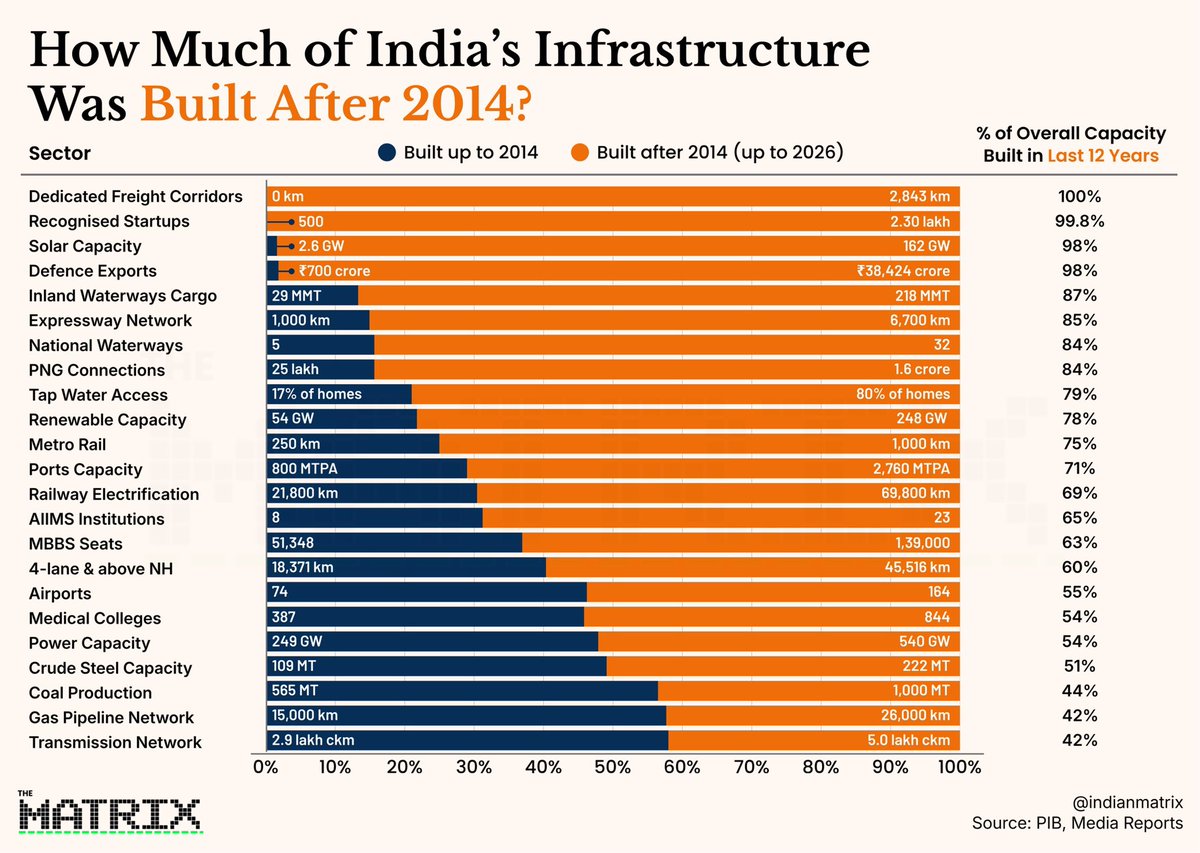
How much of India's infrastructure was built after 2014?
• 100% of Dedicated Freight Corridors
• 98% of Solar Capacity
• 85% of the Expressway Network
• 79% of Tap Water Access
• 75% of Metro Rail
• 71% of Port Capacity
• 69% of Railway Electrification
• 60% of 4-Lane National Highways
Infrastructure is built over decades.
But some decades build more than others.
Imagine the intellectual dishonesty of Raghuram Rajan
Back in 2013, Dr. Singh talked about importance of electronics exports and entering global supply chain
But the moment BJP came to power, Rajan and entire ecosystem began mocking the need for manufacturing.
A High School teacher spells:-
January as JUNGU
February, she starts with M and then gives up.
She is a teacher for last 2 decades.
Baba Saheb's legacy.
PM @narendramodi has put this disastrous policy on steroids. @DrMohanBhagwat endorses this Social INjustice.
CREEPS.
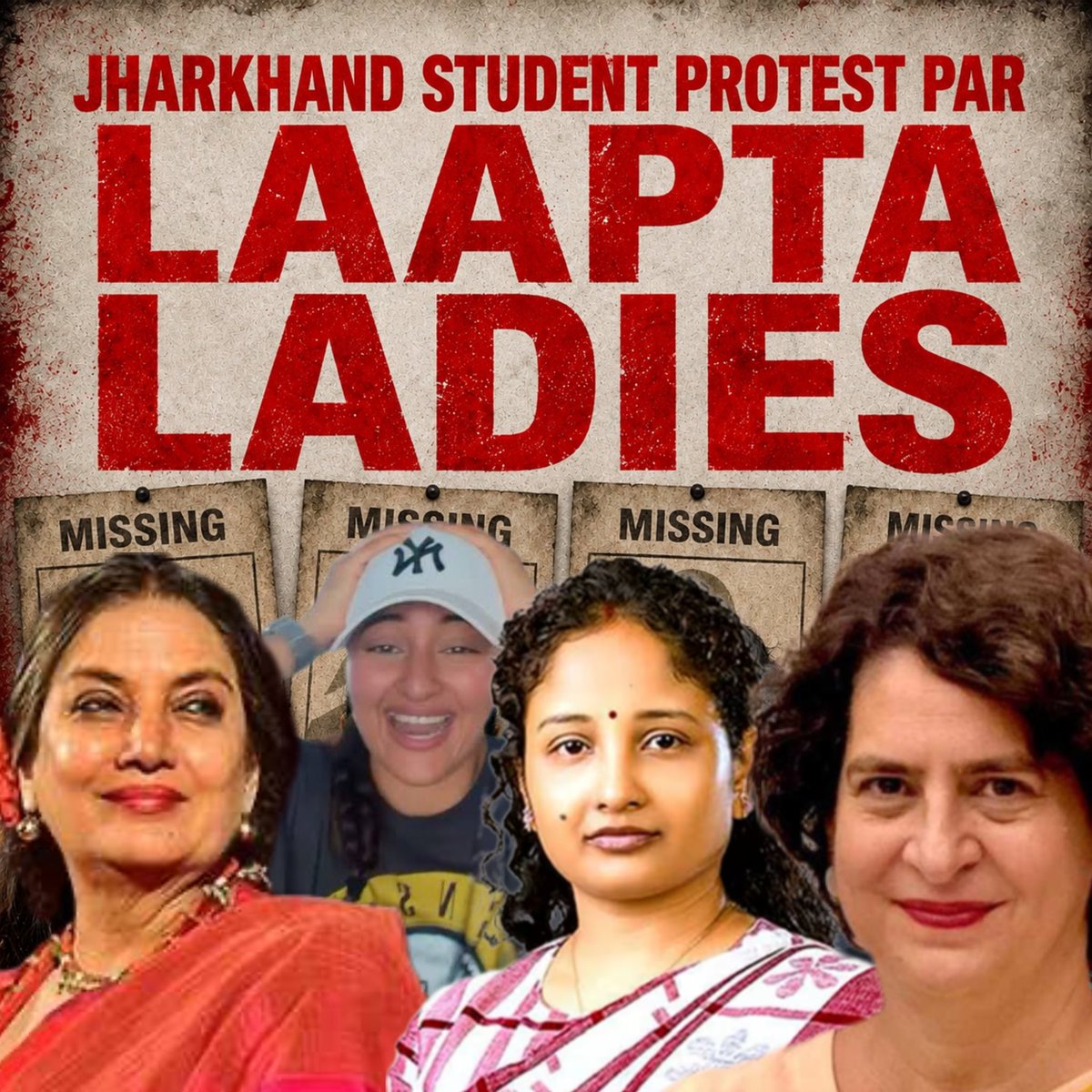
Hypocrisy ki bhi Sayema hoti hai.
Girl stuck in traffic just shown finger still she was mentally affected
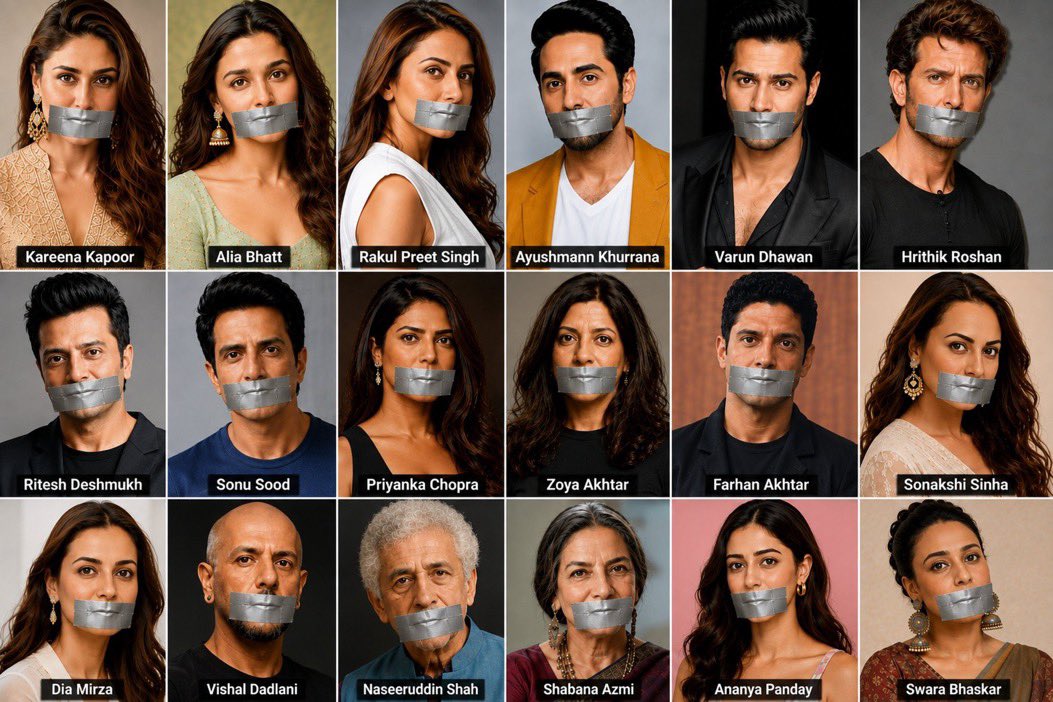
But supporting a girl who abused PM of India in worst manner which even men never do.
This was the ad by Mumbai based Storia in 2021 which angered Congress workers so much that they destroyed its Mumbai office and storia had to take back the ad. Freedom of speech my ass.