#mdpinutrients Welcome to read the Latest hot articles in Nutrients!
https://t.co/jD99Z0fRbn
https://t.co/07E5BdZqOR
https://t.co/S5XNqYSJ0M
https://t.co/6j0LyCdvhU
https://t.co/CcID59PaZ9
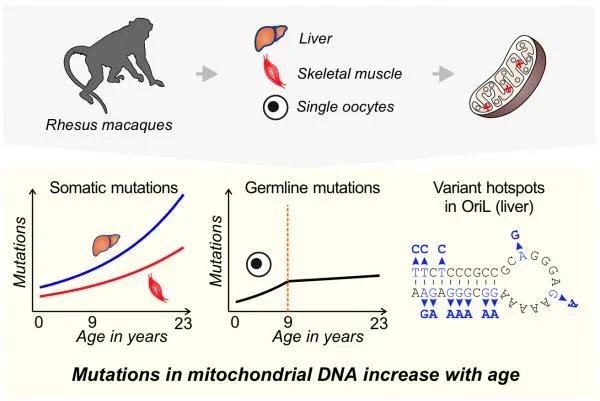
Eizellen von Primaten könnten vor Mutationen geschützt sein - Linzer Forscherin zeigt, dass bei Primaten Mutationshäufigkeit in mitochondrialer DNA von Eizellen-Vorläufern geringer ist und mit dem Alter weniger zunimmt als in Zellen anderer Gewebe https://t.co/Bwg9cuRP2h @jkulinz
Primate oocytes developed a mechanism to avoid accumulating mitochondrial #mutations at advanced age. Read our article @PNASNews. Work by @Arbeithuber, M. Cremona, J. Hester, B. Higgins, K. Anthony, F. Chiaromonte & F. Diaz. @PSUresearch@PSUScience 1/n
https://t.co/H4L3FF1VIw
Led by Eberly researcher @MakovaLab, a new study suggests there may be a protective mechanism that keeps the mutation rate in reproductive cells lower compared to other tissues in primates. https://t.co/pYE32HJtiC @PennStateBio
Take a lunch break on Tuesday, learn something new: Du Novo Sequencing by @NickStoler and @Arbeithuber using the Galaxy Pro platform: https://t.co/OslgYQrcom
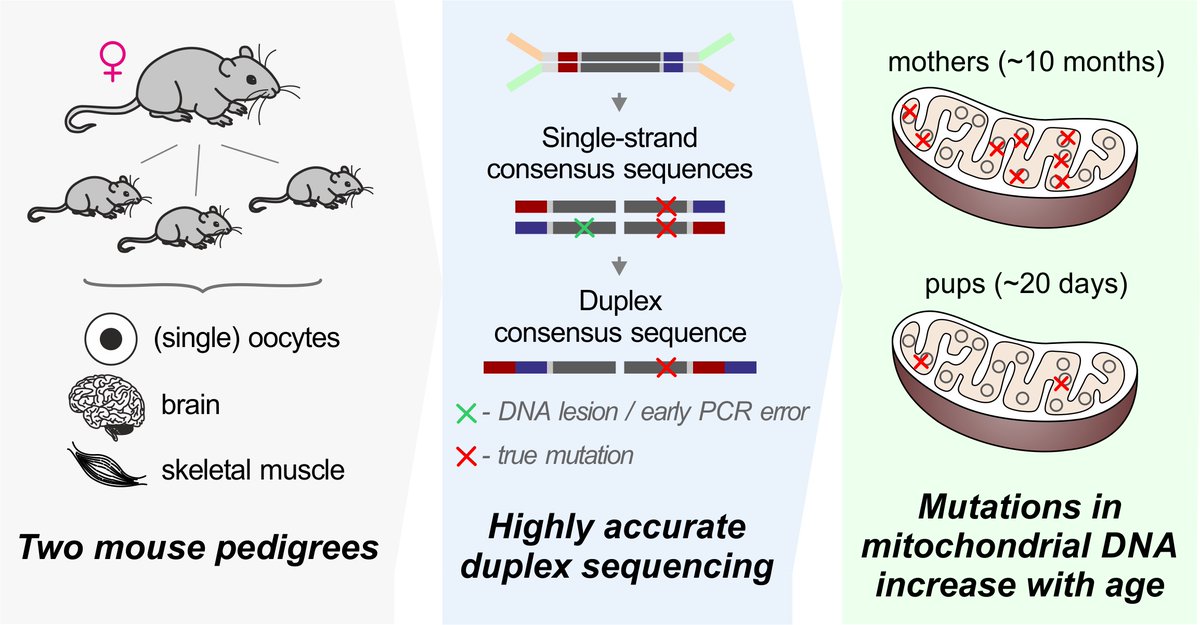
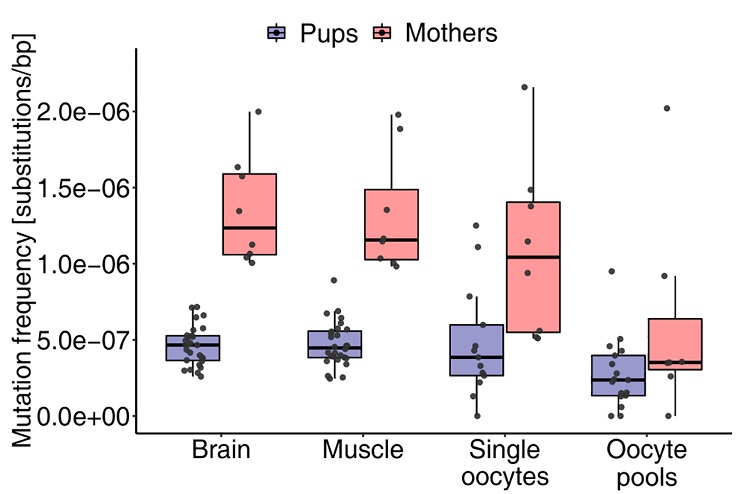
Read our recent paper in @PLOSBiology: Age-related accumulation of de novo mitochondrial mutations in mammalian oocytes and somatic tissues. By @Arbeithuber, J.Hester, M.Cremona, @NickStoler, @A_A_Zaidi, B.Higgins, K.Anthony, F.Chiaromonte & F.Diaz https://t.co/YDNTZfzl4k 1/n
Age-related mutation frequency increase in mammalian oocytes. High-accuracy duplex sequencing reveals low-freq, de novo mutations in mitochondrial DNA from oocytes & somatic tissues. Mutation freq can triple as mice age by 9 months @MakovaLab#PLOSBiology https://t.co/ApZir8hf1X
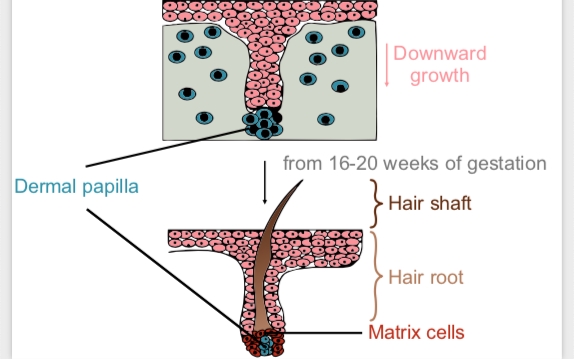
Strong mitochondrial bottleneck in each human💇♀️hair 💇♂️ & increased variance in allele frequency with age. Read our paper https://t.co/r4mnMxMVMX by first author A. Barrett from @PennStateHonors mentored by @Arbeithuber, with help from @A_A_Zaidi, Wilton, @ianpaulmd, @ras_nielsen
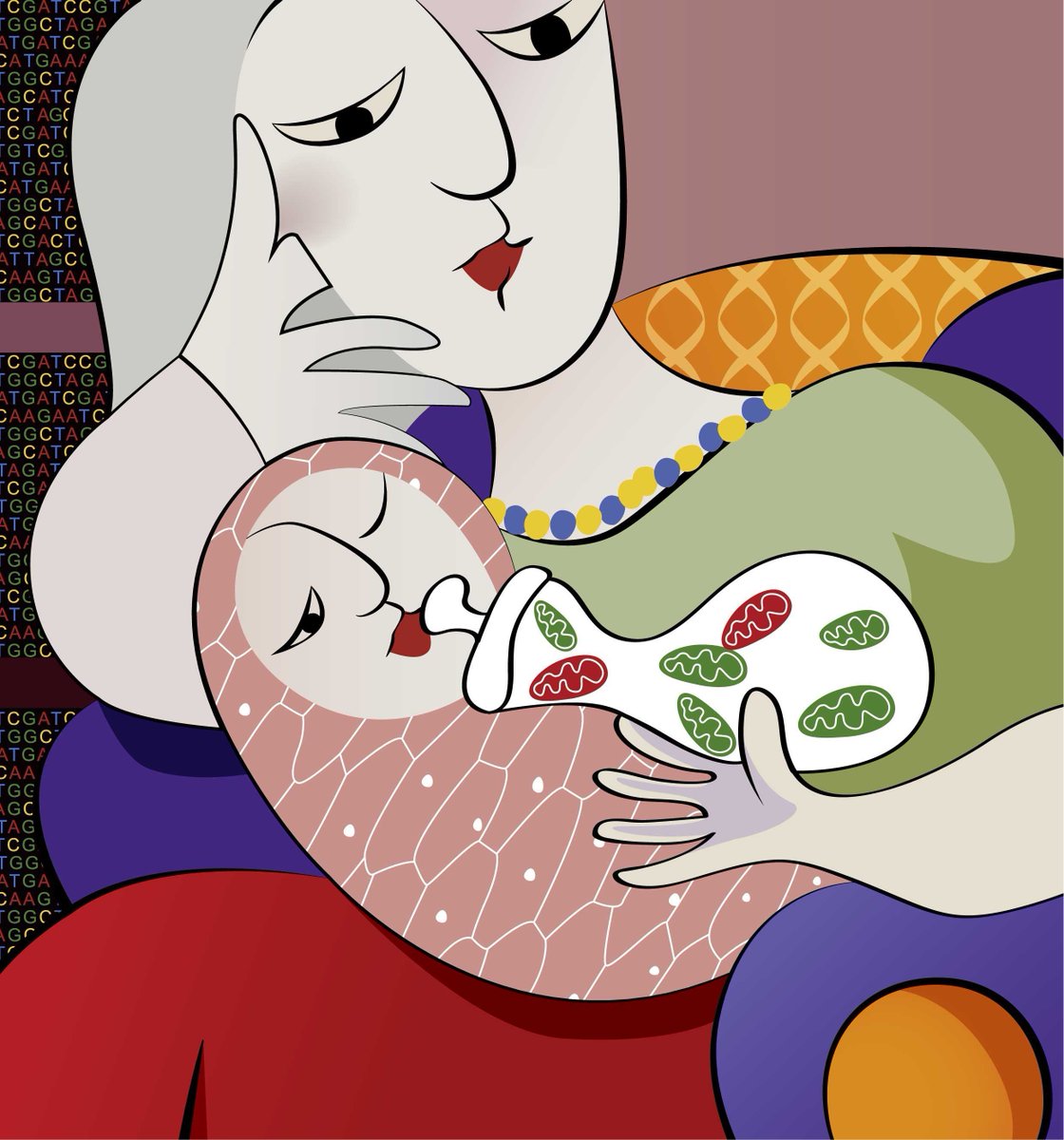
A new study by Eberly's @MakovaLab and a team of @penn_state and @UCBerkeley scientists provides insight into how disease-causing mutations in mitochondrial DNA are passed from mother to child — with important implications for pre-pregnancy counseling 🧬 https://t.co/aHVg1Esqq7
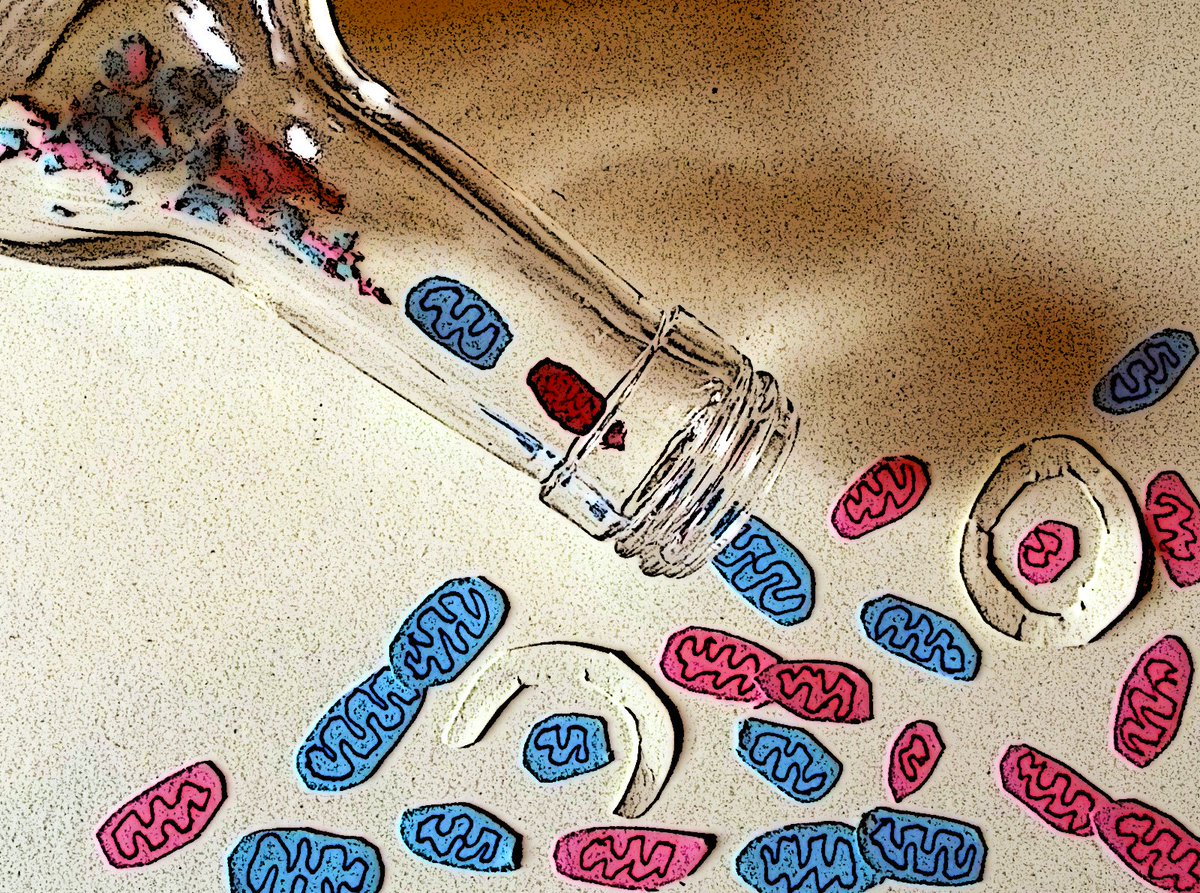
The mtDNA bottleneck can be confusing! The genetic bottleneck is not exactly a physical reduction in mtDNA copy num; can change over time; and is measured in different ways. New article attempts to explain & survey https://t.co/vO2BA3Lx7x (also seems exciting PNAS on this soon!)
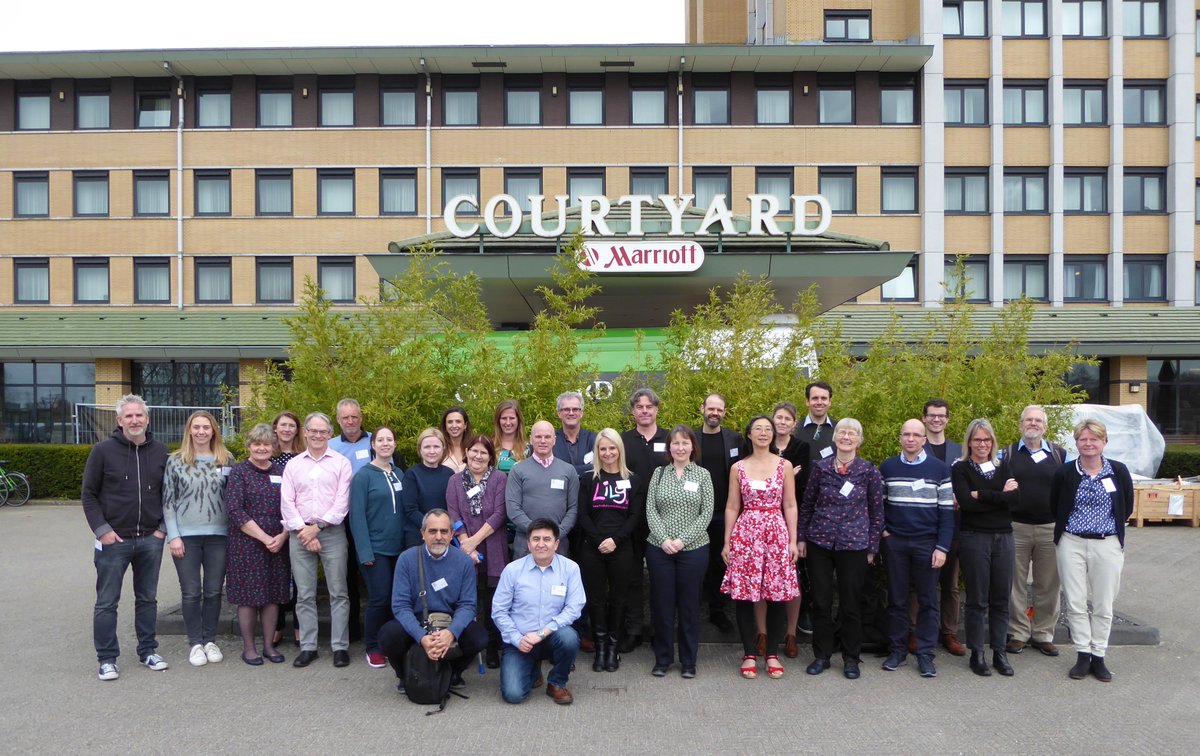
The Participants of the 243rd #ENMC International Workshop 'Developing guidelines for management of reproductive options for families with #maternally#inherited#mtDNA disease' in Hoofddorp, the Netherlands.
A new platform ! It’s been a while. Genapsys is ‘iPad sized’, short read electronic sequencer (100bp?) with Illumina-like accuracy for $10k. Launching later this year. #AGBT19
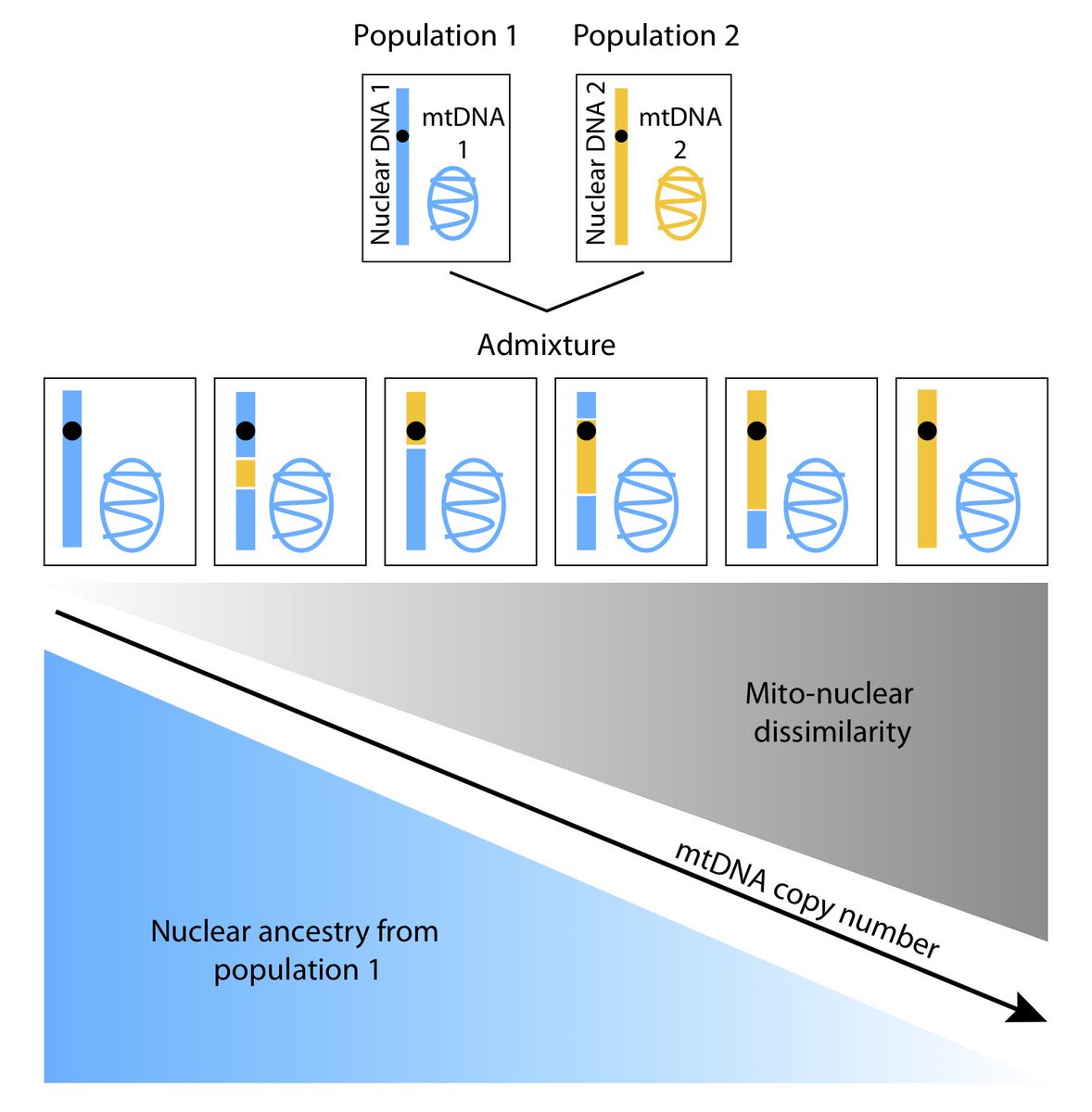
Our paper with @A_A_Zaidi on Exploring Mito-nuclear incompatibility in #humans was just published online in @NatureEcoEvo.
Here is a link to the full-length text: https://t.co/6CffRsxEPG. #mitochondrion@PennStateBio
Length asymmetry and heterozygosity strongly influences the evolution of poly-A microsatellites at meiotic recombination hotspots https://t.co/UxGWavUyUp #biorxiv_evobio
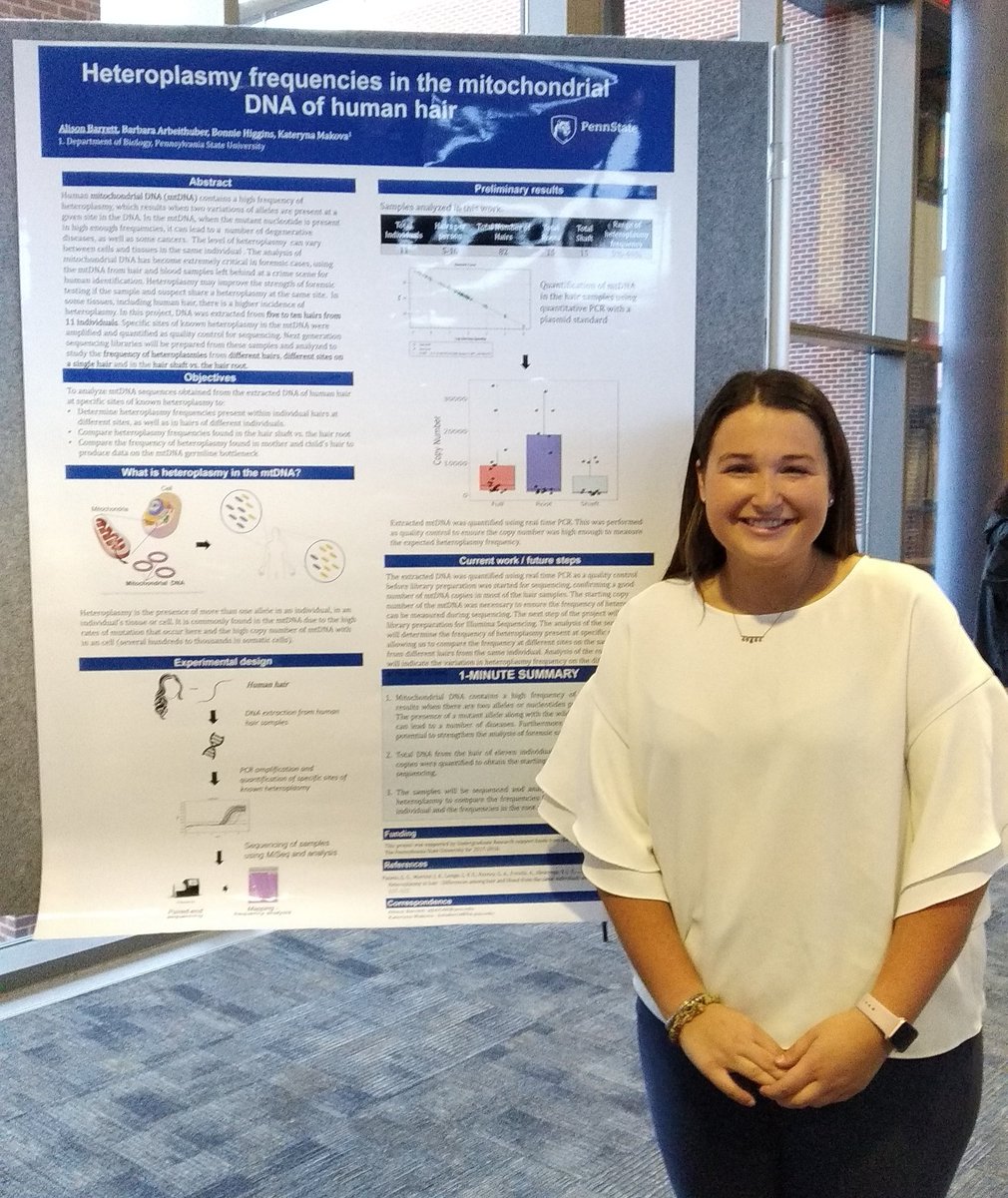
Alison Barrett presenting her work on mtDNA heteroplasmies in hair at the Eberly College of Science Undergraduate Research Poster Exhibition tonight @MakovaLab@PSUScience@PennStateBio