Most of us don't think we "use" people. But when we're self-focused, others exist for what they can deliver. They start feeling like the problem. Leadership shifts when people become people again.
Think of your most contentious relationship. You've already cast them as the villain, haven't you?
That's the violence within. And it drives every outer conflict.
Peace starts when one person chooses to see a human where they once saw a problem.
Mindset isn't private. People feel it before you speak — in your tone, what you assume, how fast you blame. Your mindset becomes the atmosphere everyone else breathes. Resentment spreads. Curiosity does too. Mindset doesn't stay in your head. It ripples.
"That's just who I am." "I'm just being honest." "I tell it like it is." Phrases we lean on to let ourselves off the hook—self-justification dressed up as personality. We're not describing ourselves. We're protecting ourselves. That's the inward mindset. And it's costly.
Sometimes the issue isn’t strategy. It’s how we’re seeing.
When we’re focused on ourselves, options narrow. When we shift outward and truly see others, new possibilities emerge, ones that weren’t visible before.
We build our own “Potemkin villages”—carefully managing how we’re seen, hiding doubts, curating strengths.
From the outside, it looks solid. Inside, it’s exhausting.
The real work isn’t maintaining the facade. It’s letting it go.
That’s where genuine connection begins.
It’s easy to think the problem is “out there.”
But often, the deeper issue is how we’re seeing. When we can’t see our own role, we reinforce the problem.
Better leadership starts when we pause, look again, and see others as people who matter.
Relationships are messy. Sometimes we feel close, other times lonely, but we’re still connected. Conflict doesn’t erase connection. Distance doesn’t cancel relationship. We may fall apart sometimes, but not apart.
Every day gives us a choice: turn inward, focused on ourselves, or turn outward, seeing others as people with real needs and hopes. It’s less about what we do and more about who we’re being. The world needs more people willing to turn outward, even when it’s hard.
Culture isn’t a side initiative. It is the foundation of everything.
When you hire and develop people who truly align with that foundation, better decisions follow, and results take care of themselves.
Like an operating system, mindset runs quietly in the background and it determines how everything else functions.
You don’t always notice it…until something starts glitching.
The work isn’t just upgrading skills.
It’s upgrading the system running beneath them.
Real conflict resolution begins when at least one person steps out of defensiveness and into reflection, not to surrender their position, but to examine their way of being.
When someone is willing to ask, “How might I be wrong?” possibilities opens.
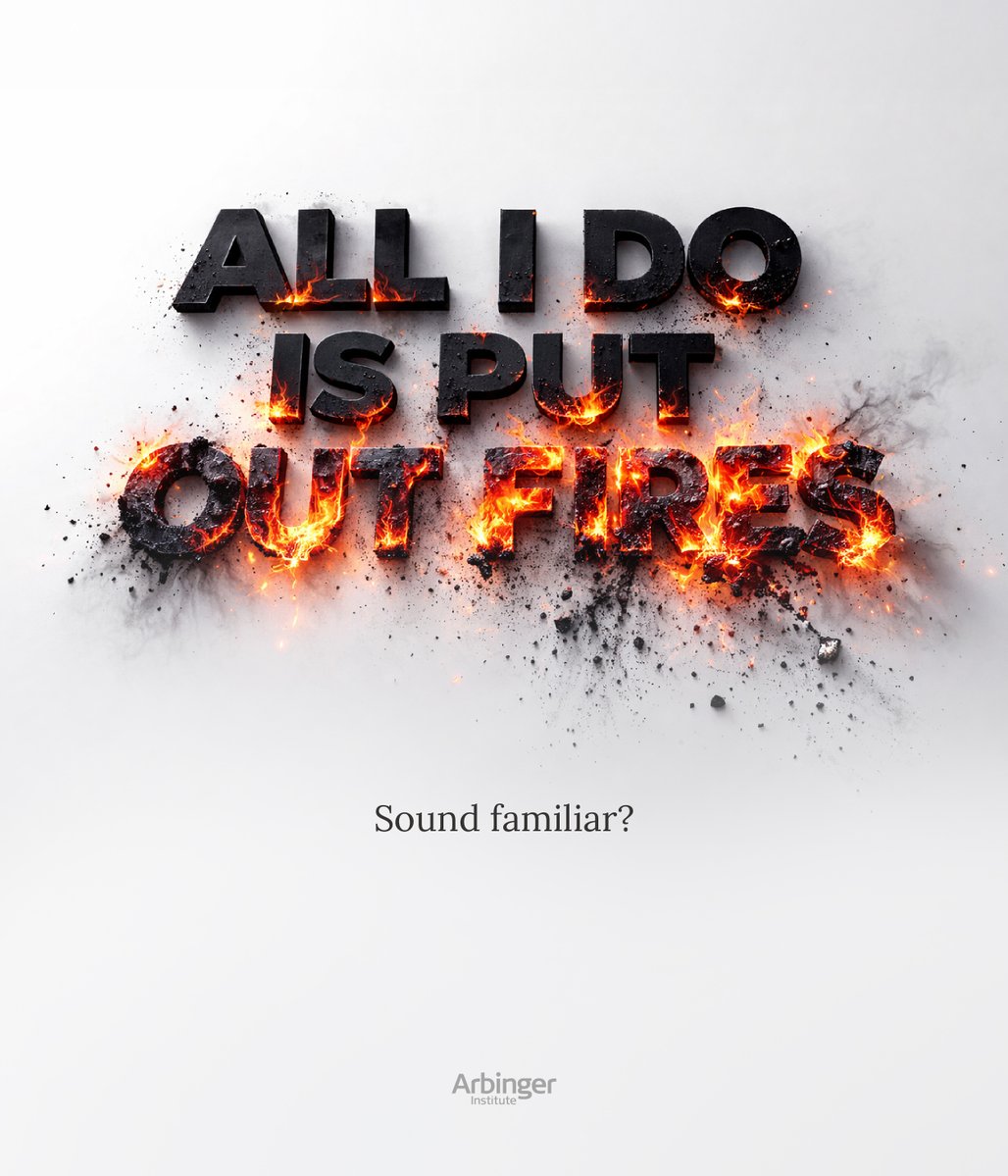
Workplace fires don’t just “happen.” They’re fueled by how we see and treat each other. When people feel unseen or reduced to tasks, friction builds.
When we strengthen relationships and clarify expectations, fewer fires start in the first place.
That’s the shift.
Workplace problems are brutal.
We think they start with what others do.
But they’re fueled by how we see.
Someone does something I don’t like.
I create a story about why.
I react from that story.
They react to me.
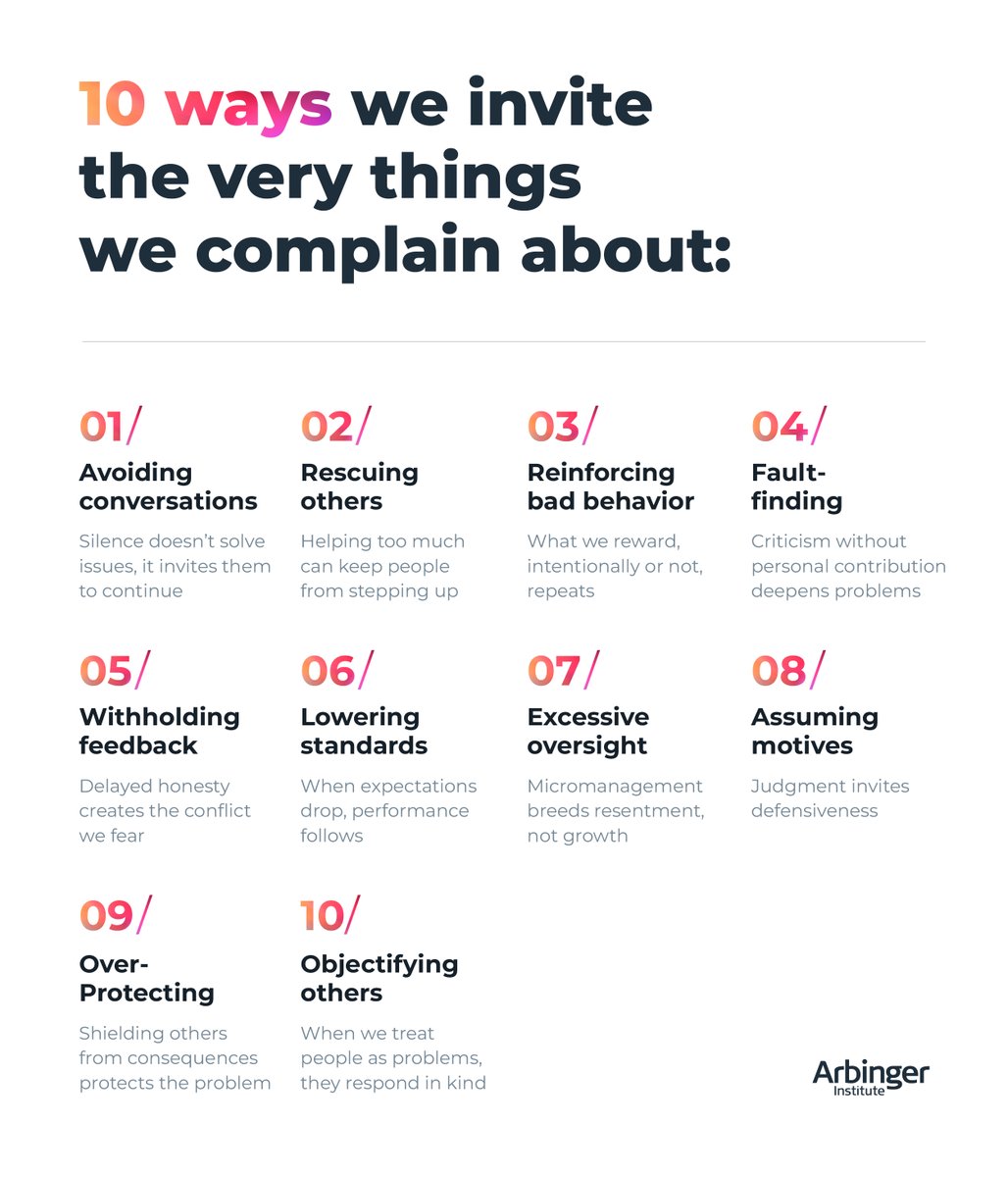
And I've invited the behavior I don't want.
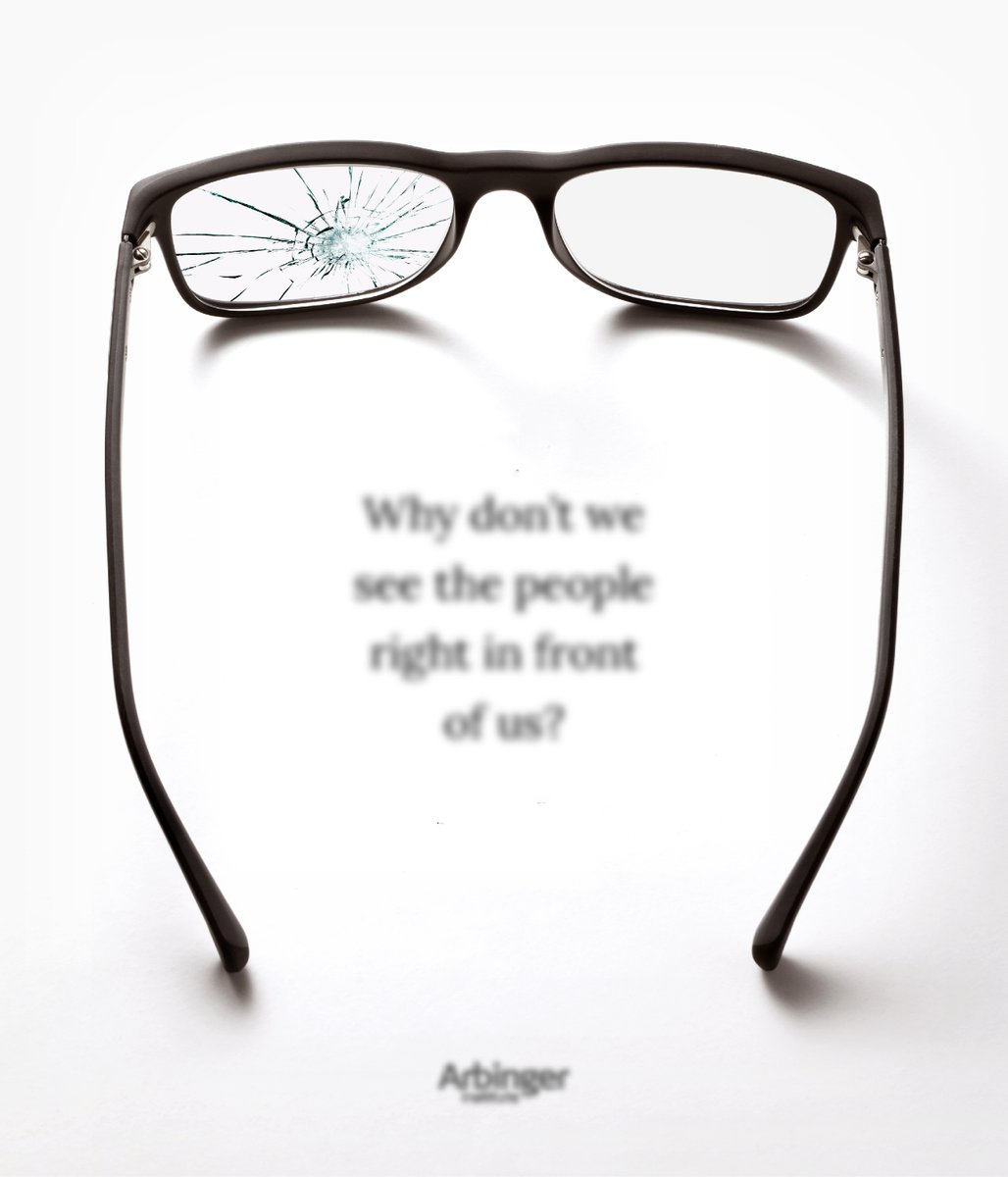
We can’t see people around us because we’re busy…
Protecting ourselves. Proving a point. Managing appearances.
When we turn inward, our vision blurs—and people fade.
The solution isn’t to look harder.
It’s to look outward.
Ever notice how two groups can face the same challenge but get different results?
Why?
Mindset.
How we see a situation (mindset) shapes how we act (behavior). And how we act impacts the final results.
Mindset → Behavior → Results.
It’s simple. But it changes everything.
Join us for an upcoming webinar.
We’ll explore how a shift in mindset changes the way you respond to others—helping you reduce friction and build better working relationships.
Tuesday, February 24th
10:00 AM MST
Live online webinar
Registration link in the comments
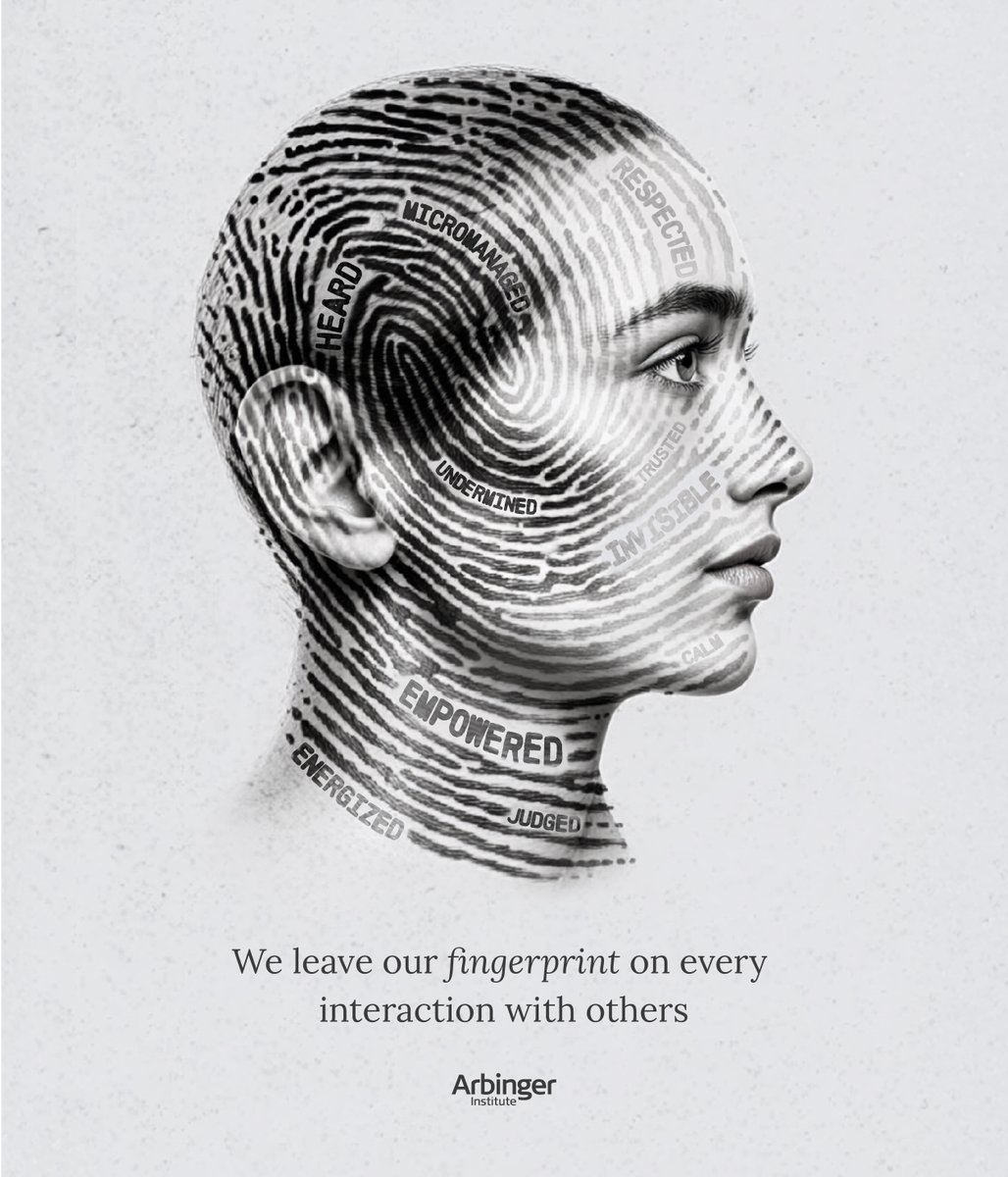
Every interaction leaves a fingerprint.
The question isn’t if���it’s what people carry with them after.
Long after the meeting ends, people remember how they felt with you.
Be intentional about the mark you leave.
The moment we feel called to do what’s right but refuse, we fracture. Then we justify, blame, and defend. That’s self-betrayal.
Soon the world feels hostile. But it didn’t start with others. It began inside us. Our refusal lit the fire.
Freedom begins when the betrayal ends.
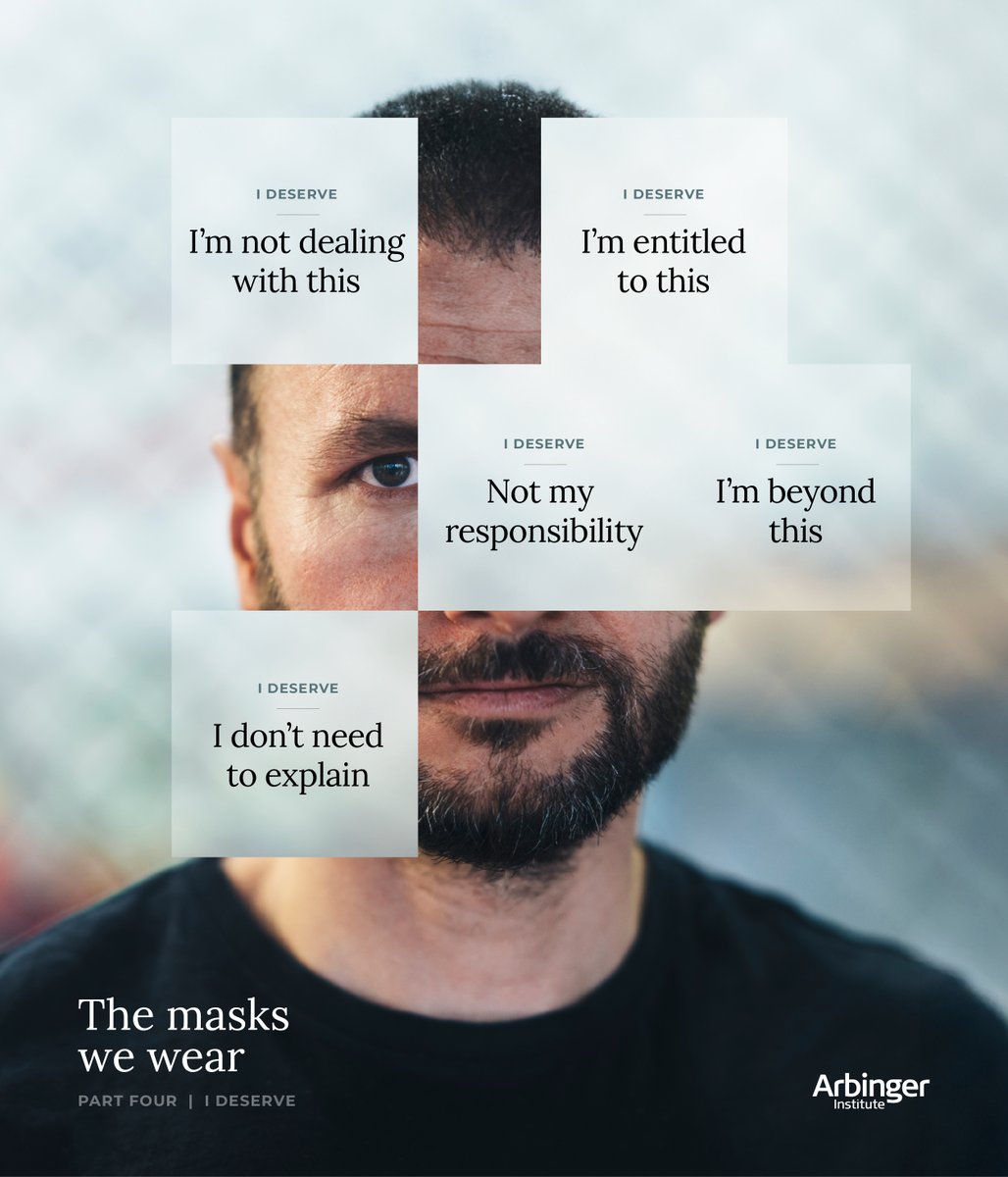
“I’m entitled.”
“Not my responsibility.”
“I don’t need to explain.”
The “I Deserve” mask feels justified—but it turns people into obstacles. Accountability fades. Trust erodes.
And trust is the real currency of leadership.