We used to hate Chatur and find him irritating in 3 Idiots. Rancho was the Hero. And here we have him standing up and speaking for Sonam Wangchuk on whom the movie 3 Idiots was based on. Meanwhile, Aamir Khan, Rancho, has lost his voice. Now u know who is a Hero
E20 contains less energy per litre than pure petrol. Your ECU injects MORE fuel to compensate. You fill up MORE often. You pay MORE. The government saves on crude imports. Who actually benefited here? Not you.
For anyone who has never met the Superb Lyrebird of Australia.
David Attenborough says it displays one of the most sophisticated voice skills within the animal kingdom—"the most elaborate, the most complex, and the most beautiful."
The chainsaw always brings tears to my eyes.
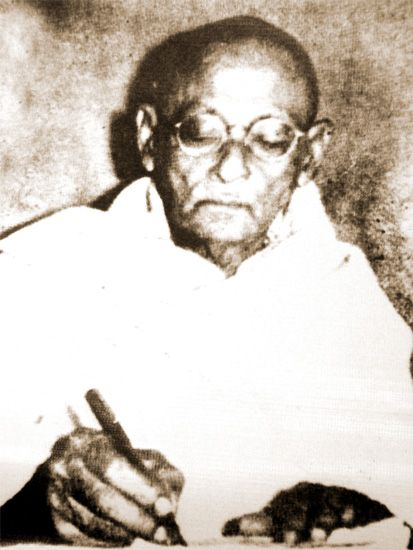
Gandhi was frustrated that even while protesting the British, every time a freedom fighter signed a document, they were using Quink (Parker)/Stephens (British) ink. He saw it as a symbolic defeat. Gandhi personally asked Satish Chandra Dasgupta (a legendary chemist, I will write separately about him) to create an ink that would not betray Indian paper.
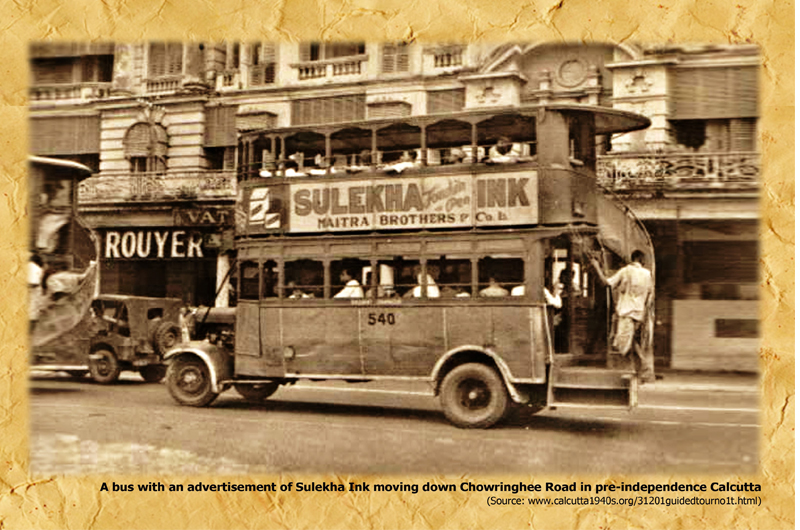
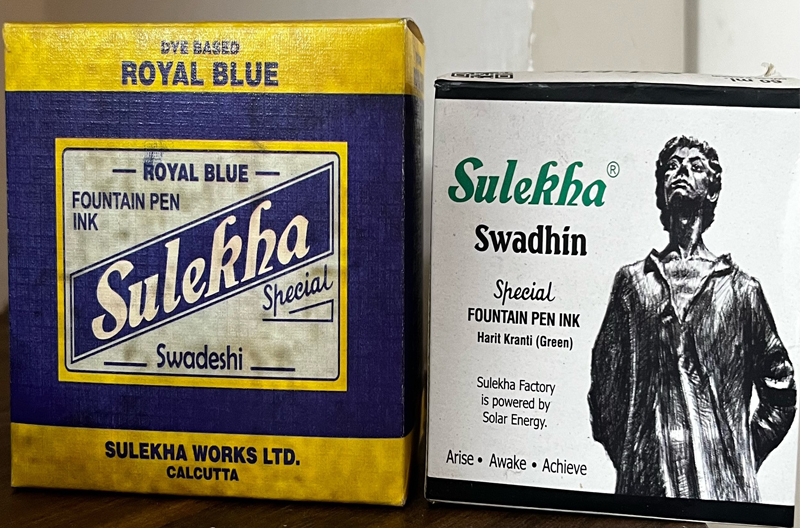
Satish Chandra did not want to run a business, so he passed the formula (Krishna Dhara) to 2 brothers, Nanigopal & Sankaracharya Maitra in Rajshahi (now Bangladesh). They started Sulekha (named by Tagore) in a small room with a single stove.
British inks of the 1930s were notorious for being Iron-Gall based. These were highly acidic. If you look at British-era documents today, many have holes where the ink was the acid literally ate through the paper over 50 yrs. The Maitra brothers realized that Indian paper (often handmade/low-quality) would disintegrate under British ink.
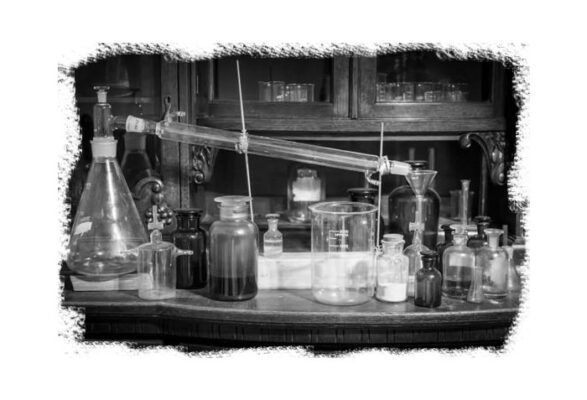
They engineered Sulekha to be pH-neutral. They used a secret infusion of tannins from indigenous sources & refined them to ensure the ink was archival. The reason many 1940s Indian revolutionary pamphlets are still readable today, w/o the paper crumbling, is specifically due to the non-corrosive chemistry of Sulekha.
Also, Satyajit Ray, who was a master calligrapher (he designed his own fonts like Ray Roman), preferred Sulekha because of its Matte-Finish density.
@sandygrains Most of the time cooking is done at 1000 watts and then even reduced to 100 - 150 watts for simmering. There's no way electricity bill would jump up by that much.