Taking care of the future of our past: it's a dirty job, but someone has to do it. I, with early music. “Humankind cannot bear very much reality” (T.S. Eliot)
For young musicians who wish to enter the refined, dreamlike and colourful world of Boccherini, a great forerunner of Classicism and Romanticism.
The deadline for enrolment is the end of November.
[email protected]#historicalviolin
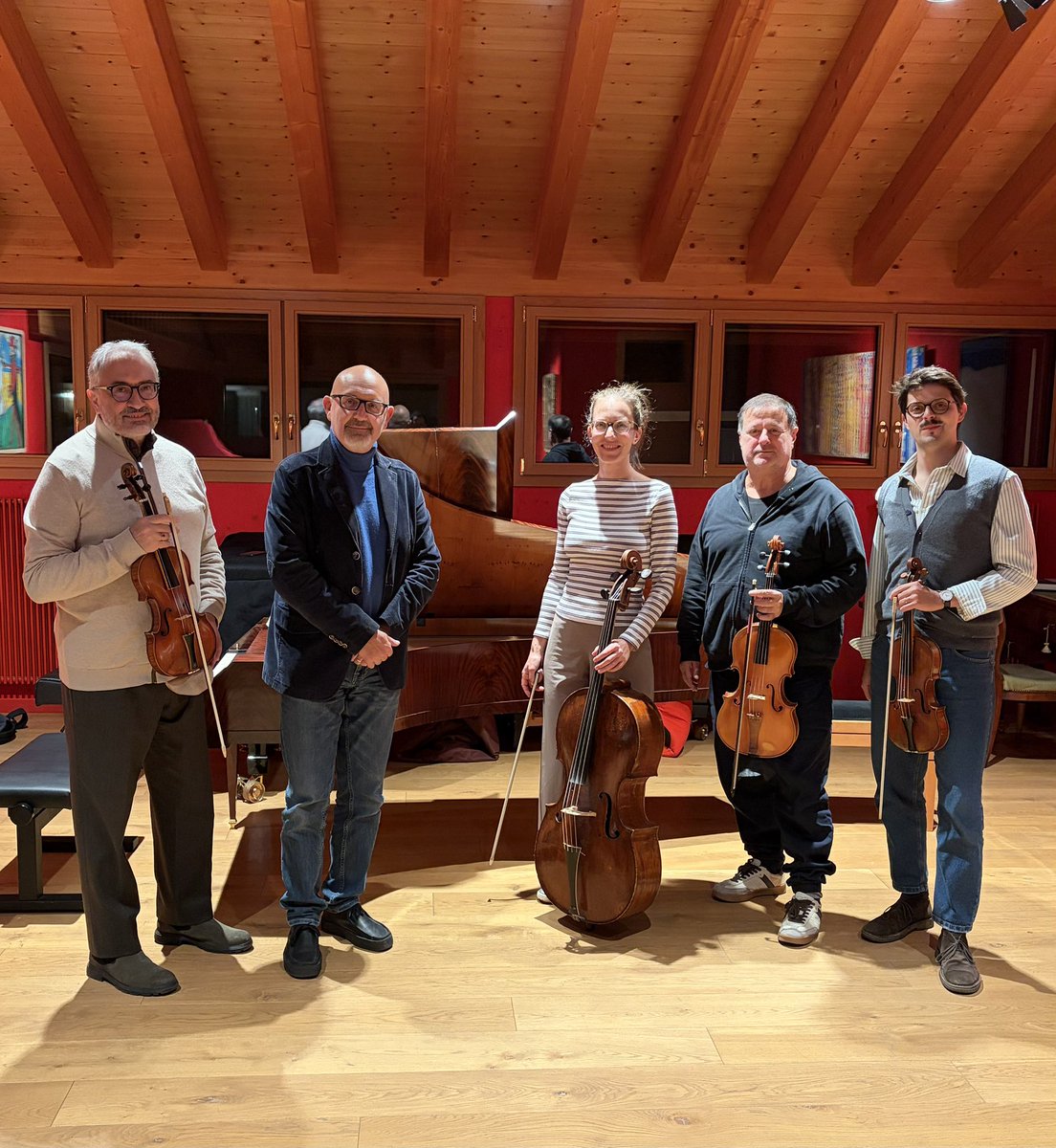
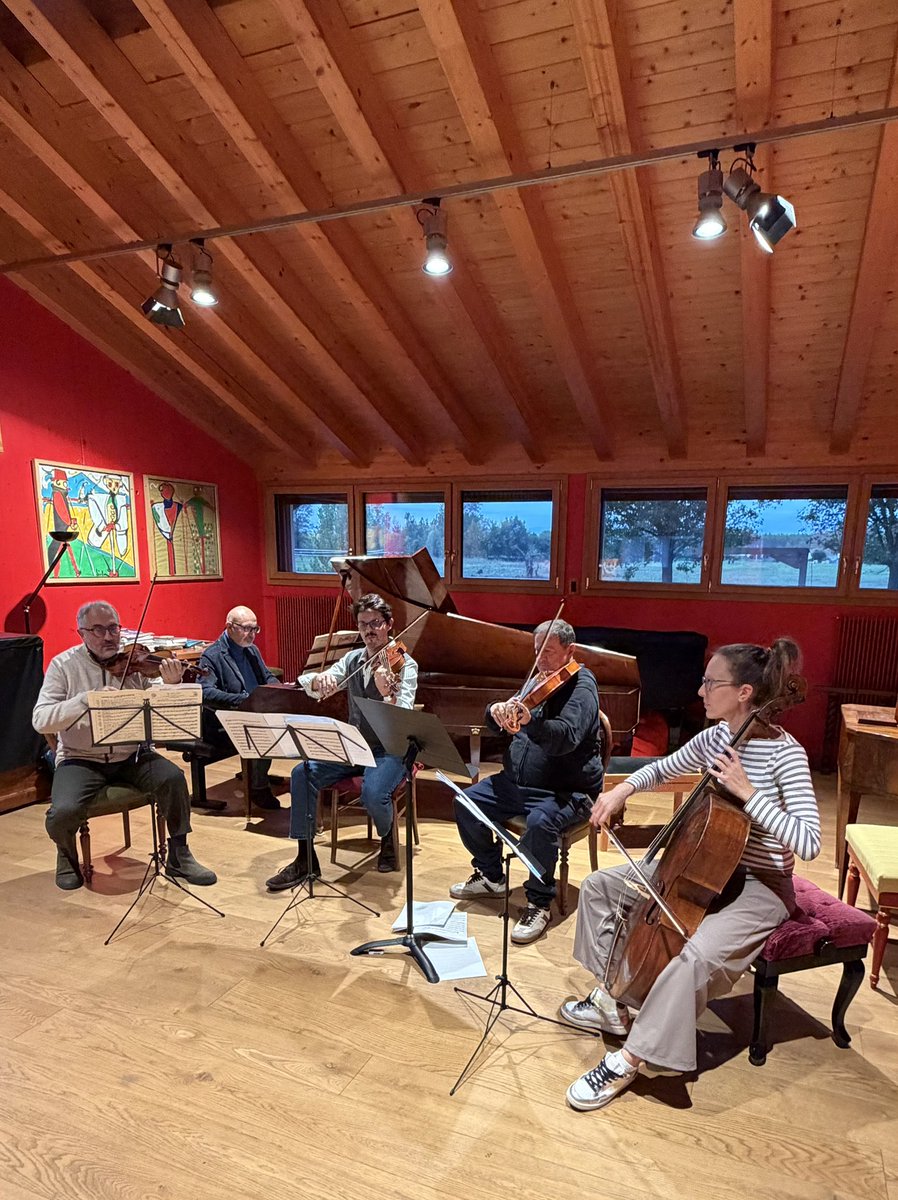
Cinque musicisti, un fortepiano e la grazia di Boccherini.
L’avventura comincia.
Costantino Mastroprimiano, fortepiano
Ensemble AurorA:
Enrico Gatti, Pietro Battistoni, violini
Cristiano Delpriori, viola
Cristina Vidoni, violoncello
Giuseppe Tartini (1692–1770)
Sonata Op.1 No.12: Adagio
Autograph manuscript, top left, in his characteristic ciphered handwriting: ‘Lascia ch’io dica addio’.
(“Modi naturali, modi artificiali” and cadenza by Enrico Gatti)
If your heart feels a little heavy and you find it hard to bid farewell to life’s sorrows and worries, take a moment and listen to this music.
Giuseppe Tartini’s art will do your heart good
#historicalviolin
@WalterRossi2 Walter,
Per la poesia esiste la possibilità - come per altre discipline - di pubblicare solamente online?
Oppure tu giustamente pretendi il foglio di carta, magari di ampia grammatura?
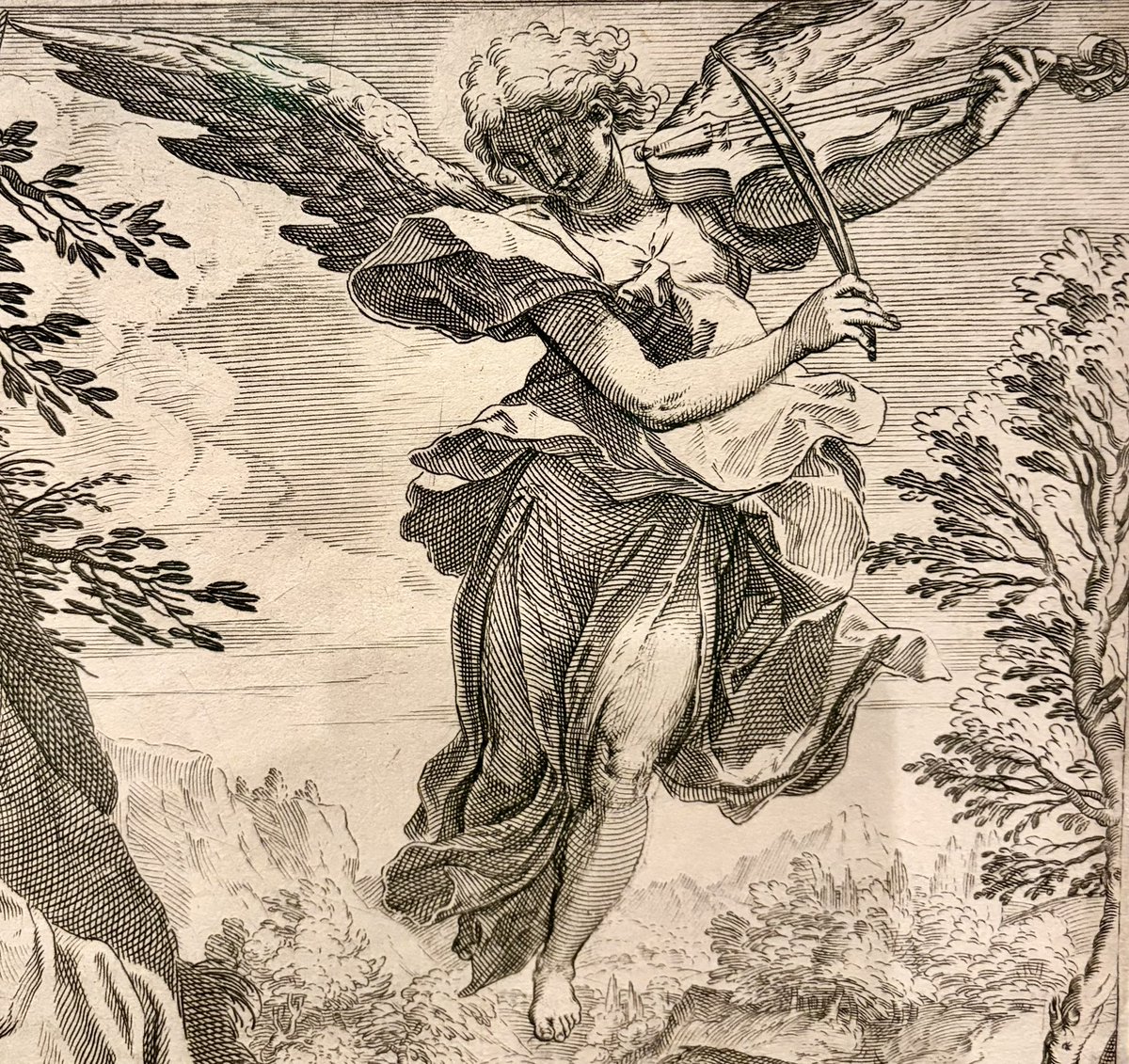
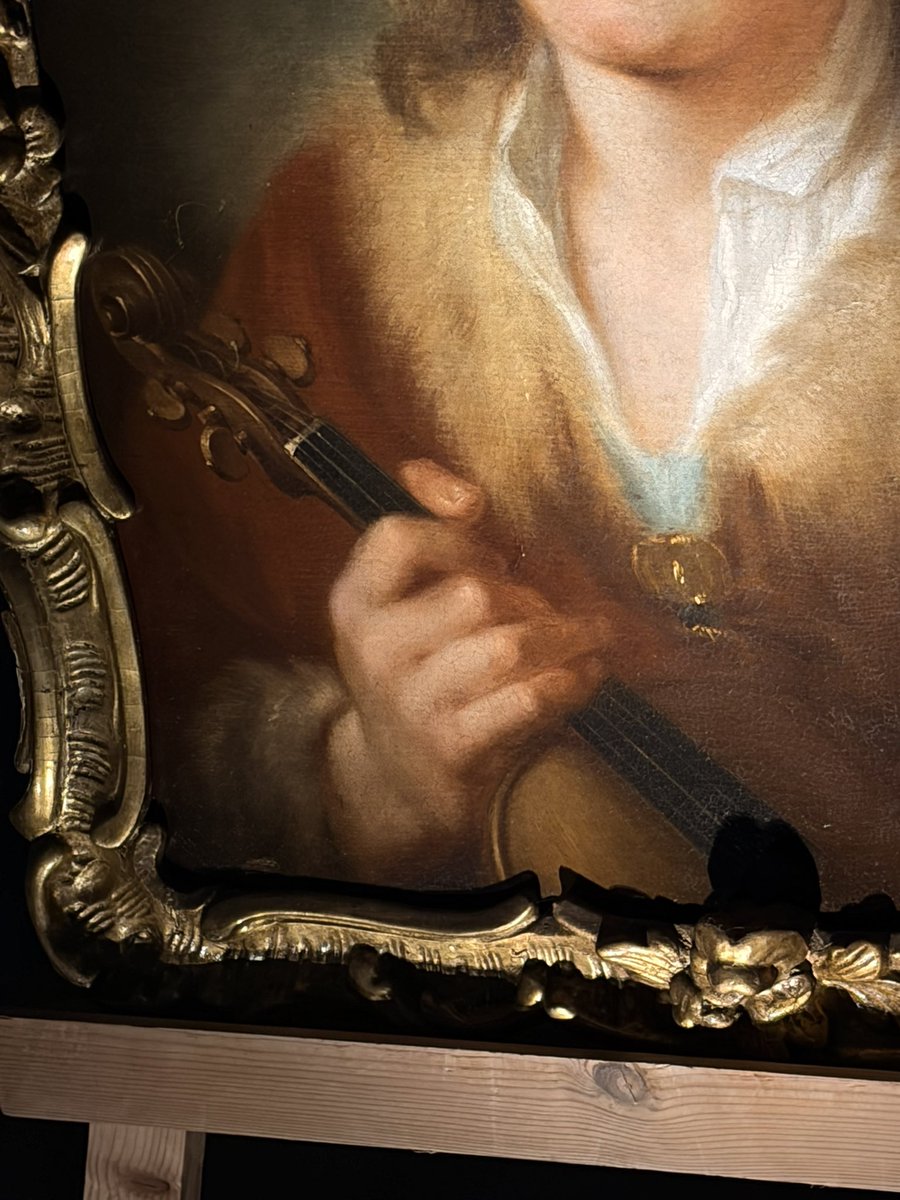
I am interested in the connection with the Venetian painter G.B. Piazzetta, whose sfumato and chiaroscuro I greatly admire; they inspire me in the production of sound and its infinite possible inflections
#historicalviolin
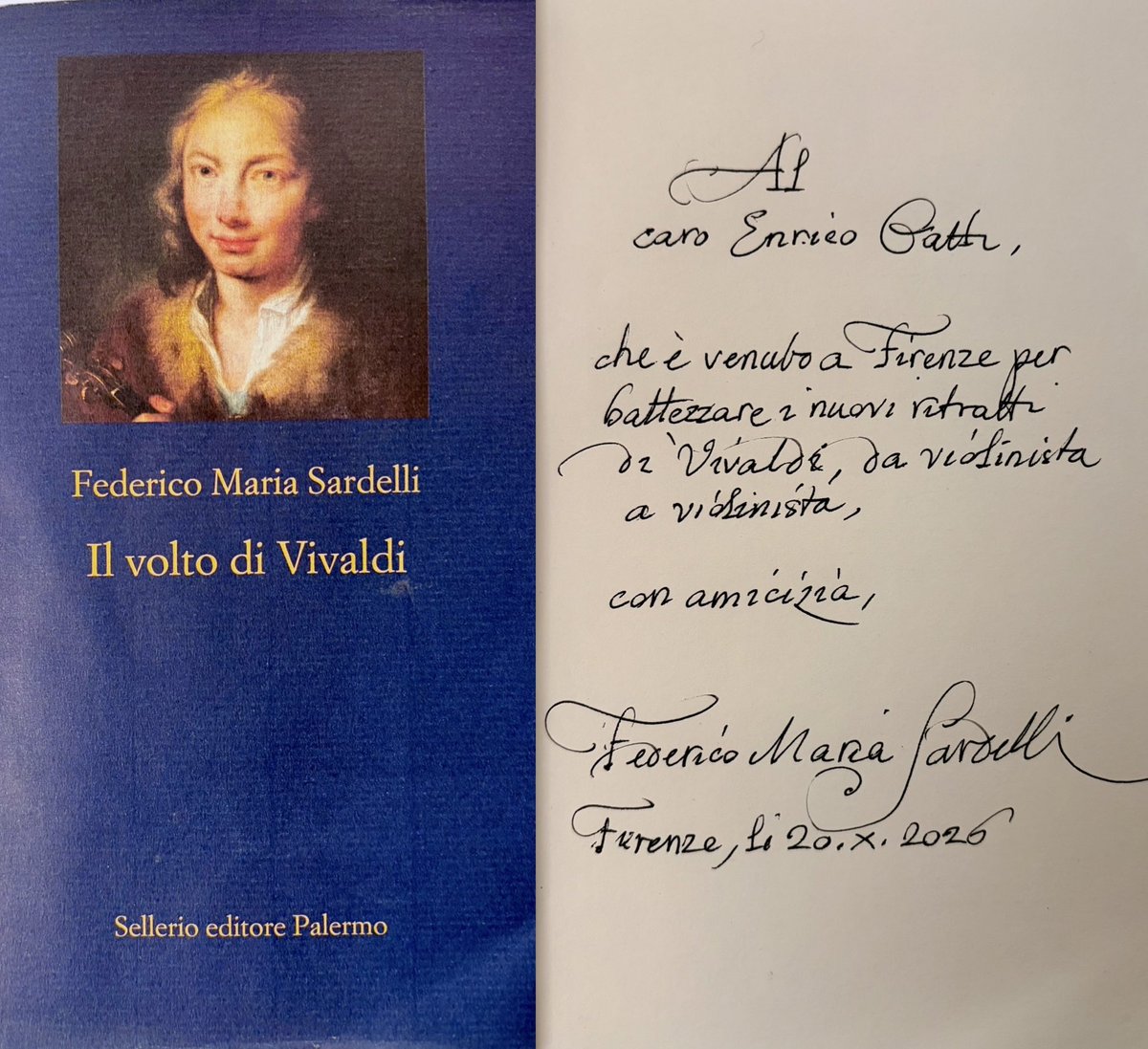
A visit to Florence to see the portraits of Antonio Vivaldi recently unearthed by Federico Maria Sardelli, discussing them with him – he has described them in detail in his book
#historicalviolin
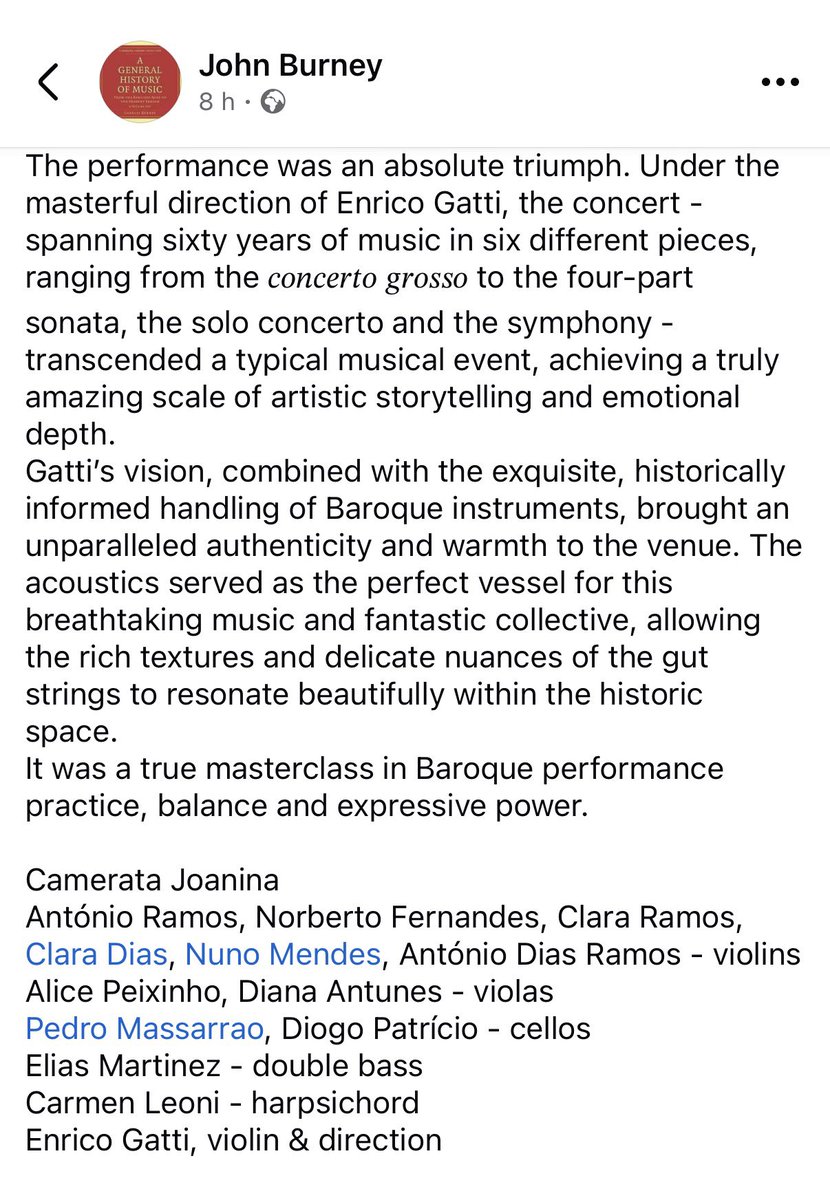
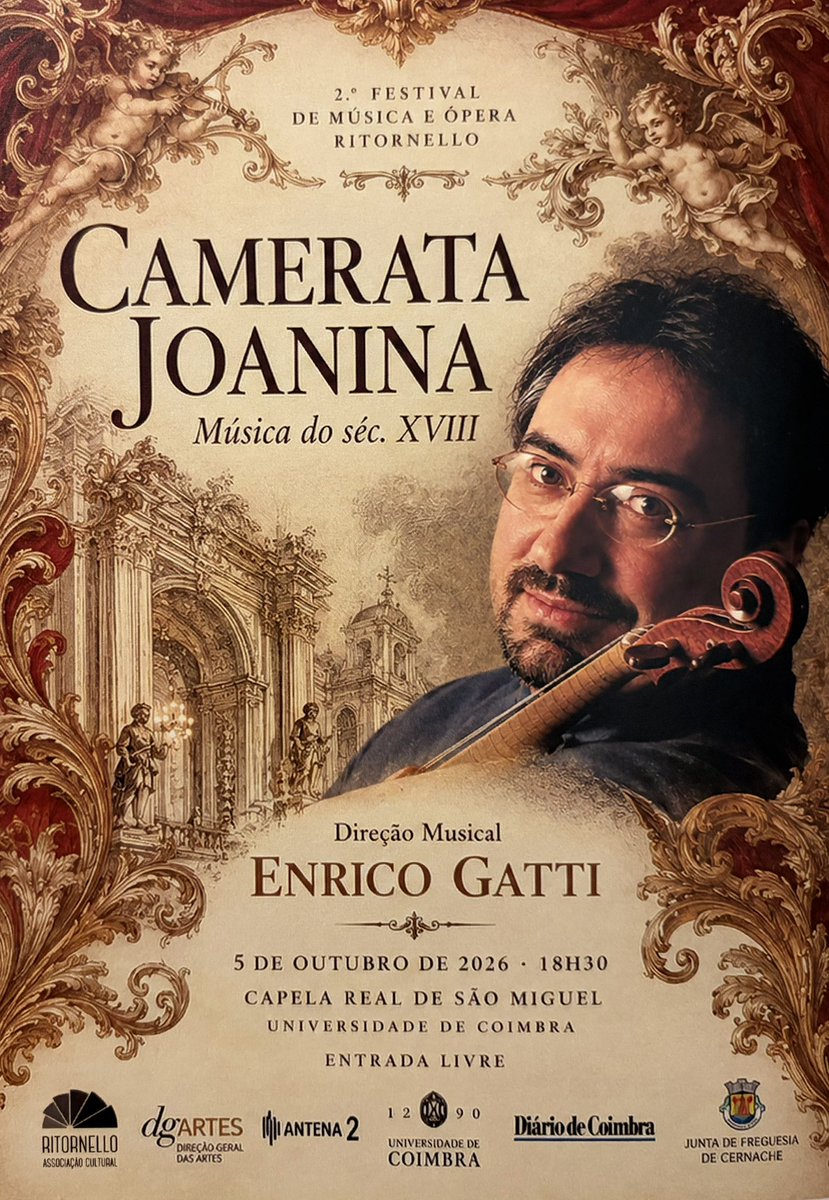
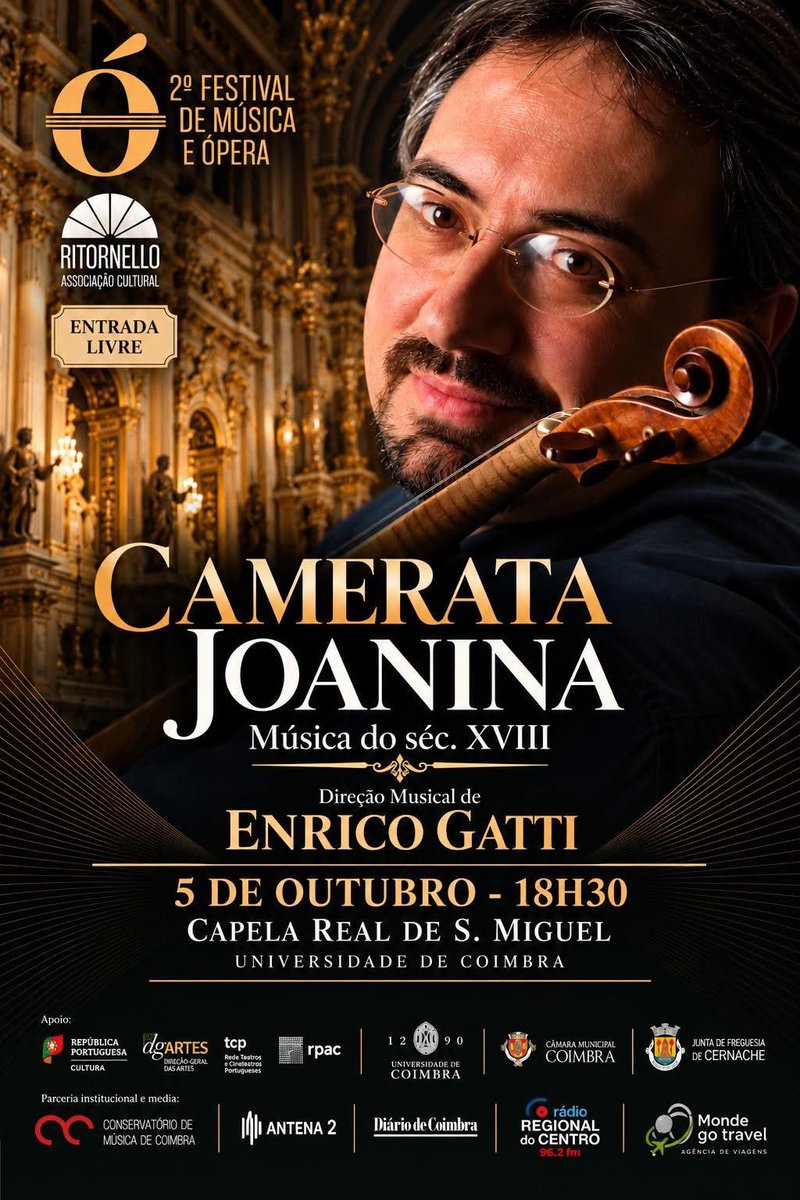
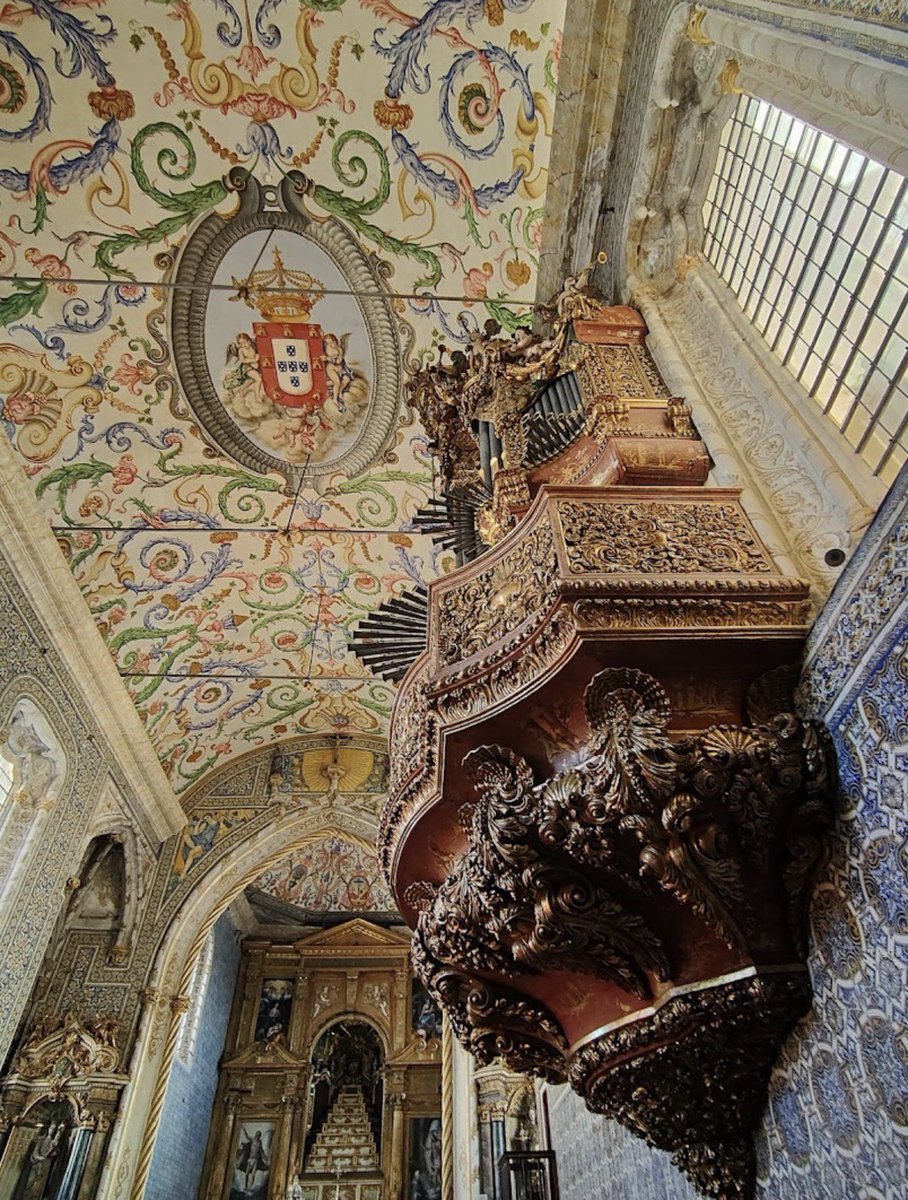
In the stunning setting of the Royal Chapel of São Miguel, I will be playing and conducting the Camerata Joanina in an all-Italian programme that will illustrate the evolution of orchestral forms through masterpieces by Torelli, Corelli, Vivaldi, Tartini, Sammartini and Nardini.
Ensemble AurorA
September 1986 – September 2026
40 years ago, a project was launched with the aim of reviving a musical model: ‘to imitate the most perfect human voice’, as advocated by Geminiani (1751) and by the leading musicians from the Renaissance to the 19th century.