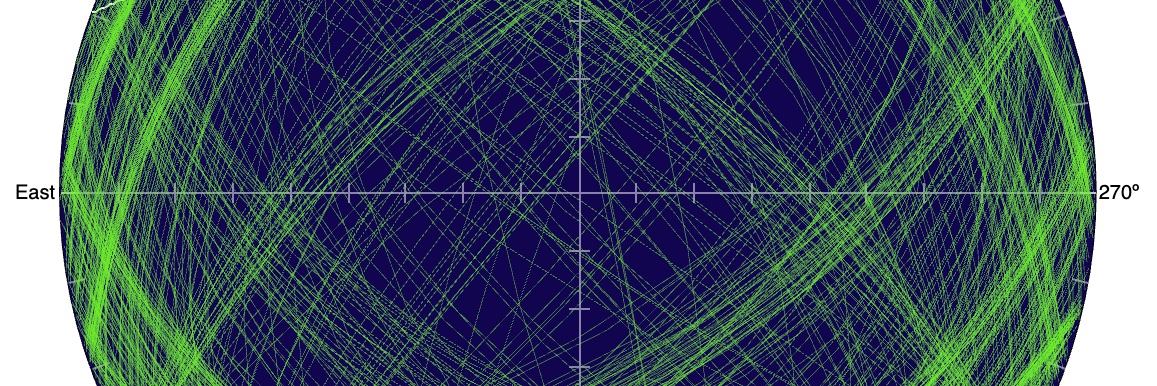
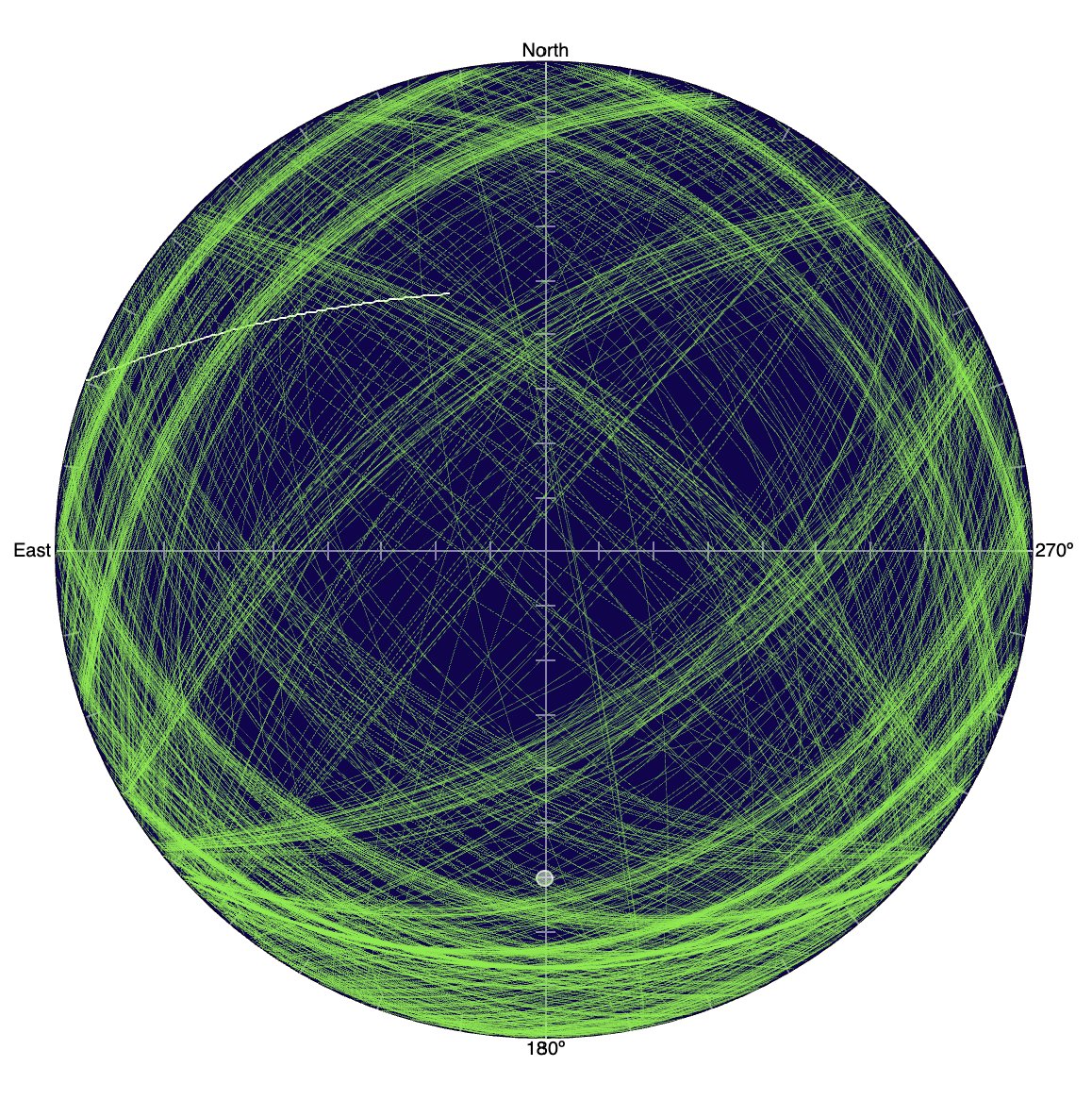
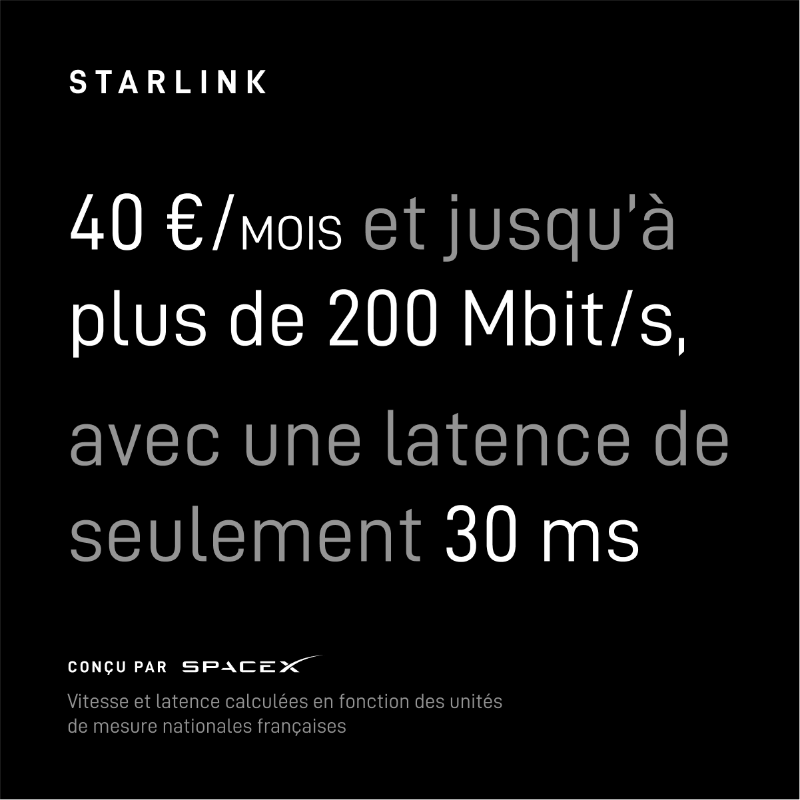
How do you know if #Starlink satellites will pollute or not your astronomical observations?
Discover #Arcsecond's brand new #Starlink#pollution estimator, described in our new #blog that I am happy to introduce with this article!
Read on at: https://t.co/zfSecBkBQ8
@aederocl @emilleishida She did! :-) And it was very nice talking, good occasion to discover Fink. I will definitely explore and see what I can do inside Arcsecond!
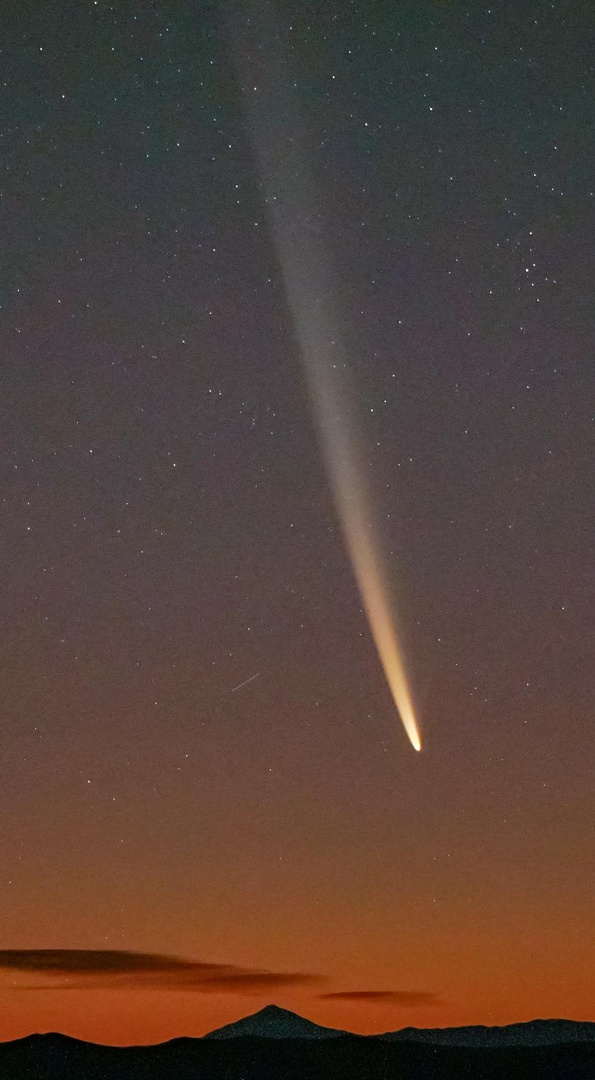
☄️ Our staff at Paranal Observatory in Chile can't get enough of comet C/2023 A3! This image by Juan Beltrán shows the comet over the Llullaillaco volcano, in the border between Chile and Argentina. 1/
We are thrilled to announce that @ztfsurvey will extend scientific operations in 2025/26 thanks to continued support from @NSF. The expected overlap in observations with @VRubinObs should enable astronomers to tackle key questions in transient science. https://t.co/OW45LWsNKE
📢 Breaking news! ESO's #VLT has discovered a planet around the closest single star to our Sun! 🪐🔭
https://t.co/xepUlivtiV
At just 6 light years away, Barnard b is also one of the few known exoplanets with a mass less than that of Earth.
Illustration: ESO/M. Kornmesser
☄️ Comet C/2023 A3 (Tsuchinshan ATLAS) looks amazing from the construction site of ESO's Extremely Large Telescope!
This image was taken with one of the ELT webcams shortly before sunrise on Sep 28.
1/
🌌✨ Happy September Equinox, Stargazers! 🌍🌞
Today marks the autumnal equinox, the official start of fall in the Northern Hemisphere, when day and night are nearly the same length. This fascinating celestial event occurs due to Earth’s tilt and its orbit around the Sun.
🧐 Curious about how equinoxes and solstices work? We’ve got you covered with an engaging video that dives into the mechanics of Earth's orbit, the celestial equator, and the ecliptic.
🎥 Loved the video? We’d love to hear your thoughts in the comments below! And if you have more questions about astronomy, ask away—let’s unravel the mysteries of the cosmos together! 💫
#Equinox #Solstice #Astronomy #FallEquinox #CelestialEvents #DidYouKnow #StarWalk
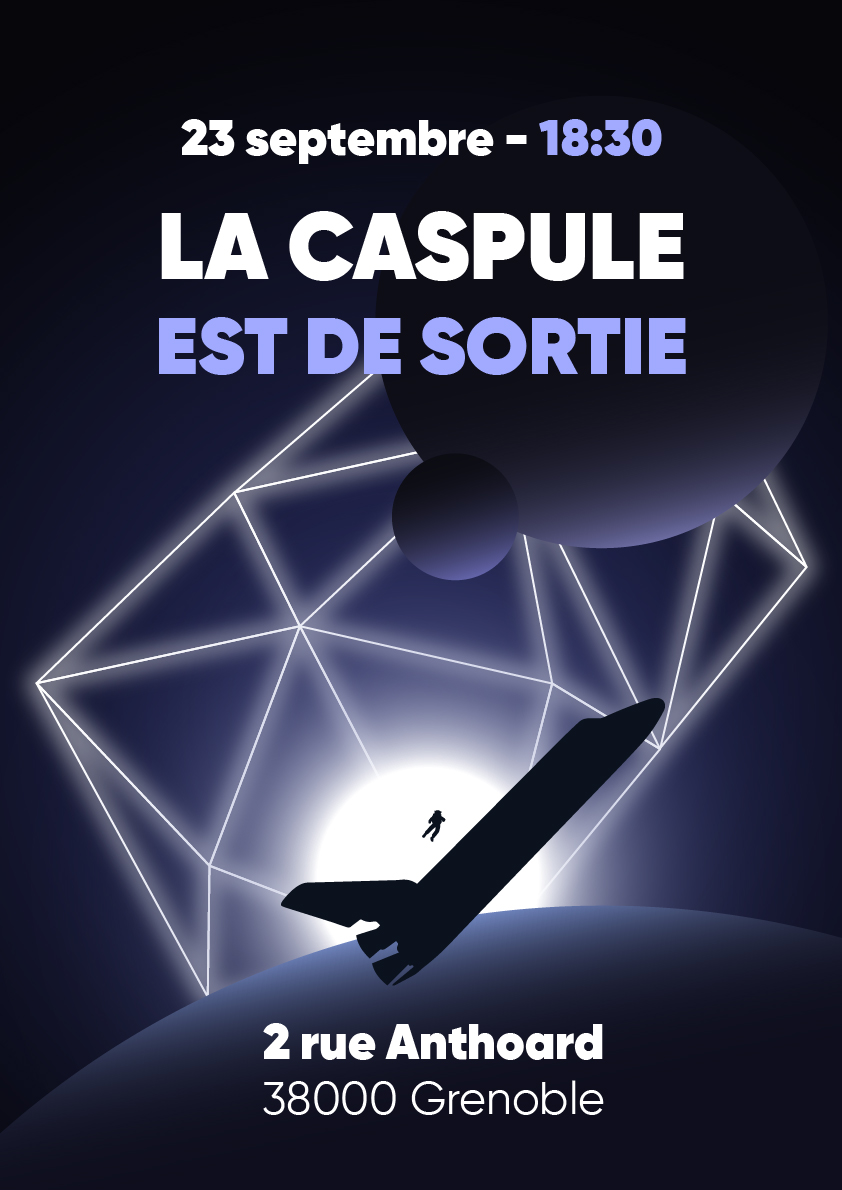
Vous êtes sur #Grenoble et vous avez envie de rejoindre l'un de nos projets ? On recrute ! 😃
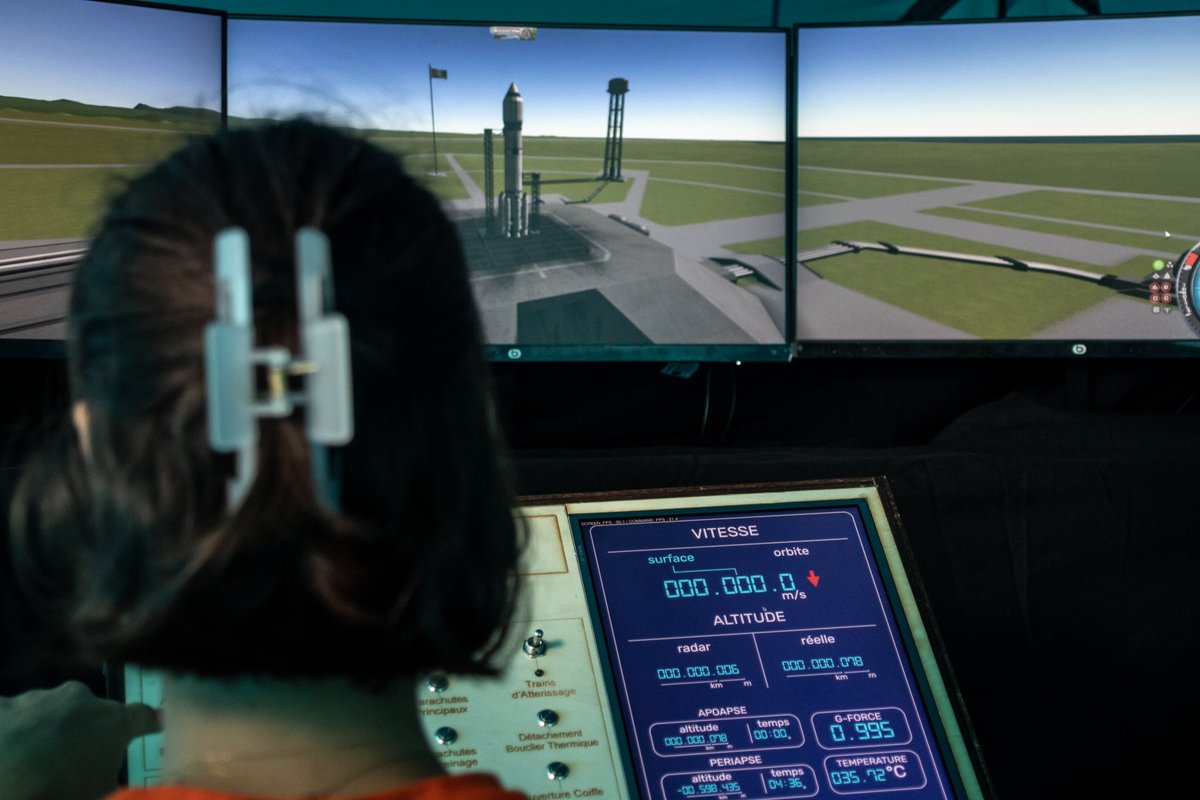
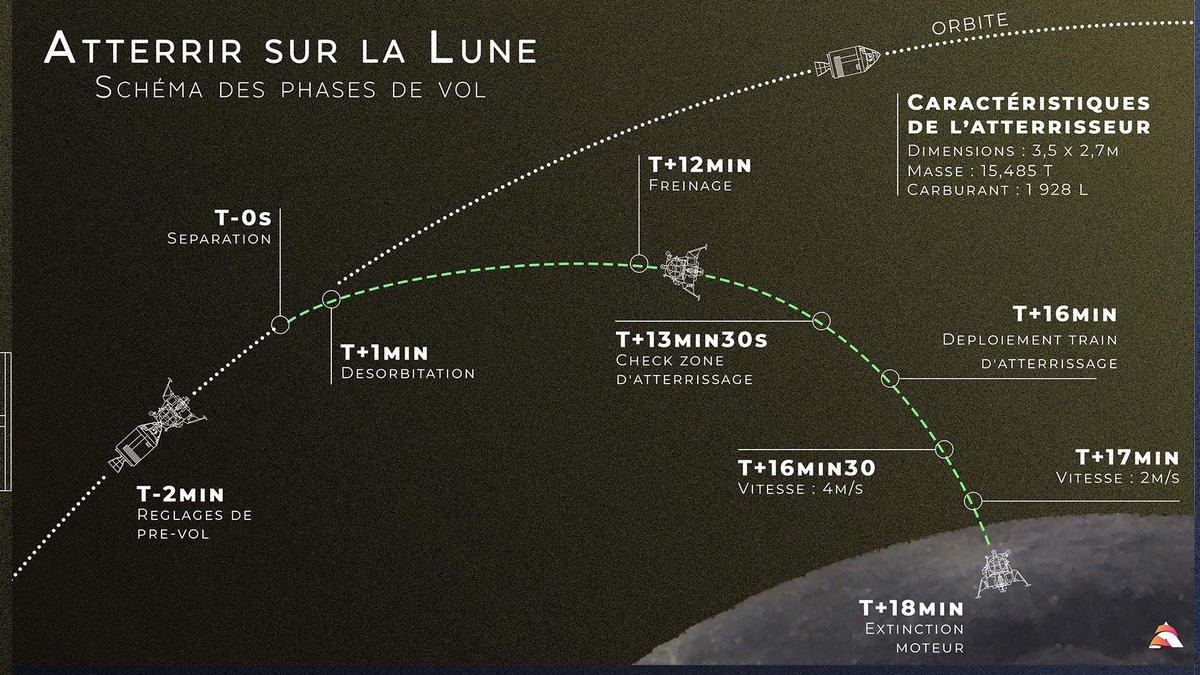
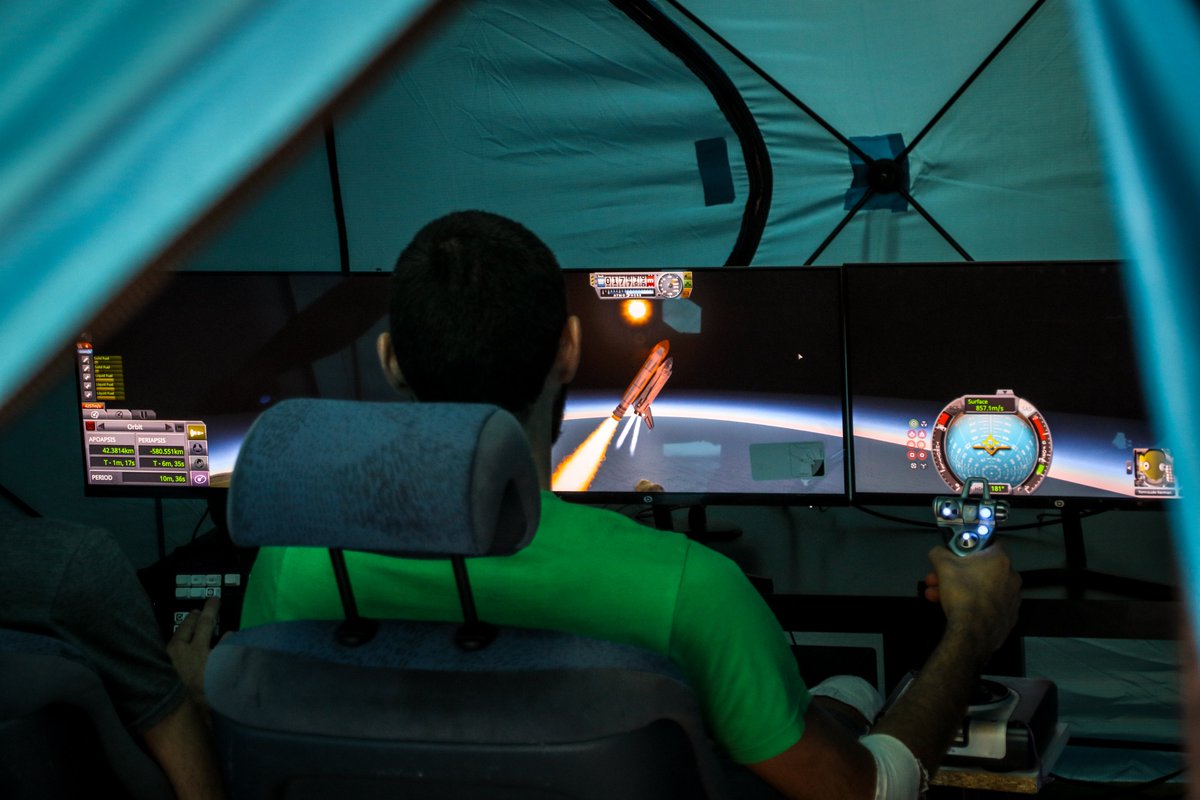
Ce lundi à 18h30 on sort notre simulateur de pilotage de fusées ! Si vous rêvez de faire des émissions de vulgarisation, du bricolage, du code, des soirées astro... bienvenue !
🌌 #SpaceX's 2nd gen Starlink satellites are leaking up to 32 times more unintended radio waves than the 1st gen, potentially blinding telescopes like LOFAR and jeopardizing our understanding of the Universe!
#Starlink#RadioInterference
https://t.co/2kZtDDWqxq
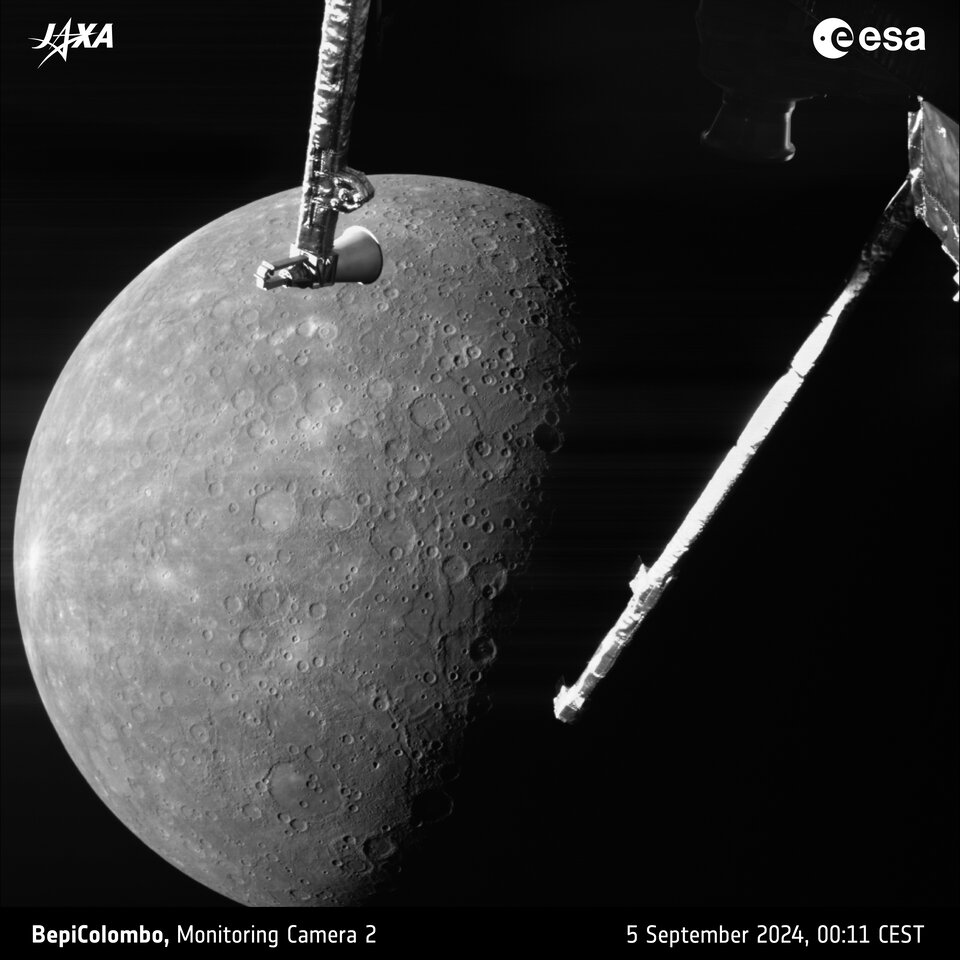
La sonde @BepiColombo 🇪🇺 a obtenu de superbes images de la surface de Mercure lors de son survol à 165 km la nuit dernière 📷
1⃣ Le globe mercurien avec le pôle sud en haut à droite
2⃣ Le cratère Vivaldi, large de 210 km
3⃣ Le cratère Stoddart, 155 km
4⃣ Au + proche de la surface
Twilight Magic: Moon & Venus Over the Pacific Ocean 🌅
I just have captured this breathtaking moment where the Moon and Venus gracefully set over the Pacific Ocean. The colors of the twilight sky were absolutely incredible ! ✨Look up at the sky !
#Astrophotography #MoonAndVenus #Moon #Venus #TwilightMagic #astronomy #CosmicBeauty #alerta #chile #Atacama #lifeatlco
Have you ever observed #Mercury with a massive 4-meter class telescope?
Discover how I've been ironically involved a few years ago in a unique observing campaign of the planet Mercury with a giant eye: the NTT of ESO.
https://t.co/wRsmo2bERp
Have you ever observed #Mercury with a massive 4-meter class telescope?
Discover how I've been ironically involved a few years ago in a unique observing campaign of the planet Mercury with a giant eye: the NTT of ESO.
https://t.co/wRsmo2bERp
Falcon 9 delivers 42 @Starlink satellites, including 26 with Direct to Cell capabilities, to low-Earth orbit in back-to-back launches from Florida and California