A genome-wide in vivo #CRISPR screen identifies essential regulators of T cell migration to the CNS in a multiple sclerosis model
New from @kerlab@KawakamiLab@arekken@claradelarosa96 et al.
https://t.co/6i9DEyZM32
CAR-T cell therapy seems to have reset the immune system and eased severe symptoms in eight children and adolescents with autoimmune disorders
https://t.co/8VAkUXol6X
Excited to share VIPerturb-seq!
New tech from my lab which aims to improve the cost, data quality, and efficiency of single-cell CRISPR screens so that they are accessible to any lab - even at genome-wide scale
Preprint and 🧵 (1/): https://t.co/m8nleniSUD
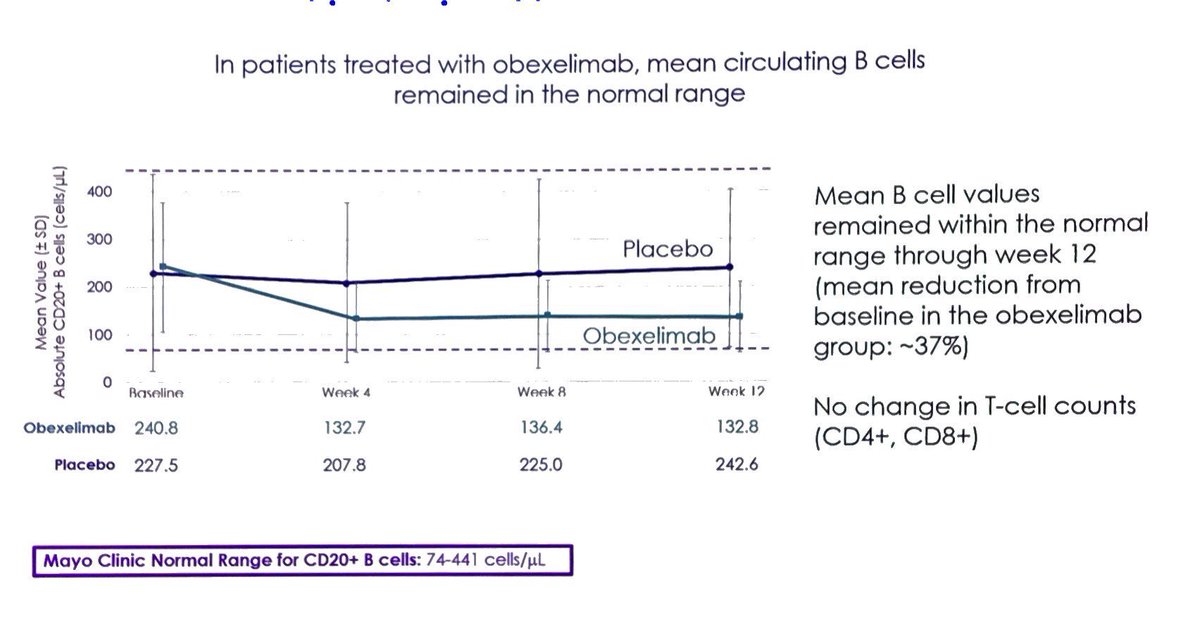
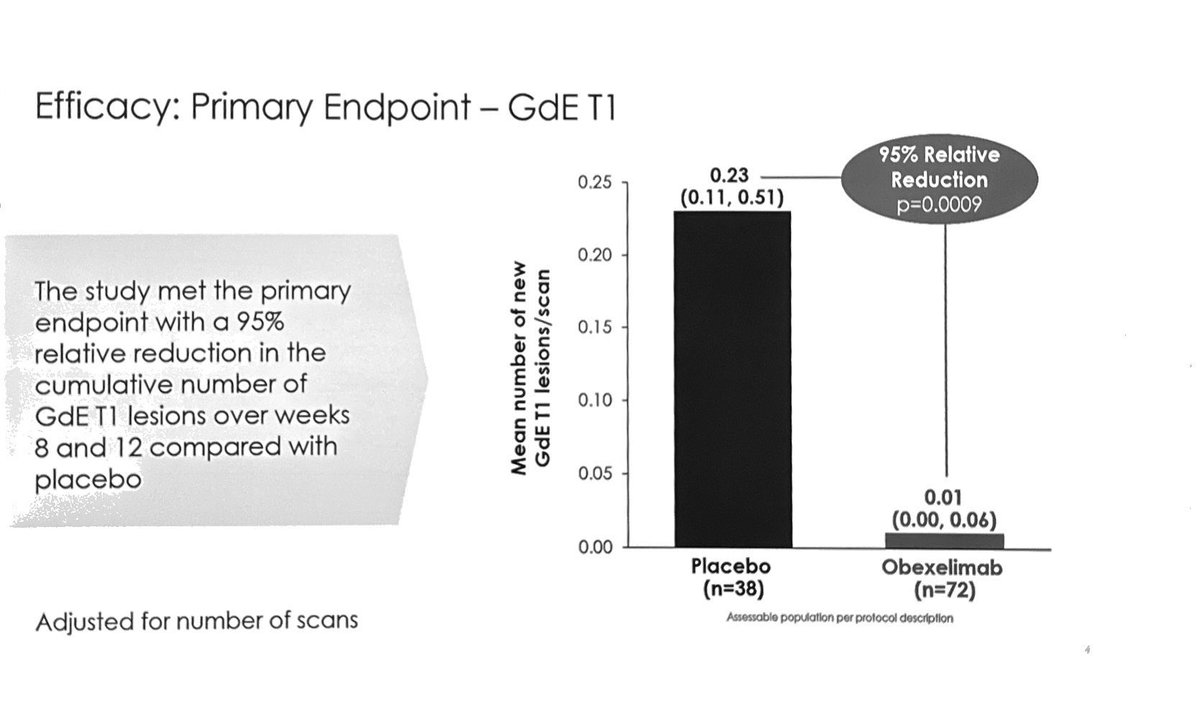
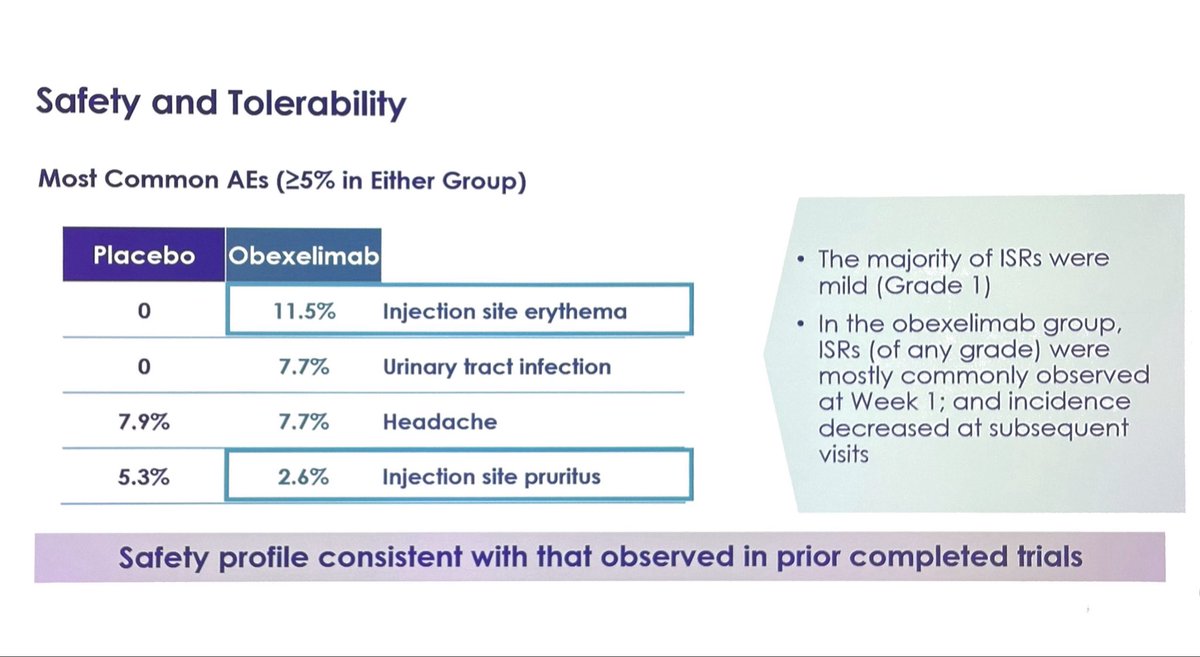
Phase 2 Relapsing #MS MoonStone 12-week results: 95% reduction in contrast-enhancing lesions compared to placebo.
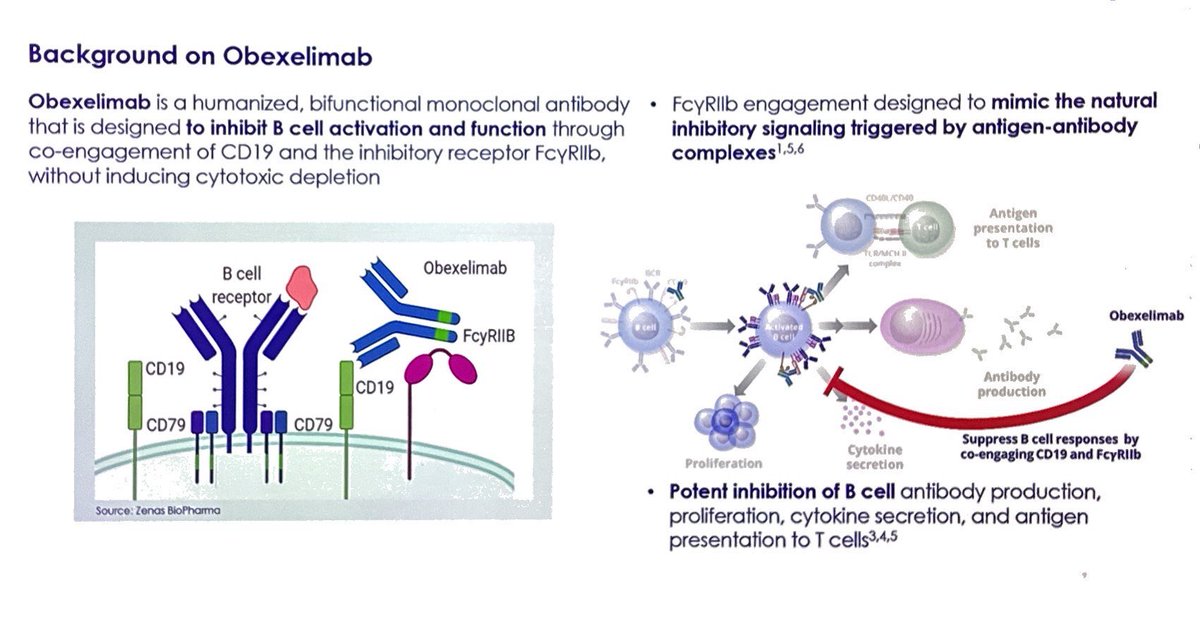
#Obexelimab is a humanized monoclonal antibody that inhibits CD19 and FcyRllb
without inducing cytotoxicity.
@ACTRIMS#ACTRIMSForum
Overjoyed to share our new work exploring the antigen specificity of CSF-expanded CD8+ T cells in #multiplesclerosis#EBV in @natimmunol 🧵1/
https://t.co/CSkBPLFO09
TimeVault transforms vault particles into transcriptome recording devices, which are applied to uncover transcriptional heterogeneity in drug-tolerant persister cancer cells #NBThighlight https://t.co/5LEm5693TA
EBV is required for the development of multiple sclerosis, but it’s not known how a common virus leads to disease. 3 exciting new papers in @CellCellPress provide major insights into how this may occur:
The immune system is powerful.
Sometimes, too powerful.
If it goes unchecked, it can turn on us -
attacking our own organs, tissues, even our blood.
That’s why the 2025 Nobel Prize in Medicine matters so much.
It honors three scientists who figured out how the body stops itself from self-destructing.
🧬 Mary Brunkow
🧪 Fred Ramsdell
🧫 Shimon Sakaguchi
Here’s the story :👇
Every day, your body fights off thousands of invaders - viruses, bacteria, fungi.
But the real magic? It knows not to attack you.
That precision is everything.
And for decades, scientists thought they knew how it worked:
Bad immune cells were weeded out early in the thymus (central tolerance). End of story.
Except… that wasn’t the whole story.
Sakaguchi’s bold idea (1995)
He challenged the dogma.
He found a new class of immune cells doing something unexpected:
➡️ They weren’t attacking.
➡️ They were protecting.
He called them regulatory T cells - the immune system’s peacekeepers.
They roam the body and tell other immune cells:
“Stand down. This is us. Don’t attack.”
It was a radical idea at the time. But he was right.
Brunkow & Ramsdell’s breakthrough (2001)
They were studying a mysterious mouse.
It had a single mutation - and developed devastating autoimmune disease.
They found the cause: a gene called Foxp3.
🧬 Foxp3 isn’t just any gene.
It’s the master switch that tells cells to become regulatory T cells - the same ones Sakaguchi discovered.
Mutate it in mice or humans… and the immune system spins out of control.
In kids, that mutation causes a rare and deadly disease: IPEX syndrome.
The missing link (2003)
Sakaguchi came back to close the loop.
He proved that Foxp3 is what powers the regulatory T cells - the body’s tolerance enforcers.
This confirmed the whole mechanism.
➡️ We don’t just delete dangerous immune cells early on.
➡️ We also deploy specialized cells to watch over the rest.
➡️ That’s how we avoid autoimmune chaos.
The impact? Massive.
Their discoveries opened an entire new field: peripheral immune tolerance.
We now have:
🔹 New approaches to treat autoimmune diseases
🔹 Promising advances in organ transplant tolerance
🔹 Immunotherapies that fine-tune the immune system to fight cancer - without turning on the body
Some of these are already in clinical trials.
This isn’t just a scientific triumph.
It’s a reminder that:
✅ Curiosity still drives paradigm shifts.
✅ Going against the mainstream can change everything.
✅ Basic science leads to better medicine.
And sometimes, three scientists working decades apart can quietly solve one of biology’s deepest mysteries.
👉 That’s worth a Nobel.
🛡️How do macrophages tailor their defenses to different pathogens? Our new paper in @CellSystems combines dense multi-omics time series with high‐content CRISPR screens (CROP-seq) to map the regulatory landscape underlying macrophage immune responses. #Immunity#Screening (1/9)
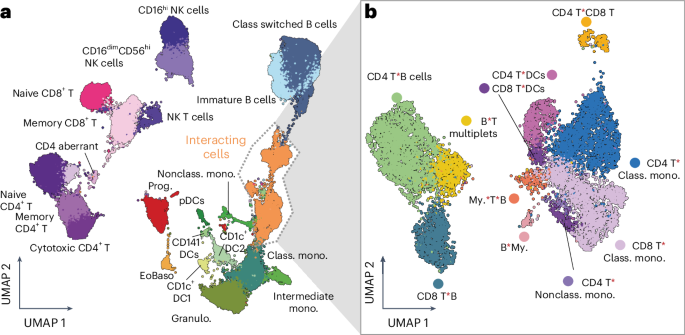
A cost-effective ultra-high-throughput cytometry-based framework for the detection of physical interactions between cells, along with the characterization of complex cellular landscapes @naturemethods
https://t.co/5x9t4Z81H6
https://t.co/ioefQ5dgkO
Symptomatic primary EBV infection generates B cell subsets that gain access to the CNS, attract T cells and thereby initiate multiple sclerosis @Nature
https://t.co/FbFsn0oR13
Today in @CellCellPress we report the use of prime editing to correct several mutations that cause alternating hemiplegia of childhood (AHC), a rare and devastating neurodevelopmental disorder, in patient-derived cells and in two mouse models.
https://t.co/gS7NsGqjtr
1/10
CINTER-seq enables in situ capture and multimodal profiling of interacting cells in living mice, uncovering specific LAG3-MHC II-mediated CD4+ T cell-cancer cell interactions & tumor-reprogrammed neutrophils
https://t.co/W2k12cclGi @ImmunityCP
The CRISPR family’s most versatile member has made its medical debut: a cutting-edge gene-editing technique known as prime editing has been used to treat a person for the first time
https://t.co/HBmQBDE6zK