Farida Mammadova was always against the AzGov propaganda about Caucasian Albania.
She openly said that the Albanians weren’t Turkic. She also openly called for some Armenian churches not to be counted as Albanian.
It’s ridiculous that AzGov uses her name to support its claims.
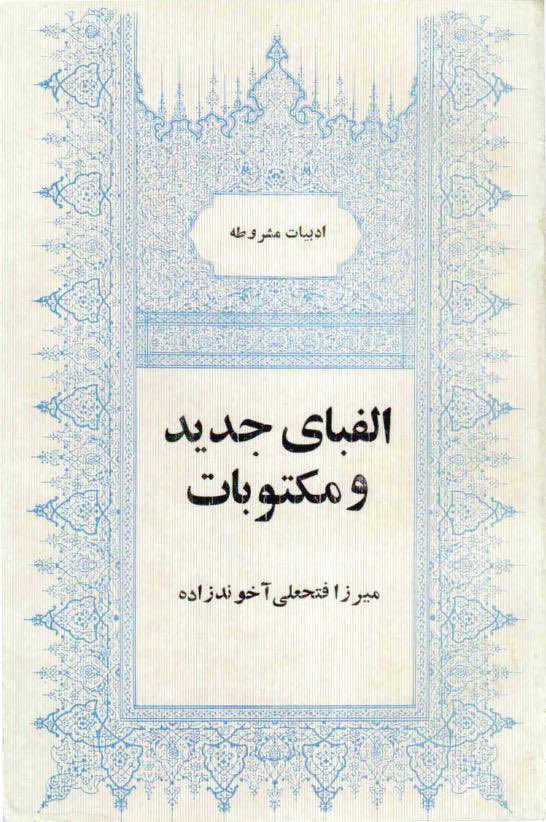
Mirza Fatali Akhundov, the father of Azerbaijani drama and modern literature, born in 1812 in the town of Nukha, northwest of today’s Republic of Azerbaijan:
"My wish is that … the Iranians know that we are the children of the Persians, and our homeland is Iran."
— letter to Manekji Limji Hataria, 29 July 1871, in Alefba-ye jadid va maktubat, p. 249
Nier l'arménité du plus arménien des monastères arméniens, Amaras (où l'inventeur de l'alphabet #armenien fonda sa première école au Ve siècle) : voilà ce que font les Azéris en #Artsakh. Cela s'appelle du négationnisme culturel. Que fait @UNESCO ? https://t.co/6XRrXrssce
Aserbaidschan kauft deutsche Abgeordnete, zwei Unionsleute sind dafür verurteilt. Zum Dank fliegt der CDU-Außenminister nach Baku, leckt dem Diktator die Stiefel und faselt von Frieden.
Armenian architects helped shape Baku during the Russian Empire and Soviet eras. Here are some notable buildings and projects by Armenian architects in the city:
Gabriel Ter-Mikelov:
1/ Azerbaijan State Philharmonic Hall (1910–1912)
2/ House of the Sadykhov Brothers (1910–1912)
3/ Baku branch of the Tiflis Trade Bank (early 1900s; co-designed with Anatoly Kalgin)
4/ Baku Commercial College (1905–1913)
5/ Adamov Brothers’ Residence (1908)
6/ Maternity Hospital (1899)
7/ Physiotherapy Institute building (1929)
8/ Saint Thaddeus and Bartholomew Armenian Cathedral (early 1900s; collaborative project)
Nikolai Bayev (Nikoghayos Bayev):
1/ Azerbaijan State Academic Opera and Ballet Theatre (1911)
2/ Gani Mammadov Residence (1908–1909)
3/ Sabunchi Railway Station
Vartan Sarkisov:
1/ Boys’ Gymnasium building
2/ Oil Producers’ Sanatorium, Mardakan (1930)
3/ Reconstruction of Ismailiyya Palace.
@irandokhtpari سنگنوشته بیستون کافیه، ۵۲۰ پ. م، یعنی حداقل ۴ قرن قبل از قدمتگذاری زبان نیا-ترکیِ واحد. از اینکه ایرانیان و ارامنه رو هم به عنوان قومیتهای قابلتفکیک یاد میکنه بد جوری میسوزن.
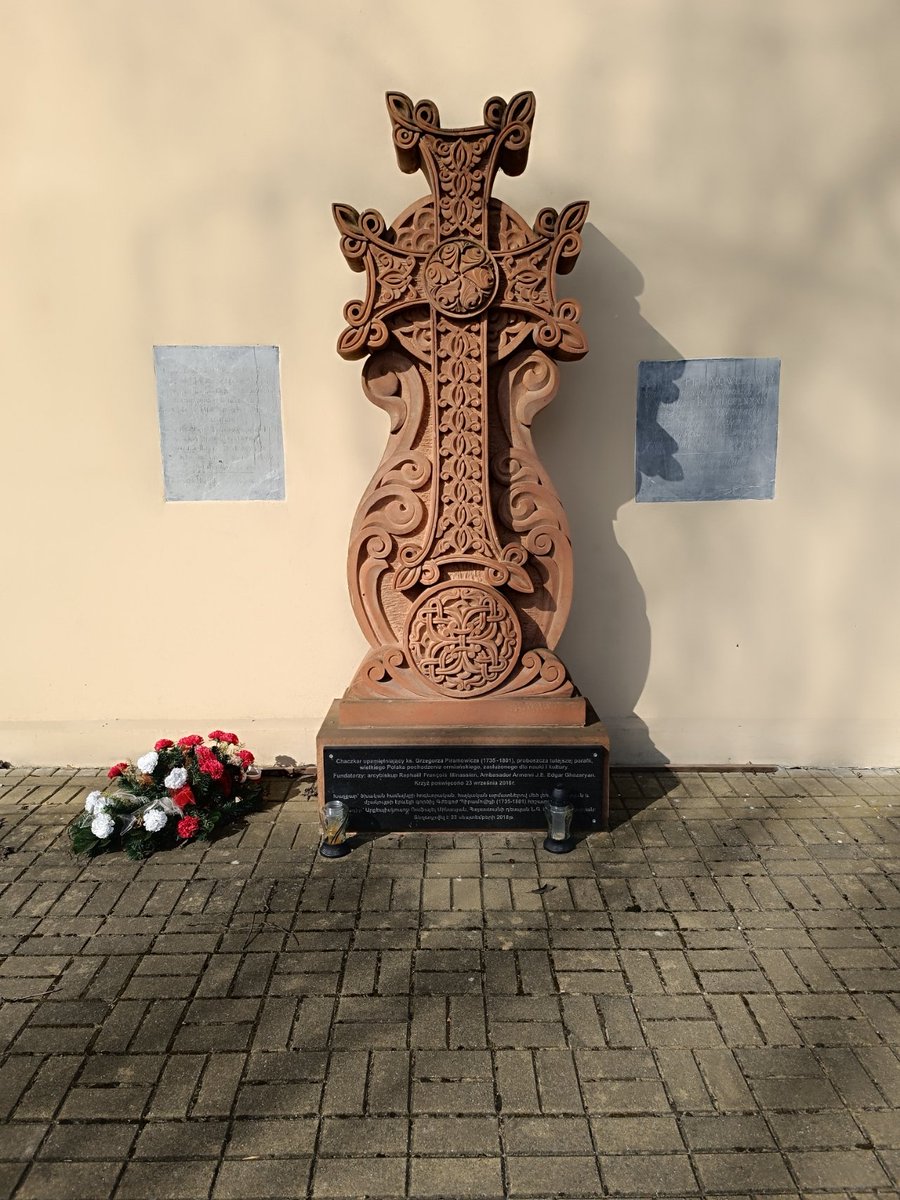
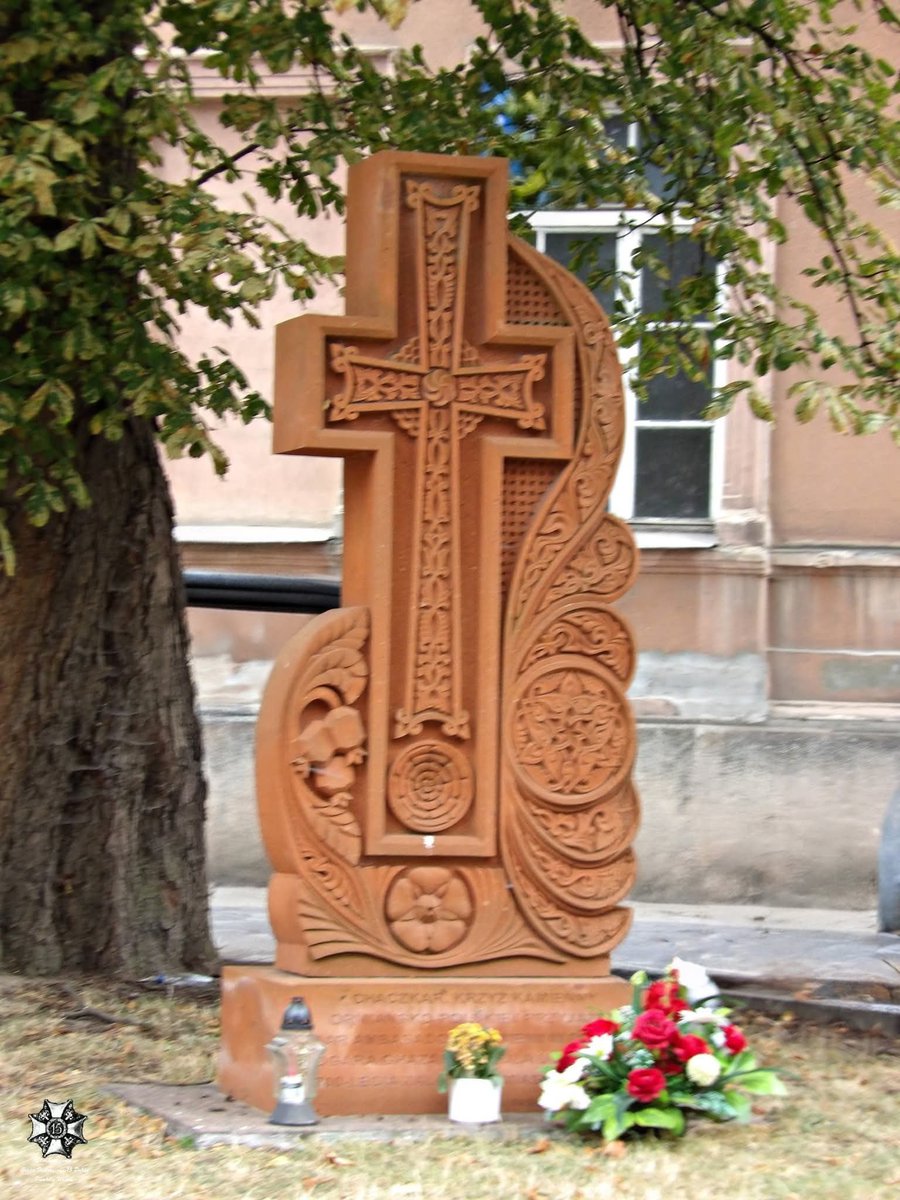
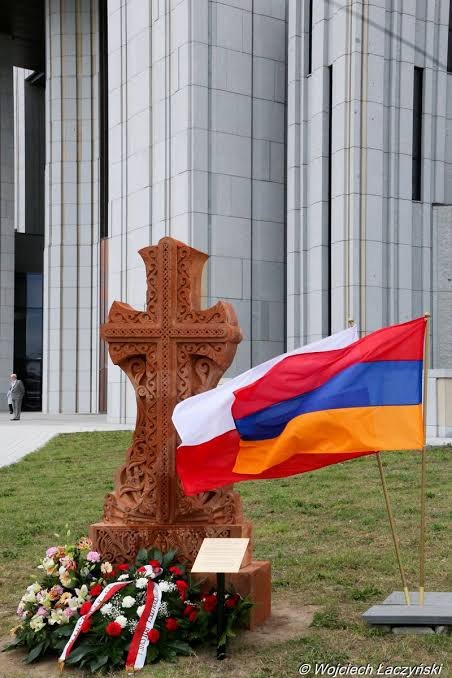
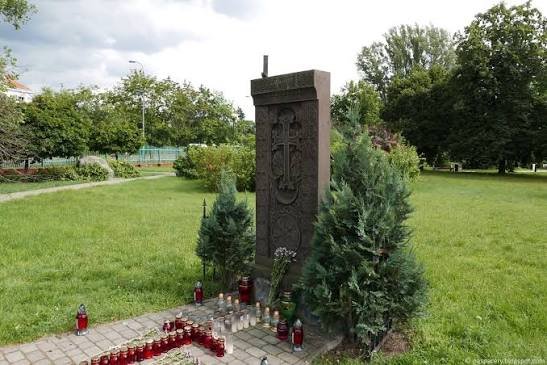
In Poland you can find a lot of Armenian khachkars and squares commemorating Armenian Genocide, but also Armenian-Polish ancestry.
Armenian minority is very important part of Polish history and culture.
مسجد کبود، ستاره تابناک هنر معماری ایران در در جنوب قفقاز
باکو نسبت به ایران که متولی مسجد کبود ایروان است معترض شده و آن را میراث تاریخی خود میداند! تا دیروز البته با روسری دختران به دلیل اینکه میراث ایرانی/اسلامی است مشکل داشتند اما امروز دیگر با مسجد میراث ایرانی-اسلامی مشکلی ندارند. چطور میشود پندا��ت که روسری یا حجاب که ماهیت اسلامی دارد را به بهانه واهی رد کرد اما مسجد را نه!
کشوری که سی سال پس از تصویب کنوانسیون وین به وجود آمده مدعی میراث دویست سال پیش شده که حتی روی کاغذ هم نام چنین واحد سیاسی وجود نداشت.
متولی این مسجد خبرنگاران را صدا کرده و به آنها گفته است آیا در این مسجد نشانهای دالّ بر کشور تازه تأسیس جمهوریآذربایجان پیدا میکنید؟ نه خطی، نه اسمی! حتی زبان کاشیکاریهای آن فارسی است. اصولاً در جهانِ معماری یا جهان تمدن چیزی به اسم معماری آذربایجانی وجود ندارد جمهوری آذربایجان به لحاظ تمدنی و سیاسی بخشی از فرهنگ و تاریخ ایران است. حتی نام آذربایجان هم نامی فارسی است، همانطور که خود حکومت این کشور در سراسر جهان تبلیغ میکند معنای آن "سرزمین آتش" است یعنی Land of fire. آذر یک واژه کهن پارسی به معنای آتش است و همه مورخان بر سر آن اجماع دارند و حکومت باکو نیز عملا با تبلیغات بالا این روایت را پذیرفته است.
ممکن است آنها بگویند که ما میپنداریم که تُرک هستیم و معماری ما هم ترکی است! اما مساله بزرگتر این است که معماری ترکی هم در جهان شناخته شده امروز وجود ندارد فقط تعدادی مسجد از دوره عثمانی در قلمرو ترکیه امروزی داریم که مسجد کبود ربطی به آنها ندارد. در خود ترکیه هم این نوع مساجد را معماری دوره عثمانی مینامند.
اگر معماری ترکی وجود داشت، لابد مقبره پرشکوه مصطفی کمال آتاترک بنیانگذار ترکیه به همین شیوه ساخته میشد نه معماری ��ونانی.
اما چرا چنین است؟
چرا کشوری وجود دارد که هیچ میراث غیرقابل مباحثهای با همسایگانش ندارد؟ و به طور متناوب هر ماه یک تنش را با همسایگانش تجربه میکند؟
مسأله کشورهای تازه تأسیس برآمده از شوروی این است که تاریخنویسی شوروی، ملتهای صاحبنام را تشویق میکرد تا به تدوین تاریخ محلی خود براساس ماتریالیسم تاریخی بپردازند و سیر حرکت ملت خود را از کمونهای اولیه به فئودالیسم و سپس کاپیتالیسم و در نهایت سوسیالیسم نشان دهند. در این میان در مارکسیسم روسی یک نوع جبرباوری غلیظ تاریخی (دترمینیسم) وجود داشت که با جبرباوری قومی تکمیل میشد. در این راستا بررسیهای قومی ژنتیکی، جمجمهشناسی و تبار قومی از سوی مقامات مسکو دائما تشویق و حمایت میشد، همانطور که در سایر رشته های علوم اجتماعی، روانشناسی، تاریخ و ادبیات هم، چنین بود. به این ترتیب قومیت ارگانیسمی بسته و متصل به جبرباوری بود.
مطالعات قومی ژنتیکی جبرباورانه در تطابق با اصول اولیه ایدئولوژی شوروی بود زیرا موید ضمنی تقدم عنصری از پیش تعیین شده بر اختیار آزاد فرد و در نتیجه لزوم ا��اعت فرد از جمع بود. این شیوه تاریخنگاری برای دههها در موسسات علوم و تاریخی نهادینه شد و در جایی مثل جمهوری سوسیالیستی آذربایجان شوروی همین رویه با شدت دنبال شد. به این ترتیب میراث لزگیها، تالشها، تاتها، ایرانیتباران، ارامنه، پارسیان و... به نام ملت صاحبنامی مصادره شد که براساس قانون اساسی ۱۹۳۸ دیگر نه تاتار و نه مسلمان نامیده میشدند، بلکه رسما ملیت آذربایجانی نامیده شدند. تاریخنگاری رسمی (اصولا تاریخ نگاری غیر رسمی در شوروی امکانپذیر نبود) همین خط را دنبال کرد اما چون ملیتی جدید جعل شده بودند، خشونت کلامی که ناشی از فقدان تکیه گاه تاریخی و اعتماد به نفس بود، شدت پیدا کرد و رویه تهاجمی به خود گرفت. به ویژه که شوروی نیز این رویه تهاجمی علیه همسایگان از جمله ایران را تقویت میکرد. ملتهای صاحب نام در تدوین تاریخ خود حق نداشته، مناسبات دوستانه با کشورهای غیر سوسیالیستی را محور قرار دهند همانطور که نمیتوانستند صاحب قهرمانان بنیانگذار مانند پطر کبیر باشند تا مبادا روزی هوای استقلال در سر بپرورانند.
با فروپاشی شوروی، ماتریالیسم تاریخی و ایده پیکار طبقاتی جای خود را به ناسیونالیسم قومی و جنگ قومی داد. با انحلال بزرگترین نظام توتالیتر جهان، بیشتر ملتهای صاحب نام سابق (جماهیر) به خرده نظامهای توتالیتر تبدیل شدند که در آنها عنصر اطاعت و جبر، هنوز باقی مانده بود. نظامهای توتالیتر برای تحریک عنصر اطاعت به وجود تنش نیاز دارند، به ویژه در اجتماعاتی مثل جایی که امروز جمهوری آذربایجان نامیده میشود، چیزی به نام فرد و فردیت شکل نگرفته و در نتیجه جامعهای هم وجود ندارد در واقع نظام سیاسی اج��زه ظهور و بروز فرد را نمیدهد تا تنها زعیم یا مستبد بتواند به عنوان نجات بخش ظاهر شود۱/۱
Another Turkish intelligence report, from 12.04.1931, Constanta, of another interview between a Turkish agent and a Tashnag member with the cryptonym “Ozanyan” in Romania.
"The Kemalists have begun imitating Mussolini; they will establish a Fascist organization as in Italy. They closed the Turkish Hearths (Türk Ocakları) and turned them into the People’s Party (CHP). A lion sleeps within everyone. Do they know what the youth are thinking? The future is near. It is truly approaching. By merely replacing the members of the national assembly, they will have accomplished nothing; they will dismiss the deputies they themselves appointed and appoint others in their place. Besides, in Turkey today, four years as a deputy is enough to become rich. Every one of the deputies who have come and gone has become an owner of property and income-generating real estate (akar). These deputies have become the heirs of the property and wealth that we Armenians built up with our own fingernails, not for six hundred years but for two thousand. And we are left to wander about in exile. They took the Greeks’ property too, but they gave them the property of the Turks in Rumelia. No one has compensated our loss; we lost both lives and property. We, too, will obtain this right of ours. If we cannot obtain our right through official and legal means, we will remove the obstacles and take back what was forbidden to us (we will regain our rights); indeed, we have proven that we have the power to do so."
Source: https://t.co/IwXSAJv1j5
108 - 714 - 11, 12.04.1931-00.00.0000
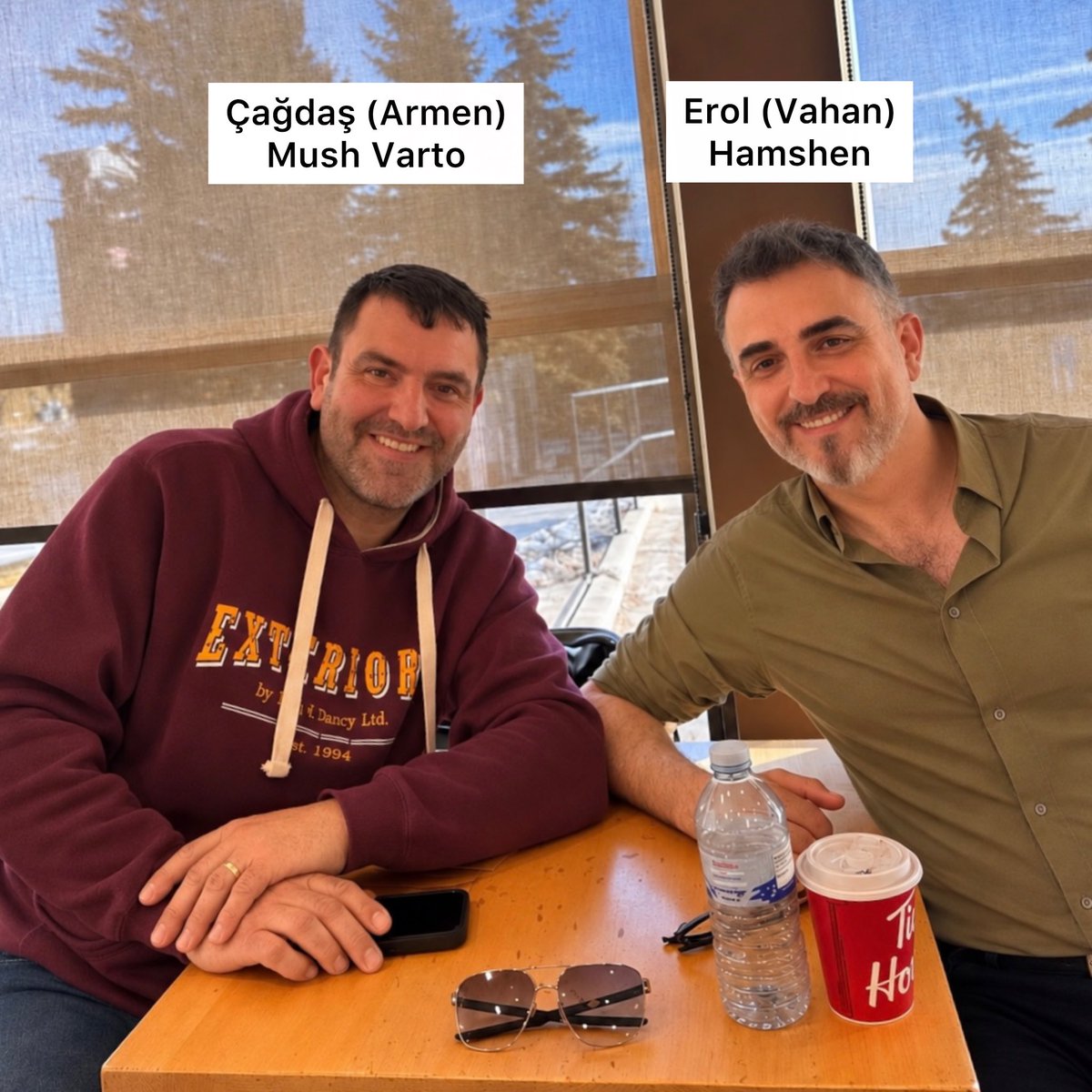
1- Today, I met Chağdash, originally from Varto, Mush, after our Armenian friends in Alberta Canada introduced us.
He shared his family’s story. His great-grandfather, Sanasar, was once among the wealthiest men in Varto.
#mush#hamshen
In certain Azerbaijani publications, Queen Tomyris is mentioned among the women who have made a significant contribution to the history of Azerbaijan. Moreover, she is considered to be the first female ruler of Azerbaijan.
However, Tomyris, who had lived in the 6th millennium BCE, was the Queen of the Massagetae inhabiting Central Asia at the time. The Massagetae, according to primary historical sources, were Iranian-speaking nomadic tribes. According to the Greek historian Herodotus, the Persian king Cyrus II the Great (550-530 BCE) attempted to conquer the territories of the Massagetae, but was defeated and died in battle.
Tomyris, rightfully so, can be considered one of the most prominent historical figures of the ancient world, who was able to defeat one of the most powerful rulers of her time, Cyrus the Great.
In reality, neither Tomyris, nor Cyrus the Great, could have had any conception of the existence of the Azerbaijanis or the present-day state of Azerbaijan, because in that period of time, neither that people, as a modern national entity, nor that state existed.
#AzerFake