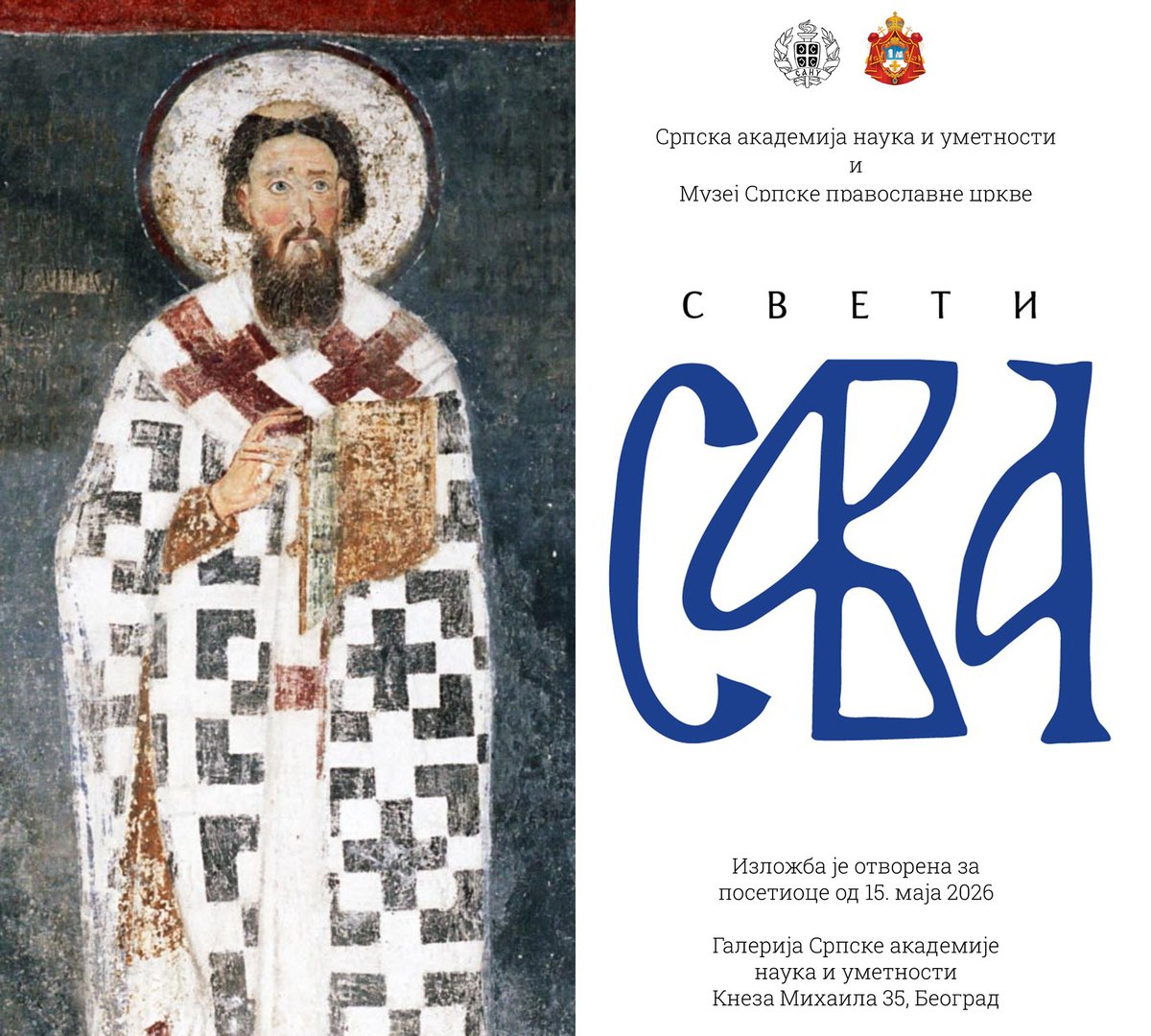
The team of the Geomatics Division of the @arheoinst realized detailed photogrammetric and LiDAR recording of the Studenica monastery complex, in cooperation with the Museum of the Serbian Orthodox Church and the monastic fraternity.
The recordings were conducted with the goal of producing high quality digital models for the purposes of the Sveti Sava exhibition at the SANU Gallery.
The exhibition will be open to visitors from 15. may in the Gallery of the Serbian Academy of Science and Arts, where during the next two months the audience will have the opportunity to get acquainted with the rich heritage and modern methods of digital documentation of cultural heritage.
#ArheološkiInstitut
#Studenica @UNESCO@SRBinUNESCO
#SvetiSava
#LiDAR
#Fotogrametrija
#KulturnoNasleđe
#SANU
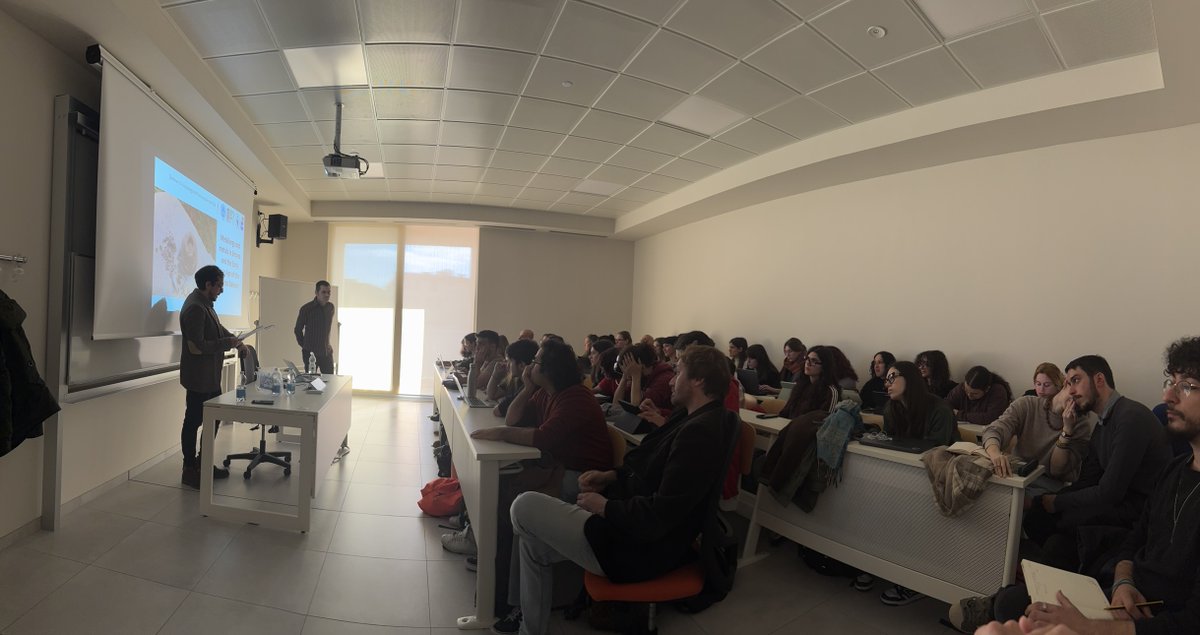
As of the 24th until the 27th In February, a delegation of the @arheoinst made a 4-day visit to the @Unipisa (Italy), at the Department of Civilizations and Knowledge. On that occasion, three lectures for students and teachers were held:
📷 A. Bulatović — New Archaeological Evidence from the Copper and Bronze Age in the Central Balkans: Influences and Long-Distance Connections
📷 V. Filipović — Metallurgy and Metals in the Bronze and the Early Iron Age of the Central Balkans
📷 N. Mrđić — Viminacium — Provincial Capital City and Legionary Fortress: Research and Creation of the Archaeological Park
In addition to lectures, a series of meetings were held with representatives of several departments to plan future cooperation, with a special focus on joint participation in projects financed from European Union funds. The Department's libraries were gifted editions of the Archaeological Institute, thereby establishing a permanent academic exchange of publications and further consolidated long-term cooperation between the two institutions. We would like to thank the hosts for their warm hospitality and inspiring academic exchange.
#ArheoloskiInstitut #UNIPI #pisa #archaeology #ArchaeologicalResearch
У среду 18. јуна, гост Археолошког института и Археолошког парка Виминацијум био је господин Аимин Джанг, директор Кинеског културног центра у Београду. Поред упознавања са методама рада, материјалном културом, туристичким и научним потенцијалом Парка, уприличен је и обилазак локалитета и текућих археолошких ископавања, као и упознавање са делом археолошке екипе која ради на терену. Поред овога, разговарало се о могућностима будуће научне и техничке сарадње између кинеских институција и Археолошког института, али и о потенцијалном повећању посета кинеских туриста нашем јединственом локалитету.
Делегацију је примио директор Археолошког парка, др Немања Мрђић.
Arheološki institut je od 20. do 23. maja 2025. imao čast da učestvuje na Međunarodnom sajmu tehnike, gde smo predstavili rezultate i ideje mladih istraživača u okviru SEED research grant programa. Kroz svakodnevna istraživanja i terenski rad, nastojimo da najmoderniju tehnologiju, poput fotogrametrije i 3D modelovanja, integrišemo u arheološku praksu i time unapredimo metode proučavanja prošlosti. Radujemo se budućim izazovima i nastavku primene inovacija u našem radu!
Arheološki institut će biti prisutan Međunarodnom sajmu tehnike i tehničkih dostignuća 2025.
SEED projekti realizovani su preko projekta SAIGE - @nitragovrs
Beogradski sajam, Hala 2C, štand 10
@VojislavF
As part of the @CA_GLITSS project (CA21133), @Jovic_88_Marija carried out an STSM in Bulgaria from 16–25 March 2025, focusing on counterfeit ancient coins and artifacts in the Balkan border regions. Goal: building a database, knowledge exchange, and strengthening regional cooperation in the fight against forgeries.
@COSTprogramme@CA_GLITSS
#STSM
Rudna Glava is one of Europe's earliest known archaeological sites associated with copper mining and metallurgy. Dating back to approximately 5000 BC, this prehistoric copper mine belongs to the Vinča culture. Excavations at Rudna Glava have revealed extensive evidence of early mining techniques, including shafts and galleries reaching depths of several meters.
@arheoinst
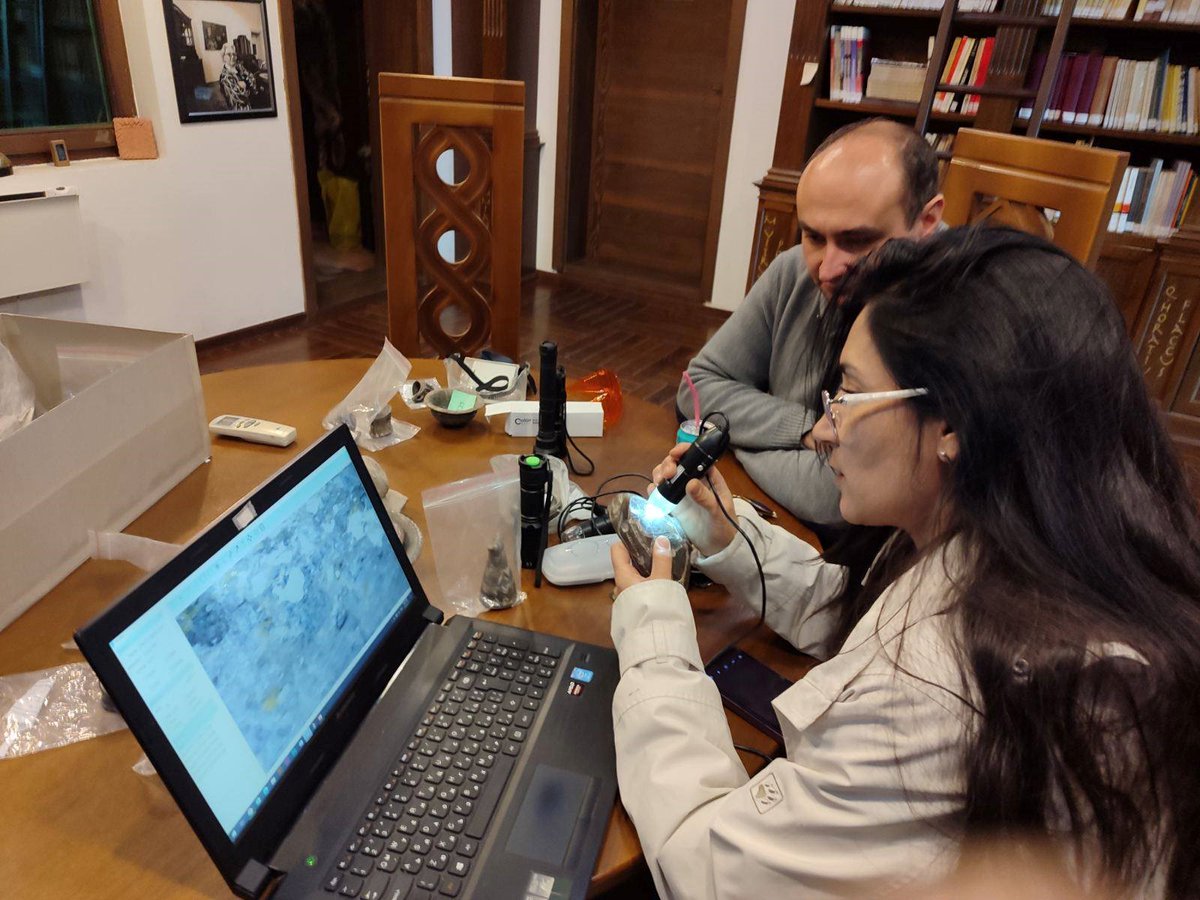
The COLPAST Project has advanced its technical expertise through training held at the Archaeological Park of Viminacium. Dr. Ilija Danković and MA Milan Prodanovic from the Arheološki institut, Beograd, were trained in the use of UV and infrared lamps for detecting pigments on Roman and prehistoric artifacts. The workshop was conducted by Dr. Rositsa Manova, a distinguished Bulgarian archaeologist and restorer from the National Institute of Archaeology and Museum, Bulgarian Academy of Sciences. In addition to teaching UV and infrared techniques, she instructed participants in the use of hand-held microscopes to identify pigments and colors on ancient reliefs and statues. Dr. Manova, an expert in ancient pigments and burial practices, provided both theoretical and hands-on training. This training enhances the Institute's ability to trace and restore colors on archaeological artifacts, contributing to the broader understanding of ancient artistic practices. All activities were conducted as part of the development of the Center for Archaeometry VinArh.
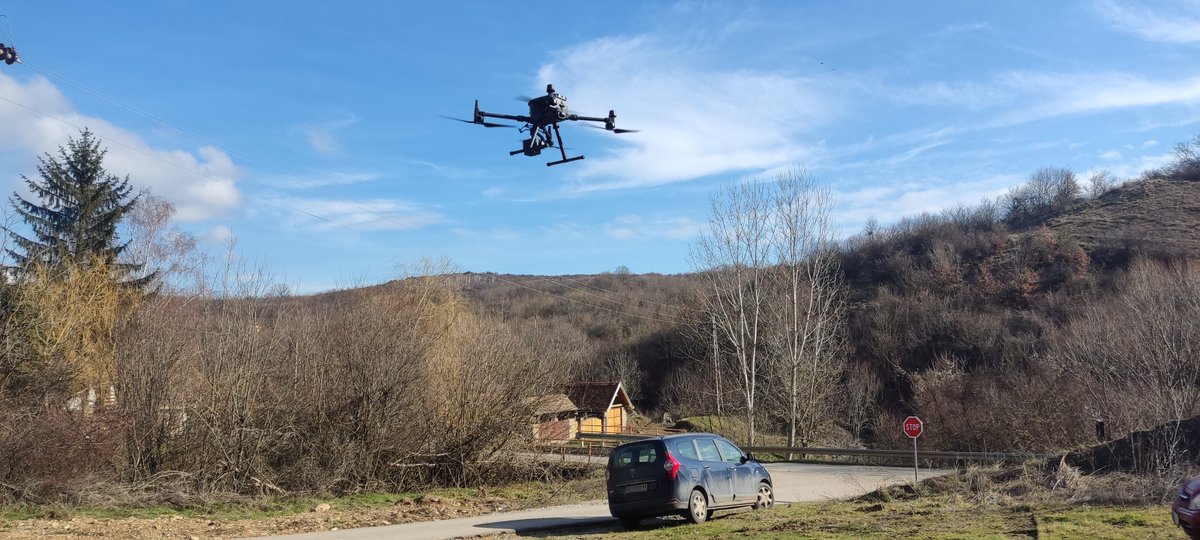
At the start of the year, taking advantage of the favorable weather, we launched a series of training sessions and field exercises focused on LiDAR surveying. In addition to hands-on experience and the acquisition of new skills, the team, led by Ivan Ninčić, is committed to debunking pseudo-archaeological narratives surrounding the alleged location of ancient Troy near Belgrade. We are also exploring new approaches to enhance and streamline our workflow.
Joining the young researchers from the Institute of Archaeology are archaeology students from the Faculty of Philosophy. Our work is supported by cutting-edge equipment from @DJIGlobal , with more than five days of recordings completed and dozens of successful drone flights conducted.
n the final days of the project, three team members - PI Dr. Aleksandar Bulatović, Dr. Maja Gajić Kvaščev, and Dr. @VojislavF Filipović - visited the Department of Archaeological Sciences at the @oeai_oeaw in Vienna @oeaw, and the representative office of the Japanese company @KeyenceUSA. The purpose of the visit was to explore the capabilities of high-quality microscopes.
This type of advanced equipment, currently unavailable for archaeometric studies in Serbia, could become a key priority for the newly established VinArh Center for Archaeometry.
@theFLOWserbia
#programideje
@fondzanauku_rs
It is a great honor to present some of the results of our work on the FLOW project at the International Conference Geospatial and Environmental Dynamics: Between Fundamental and Applied Scientific Research (November 14–16, 2024, Novi Sad). The conference brings together 300 participants from 26 countries, including 93 presenters.
Together with the project’s Principal Investigator, Dr. Aleksandar Bulatović, I will discuss Shifts in Landscape Use Strategies during the Transition from the Bronze to Iron Age in Northwest Serbia.
A heartfelt thank you to the conference organizers, especially @RektoratUNS, the Department of Geography, Tourism, and Hotel Management, and the Serbian Academy of Sciences and Arts, for making this event possible!
@theFLOWserbia
#programideje
@fondzanauku_rs@arheoinst
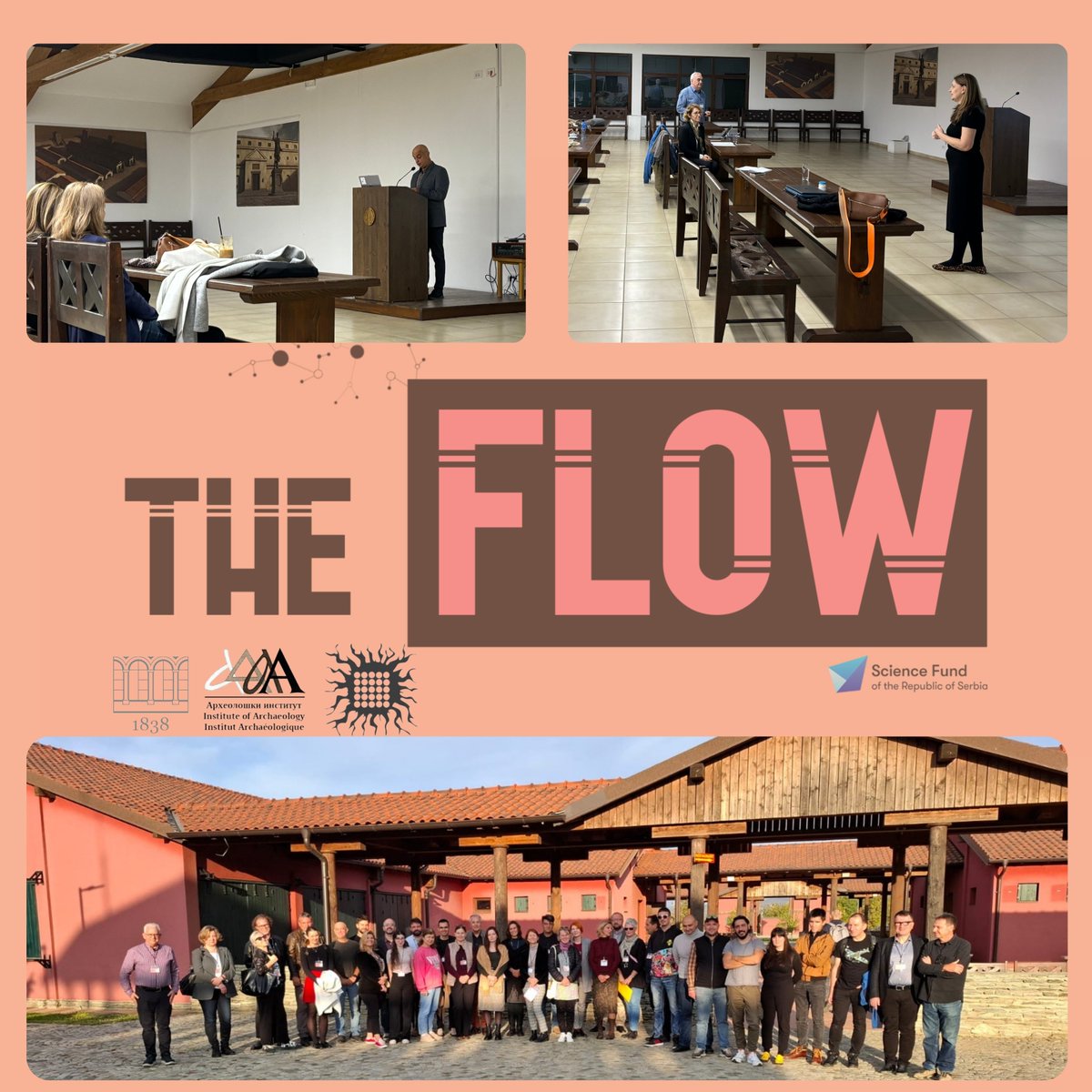
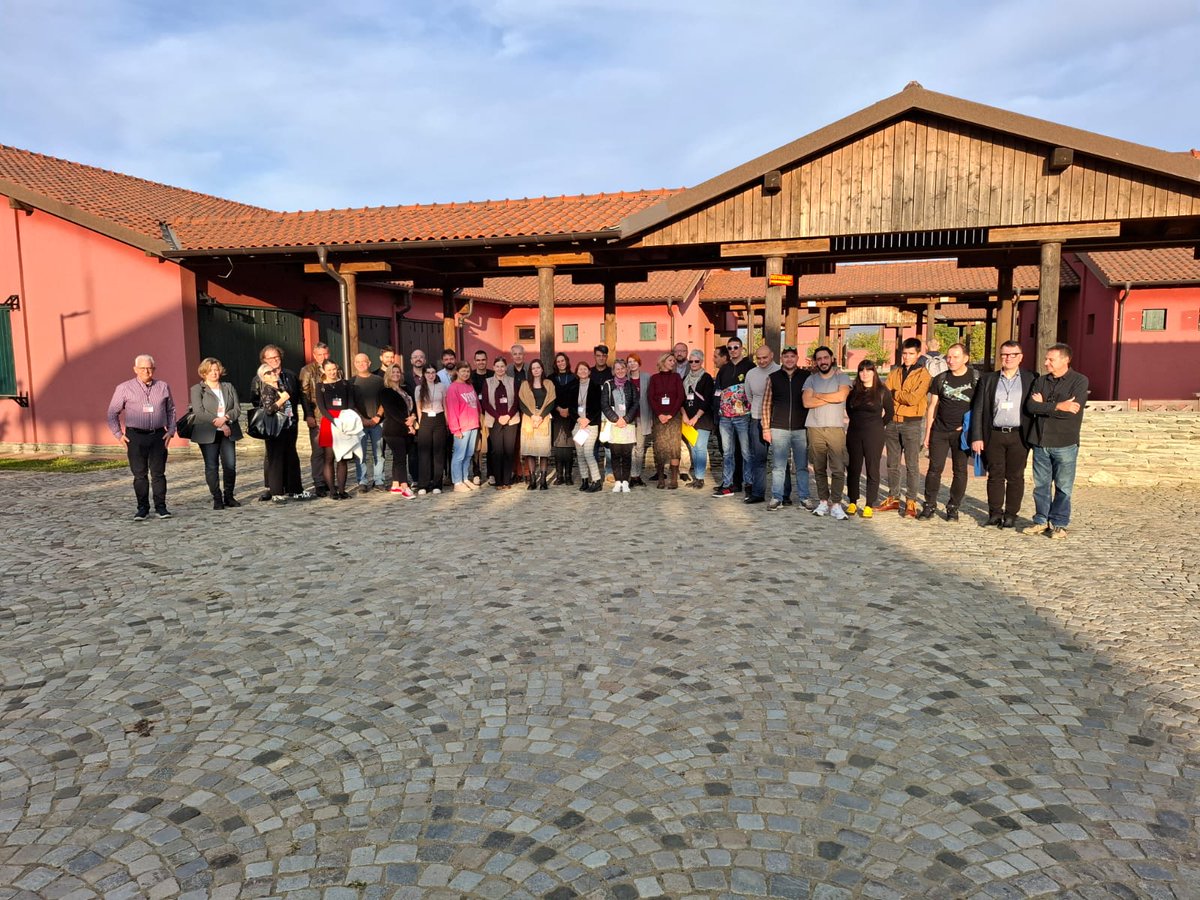
We are proud to say that we successfully organized the conference titled Interactions-Transmission-Transformation: Long-distance Connections in the Metal Ages of South-eastern Europe.
We had the opportunity to host colleagues from 14 countries at Viminacium, hear numerous results of successful research in the field of archaeometry, exchange knowledge, and open up numerous interesting questions that lead us to new research!
We hope that we will soon have the opportunity to host another such gathering!
#programideje
@fondzanauku_rs@arheoinst
The entire team on the second, and most productive, day of the FLOW Conference. We are together for one more day! Stay tuned!
#programideje@fondzanauku_rs@arheoinst
The final preparations for the FLOW conference are being done, and we are looking forward to seeing you all soon at Viminacium!
In four days, we will share our results with colleagues from Europe and the USA and discuss how to further advance the research on provenance studies and interpretations of long-distance connections of Copper and Bronze Age communities in Europe!
This research is supported by the Science Fund of the Republic of Serbia, Grant No. 7750074, THE FLOW.
#programideje
@fondzanauku_rs@arheoinst
У оквиру пројекта COLPAST – Оживљавање боја прошлости: Реконструкција боја на античким статуама, рељефима и натписима – са задовољством најављујемо набавку професионалне Cole-Parmer UV лампе, таласне дужине 365 nm и снаге 100 W. Овај савремени уређај ће бити коришћен за рестаурацију избледелих и изгубљених боја на римским натписима, статуама и рељефима који се чувају у Археолошком парку Виминацијум и Народном музеју у Пожаревцу. Стручну обуку за научну употребу лампе обезбедиће експерти из Института за нуклеарне науке „Винча“, који ће такође пружити помоћ у техникама рестаурације пигмената и анализама помоћу енергетски дисперзивне рендгенске флуоресценције (ED XRF). Важно је истаћи да ово представља прву интердисциплинарну сарадњу ове врсте између Археолошког института у Београду и Института за нуклеарне науке „Винча“. Заједно, посвећени смо оживљавању вековима заборављеног, живописног света Римског дунавског лимеса.
As part of the COLPAST Project—Coloring the Past: Restoring the Coloring of Ancient Statues, Reliefs, and Inscriptions—we are pleased to announce the acquisition of a professional Cole-Parmer 365 nm, 100 W ultraviolet lamp. This cutting-edge instrument will be employed to restore the faded and lost colors of ancient Roman inscriptions, statues, and reliefs housed at the Viminacium Archaeological Park and the National Museum of Požarevac. Specialized training for the scientific use of the lamp will be provided by experts from the Vinča Institute of Nuclear Sciences, who will also assist in pigment restoration techniques and conduct analyses using Energy Dispersive X-Ray Fluorescence (ED XRF). Notably, this marks the first interdisciplinary collaboration of its kind between the Institute of Archaeology, Belgrade, and the Vinča Institute of Nuclear Sciences. Together, we are committed to reviving the centuries-old, forgotten, vibrant world of the Roman Danubian Limes.
@arheoinst@nitragovrs@WorldBankECA
#SAIGE #IoA_SEED
Током првог месеца реализације пројекта HEAT - Honing Expertise in Archaeological Thermography направљени су пoчетни кораци у стицању теоријског и практичног знања у примени термовизијске камере за потребе археолошких истраживања. У сарадњи са професором Мишком Милановићем са Географског факултета Универзитета у Београду одржана је обука о теоријским принципима термовизијског снимања, као и практичној употреби дрона DJI Matrice 350 RTK опремљеног DJI Zenmuse H20T термалном камером. Тестирање дрона и камере извршено је на локалитетима Виминацијум код Koстолца, Анине код Лајковца и Пауље код Лознице, у различитим периодима обданице и ноћи, ради поређења топлотног сигнала при различитим атмосферским условима. Бирани локалитети укључивали су зидане структуре, хумке, као и неколико врста укопа, у циљу испробавања могућности у детектовању различитих типова археолошких целина. Подаци прикупљени дроном обрађени су фотограметријски и анализирани у одговарајућем компјутерском софтверу, затим и поређени са сателитским и геофизичким снимцима.
During the first month of the implementation of the HEAT - Honing Expertise in Archaeological Thermography project, initial steps were taken in acquiring theoretical and practical knowledge in the application of thermal imaging cameras for the needs of archaeological research. In cooperation with professor Miško Milanović from the Faculty of Geography of the University of Belgrade, training was held on the theoretical principles of thermal imaging, as well as the practical use of the DJI Matrice 350 RTK DJI drone equipped with a DJI Zenmuse H20T thermal camera. Testing of the drone and camera was carried out at the sites of Viminacium near Kostolac, Anine near Lajkovac and Paulje near Loznica, in different periods of day and night, in order to compare thermal signature in different atmospheric conditions. The selected sites included wall structures, mounds, as well as several types of pits and ditches, in order to test the probability of detecting different types of archaeological objects. The data collected by the drone were processed photogrammetrically and analyzed in the appropriate computer software and then compared with satellite and geophysical images.
@arheoinst@nitragovrs@WorldBankECA
#SAIGE #IoA_SEED