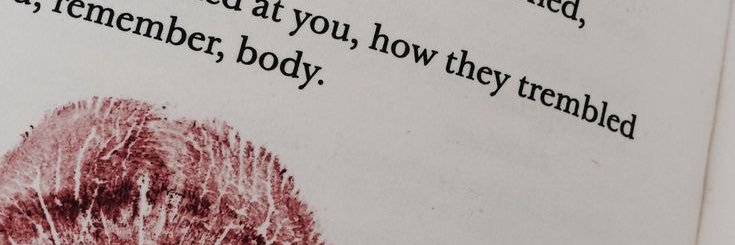
“—unlike me, you are a truly divine creation. venus told me so that afternoon i wandered that museum and everywhere i turned i saw her playful, taunting grin, golden and divine and unsettling. when i relented to her, brought to my knees at the thought of your dark eyes.”
maybe one day you'll relate to the poems about being in love and being loved back and not the ones about longing for it like it's something distant and unattainable for you.
and the resulting loss of stability and or certainty in the world in the aftermath of such horror. Eliot might not be the best example, but he isn’t making a moral point there. He, like everyone else at the time, is trying to find his footing in a world he no longer recognizes.
Most of the greatest novels of world literature due typically address a moral question or dilemma that clearly troubles or at least interests the author. But the question or dilemma addressed in the novel or literary work isn’t always a moral one. Some of the greatest works
Great literature is not defined by a writer’s command of prose or his ability to tell a good story. Great literature must possess a coherent moral vision.
are merely attempts to explain the current human condition in the time they were written, such as “The Waste Land.” There is no moral question or moral vision being addressed there. “The Waste Land” is essentially a translation of the reactions to the horrors of WWI
When someone says “I love you” but Dostoevsky said:
“I dreamed of you before I ever met you, and when I finally did, it was as if I had known you all my life”