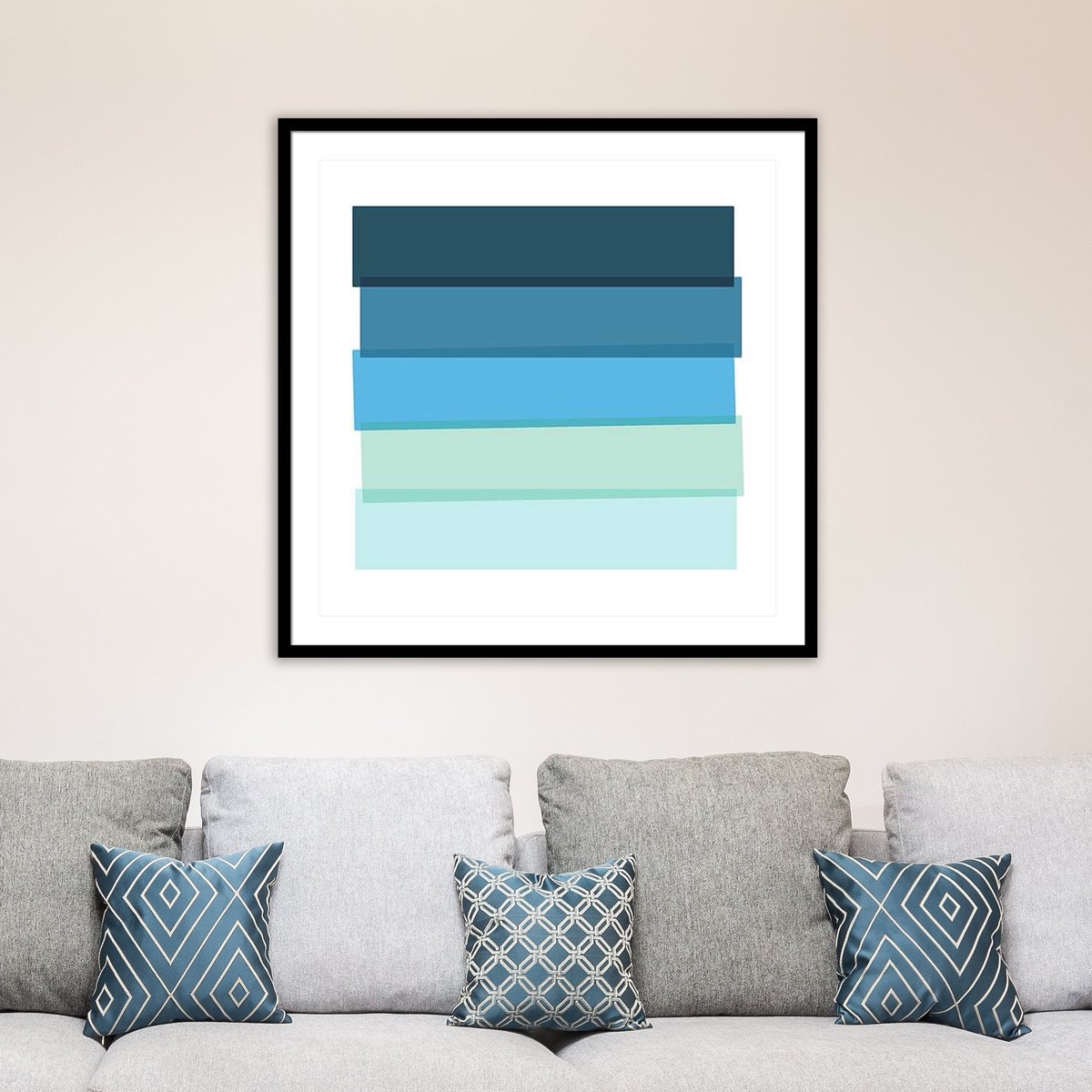
🌟Transform your space with a unique piece of abstract art! Perfect for any home or office looking for a touch of elegance and inspiration. 🎨✨#SaturdayVibes#SaturdayMorning#design
"Mirage" https://t.co/yMJQfhXe7n
Want to infuse your living space with creativity? 🎨 Abstract art is perfect for any space that needs a splash of color and imagination.#MondayVibes#art#design
🖼️https://t.co/HCvqSm2tqn
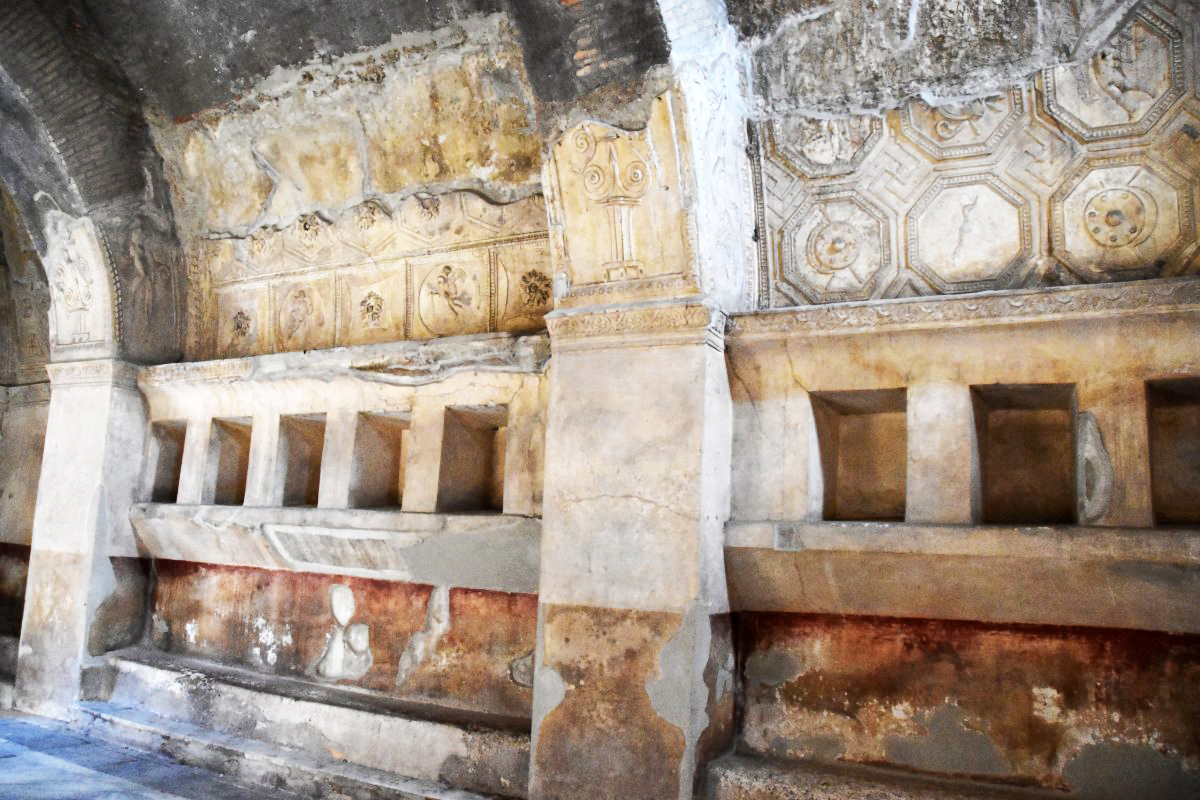
The House of the Orchard (Casa del Frutteto), also known as the House of the Garden is an ancient Roman residential structure in the archaeological site of Pompeii. It stands on the south side of the Via dell'Abbondanza and is known by some other names as well, including House Euplia and House of the Flower Cubicles.
Although the house has its own small garden, the name of this mansion comes from the beautiful frescoes, depicting the garden on the walls of a cubicle-bedroom. The House of the Orchard, follows the standard Roman floor-plan, where the guest garden or atrium, an integral part of the house. The residential complex, brought to light in 1951-52 CE, owes its name to the refined paintings of gardens dating to the time of emperor Augustus (early 1st Century CE).
The house was constructed in late 3rd Century BC and was restructured at least four times over the later years. After the earthquake of 62 BC, a commercial activity began in the domus, as is indicated by the opening of a shop on Via dell'Abbondanza and the discovery of some 150 amphorae of wine. The final phase of renovation, shown by a heap of lime in the peristyle, was tragically interrupted by the eruption of Mount Vesuvius in 79 CE. The excavations recovered fragments of the floors and walls of the upper story, accessed by a staircase set in the room close to the tablinum.
The floors are made of cocciopesta (earthenware) decorated with white tiles laid in geometric patterns, while the walls preserved portions of Style-II frescoes (early 1st Century BC) that imitate polychromic marble facing. One of the walls is visible in the tablinum between the atrium and the garden.
At the center of the small peristyle at the rear of the house, the existing vegetation has been rearranged. It consists of a boxwood hedge laid out in geometric pattern and a specimen of oleander grown as standard in the center. Oleander are depicted in paintings of both the cubicula, frescoed with scenes of a garden and an orchard.
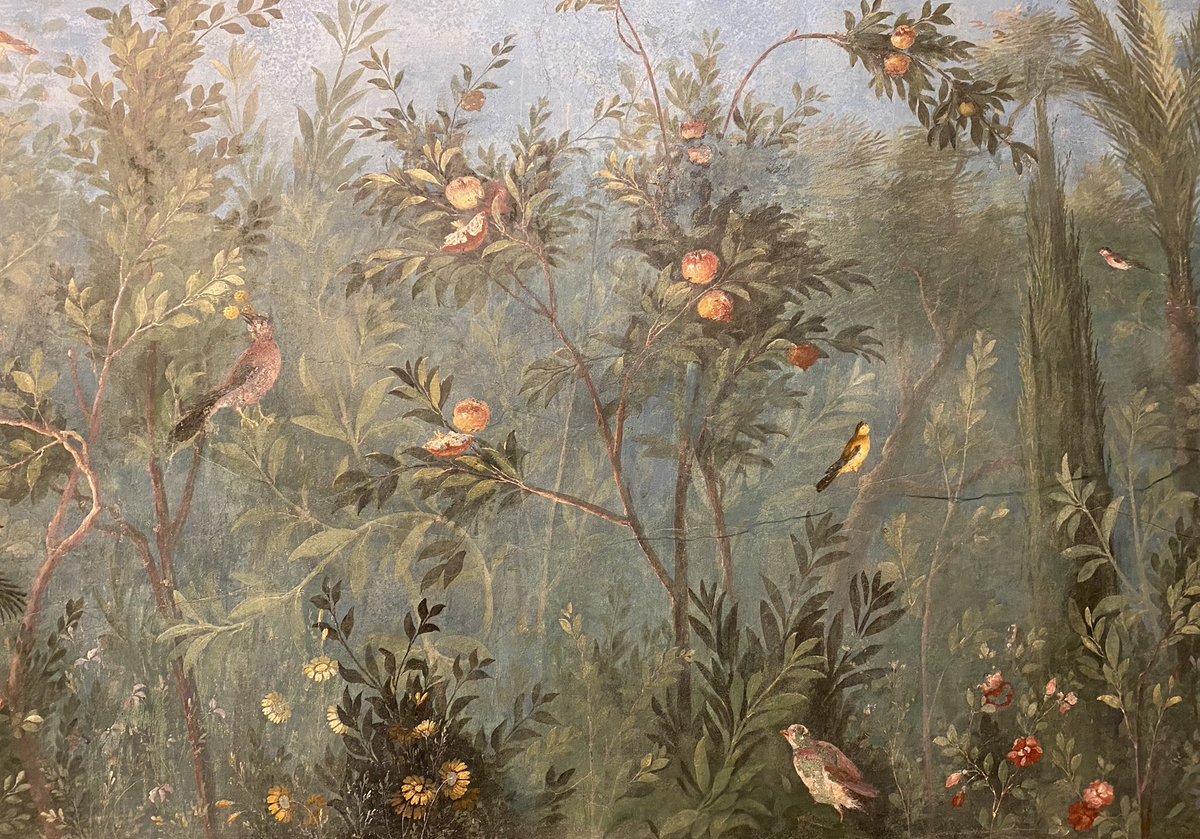
The fame of this domus is due to the pictorial decorations of the small rooms (numbered 8 and 12) intended for repose (cubicula). The paintings dating from the Augustan period (style III) depict lush gardens with palms, shrubs and fruit trees, such as lemon, fig cherry, pear, plum and pomegranate, populated with birds of different species that enliven the landscape.
In one of two rooms (numbered 8), the frescoed scenes reproduce, against an azure backdrop, the symbols of the cult of Osiris (the bull/Apis and canopic jars) and symbols linked to the cult of Dionysus (theatrical masks and musical instruments). Inserted amid the foliage of the trees appear some small pictures depicting muths and characters related to the world of Dionysus (Dionysus and Ariadne, satyrs and maenads), flanked by Egyptian-style statues, seated and standing, wielding the symbol of life (ankh).
Also in second room (numbered 12), which preserves the remains of the vault, Greek cult is merged with Egyptian. Against a black background, amid trees and birds, stands a fig tree, up which climbs a lazy serpent, an augury of prosperity. Just below is crown of roses, the symbol of the triumph of Osiris (life) over his brother Seth (death).
On the remains of the upper floor walls are preserved portions of frescoes in Style II. The paintings imitate architecture and polychrome tiling, with yellow and red panels hung with garlands. The spaces are subdivided by a series of objects and architectural elements (shields, columns, architraves) which organize and mark off the space.
#archaeohistories
Livia Drusilla, Roman empress from 27 BC to AD 14 as the wife of Augustus, was born on this day in 59 BC. The stunning garden frescoes from the triclinium in the Villa of Livia at Prima Porta can be seen today at Palazzo Massimo alle Terme in Rome.
Looking for a bold statement or a touch of elegance? Abstract art brings color, emotion, and energy into your home or office.
✅ Custom sizes available
🖼️ Museum-quality frames
🌐 Ships worldwide
🛍️ https://t.co/VQtvskmh7B
#abstractart#modernart#FridayVibes
🌟Transform Your Space with Abstract Art!🌟
Looking for a bold statement or a touch of elegance? Abstract art brings color, emotion, and energy into your home or office.
✨ Custom sizes available
✨ Museum-quality frames
✨ Ships worldwide
🛒 https://t.co/X4BYge14Vy
Ribera révèle un talent de graveur virtuose !
Son corpus restreint de 18 eaux-fortes, créé entre 1616 et 1630, est une véritable leçon de maîtrise des clairs-obscurs 🌗
📆"Ribera, Ténèbres et lumière" jusqu’au 23 février 2025
💳Réservation: https://t.co/VWhs03pnsA