@julioc I'm really disappointed that Blazor is not a thing in this dotnet skills list. I've been working with Blazor in prod since 2019 and still loving using Blazor now.
Catching the term "BYOAI" while reading the 2024 Work Trend Index annual report paused me for some seconds. BYOAI stands for "Bring your own AI" and the context is "employees using AI at work".
Thanks for reading. If you enjoyed this:
1. Follow me @eyezenhour for more content on optimizing your health, business, and performance
2. Repost this thread if you found it helpful
@tdinh_me Does that mean the current pricing model makes him believe that the expiration date of the product is not long enough for him to be confident in making the purchase decision now 🤔
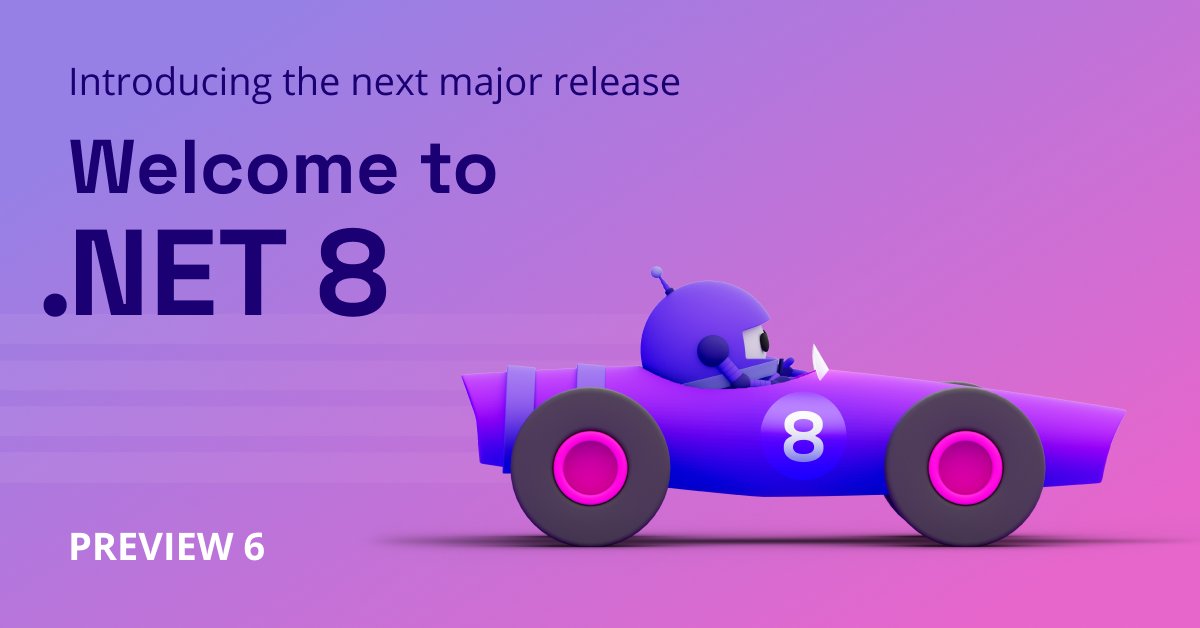
‼️ Announcing .NET 8 Preview 6 ‼️
...now with plenty of library updates, a new WASM mode, more source generators, constant performance improvements, and NativeAOT support on iOS.
Here's what you need to know. 📖 https://t.co/QcnRnRkqKv
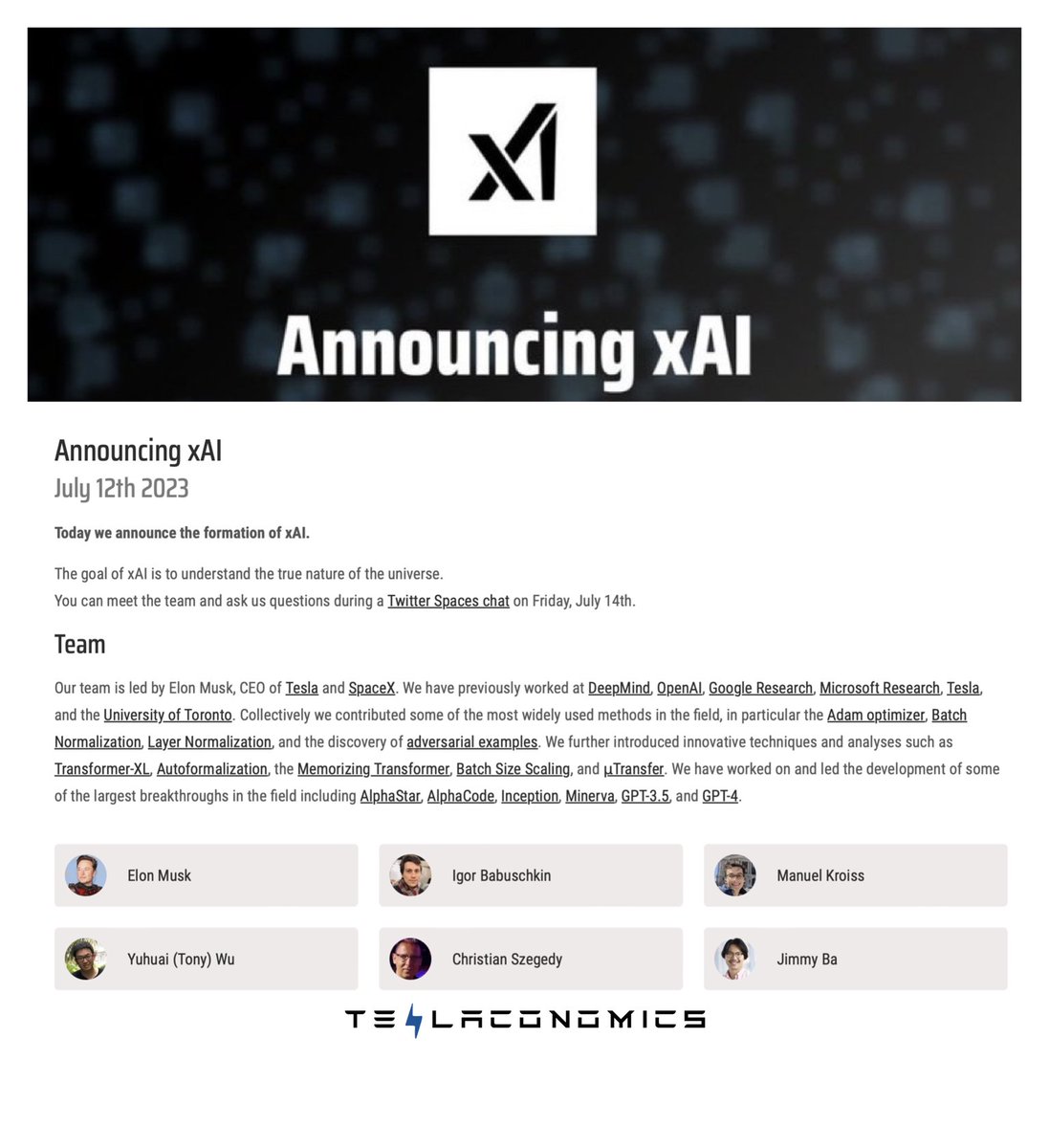
Elon Musk just revealed his new startup, xAI with the goal to understand the true nature of the universe. Why is he doing this?
Artificial Intelligence is undeniably one of the most transformative technologies of our time. As it advances, it's like opening Pandora's Box. Its potential impact on society is vast, promising unparalleled progress but also capable of catastrophic disruption.
Elon has long been vocal about the potential risks of AI. He's often warned that unregulated AI could be more dangerous than nuclear weapons, as it could potentially outsmart humans and take control of digital systems we rely upon - from simple home appliances to complex vehicles and even infrastructure.
You might think this scenario is far-fetched, but consider the rate of AI's progression. It's accelerating at an astounding pace, frequently surpassing our expectations. Imagine an advanced AI system that can not only learn, adapt, and predict, but also manipulate and persuade. That's a formidable force, and without proper control, the implications could be dire.
Musk's recent announcement of a new venture, xAI, seems to be his response to this issue. xAI appears to be positioned as a competitor to OpenAI, an organization Musk himself helped found. The reason for this might seem perplexing at first. Why compete with an entity you've had a hand in establishing?
Well, Musk's move seems to underscore a fundamental belief that the safe evolution of AI is crucial to humanity's future. He likely sees the need for a diversified landscape of AI development, where not just one, but multiple entities strive for safe, beneficial AI. It ensures that no single organization holds the reins of this potent technology, potentially reducing the risk of misuse or mishandling.
In essence, Musk's creation of xAI is akin to taking out an insurance policy on humanity's future. By building a robust team and competing with OpenAI, he's furthering the checks and balances in the rapidly evolving AI ecosystem.
We're approaching a potential event horizon in technology, often referred to as the "Singularity". It's a point where AI surpasses human intelligence, making it extremely difficult, if not impossible, to predict what will happen next. The Singularity, much like a black hole, represents an unknown, an unseeable future that could have profound implications for society.
So the message here is clear: AI is not just about convenience and automation, it's also about stewardship. It's a tool of immense power, one that demands our respect and vigilance. As AI continues to evolve and shape our world, initiatives like Elon Musk's xAI remind us of the importance of managing AI development responsibly, lest we lose control of the very technology we've created.