अवध के विलय का समय था, साल 1856 ।लार्ड डलहौजी गवर्नर जनरल थे ।लण्डन टाइम्ज़ ने कुछ यूँ कहा था"भारतीय जाति बहुत तुच्छ सी जाति है
तथा पृथ्वी के दूसरे छोर से एक महान जाति उन पर राज्य करने के लिए पहुँच गई है ।"
#इतिहास के पन्नों से
Read a review of this book on the popularity and politics of Dera culture in contemporary Punjab, with particular reference to Dera Sachkhand Ballan. It looks very insightful, especially regarding Dalit politics in the state.
The two questions that interest me are: 1. The reasons for the perceived failure of Dalit politics in the state, and 2. The reasons behind the phenomenal rise of Christian conversions in recent times..
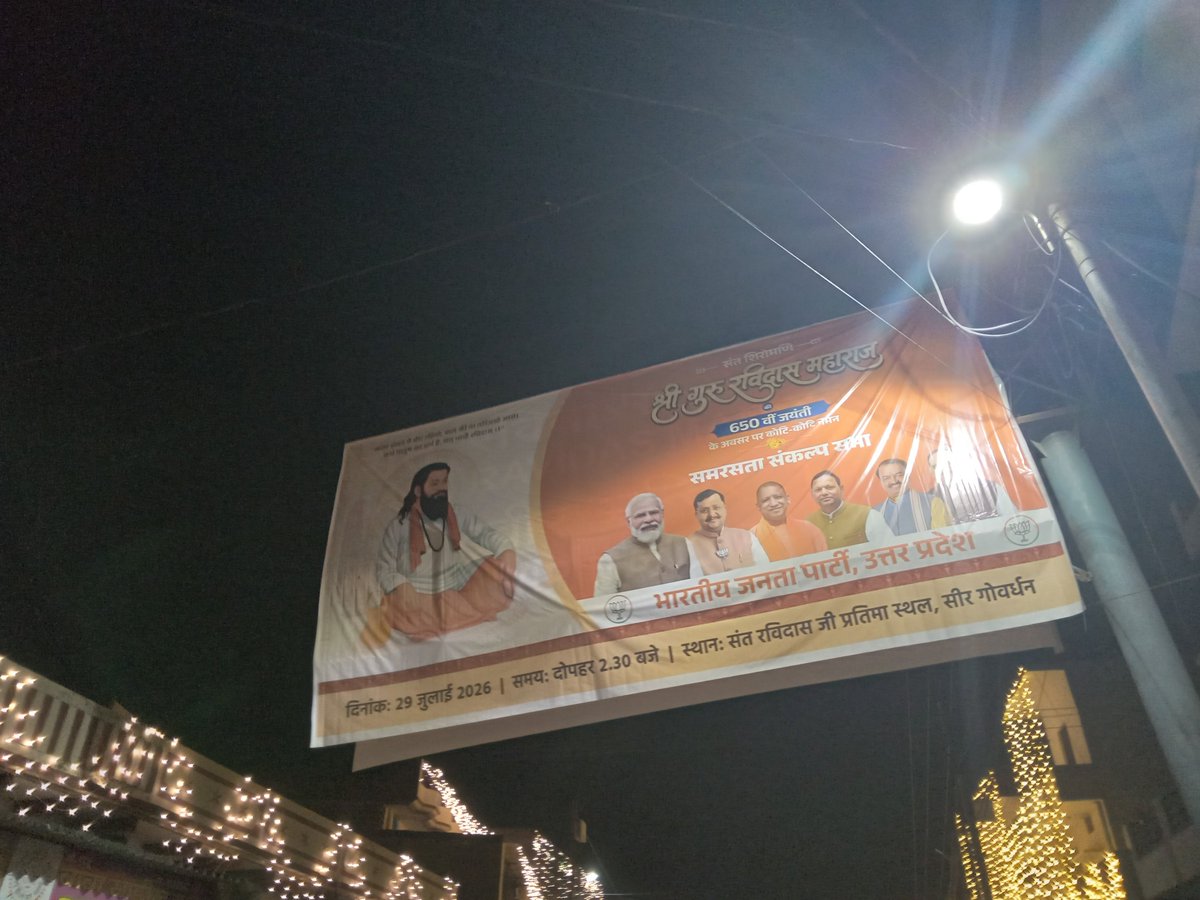
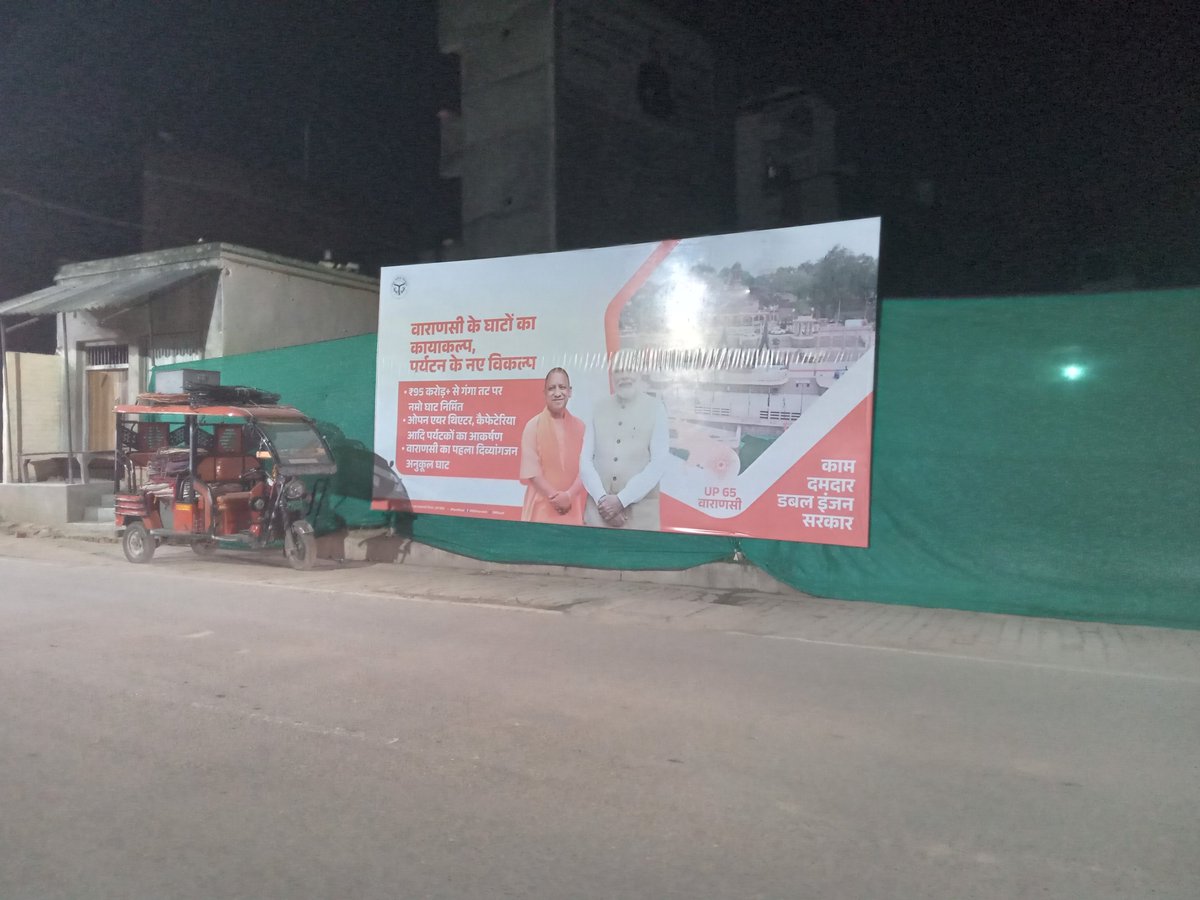
रविदासिया समाज का गठजोड़ आने वाले समय में इसके डेमोग्राफिक चेंज को नया रूप देंगे... इन सबके बीच पूरे रास्ते पर भाजपा अध्यक्ष और पार्टी के कायाकल्प के पोस्टर और नालों के किनारे हरे पर्दे तन गए है...@saurabhtop@harshitshyam17
कहने को तो यह समरसता संकल्प सभा है लेकिन इससे यूपी 2027 के चुनाव का आगाज हो रहा है। रविदास महाराज को भाजपा आगे कर एक तरफ यूपी में सोशल इंजीनियरिंग की पुरानी रणनीति को धार देने की कोशिश कर रही है तो दूसरी तरफ पंजाब में रविदासिया,रामदासिया संप्रदाय को संदेश भी देने की कोशिश है।
उसी कड़ी का एक हिस्सा है...2027 में रविदास जी की 650 वीं जयंती को धूमधाम से मनाने की तैयारी है ।। वहीं भाजपा रविदास म्यूजियम का उद्घाटन कर चुनावी एज लेना चाहेगी और सिर जो यादव बहुल होने के साथ सपा का कोर वोटर है वहां भी सेंध लगाना चाहेगी। यह नहीं भी हो तो nri पंजाबियों
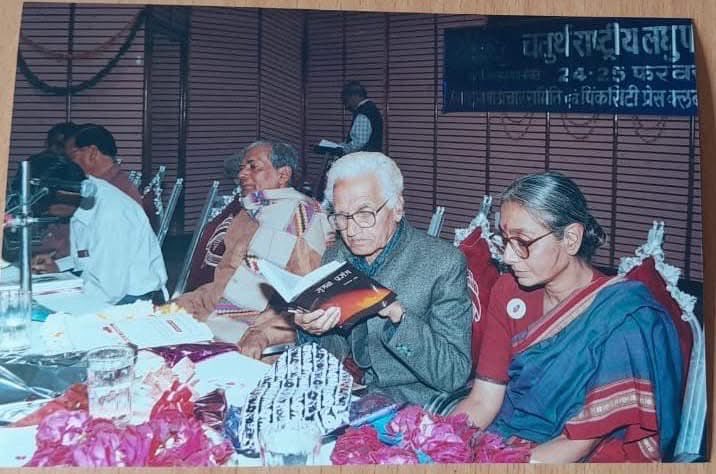
तीन तिलंगे की तर्ज पर तीन तिलचट्टे! आर टी आई कार्यकर्ता अरुणा राय, कवि नंद चतुर्वेदी और कुजात लोहियावादी किशन पटनायक! यह तस्वीर उदयपुर के पास भीम की है!
अगर आप फिल्मों, art, retro Bollywood aesthetics और Indian cinema culture के fan हैं, तो यह exhibition आपके लिए must visit है!
18वें Habitat Film Festival में इंदिरा गांधी राष्ट्रीय कला केंद्र, मीडिया सेंटर द्वारा लगाई गई यह खास प्रदर्शनी आपको ले जाएगी iconic Bollywood posters, vintage ads और rare archival photographs की दुनिया में — जहाँ हर फ्रेम एक कहानी कहता है।
📍 India Habitat Centre, New Delhi
🗓️ 15–24 मई 2026
🎟️ प्रवेश निःशुल्क
#HabitatFilmFestival #HFF2026 #IGNCA #Bollywood #IndianCinema #filmfestival
@kg_suresh@MinOfCultureGoI@Habitat_Centre@AnuragPunetha
🟢 Whether it’s a scraped knee, chapped lips, or just a stubborn dry patch, the green tube that heals everything but a broken heart! Boroline has been the silent healer for generations but during the Swadeshi movement in the 1920s, Boroline was a powerful symbol of Indian self-reliance. Bengali merchant Gour Mohan Dutta created it officially in 1929 through G.D. Pharmaceuticals. On Independence Day 1947, the company distributed over 100,000 free tubes as a celebration of freedom. It quickly became one of India’s first locally made antiseptic creams
The name derives from "Boro" (boric acid) + "oline" (from Latin oleum, meaning oil). Its iconic green packaging with an elephant logo (symbolizing strength and inspired by Ganesha) made it instantly recognizable, even in rural areas, where it was fondly called the haatiwala cream.
During World War II, the company faced a major crisis: a global shortage of the metal used for its signature tubes. Rather than stopping production, they pivoted. For a period during the 1940s, Boroline was sold in round-shaped tin containers. This flexibility allowed the brand to survive when many other colonial-era businesses folded due to supply chain disruptions.
Long before modern brands realized the power of regional marketing, Gour Mohan Dutta made a strategic choice to only run advertisements in the Bengali language. He ignored the English-speaking elite at first, choosing instead to target Bengali festivals like Durga Puja. This built a deep, unbreakable emotional bond with the local population, making it a cultural rite of passage for every Bengali household.
In the 1950s, under the leadership of the founder’s son, Murari Mohan Dutta, Boroline became one of the first Indian brands to use sports and festival sponsorships as a primary growth engine. This is why the green-and-white boards became a permanent fixture at football matches and cricket stadiums across India, long before the era of big-budget TV commercials.
Boroline remains a multi-purpose household staple for dry skin, minor wounds, and everyday skin woes. Marketed as a natural Ayurvedic solution, it’s clinically tested, dermatologically evaluated, and produced in GMP-certified facilities.
Over 95+ years, Boroline has stayed resilient through challenges, holding a strong market share and evoking nostalgia across India specially in Bengali households. It’s more than a cream; it’s a piece of cultural and national pride. Before there were 10-step skincare routines, there was Boroline! 😎
The humanist, realistic films of Gulzar are known for their nuanced storytelling and their sensitive handling of complex human emotions. @hindolheroic curates a thread of some essential works by the poet-filmmaker that you must watch 🩷🎬
A thread 🧵:
🟢 Whether it’s a scraped knee, chapped lips, or just a stubborn dry patch, the green tube that heals everything but a broken heart! Boroline has been the silent healer for generations but during the Swadeshi movement in the 1920s, Boroline was a powerful symbol of Indian self-reliance. Bengali merchant Gour Mohan Dutta created it officially in 1929 through G.D. Pharmaceuticals. On Independence Day 1947, the company distributed over 100,000 free tubes as a celebration of freedom. It quickly became one of India’s first locally made antiseptic creams
The name derives from "Boro" (boric acid) + "oline" (from Latin oleum, meaning oil). Its iconic green packaging with an elephant logo (symbolizing strength and inspired by Ganesha) made it instantly recognizable, even in rural areas, where it was fondly called the haatiwala cream.
During World War II, the company faced a major crisis: a global shortage of the metal used for its signature tubes. Rather than stopping production, they pivoted. For a period during the 1940s, Boroline was sold in round-shaped tin containers. This flexibility allowed the brand to survive when many other colonial-era businesses folded due to supply chain disruptions.
Long before modern brands realized the power of regional marketing, Gour Mohan Dutta made a strategic choice to only run advertisements in the Bengali language. He ignored the English-speaking elite at first, choosing instead to target Bengali festivals like Durga Puja. This built a deep, unbreakable emotional bond with the local population, making it a cultural rite of passage for every Bengali household.
In the 1950s, under the leadership of the founder’s son, Murari Mohan Dutta, Boroline became one of the first Indian brands to use sports and festival sponsorships as a primary growth engine. This is why the green-and-white boards became a permanent fixture at football matches and cricket stadiums across India, long before the era of big-budget TV commercials.
Boroline remains a multi-purpose household staple for dry skin, minor wounds, and everyday skin woes. Marketed as a natural Ayurvedic solution, it’s clinically tested, dermatologically evaluated, and produced in GMP-certified facilities.
Over 95+ years, Boroline has stayed resilient through challenges, holding a strong market share and evoking nostalgia across India specially in Bengali households. It’s more than a cream; it’s a piece of cultural and national pride. Before there were 10-step skincare routines, there was Boroline! 😎