I used to know how to make physically accurate shaders with math. Then Blender introduced the Principled BSDF.
I used to spend hours lighting interiors with hundreds of lights. Then Cycles brought native path tracing to Blender.
People assume AI is different and that it will magically automate "everything else". But there's no correct answer to actual creativity. Ask 100 artists to design a vehicle for a fictional planet and you'll get 100 wildly different results. How can you possibly train for the correct answer, when there is none?
3D artists have long careers ahead of them as 3D offers drastically more control than text. Some skills will become less valuable under certain AI workflows. I'm not thrilled about losing a skill I spent time learning any more than you are, but this isn't new.
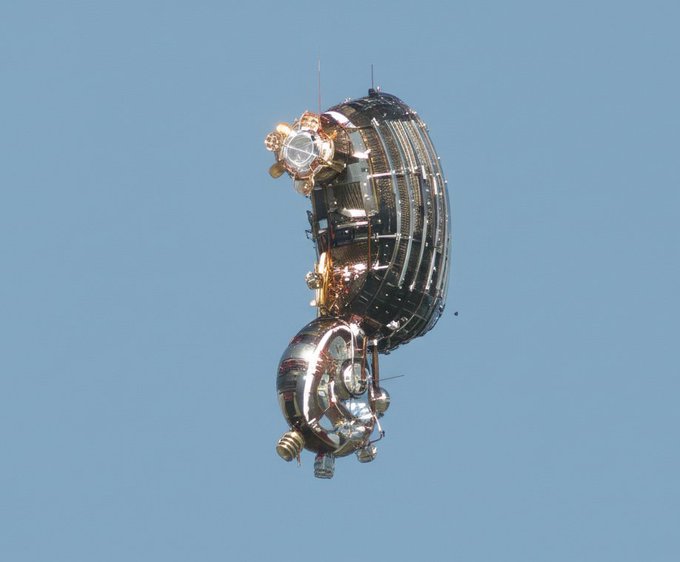
Photo of Unidentified Object taken in Acapulco, Guerrero, Mexico.🧐🤔
Skywatcher María De La Rosa took this extraordinary photograph of a strange object that defies everything we know about flying saucers.
Thank you María De La Rosa😃👍
The SILENT WITNESS ON YOUR COMPUTER WAITING FOR YOU TO GET INTO TROUBLE.
Most people believe that deleting a folder, clearing recent files, or wiping their history is enough to hide their tracks on a computer. What they don’t realize is that Windows quietly keeps a hidden record of the folders they open, even after those folders are deleted or the drive is removed. These records are called Shellbags, and they are one of the most powerful and incriminating artifacts available to forensic investigators.
Shellbags appear inside two registry hives NTUSER.DAT and USRCLASS.DAT and they store detailed information about a user’s folder-browsing activity. This includes local folders, USB drives, external hard drives, network shares, and even directories that no longer exist. Each time a user opens a folder in Windows Explorer, the system automatically creates or updates a Shellbag entry. These entries contain timestamps, folder paths, the hierarchy of subfolders, the order in which a folder was accessed, and even the specific view settings used by the user. Because of this, Shellbags reconstruct a user’s exact navigation trail long after the person believes the evidence is gone. What makes Shellbags truly dangerous is the fact that they survive actions that users typically rely on to cover their tracks.
Deleting a folder does not delete the Shellbag. Formatting a drive does not delete it. Even privacy tools and cleaners like CCleaner or BleachBit cannot reliably erase Shellbag data, because the information is deeply embedded within registry hives that standard cleaning utilities do not touch. The only way to remove Shellbags is through advanced forensic wiping, and attempting such wiping is, in itself, a sign of suspicious behavior.
Forensic examiners rely heavily on Shellbags because they expose the truth even when a suspect tries to lie.
If a person denies ever accessing a directory, the Shellbags can show when that folder was opened, how many times it was accessed, and whether it was located on an internal drive, an external USB, or a deleted partition. This makes Shellbags extremely valuable in investigations involving insider threats, data theft, fraud, child exploitation, unauthorized data access, and corporate disputes. In many cases, Shellbags become the deciding factor that disproves a suspect’s story. In the screenshot, the highlighted red section shows three important keys inside the registry.
When all of this information is combined, Shellbags become a silent witness that never forgets. They reconstruct a hidden story of user activity that the person cannot deny, overwrite, or talk their way out of. This is why Shellbags remain one of the most feared artifacts for anyone attempting to conceal their actions on a Windows computer. You can delete the folder… but Shellbags still show it existed
Even if you format a drive or delete the directory, Windows has already logged:
1. The folder name
2. Its full path
3. When it was opened
4. How many times it was opened
5. The view settings (icon mode, window size)
6. The order in which folders were browsed
This means forensic investigators can prove someone accessed:
“Secret” directories
Hidden folder structures
USB drives or removable media
Folder paths used for storage of illicit or suspicious
Folder paths used for storage of illicit or suspicious data even if the folders are long gone.
¿Por qué millones de mexicanos no saben esto? ¿Por qué millones no lo comparten? ¿Por qué millones lo ignoran? ¿Por qué millones no le dan una oportunidad a esta información? ¿Por qué millones seguirán y siguen sus vidas como si nada?
Me lo preguntaré por milenios..
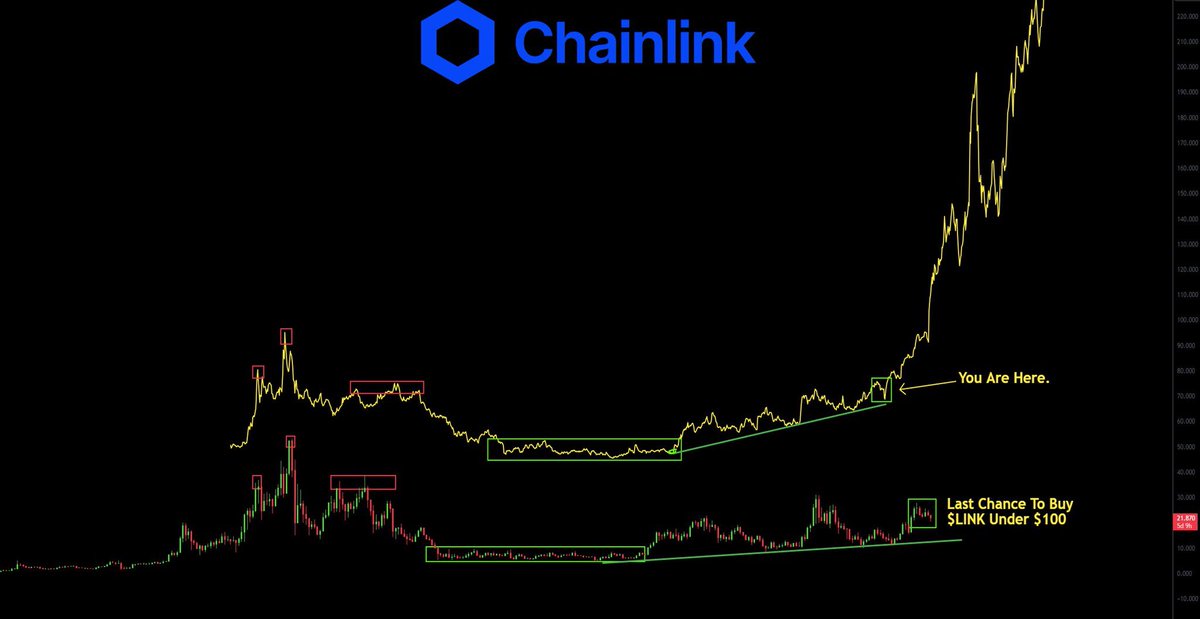
I'M OFFICIALLY A $LINK MILLIONAIRE ! 🙏
As I promised, I want to change someone’s life—giving away 10000 $LINK (~$167,000) to one lucky winner by tomorrow!
Like, RT, follow @nas49001254 and comment 'DONE' to enter.
Winner announced in 48h! 🚀
@ChainlinkThomas@redstone_defi Haha, I know you were paid for your nonsense. Constantly spreading negativity like it’s your job — oh wait, maybe it actually is.
@nullpackets@ChainLinkGod@papiofficial@redstone_defi Finally, a stop to these useless people who do nothing but fill my feed with garbage. Ignorant individuals, lacking vision and with corrupted principles. The lack of intelligence among their executives shows a culture that disgusts me. It’s clear this is a project going nowhere.
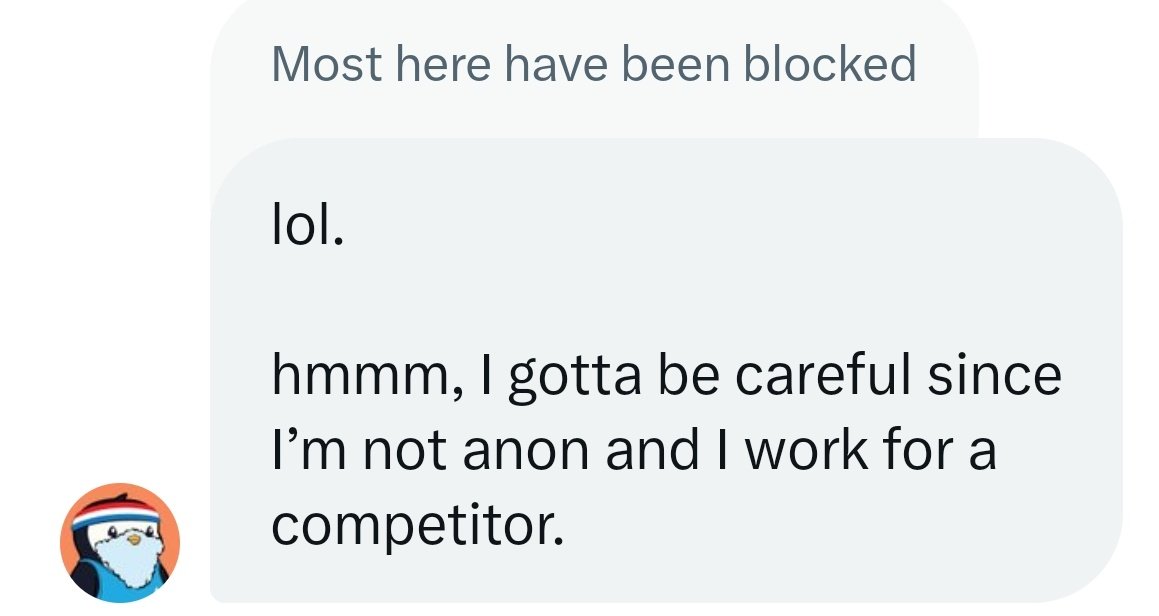
Hey @MarcinRedStone, if you're wondering why the @redstone_defi account struggles to get more than 100 likes per tweet, it's because your Chief Marketing Officer @papiofficial spends his time orchestrating doxxing campaigns on community members of competitors instead of working on your strategic marketing plan.
These screenshots were shared to me by a double agent within the FUD cult.
Meet @papiofficial, the Redstone CMO:
This is crazy.
C-suite exec for Redstone actively trying to doxx a LINK community member alongside coordinating a FUD group in order to try and do harm to a “rival” Chainlink.
Deranged behaviour. Eject this person from the industry immediately.