Meta will *not* release the multimodal versions of its AI products and models in the EU because of an unpredictable regulatory environment.
This means that EU users of Ray-Ban Meta won't be able to use the image understanding features.
It also means that the EU industry will not have access to future multimodal versions of Llama-3.
https://t.co/sRWyEKyV3D
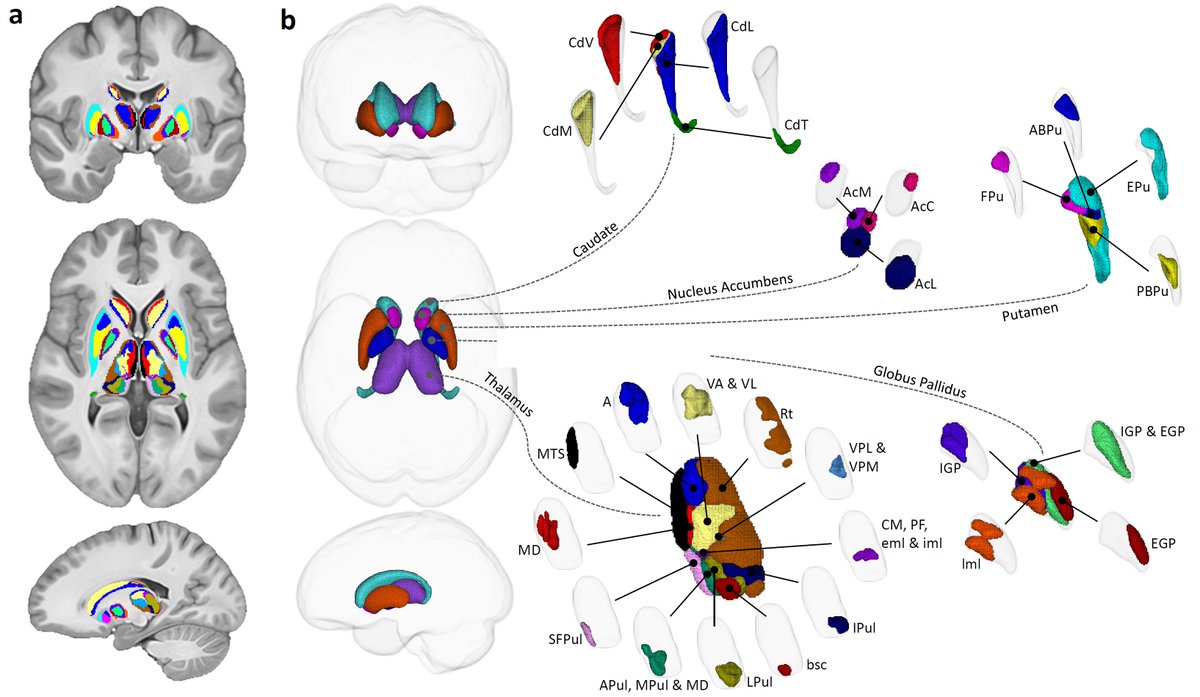
Sydney Subcortical Gray Matter (SydSGM) #parcellation: data driven (T1, T2 and diffusion MRI) in vivo parcellation of human subcortex. Preprint: https://t.co/oIdeBvN3G3
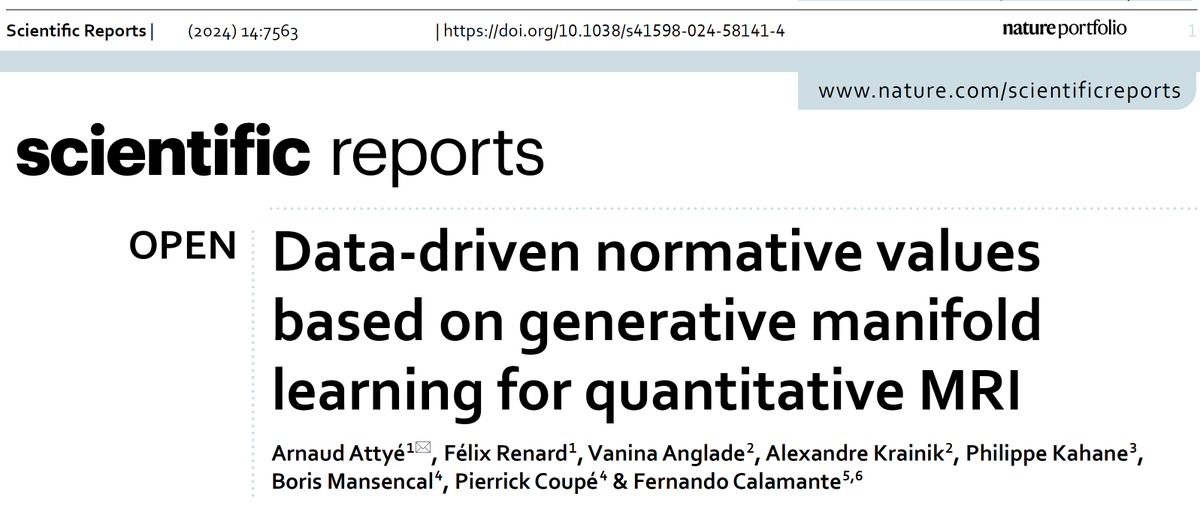
GeoNorm: normative modelling for quantitative MRI without requiring age as co-variable (https://t.co/18tG4bB8Cd). It uses generative manifold learning to define a set of ‘digital twins’ for a personalised normative range.
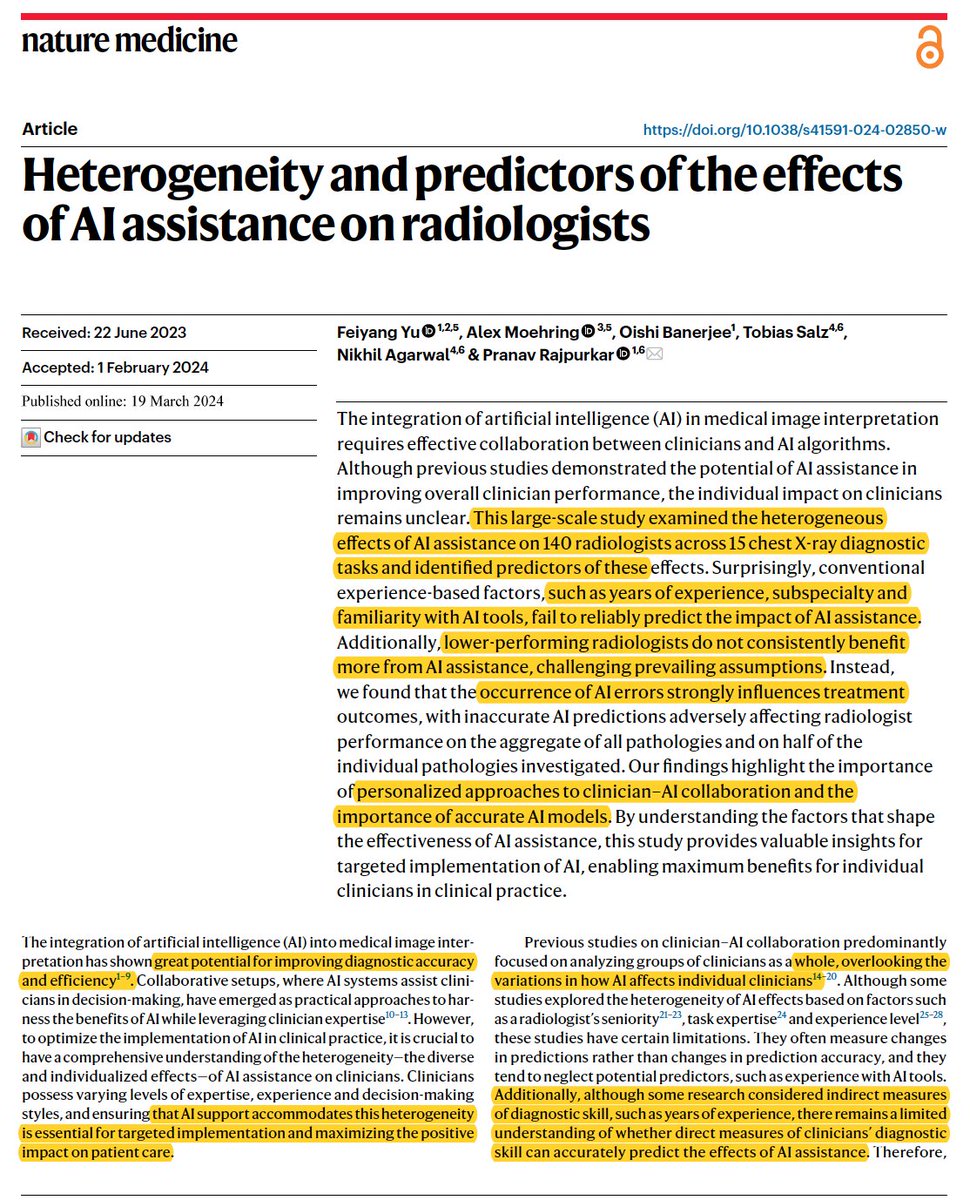
When #AI support was provided to 140 radiologists, there was marked variability and unpredictability as to its impact on performance
https://t.co/YGXUcagIWi @NatureMedicine@pranavrajpurkar@feiyangkathyyu
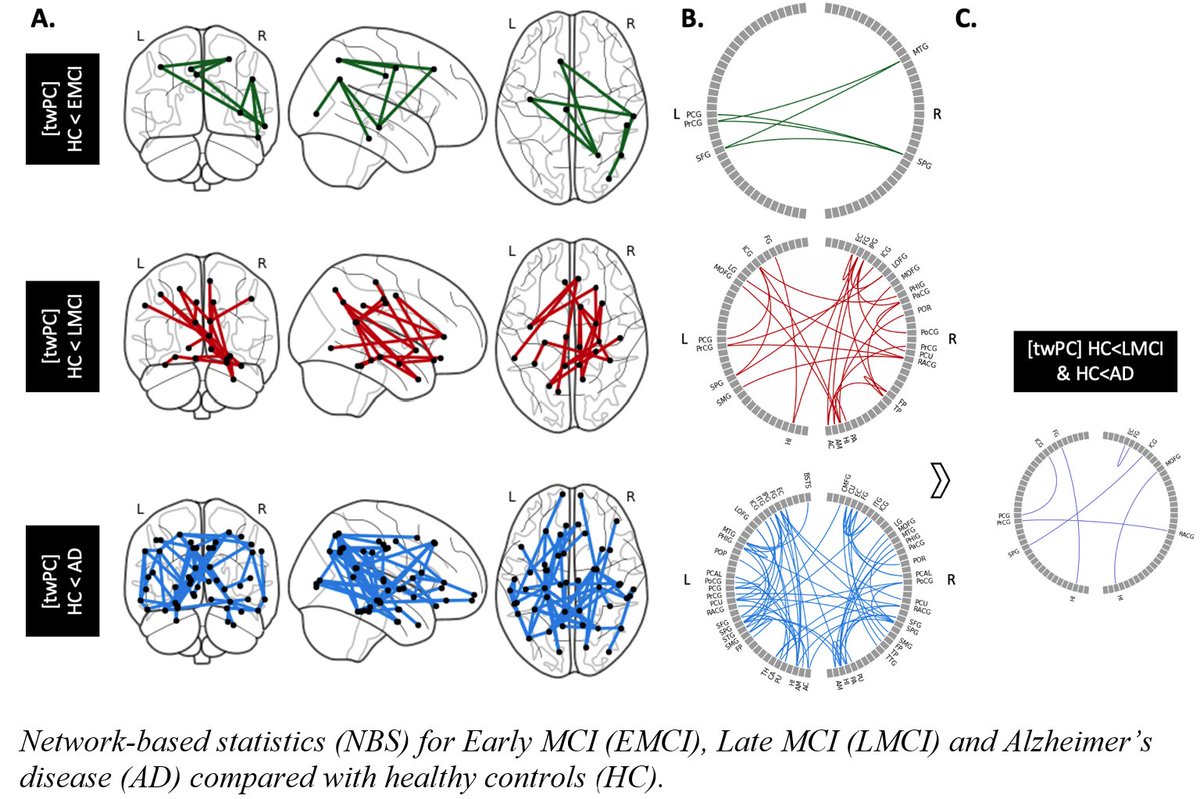
Track-weighted PET connectome: a method to combine PET and MRI fibre-tracking to define a patient-specific PET connectome (https://t.co/jFE8gcoPqs). We applied it to ADNI dementia data. Work from PhD thesis of Zhuopin (Pin) Sun, +collaboration with @StevenRMeikle & @Prof_Naismith
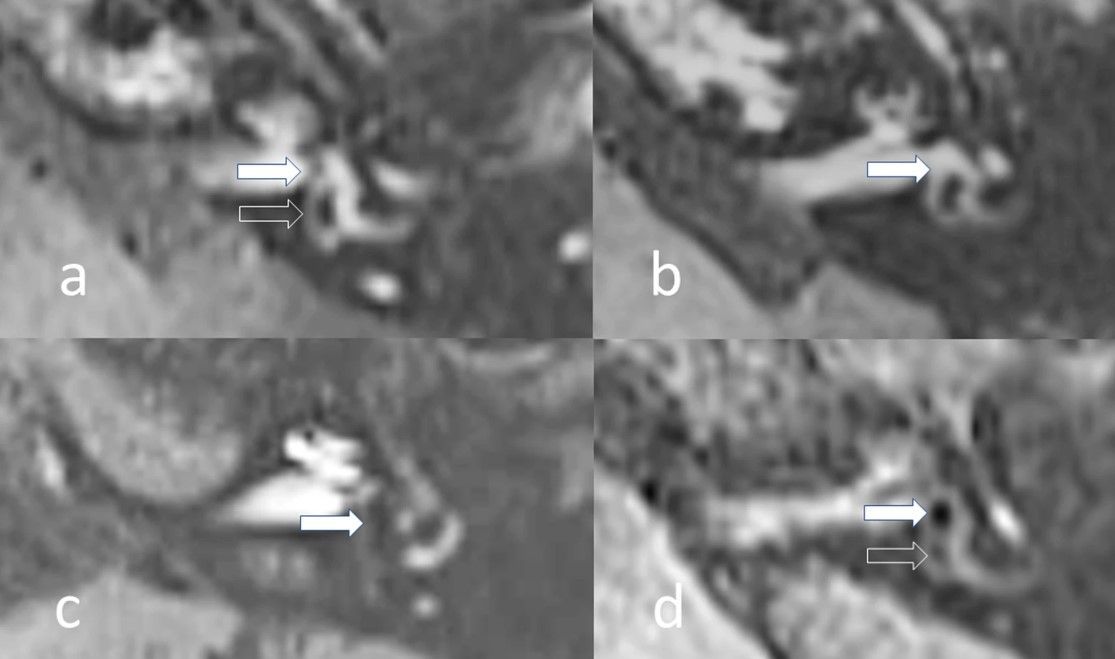
In this study, Steve Connor et al. evaluate the diagnostic performance and reliability of #MRI descriptors used for the detection of Ménière’s disease (MD), finding absent enlarged or confluent saccules are the best predictors of MD.
#EuropeanRadiology
🔗https://t.co/EWZVlkTjEE
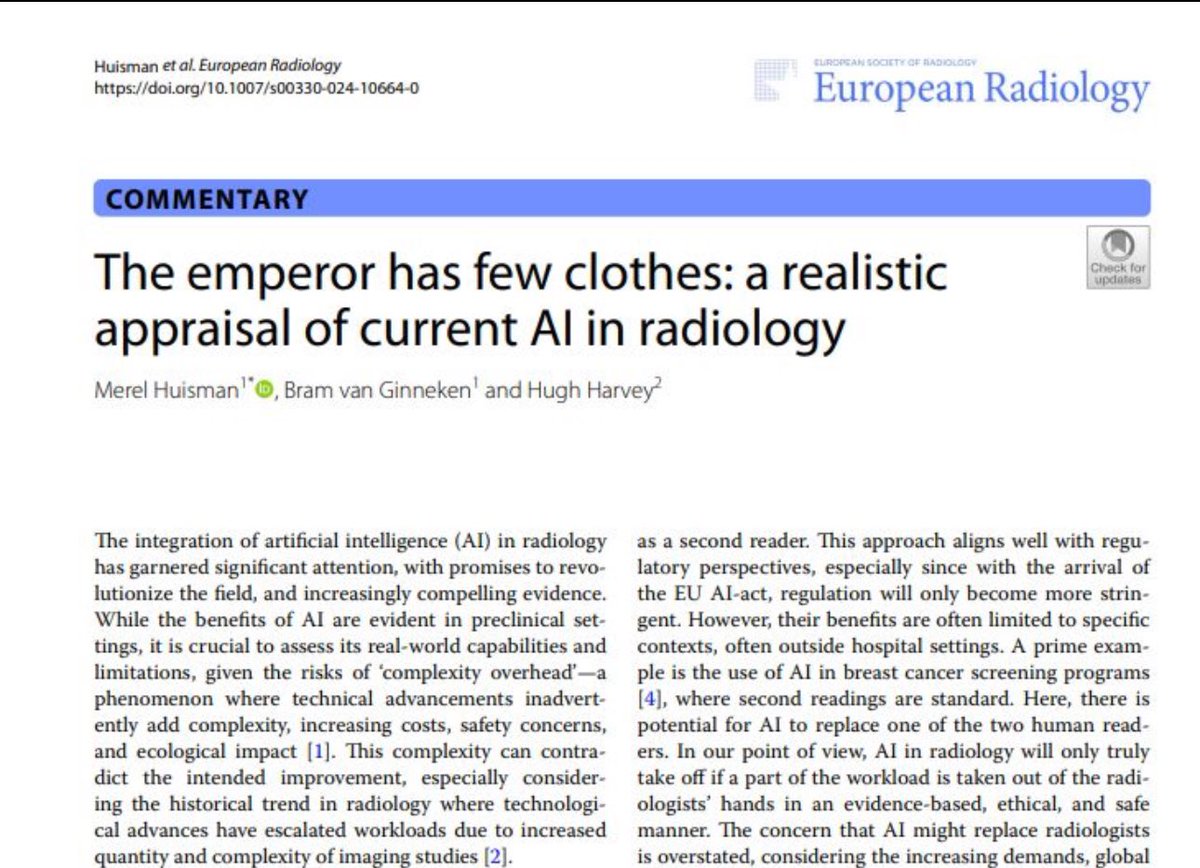
Yup, we’ve said it….current #AI does not significantly improve today’s radiology.
Keep the bigger picture in mind; healthcare accessibility for all.
@EurRadiology open-acces preview 👉 https://t.co/BjbxQCythi
@DrHughHarvey #radiology#AI
@macromik Complètement, le DL est une super techno pour l’optimisation de séquences ou la segmentation auto mais je ne crois absolument pas à son utilisation pour ce qui impacte vraiment la santé: le diagnostic des maladies (pas des signes radio) et les choix de parcours thérapeutique