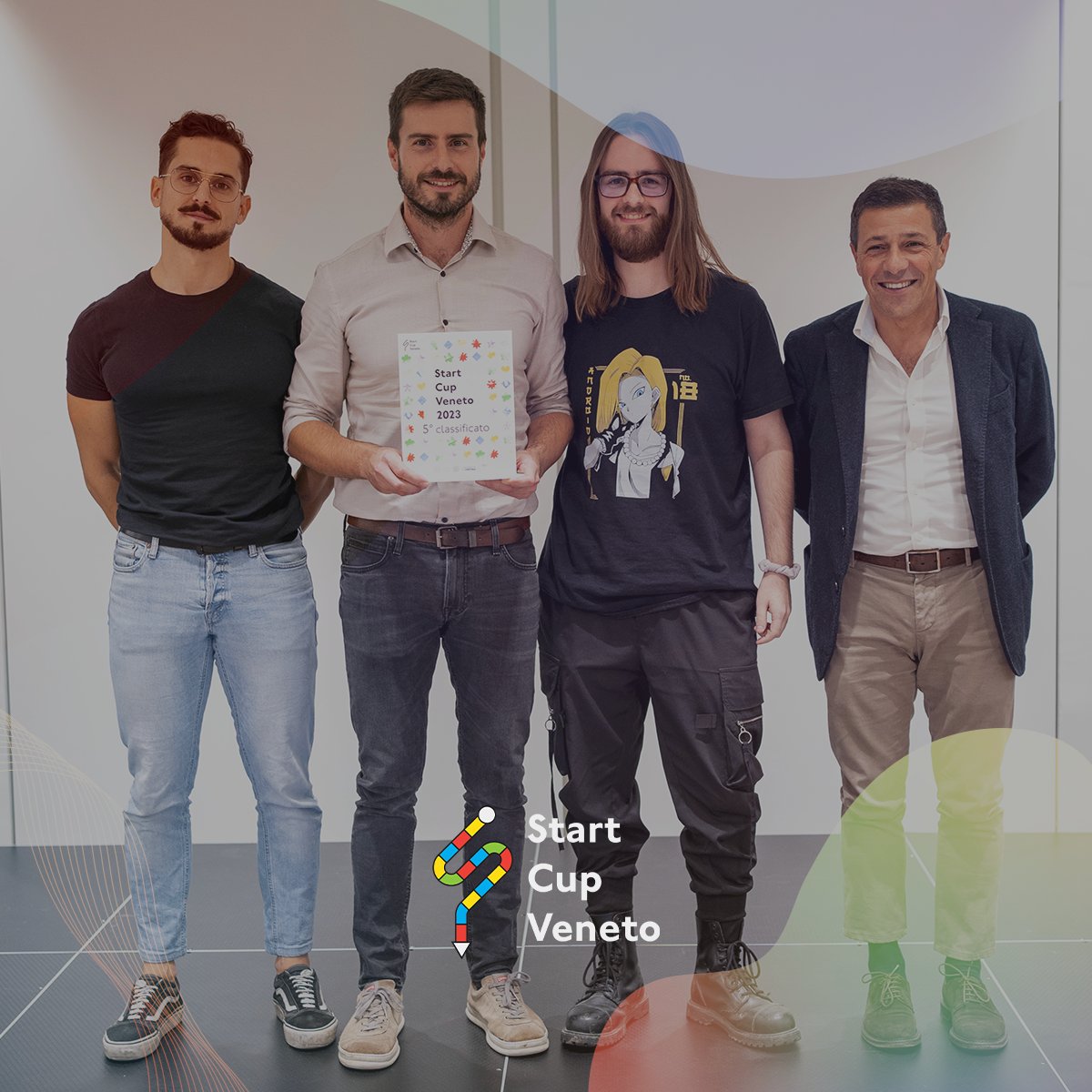
Excited to announce the launch of @DICEtech_it , a new spin-off from the University of Verona! Proud to be co-founding this venture with @ADaducci, @nightwnvol, Pietro, and @ThINk_Basel. Stay tuned for more updates!
https://t.co/4wMUzm0edW
There's a physicist at Stanford named Safi Bahcall who modeled this exact principle and the math is wild.
He calls it "phase transitions in human networks." When you're stationary, your probability of a lucky event is limited to your existing surface area: the people you already know, the places you already go, the ideas you've already been exposed to. Your opportunity window is fixed.
When you move, your collision rate with new nodes in a network increases nonlinearly. Double your movement (new conversations, new cities, new projects) and your probability of a serendipitous encounter doesn't double. It roughly quadruples. Because each new node connects you to their entire network, not just to them.
Richard Wiseman ran a 10-year study at the University of Hertfordshire tracking self-described "lucky" and "unlucky" people. The single biggest differentiator wasn't IQ, education, or family money. Lucky people scored significantly higher on one trait: openness to experience. They talked to strangers more, varied their routines more, and said yes to invitations at nearly twice the rate.
The "unlucky" group followed the same routes, ate at the same restaurants, and talked to the same 5 people. Their networks were closed loops. No new inputs, no new collisions.
Luck isn't random. Luck is surface area. And surface area is a function of movement.
The lobster emoji is doing more work than most people realize. Lobsters grow by shedding their shell when it gets too tight. The growth requires a period of total vulnerability. No protection, no armor, soft body exposed to the ocean.
That's the cost of movement nobody posts about. You have to be uncomfortable first. The new shell only hardens after you've already moved.
#LERCIOSTORY Putin: “Avrei abbandonato l’invasione molto prima, ma le analisi di Orsini mi hanno dato coraggio” - LEGGI L'ARTICOLO di @ilSesta
https://t.co/YLMxA61zw3
@GiulioAnak2112 Ciao Giulio, purtroppo quello della connettività strutturale è un campo ancora molto relegato all’ambito di ricerca. Ma si stanno facendo progressi per portarlo in clinica :)
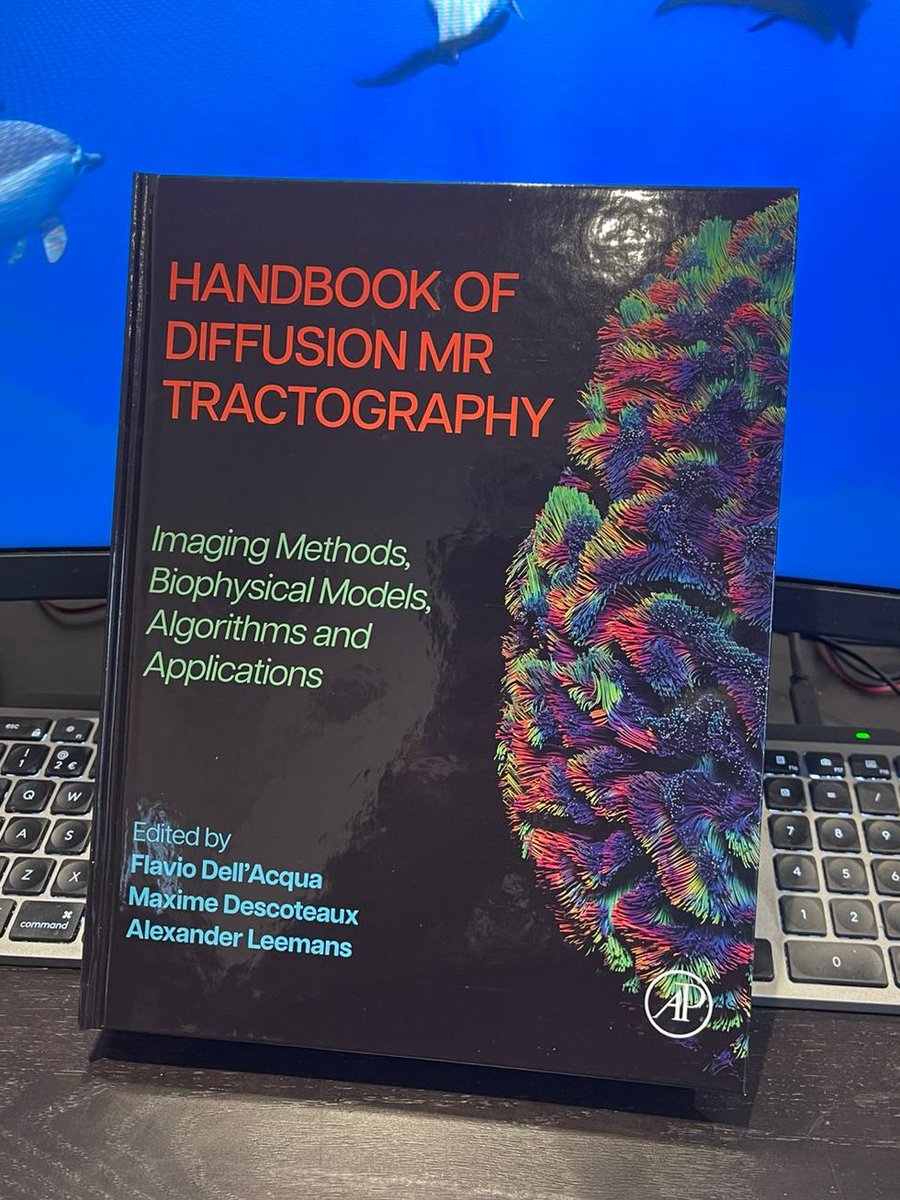
P.S. quella della copertina dei Muse è una trattografia (calcolata a partire da mappe DTI)
🌐Excited for the next #TractAnatClub Webinar!🌐
Join us on Nov 21, 9:00 AM ET, as Prof. Pamela Guevara explores short association fibers and cortical connectivity insights. Don’t miss it!
Register for free via @tractography
https://t.co/RP5BzmaVu7🧠#Tractography
The International Society for Tractography has grown to over 400 members in just 4 months! 🌍🧠 Researchers, clinicians & industry leaders are uniting to revolutionize brain mapping & neuroanatomy. Join the movement today for free!
🚀👉 https://t.co/RP5BzmaVu7 #tractography
Officially announcing the launch of the International Society for Tractography (IST)!
The goal is to make fundamental advances in the field of #tractography coming from an interactive and diverse community willing to share knowledge.
Free memberships! https://t.co/KmdYQOt05g
E infine, ecco i quinti classificati di questa edizione di Start Cup Veneto: DICE TECH, per la categoria Life Science, che propone analisi e consulenza avanzate di dati di risonanza magnetica e integrazione del framework AMICO in scanner clinici.
#scv23#StartCup#StartCupVeneto
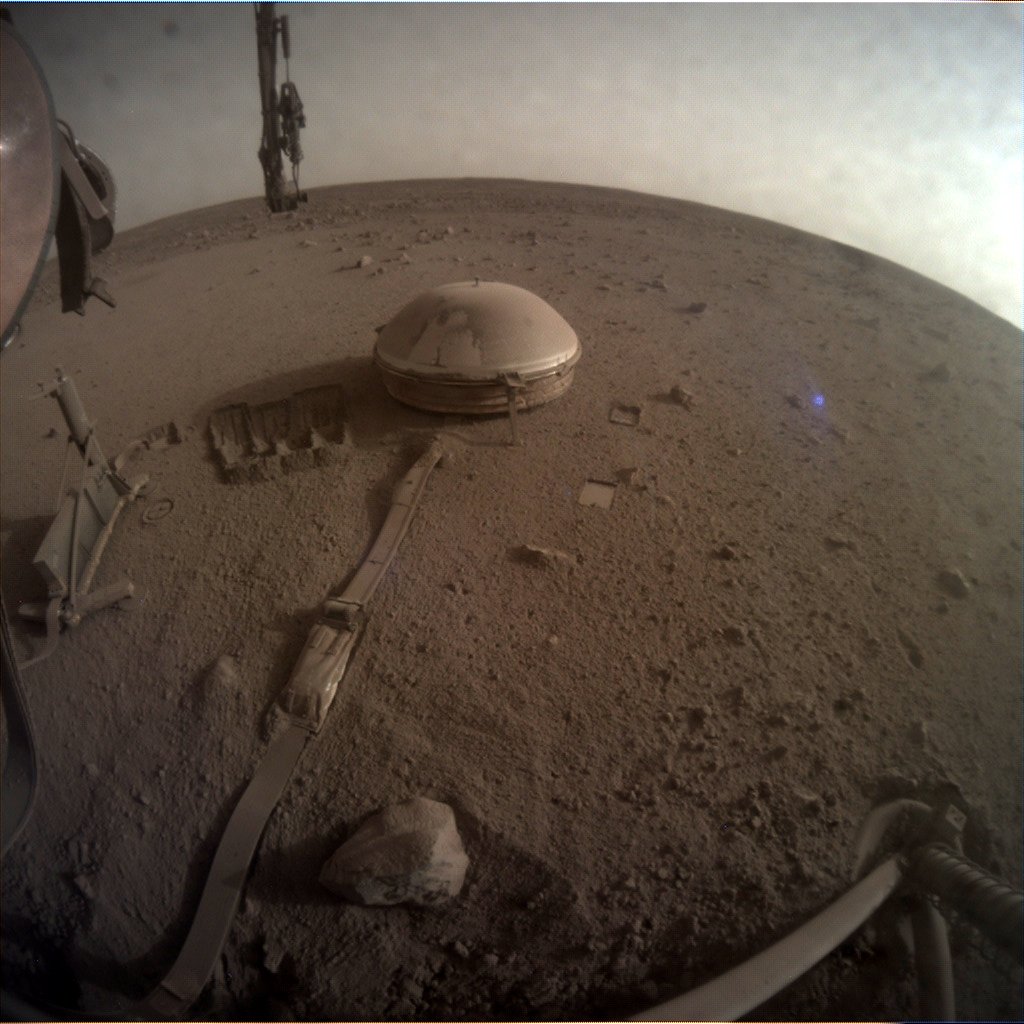
My power’s really low, so this may be the last image I can send. Don’t worry about me though: my time here has been both productive and serene. If I can keep talking to my mission team, I will – but I’ll be signing off here soon. Thanks for staying with me.