Research Assistant Professor - KIN | University of Waterloo. Vascular physiology, physical activity, brain health, and a little baseball. Views are my own.
You can now have access to both sides of our dCA debate in @_JCBFM :
Point/counterpoint: We should/should not take the direction of blood pressure change into consideration for dCA quantification
Point: https://t.co/Ky7QPLEIkv
Counterpoint: https://t.co/NYWYlT6LUD
Just watched a very informative webinar on the @AlzCanada#LandmarkStudy. The individual and societal impacts of dementia are growing. No magic cure but there are ways to reduce the risk🚶🧑🎓❤️🩹🚭💊🛌🌳. Amazing work by @josherArmstrong and team.
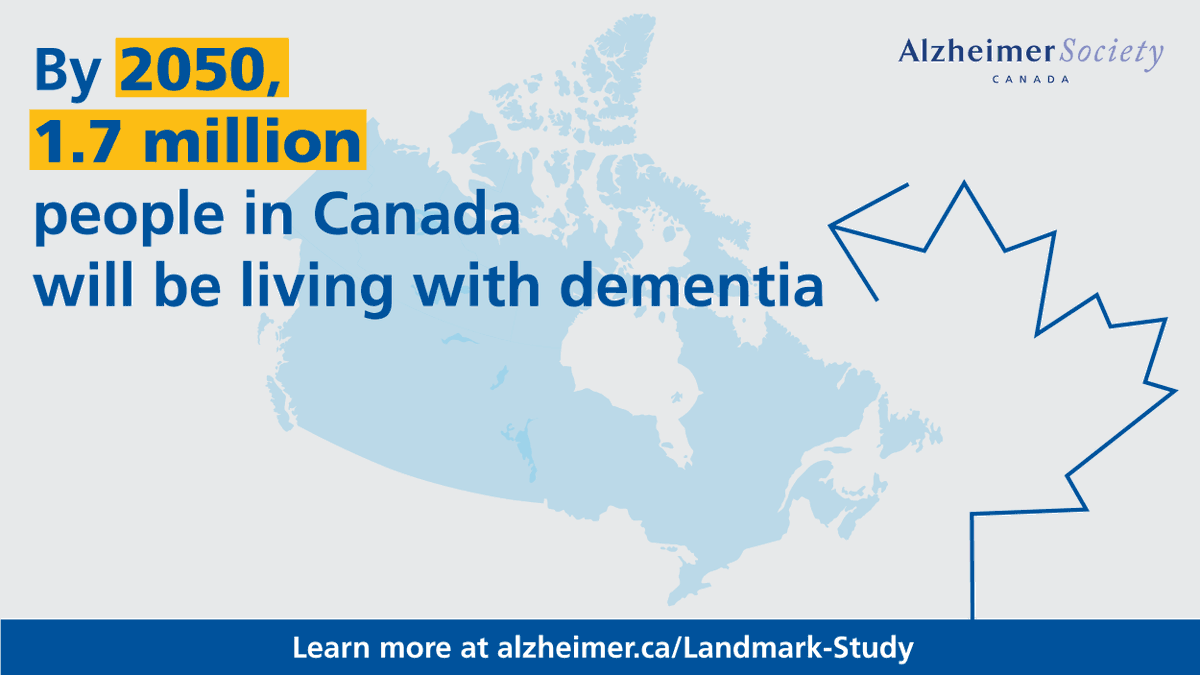
Our new #LandmarkStudy: ‘Navigating a Path Forward for Dementia in Canada’, projects that by 2050, 1.7 million people living in Canada will be living with #dementia – almost 3x the number today.
We can change this future. Find out more: https://t.co/Mh2n30BeK9
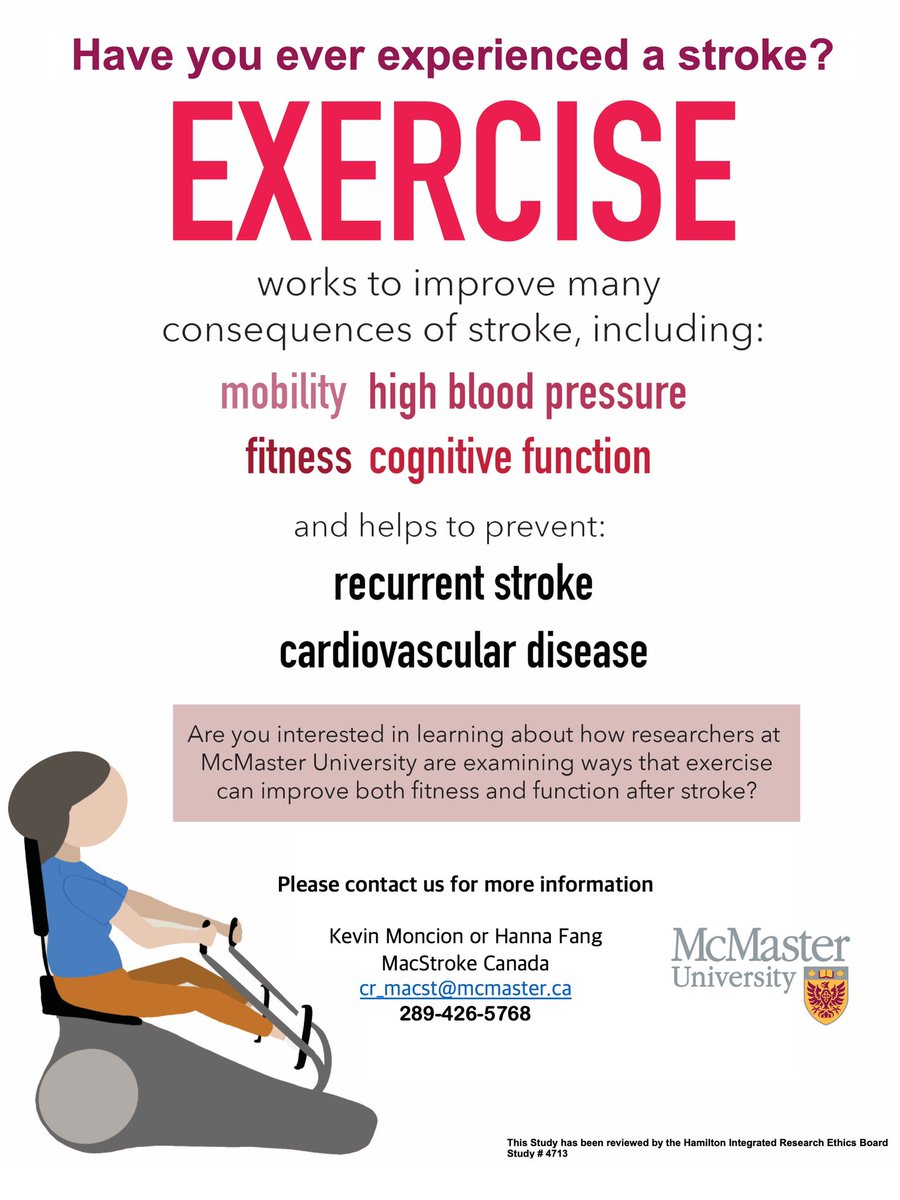
We are conducting a research study looking at #heart health and high-intensity exercise.
We’re looking for individuals who have had a #stroke to participate in our study!
Interested in participating? Want to learn more? Have any questions? Contact us below👇
The Ontario Exercise Physiology 2022 meeting will be held in-person on July 27-29. Students present their research or proposals while faculty and student peers provide feedback.
Hosted by the University of Waterloo. Abstract deadline is June 10th.
https://t.co/ZS9s6cMtRw
New poster! We are still in need of long COVID patients and ME/CFS patients for a study at York University. Alternatively, if you are a clinician who would like to get involved, please let me know!
The time window for augmented outcomes in mobility related to exercise training for people post stroke may span longer than previously thought. Thanks to co-investigators Dr. Walter Swardfager, Che-Yuan Wu and others. @Sunnybrook@uoftmedicine @KITE_UHN
✅ it out!! Our high intensity interval exercise study in healthy young adults measuring the MCAv response and exploring sex difference is in press 🧠@Sandy_REACHLab@s_e_aaron @evidoni5 @Carkauf23 https://t.co/Av66iruIjE
Time for a #factcheck on cerebral autoregulation.
1/10
"Cerebral autoregulation is the mechanism that keeps cerebral blood flow (CBF) stable across a wide range of perfusion pressure".
WRONG. But widespread... This is only true for very slow changes in blood pressure (BP).
I am looking for a Postdoctoral Fellow, who can start later this Fall at York University, to work on a project involving cardiorespiratory responses to a training protocol in ME/CFS and COVID long-haulers. If interested please contact me at [email protected]