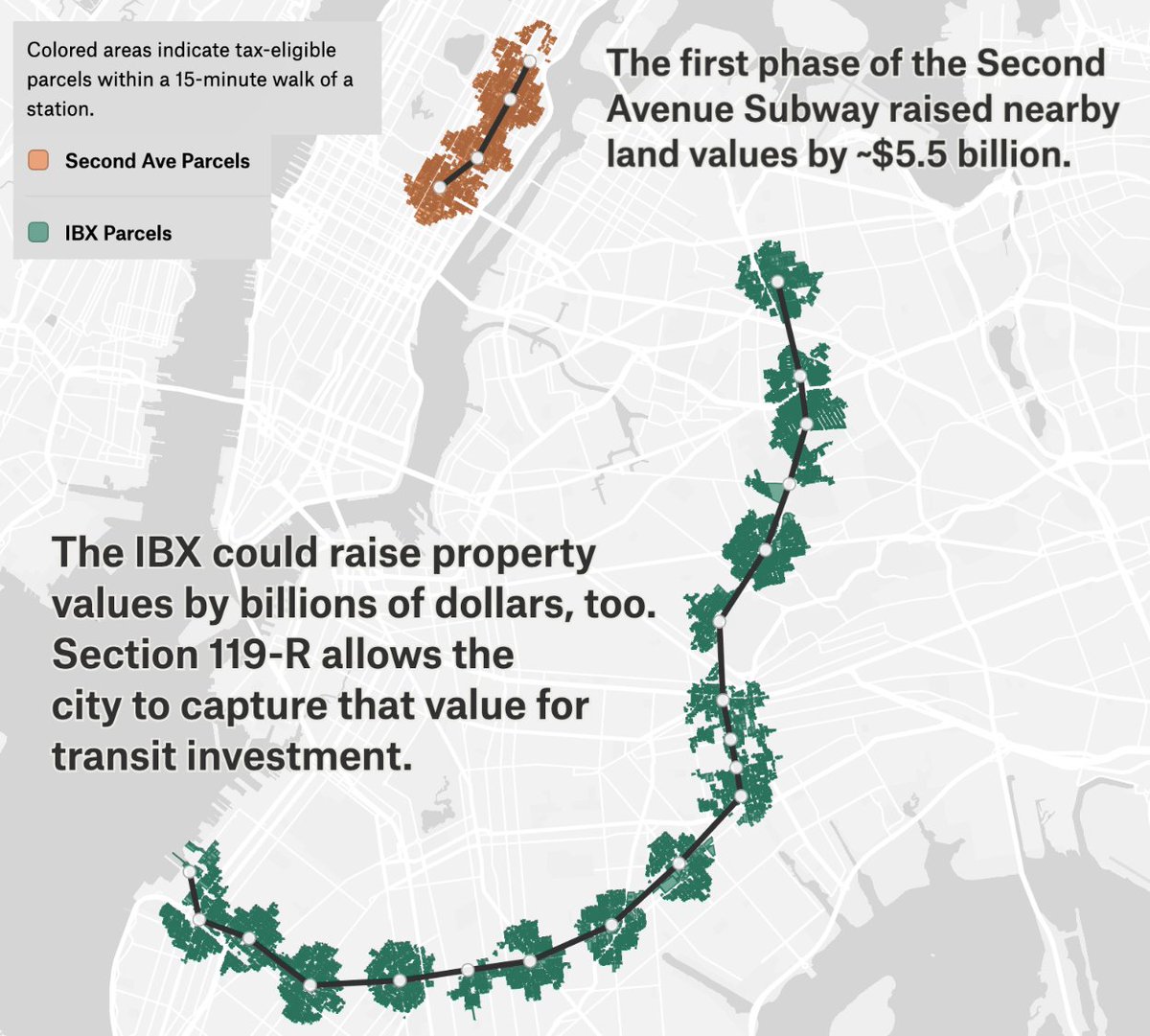
New York State just authorized a land value tax that could generate billions of dollars for new transit.
For the @NiskanenCenter, @aarmlovi and I wrote about how the renewal of § 119-r in the FY27 budget could unlock a virtuous cycle of infrastructure delivery in NYC.
Holy shit: two of the idiotic building code regulations that have bedeviled NYC for decades— mandatory metal piping and too-larger elevators— are marked for reform! I can’t believe this might actually happen!
Total speculation, but I bet with the right prompt/loop, the previous version of models would show similar performance. The four minute mile analogy is the right one, now that folks know it can be done, they will be able to do it elsewhere.
over the weekend i checked the obvious thing, which is whether mythos is able to solve the erdos unit distance problem, aka erdos problem #90. the answer is: yea
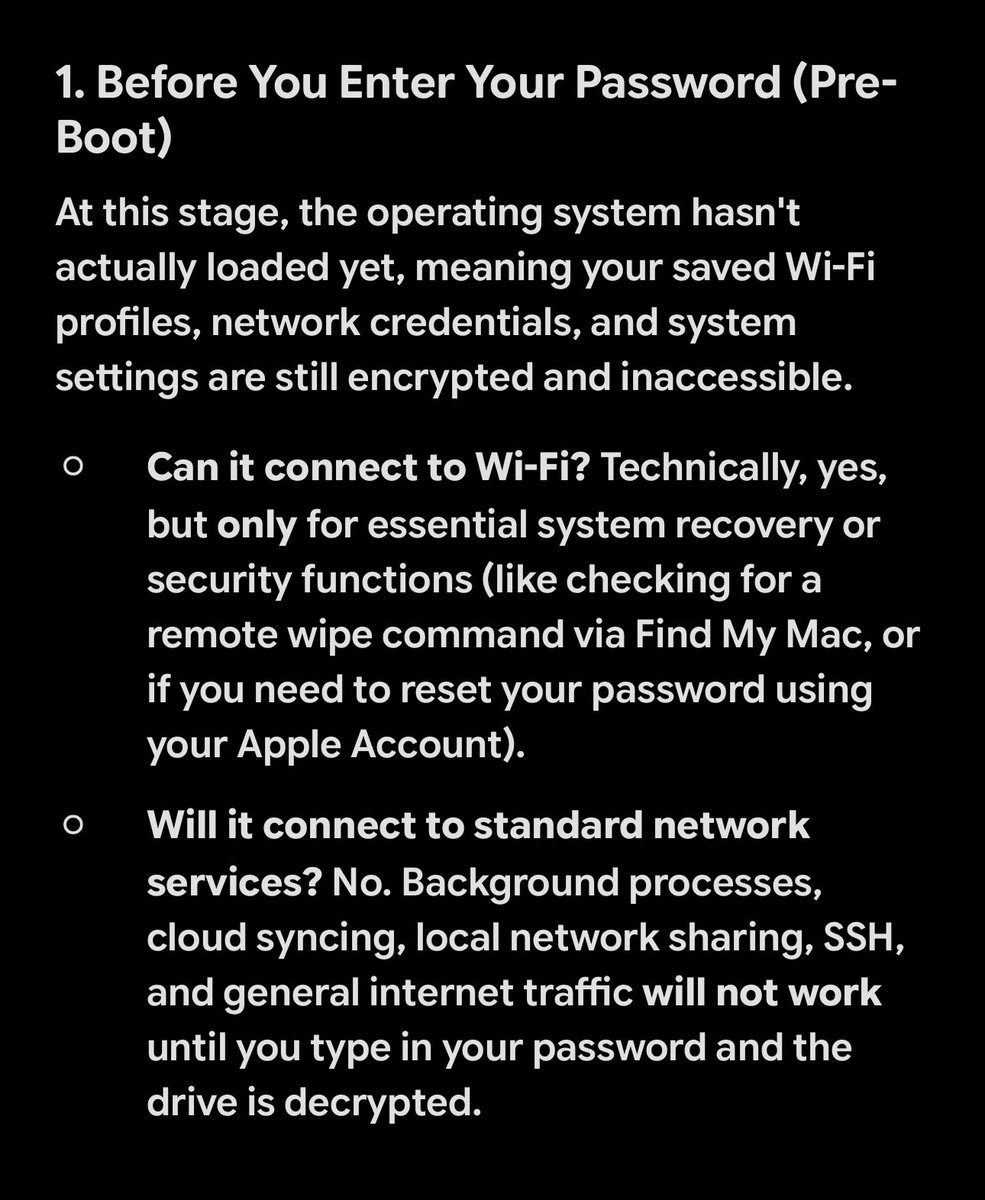
@HammerToe@0x45o I mean it’s possible my Mac doesn’t have it enabled? But that’s shock me as it’s the first thing I do.
I don’t have time to reboot, but will check when I do.
I DO know it connects to WiFi on hard reboot
@VincentJCurtis1@ChrisGloninger Bro you may want to take a look at the people who are funding you. If you think this is bad, wait until you see what the fossil fuel people have done
I regret that comment, which was less polite than I aim to be on here. Let me try to write something a bit more substantial.
I don't think "discover all math that can possibly be discovered" is really coherent. Even if one conceptualizes mathematics as "answering well-posed open problems," historically resolutions to such have tended to raise more questions--I would argue that there are now more interesting open questions than there have been at any time in the past, despite (in fact because of!) the fact that there are more mathematicians than ever, resolving more problems than ever.
At any fixed capability level I think it is likely we will see lots of problems remain open, including many basic open problems we know about at present. It's much easier to pose an interesting question than to answer one; it seems to me that the difficulty of interesting questions we can generate is basically unbounded.
But also mathematics consists of much more than this--less verifiable tasks include things like "understand such-and-such an object," or "find a cool phenomenon," or "develop a theory," though such tasks are often benchmarked by their impact on problem-solving. I think AI will eventually (perhaps soon) be able to do these kinds of things but the idea that it will exhaust the supply of math, or that we won't want to develop human capital to understand some portion of what is discovered, seems to rely on an understanding of math and our motivations for working on it that is, at least, alien to me.
In March, wind and solar reached a new all-time high share in Texas of 45.6%
March 2006: 1.9%
March 2016: 17.5%
March 2026: 45.6% 🏆
Gas (37.9%) recorded its lowest share since April 2022
Coal fell to the second lowest monthly share ever recorded (8.9%)
The urban core generates almost all of a typical U.S. city's tax revenue but most of it goes to fund roads, sewer lines, power lines et al in suburbs.
If suburbs paid for themselves, rather than leaching off the city, I think a lot more people would be live and let live on this.