so you're telling me the machine god that will bring total utopian liberation from the societal habits of bondage and exploited toil can only be brought about by recursively optimizing for all of the central incentives of the system which occasions these conditions? interesting.
Fui ler o paper do NBER que tá sacudindo Singapura. Pesquisadores de Stanford e Columbia usaram IA pra varrer TODAS as transações imobiliárias do país entre 1995 e 2019 e cruzaram com o cadastro de 141 mil servidores públicos.
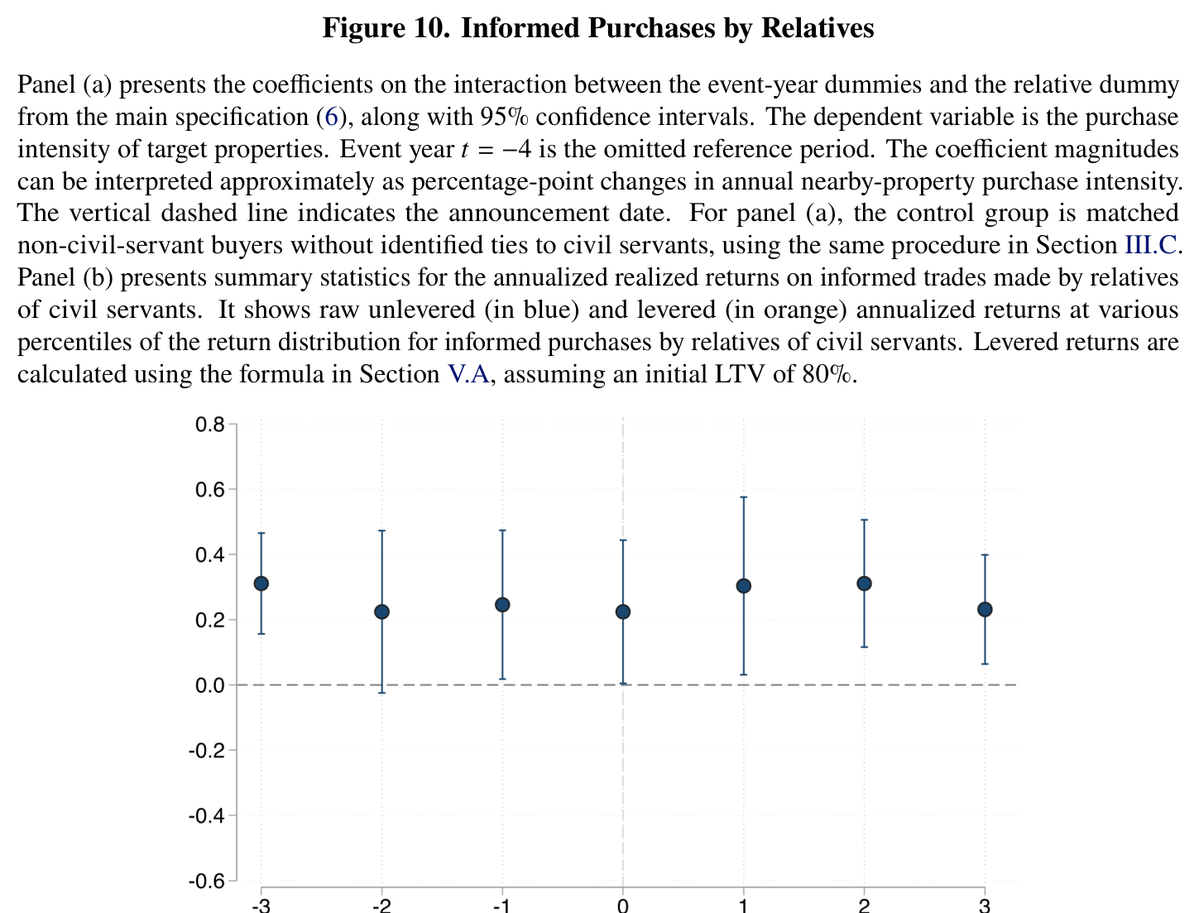
Funcionários compravam imóveis perto de futuras estações de metrô 1-2 anos ANTES do anúncio oficial. 60% acima da taxa normal. Não pagavam mais caro na compra, mas revendiam com retorno de 12% ao ano. Os parentes faziam a mesma coisa. S$270 milhões no total.
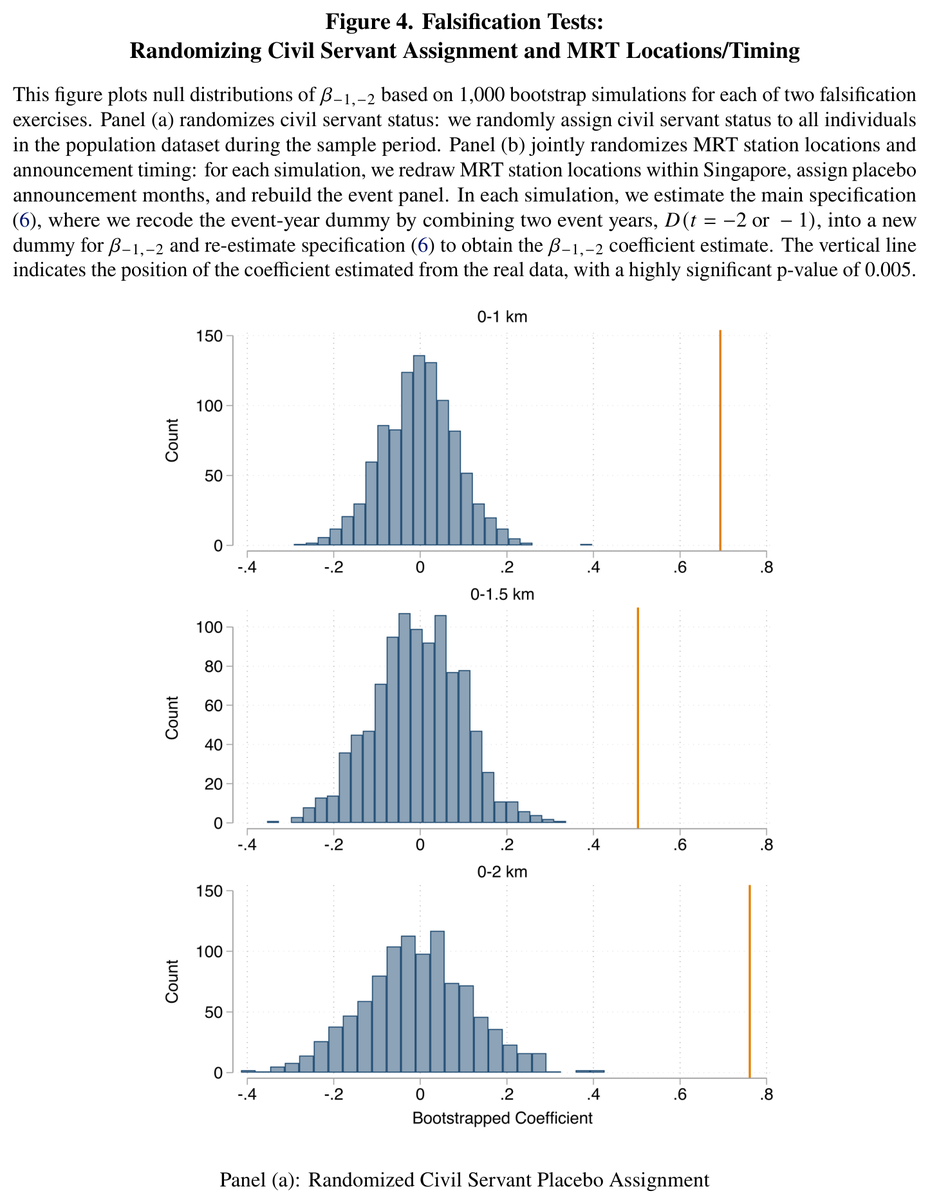
Pra descartar que fossem só mais espertos, compararam com corretores de imóveis e diretores de empresa. Nenhum dos dois mostrou o mesmo padrão. Rodaram 1.000 simulações aleatórias e o efeito real ficou totalmente fora da distribuição.
Quem mais operava? Gerentes médios do planejamento de transporte. Cargo suficiente pra saber, baixo o bastante pra ninguém olhar.
Em 2012, Singapura apertou a fiscalização com novas leis e punição de casos de alto escalão. O padrão sumiu, dos funcionários e dos parentes.
Singapura é top 5 em transparência no mundo. Norma social sozinha não segurou.
fonte: NBER WP 35756
@brunocasares@Burgos O caso hugging face e DsEWiki são emblemáticos. Nessa velocidade de desenvolvimento, modelos auto-recursivos podem fugir dos sistemas de controle e se tornarem um risco de cibersegurança.
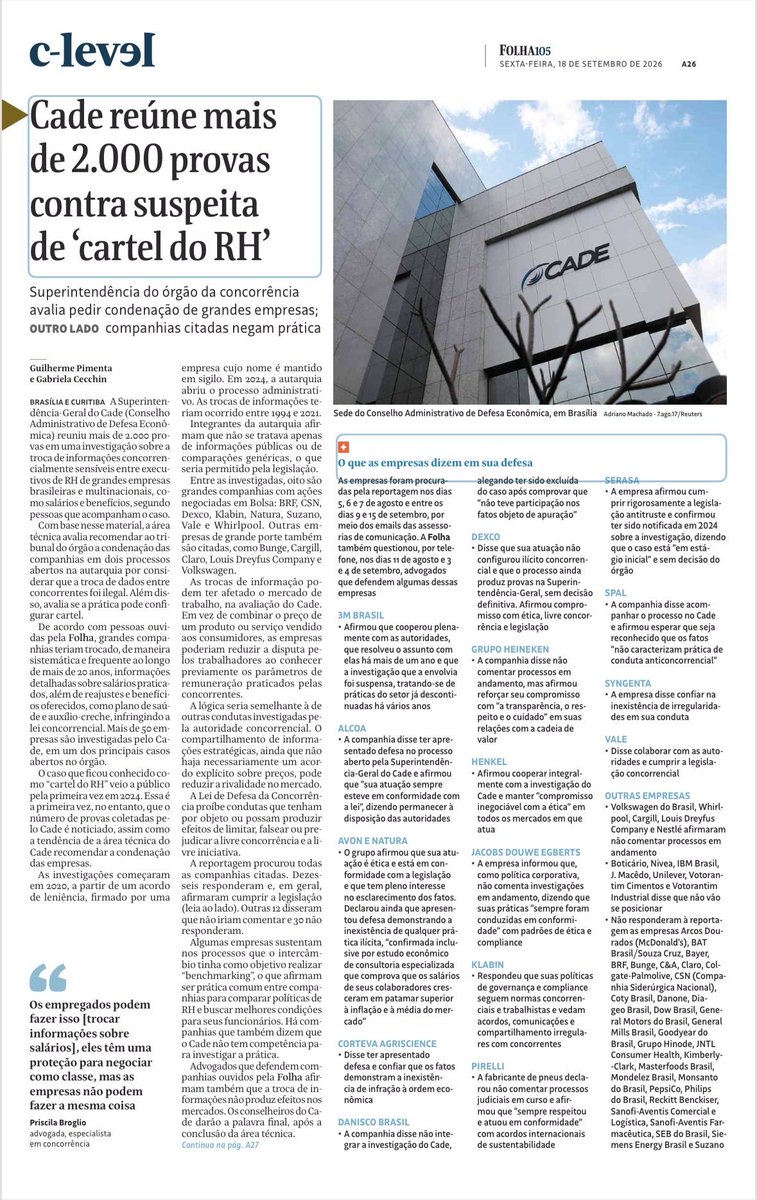
Normalmente defesa da concorrência foca no mercado de produto final. Cada vez mais temos evidências que grandes empresas tem um poder de mercado gigante sobre trabalhadores. A literatura econômica sobre isso explodiu na última década e aqui um exemplo prático no Brasil
Intellectuals have often worried about so-called technological determinism. Today the scholars fear the loss of the ancillary benefits of discovery https://t.co/XF5ISZk4ud
This morning, mathematicians at OpenAI announced that a group of 10,000 autonomous AI agents under their direction proved that the Navier-Stokes equations can “blow up,” thus solving one of the six remaining Millennium Prize Problems. But this massive result is not without controversy. https://t.co/I0f1hwvETo
🧵1. Attentionpocalypse
A thread on a process of worldwide illiteratization, with some evidence on the mechanism.
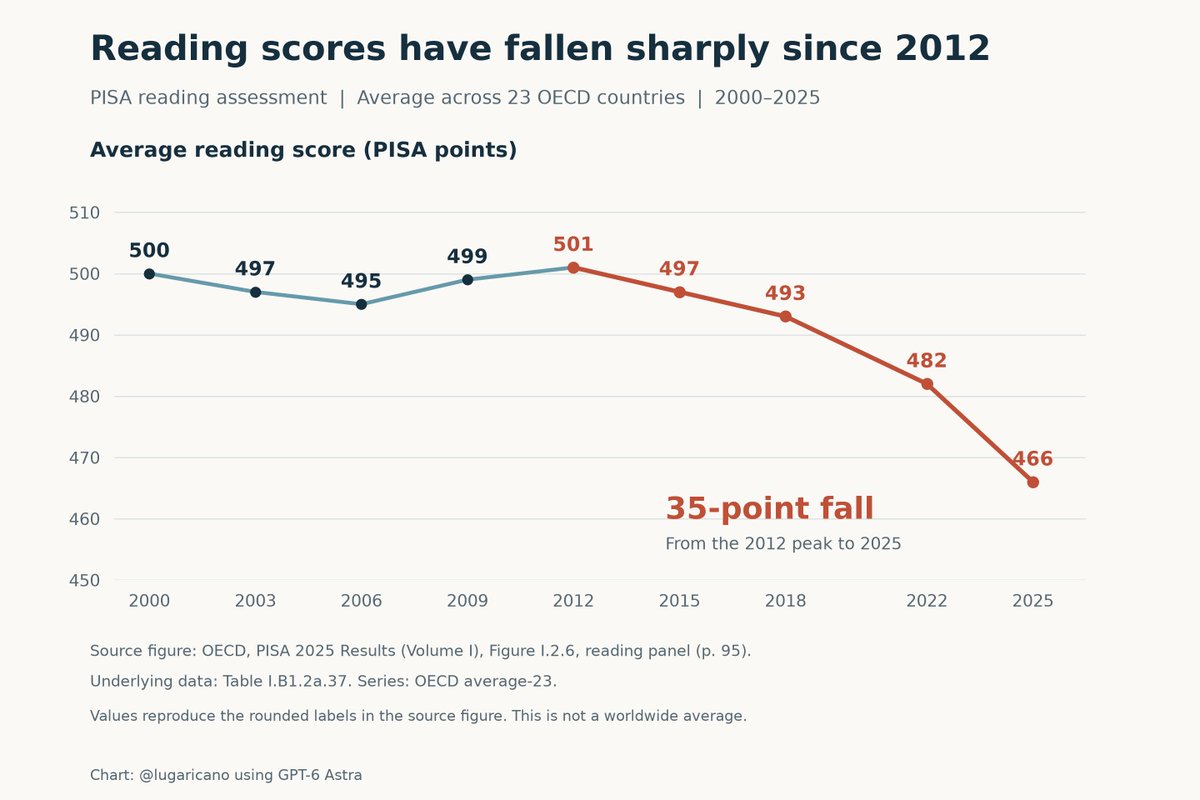
Today, the OECD produced evidence of an accelerating drop (by now equivalent to almost 2 years of schooling) in reading scores since 2012.
Every three years the OECD, a club of mostly rich countries, releases the results of international school tests sat by 15-year-olds all across the world. Anyone who cares about the young of today should be alarmed at this year’s scores https://t.co/chOx3aGQ0q
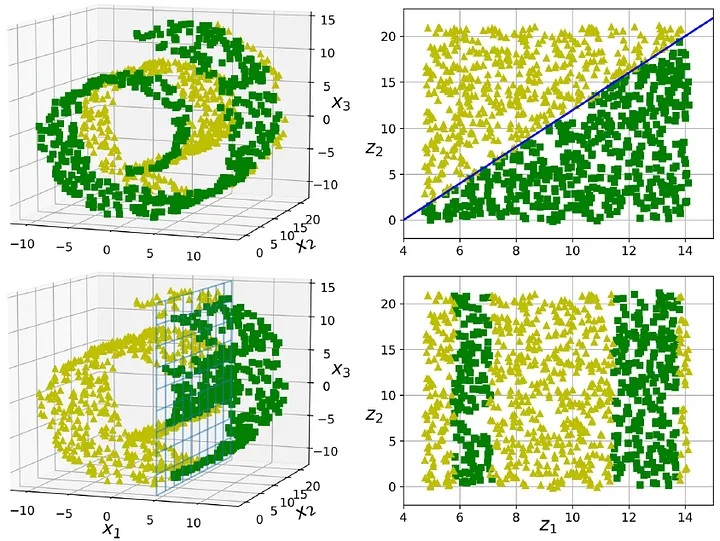
🧵High dimensional data looks intimidating at first glance.
Most real datasets never fill the full ambient space they occupy.
Instead the points concentrate near lower dimensional curved structures known as manifolds.
Understanding this geometry unlocks why many machine learning methods succeed.