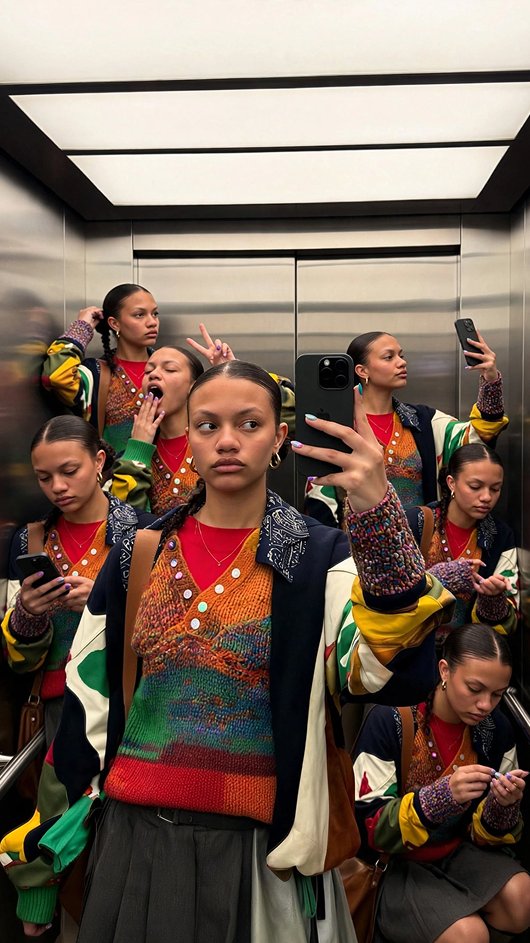
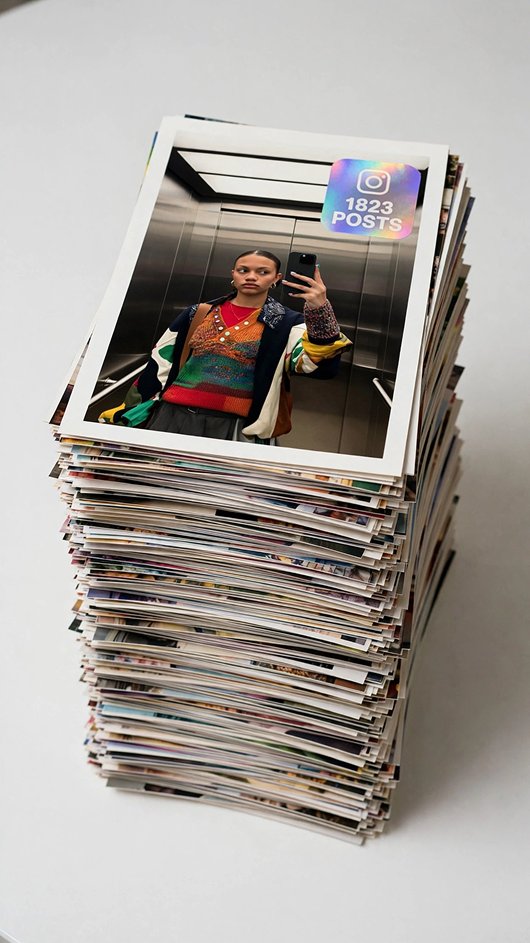
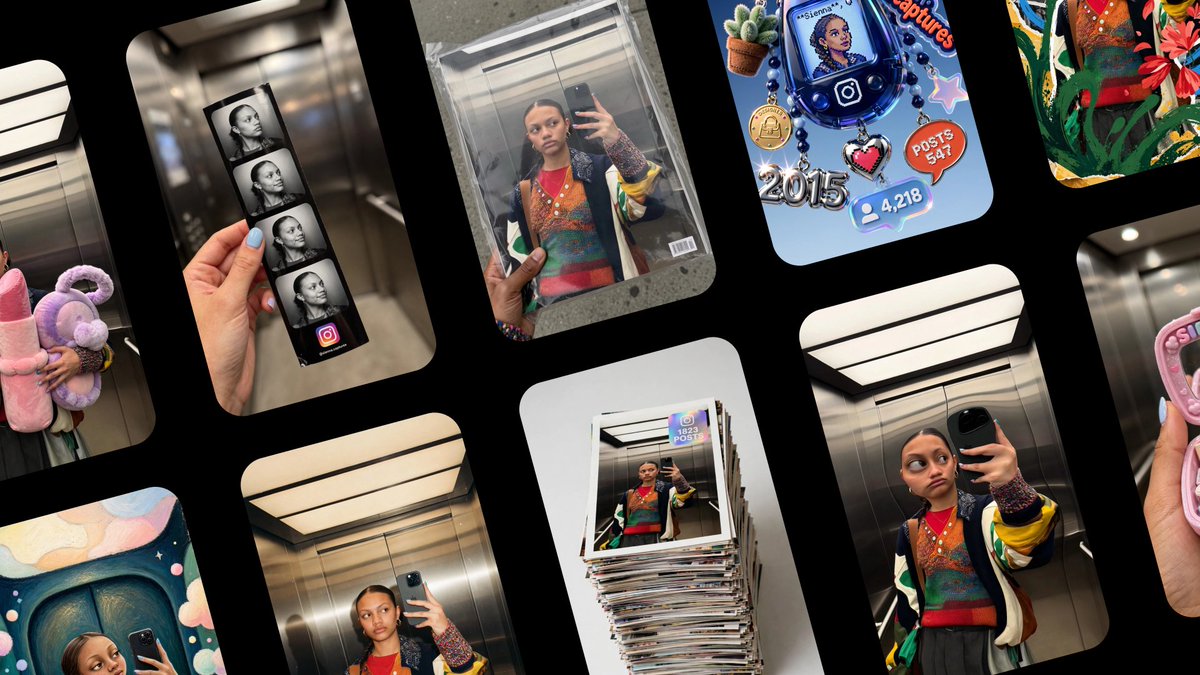
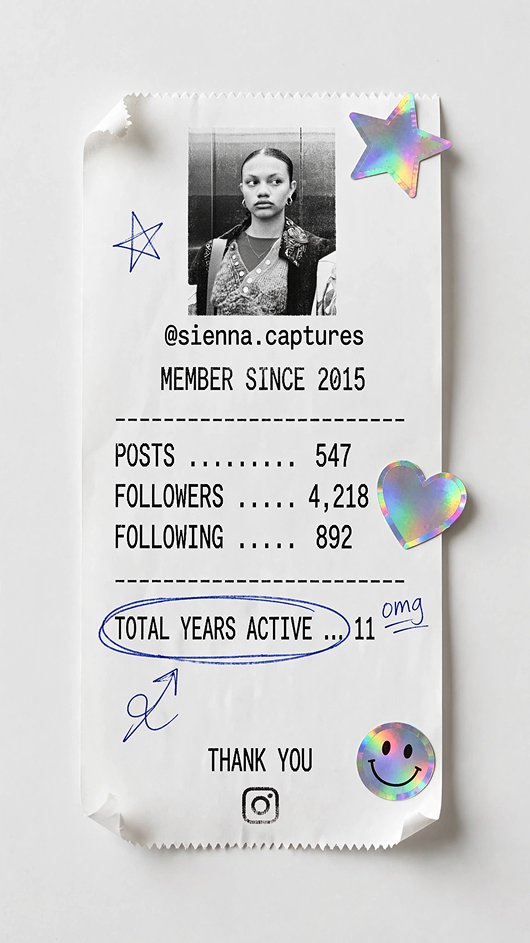
4/ Reasoning makes creating imagery more dynamic and personal. The model can understand the context of your image, drive styles on the fly, or like on Restyle, reference elements of your profile to shape the output.
2/ The token window is massive. Muse Image thrives on direction. You can lock in style details, account for edge cases, and give nuanced instruction. Prompts written in detailed human language (with LLMs) allow you to develop systems to control style and build for repeatability.
1/ It's fast. Benchmarking close to GPT2 quality, but significantly faster. Balancing quality and speed is a creative unlock, especially for scaled use-cases like Restyle. It was a fun collab with @cigulevat @nickfloats@maxescu and see them put it to the test.
@Scobleizer@higgsfield_ai Was there tonight too. I couldn’t stop thinking about the production workflows they’ve figured out. Creating and curating so many clips in such a short time. Pretty pivotal moment for film. It only gets better from here.
@maxescu Haven’t tested v8, but the benefit for me is having style codes that you can rely on, which differentiates it from other models. Curious how non photo styles benchmark.