We’re on target to spend 10+ years of our life on a screen. Are you ready to make a change? Join the Worldwide Digital Detox Movement on Feb 29th! 📵 In a decade, we've seen the rise of loneliness, burnout, and the constant urge to escape. #Reclaim29thFeb#DigitalDetox#GenHope
5/ Pledge your participation with a comment and spread the word 📢 Share your struggles and joys with everyone taking part We are Generation Hope #Reclaim29thFeb#DigitalDetox#GenHope
https://t.co/Vo7Ta8vY60
We’re on target to spend 10+ years of our life on a screen. Are you ready to make a change? Join the Worldwide Digital Detox Movement on Feb 29th! 📵 In a decade, we've seen the rise of loneliness, burnout, and the constant urge to escape. #Reclaim29thFeb#DigitalDetox#GenHope
4/ By redefining our relationship with technology we create space to appreciate a day of connection and mindfulness. Are you ready to be part of this global movement? Are you in? #Reclaim29thFeb#DigitalDetox#GenHope
3/ It is now the time to break free from the digital over reliance and embrace: 👥 Community over Loneliness 🌟 Purposeful Work over Burnout 🧘 Mindfulness over Escapism Taking a break together on Feb 29th, we can send a powerful message. #Reclaim29thFeb#DigitalDetox#GenHope
2/ This year, we've been gifted an extra day – February 29th. Let's value that extra day and reclaim it! ❌ No Social Media 🚫 No Online Purchases / Mindless Browsing. #Reclaim29thFeb#DigitalDetox#GenHope
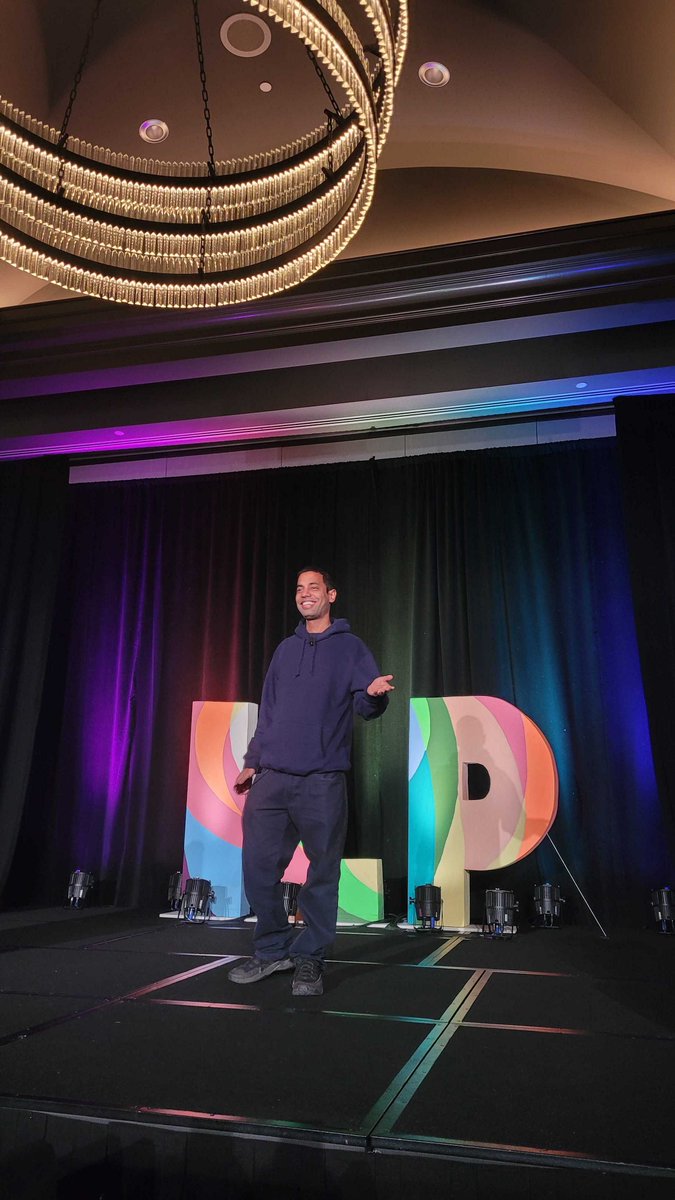
And we're off to a great start with @arunjay, Author & Digital Financial Advisor @UNCDF talking about “An Open Regulated Global Payment Inter-Network” at #ILPSummit22.
Watch it live here:https://t.co/Xy589R2MQ0
We are slowly increasing our awareness about the food we eat. For years food manufactures have used tricks to get us to eat unhealthy food. Why? to increase their profits.
There are a lot of sustainable products, alternatives that are less damaging to our planet. However most of these come at a premium only a few can afford. We need sustainable products to become cheaper than those that are not planet-friendly.
(1/2)
because 2 billion people don't have access to a toilet. So far they have donated over USD 7.4 million. If you use toilet paper, you know who you need to start wiping with. (2/2)
Who Gives A Crap is a great example of a B Corp that does good, and makes a profit. They make toilet paper that isn’t from trees, doesn’t contain any nasties (inks, dyes or scents) and donate 50% of their profits to building toilets, (1/2)
Scarcity thinking is different from things that are actually scarce. We saw this play out at the start of the pandemic where things became scarce due to panic buying (scarcity thinking). Sure there is a finite amount of toilet paper in the world (scarce), but there was (1/3)
actually enough for everybody until scarcity thinking took over and people went out and bought as much toilet paper as they could, creating scarcity.
Until we decided to hoard toilet paper, it wasn’t a problem. (2/3)
My realisation was that we don't have to wait until we make millions before we can turn our attention to solving problems for those most in need (especially those in poverty). (2/2)
Only a tiny minority of people are able to let go of money as a motivating factor. These are typically those who dedicate their lives to religion and spirituality, or to other causes. In some cases, after much success in the business world, people turn to philanthropy.
(1/2)
We perform the greatest mental gymnastics and tricks to convince ourselves that we are the sole reason for our success, that we did it all on our own. That our success was because of our efforts—we worked hard, etc. etc. (1/2)
For any of you interested in building a social enterprise, do check out the Social Entrepreneur Festival 2022 - online from 17 - 30 September.
More info: https://t.co/1dCh7fsWZF
I've heard so many wealthy/rich people talk about how much more they are paying... mind you, none of these people were complaining when their assets doubled during the first part of the pandemic. (2/3)